
Why Waterfall Island Ends Require Precise Mitered Edge Fabrication and Installation
When it comes to kitchen design, few features can elevate the aesthetic and functional appeal of a space quite like a waterfall island. This striking design element not only serves as a centerpiece but also enhances the overall flow of the kitchen. However, achieving the perfect look and functionality for waterfall islands necessitates precision in mitered edge fabrication and installation. In this comprehensive guide, we will explore the importance of precise mitered edges, the fabrication process, and the benefits of working with an experienced countertop fabricator like Lotus Surfaces.
Understanding Waterfall Islands
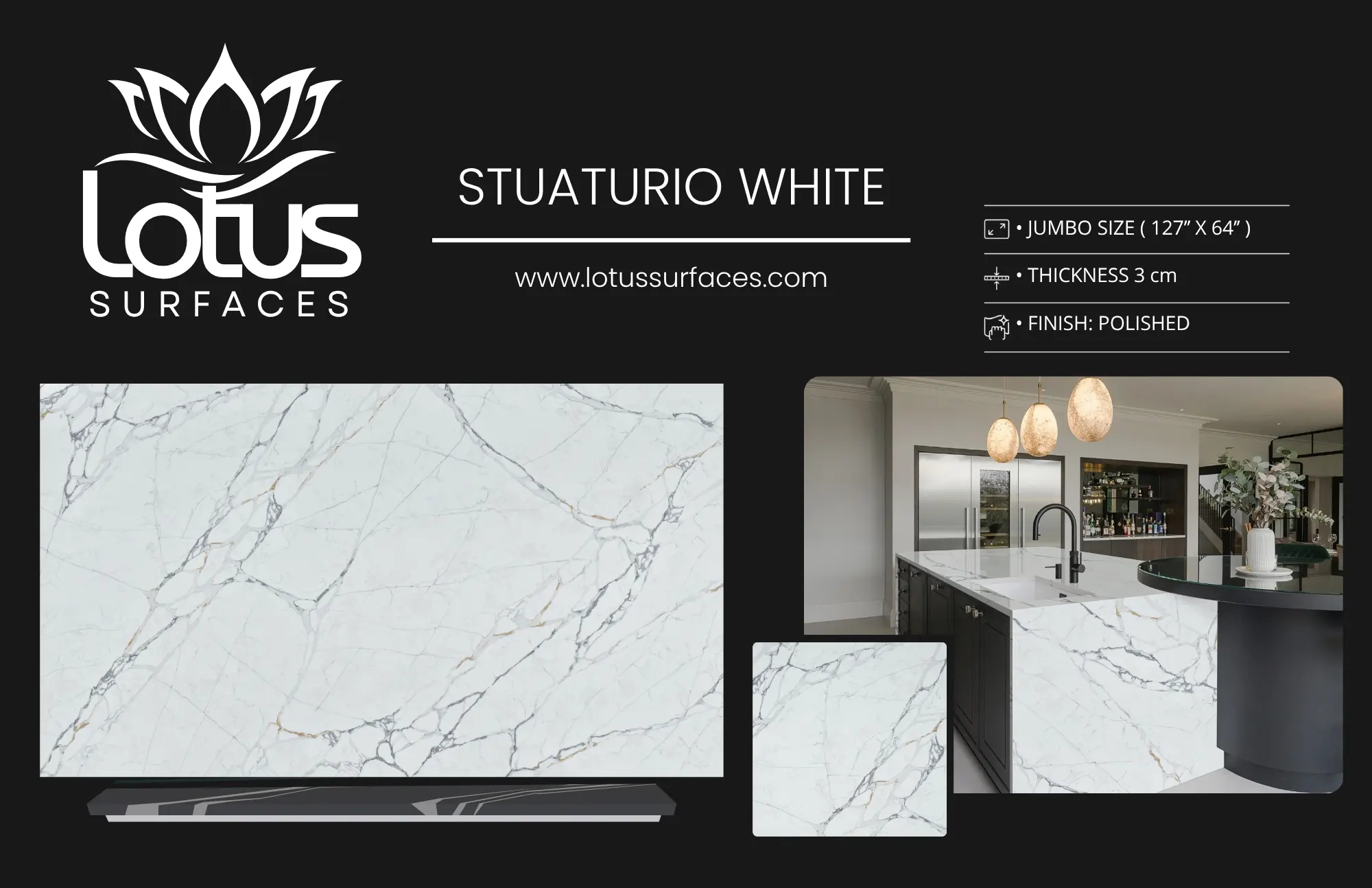
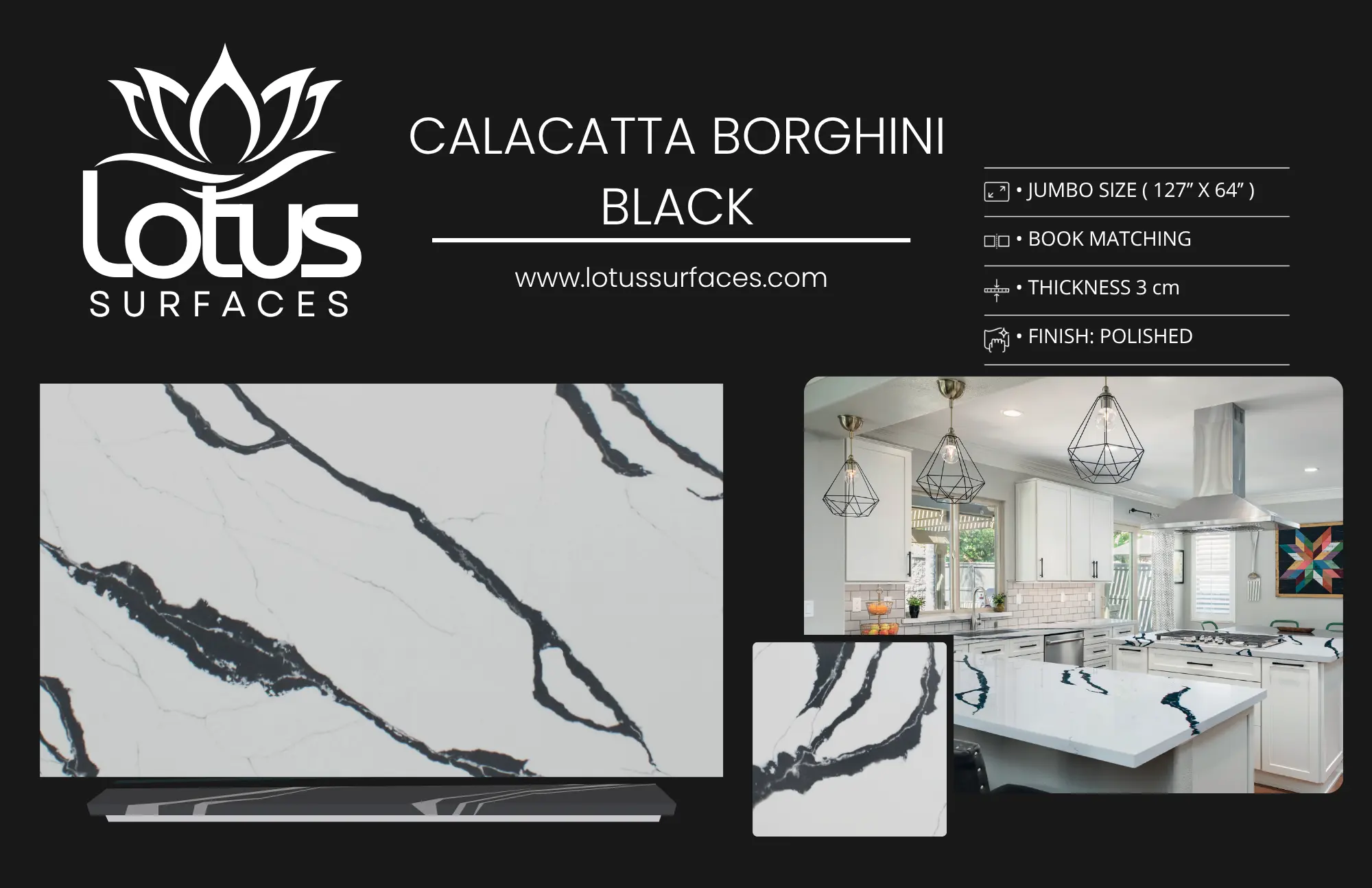
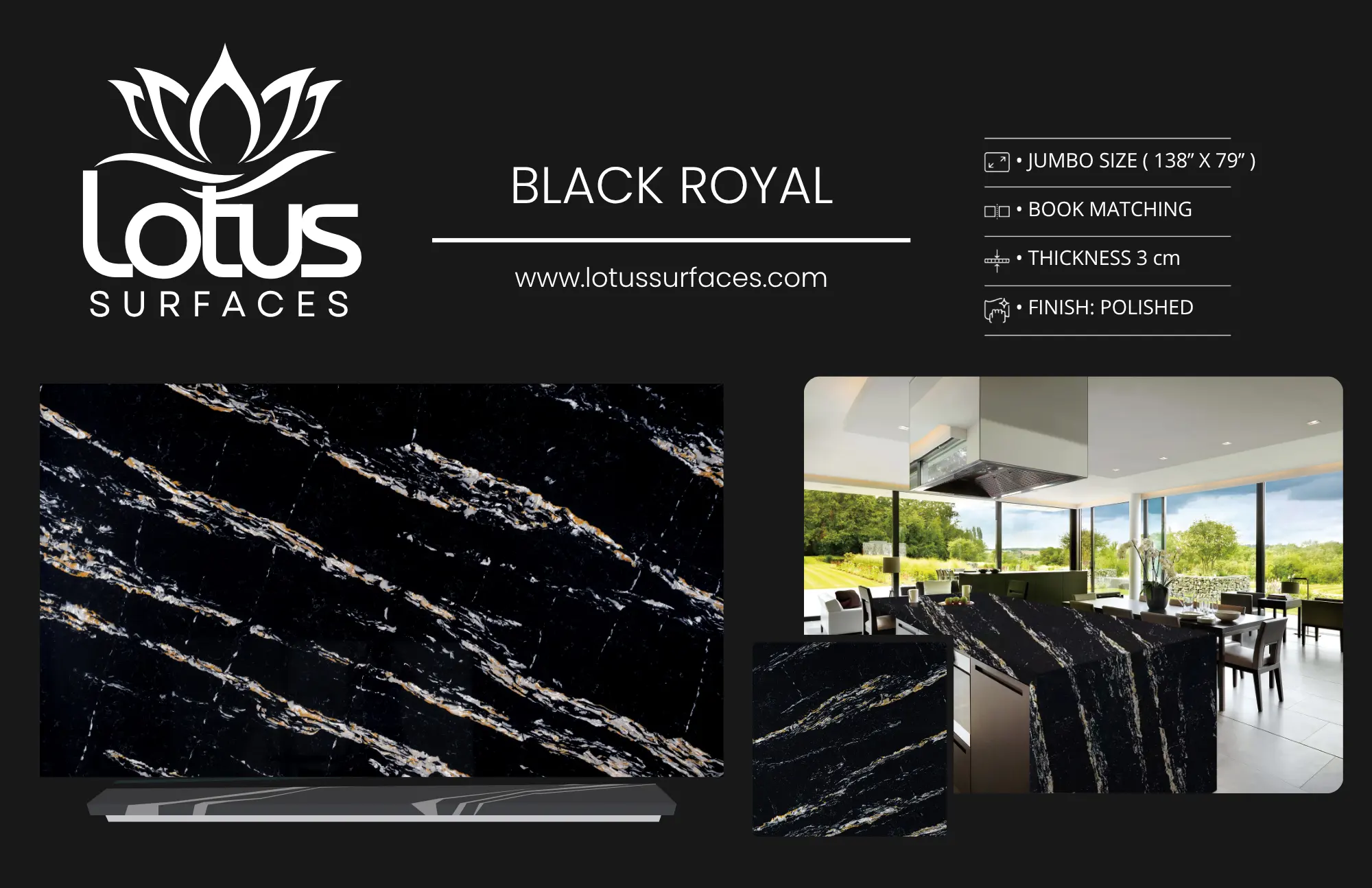
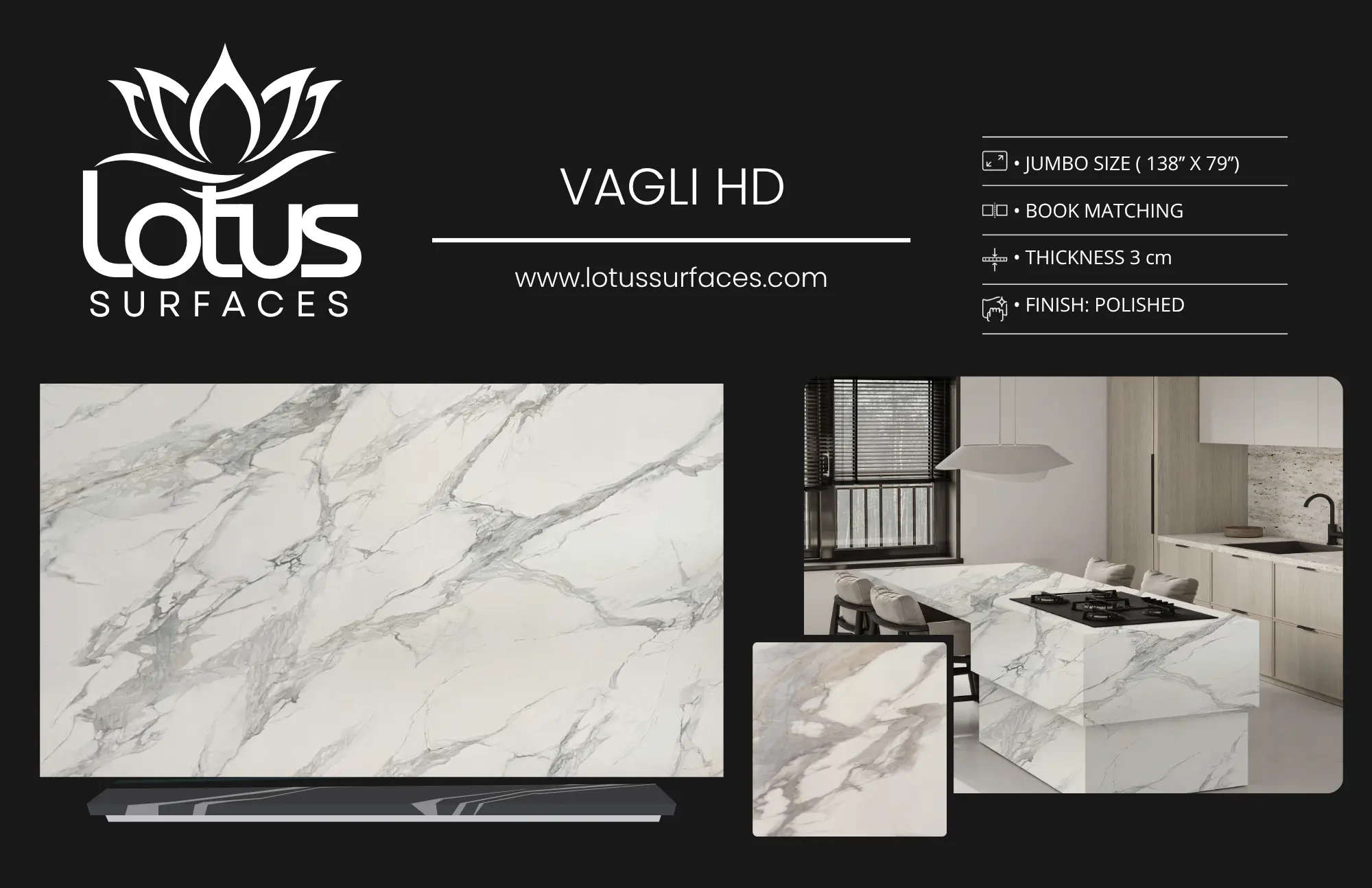
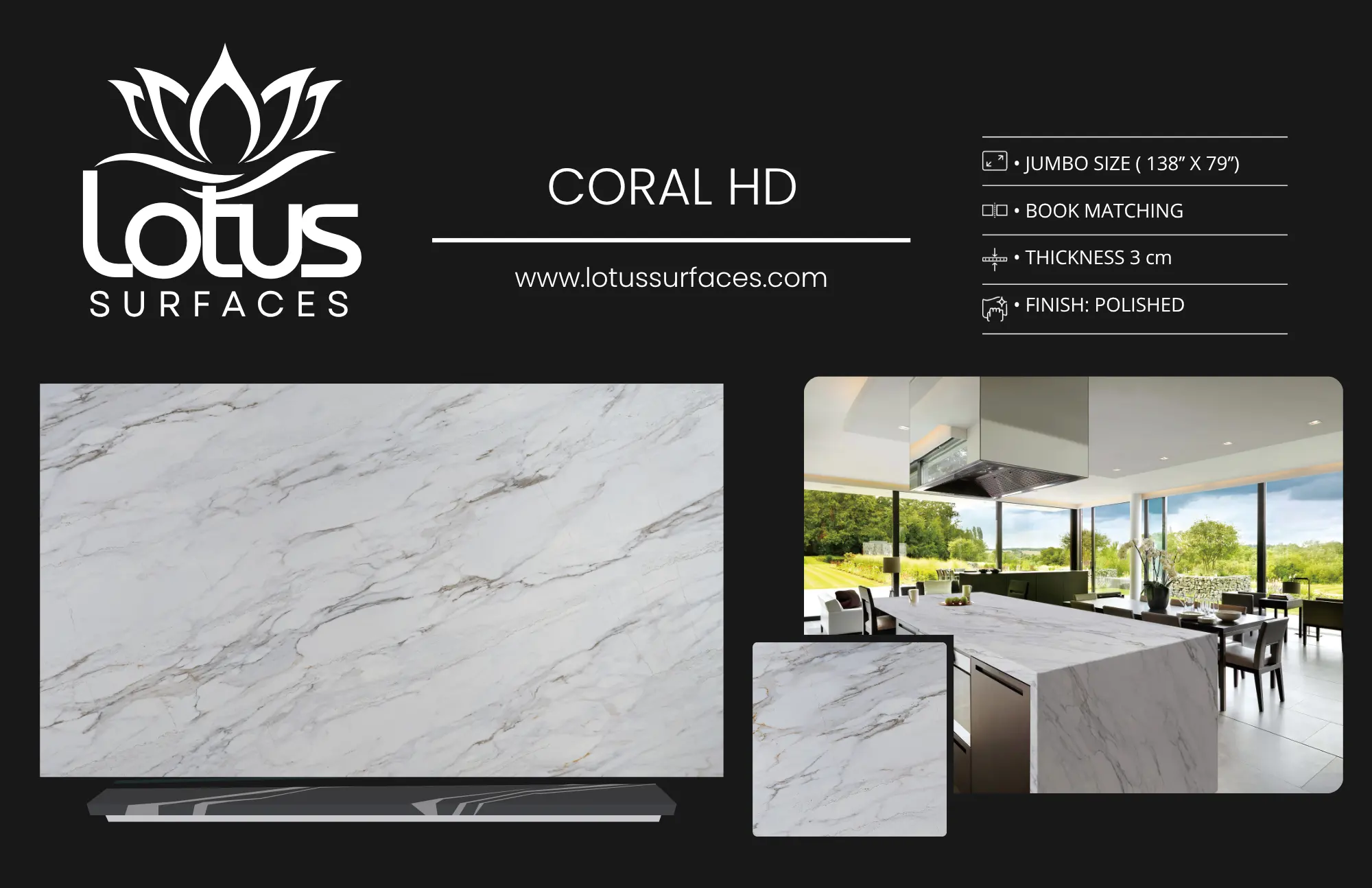
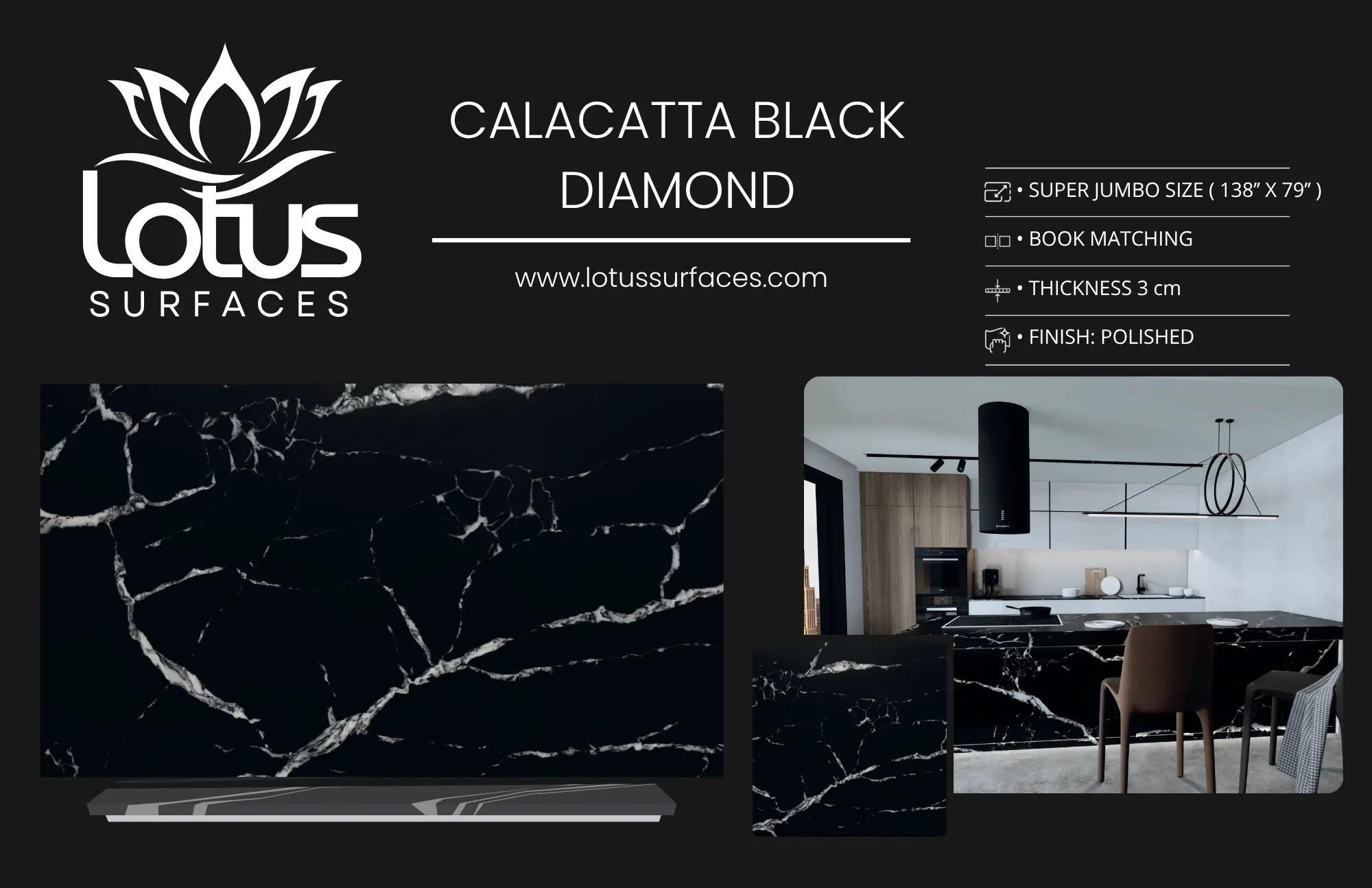
A waterfall island is characterized by its seamless design, where the countertop material flows over the sides of the island, creating a visually stunning effect. This design choice not only adds sophistication but also maximizes the use of space in modern kitchens. Waterfall islands can be made from various materials, including quartz, granite, and porcelain, each offering unique aesthetic and functional benefits.
In Georgia’s humid climate, choosing the right material is crucial to ensure durability and longevity. Homeowners in cities like Norcross and Atlanta often seek high-quality options that stand up to wear and tear while maintaining their beauty. Lotus Surfaces provides a wide selection of premium materials tailored to meet the needs of local homeowners.
The Importance of Mitered Edges
Mitered edges are essential for waterfall islands because they provide a clean, finished look that enhances the overall design. Unlike straight edges, mitered edges create a seamless transition between the top and the sides of the island, making it appear as though the countertop is a single, continuous piece. This not only looks more sophisticated but also helps to hide seams, which can be particularly noticeable in thicker materials.
Moreover, precise mitered edges are crucial for structural integrity. They ensure that the countertop fits securely and evenly, reducing the risk of cracks or chips over time. This is especially important in high-traffic areas like kitchens, where countertops are subject to daily use and potential impacts from cookware and utensils.
Comparison of Edge Profiles
| Edge Profile Type | Appearance | Durability | Maintenance |
|---|---|---|---|
| Mitered Edge | Seamless and modern | High | Low |
| Beveled Edge | Traditional and classic | Medium | Medium |
| Rounded Edge | Soft and safe | Medium | Medium |
| Ogee Edge | Ornate and decorative | High | High |
| Flat Edge | Simple and sleek | Medium | Low |
Mitered Edge Fabrication Process
The fabrication of mitered edges involves several critical steps to ensure precision and quality. Here’s a detailed overview of the process:
- Material Selection: Choose the right countertop material based on your design preferences and functional needs. Consider factors such as durability, color, and texture.
- Measurement: Accurate measurements are essential for a perfect fit. Professional fabricators use digital templating and laser measurement techniques to ensure precision.
- Cutting: The countertop slab is cut at a 45-degree angle to create the mitered edge. This requires specialized tools and expertise to achieve clean, accurate cuts.
- Seaming: After cutting, the edges are carefully aligned and glued together. This step is crucial for maintaining the strength and integrity of the countertop.
- Finishing: Once the mitered edge is assembled, the countertop is polished to achieve a smooth, high-gloss finish that enhances its beauty.
At Lotus Surfaces, we pride ourselves on our precision CNC cutting and edge profiling, ensuring that every mitered edge meets the highest standards of quality and craftsmanship.
Installation of Mitered Edges
Once the countertop has been fabricated with mitered edges, proper installation is vital to ensure longevity and performance. Here are the key steps involved in the installation process:
- Preparation: Ensure the base cabinets are level and sturdy. This provides a solid foundation for the countertop and prevents future issues.
- Placement: Carefully position the countertop on the base cabinets, ensuring that the mitered edges align perfectly.
- Securing: Use adhesive to secure the countertop in place. This step is critical for preventing movement and ensuring a stable installation.
- Seam Alignment: If there are multiple pieces, ensure that the seams are aligned and properly finished to maintain a seamless appearance.
- Final Adjustments: Make any necessary adjustments to ensure a perfect fit, and clean the surface to remove any excess adhesive or debris.
Engaging a professional local countertop installer ensures that the installation is executed flawlessly, providing peace of mind that your waterfall island will look stunning for years to come.
Benefits of Professional Fabrication
Choosing a professional fabricator like Lotus Surfaces offers numerous advantages:
- Expertise: Professionals have the experience and skills necessary to execute precise cuts and installations, reducing the likelihood of errors.
- Quality Materials: Access to premium materials ensures durability and aesthetic appeal, which is particularly important for high-traffic areas like kitchens.
- Customization: Professionals can help you choose the right materials and designs to match your vision and functional needs.
- Warranty and Support: Engaging a reputable fabricator often comes with warranties and ongoing support, providing peace of mind for homeowners.
Common Materials for Waterfall Islands
Waterfall islands can be crafted from a variety of materials, each offering unique benefits:
- Quartz: Known for its durability and low maintenance, quartz is a popular choice for modern kitchens. It comes in a wide range of colors and patterns, making it easy to find the perfect match for your design.
- Granite: A natural stone that adds elegance and sophistication, granite is highly durable and heat-resistant. However, it requires periodic sealing to maintain its appearance.
- Porcelain: Increasingly popular for its versatility and sleek aesthetic, porcelain offers a non-porous surface that is resistant to stains and scratches.
When selecting a material, consider factors such as durability, maintenance requirements, and aesthetic appeal. Engaging an expert can help you make an informed decision tailored to your specific needs.
Cost Considerations
The cost of waterfall islands with mitered edges can vary significantly based on several factors:
- Material Choice: Premium materials like quartz and granite tend to be more expensive than laminate or less durable options.
- Fabrication Complexity: The intricacy of the design and the precision required for mitered edges can increase fabrication costs.
- Installation Fees: Professional installation often incurs additional costs, but it is a worthwhile investment to ensure quality and durability.
It is essential to budget for both materials and installation when planning your waterfall island project. At Lotus Surfaces, we provide transparent pricing and detailed estimates to help homeowners make informed decisions.
FAQs
What is a waterfall island?
A waterfall island is a kitchen island design where the countertop material flows over the sides, creating a seamless, elegant look.
Why are mitered edges important for waterfall islands?
Mitered edges provide a clean, finished appearance and enhance structural integrity, ensuring the countertop fits securely and reducing the risk of damage.
What materials are best for waterfall islands?
Common materials include quartz, granite, and porcelain, each offering unique benefits in terms of durability and aesthetic appeal.
How is a mitered edge fabricated?
The fabrication process involves precise cutting, seaming, and finishing to create a seamless transition between the countertop and island sides.
Can I install a waterfall island myself?
While DIY installation is possible, engaging a professional is recommended for the best results, especially for mitered edges.
How much does a waterfall island cost?
Costs vary based on material choice, fabrication complexity, and installation fees. It’s essential to budget accordingly.
How do I maintain my waterfall island?
Maintenance depends on the material; quartz generally requires less upkeep than natural stone like granite, which needs periodic sealing.
Where can I find professional countertop fabricators near me?
Look for reputable local fabricators like Lotus Surfaces in Norcross, GA, for expert guidance and services.
Conclusion
In conclusion, waterfall islands are a stunning addition to any modern kitchen, and achieving a flawless design requires precise mitered edge fabrication and installation. By understanding the importance of mitered edges, engaging experienced professionals, and selecting the right materials, homeowners can create a beautiful and functional centerpiece for their kitchens. If you’re considering a waterfall island for your home, contact Lotus Surfaces today for expert guidance and top-quality craftsmanship that will elevate your kitchen design.
