How Professional Fabrication Transforms Raw Stone Slabs into Precision-Cut Countertops
When it comes to upgrading your kitchen or bathroom, the choice of countertops is paramount. The right surface can elevate the aesthetic and functionality of your space, making it essential to understand how professional fabrication turns raw stone slabs into precision-cut countertops. In this comprehensive guide, we will explore the intricate process of countertop fabrication, from selecting raw materials to the final installation. By the end of this article, you will have a clear understanding of what goes into creating high-quality countertops, the technology involved, and how to choose the best options for your home.
Understanding Raw Stone Slabs
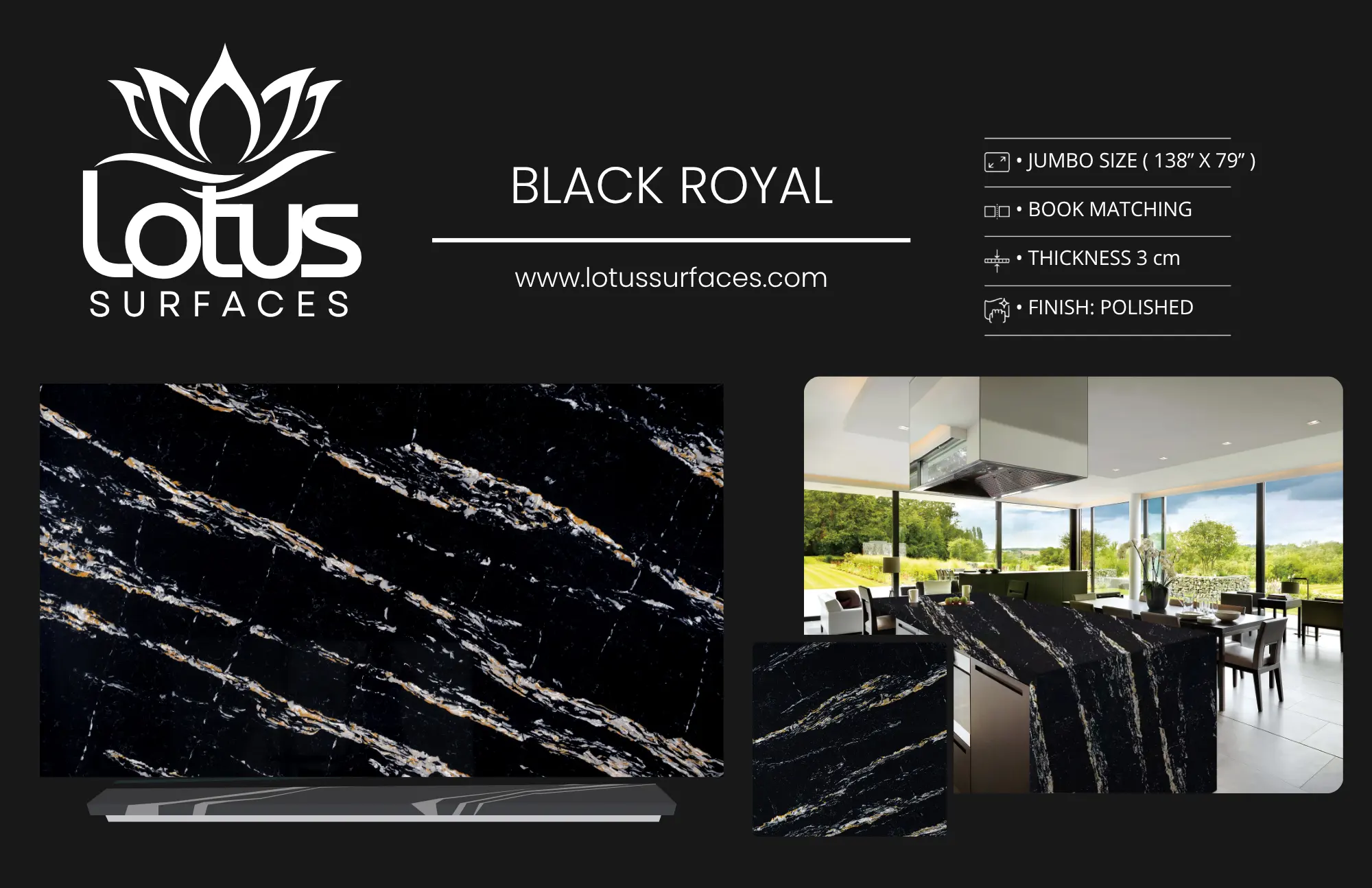
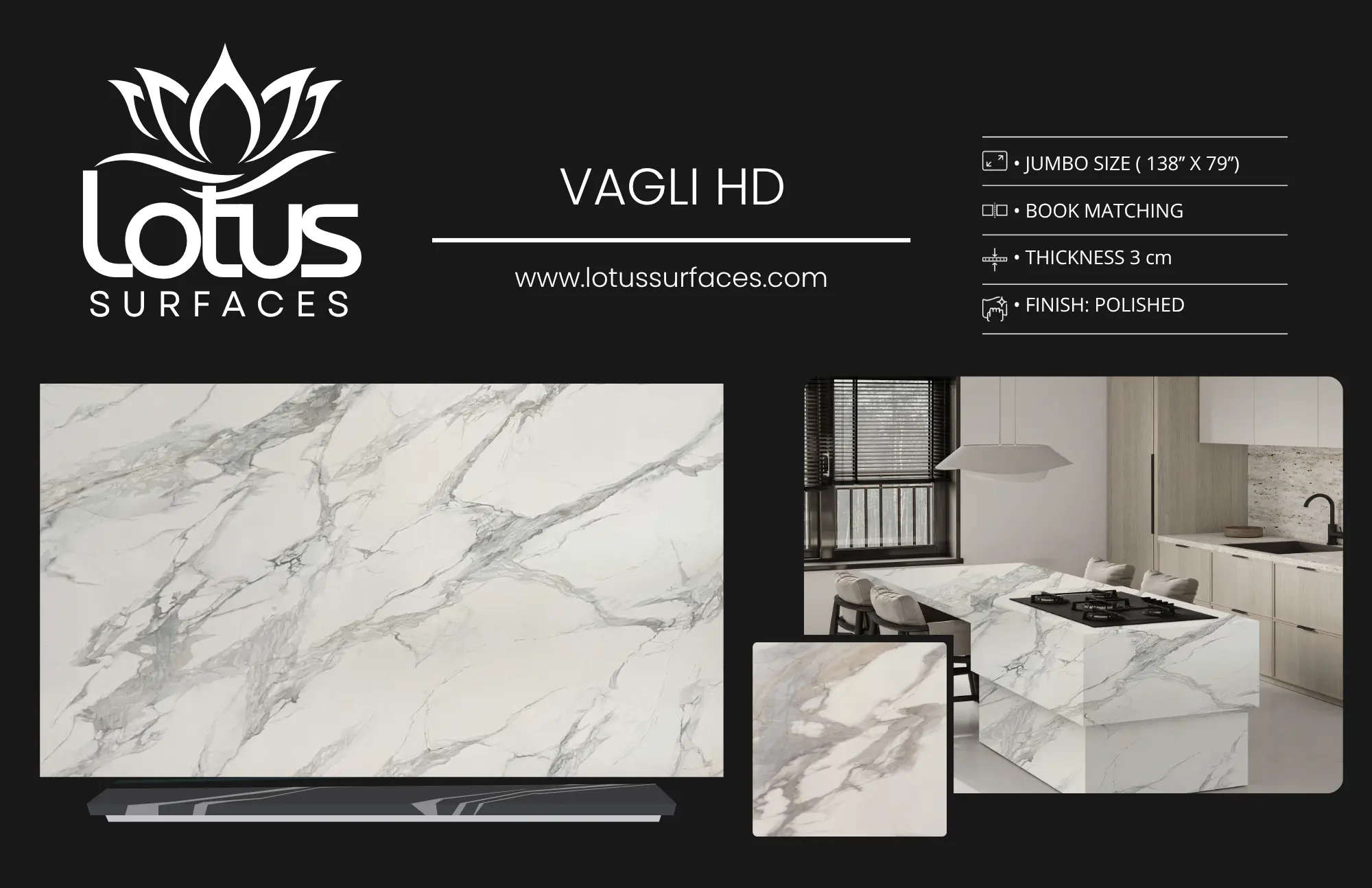
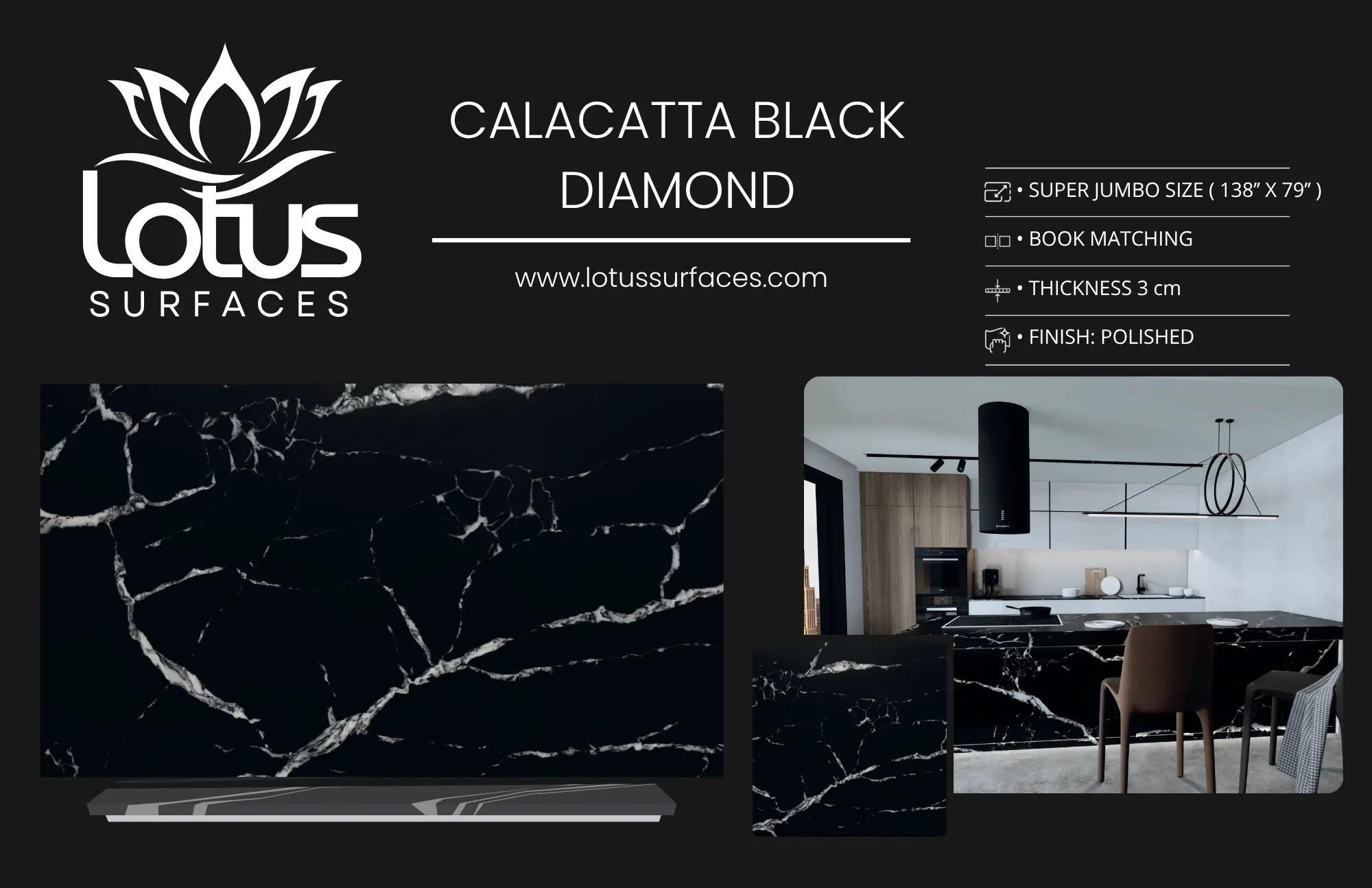
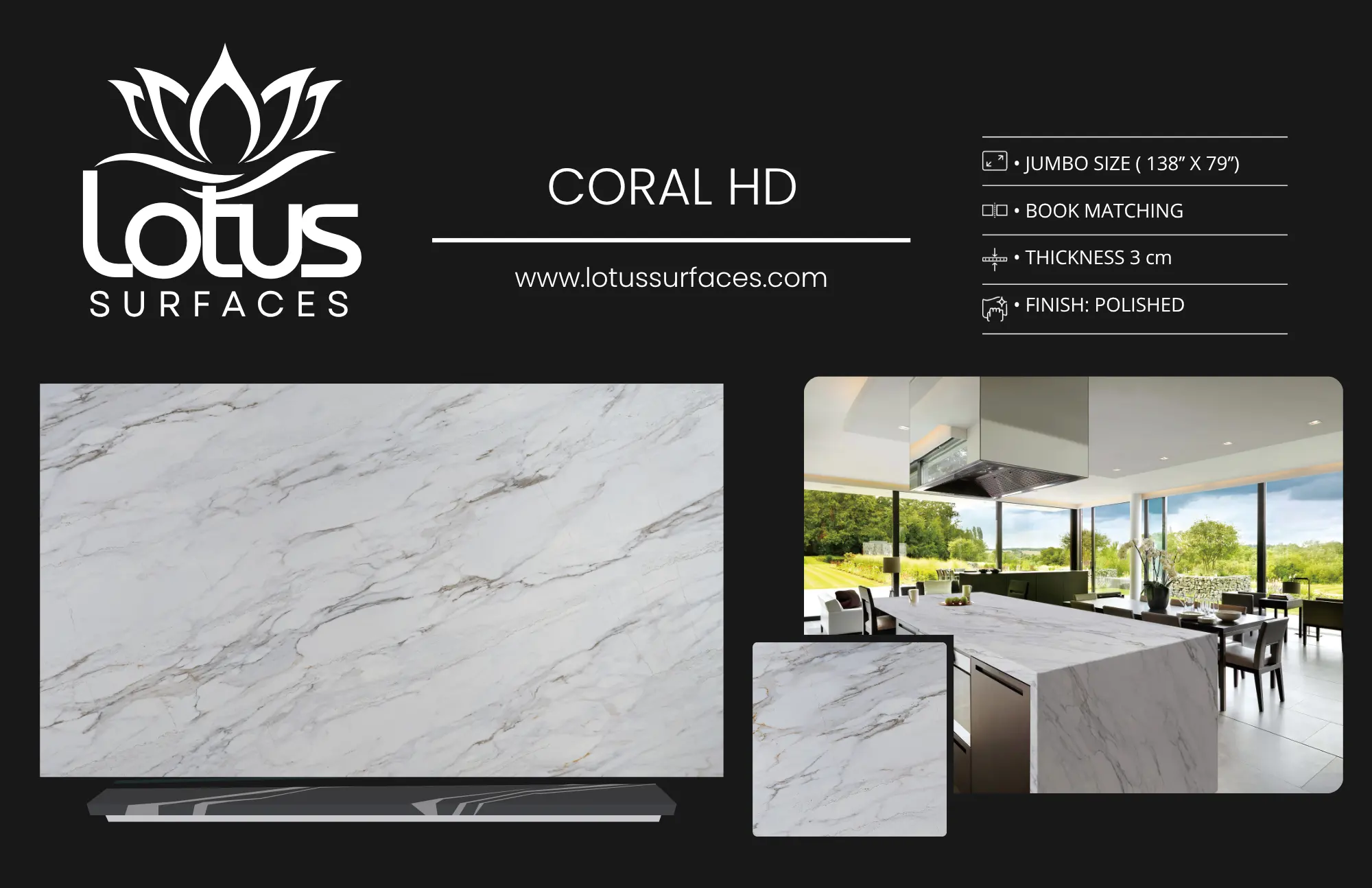
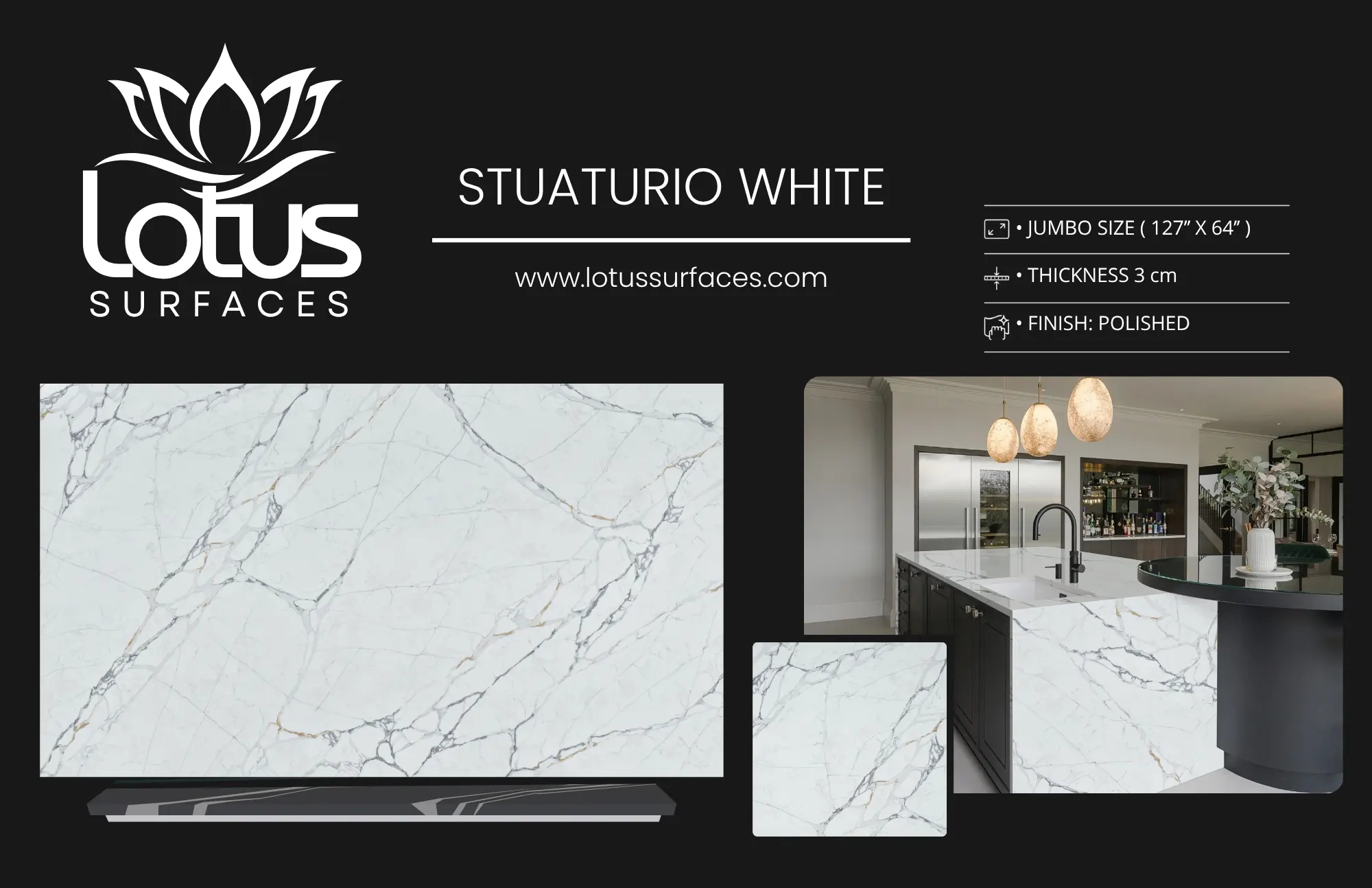
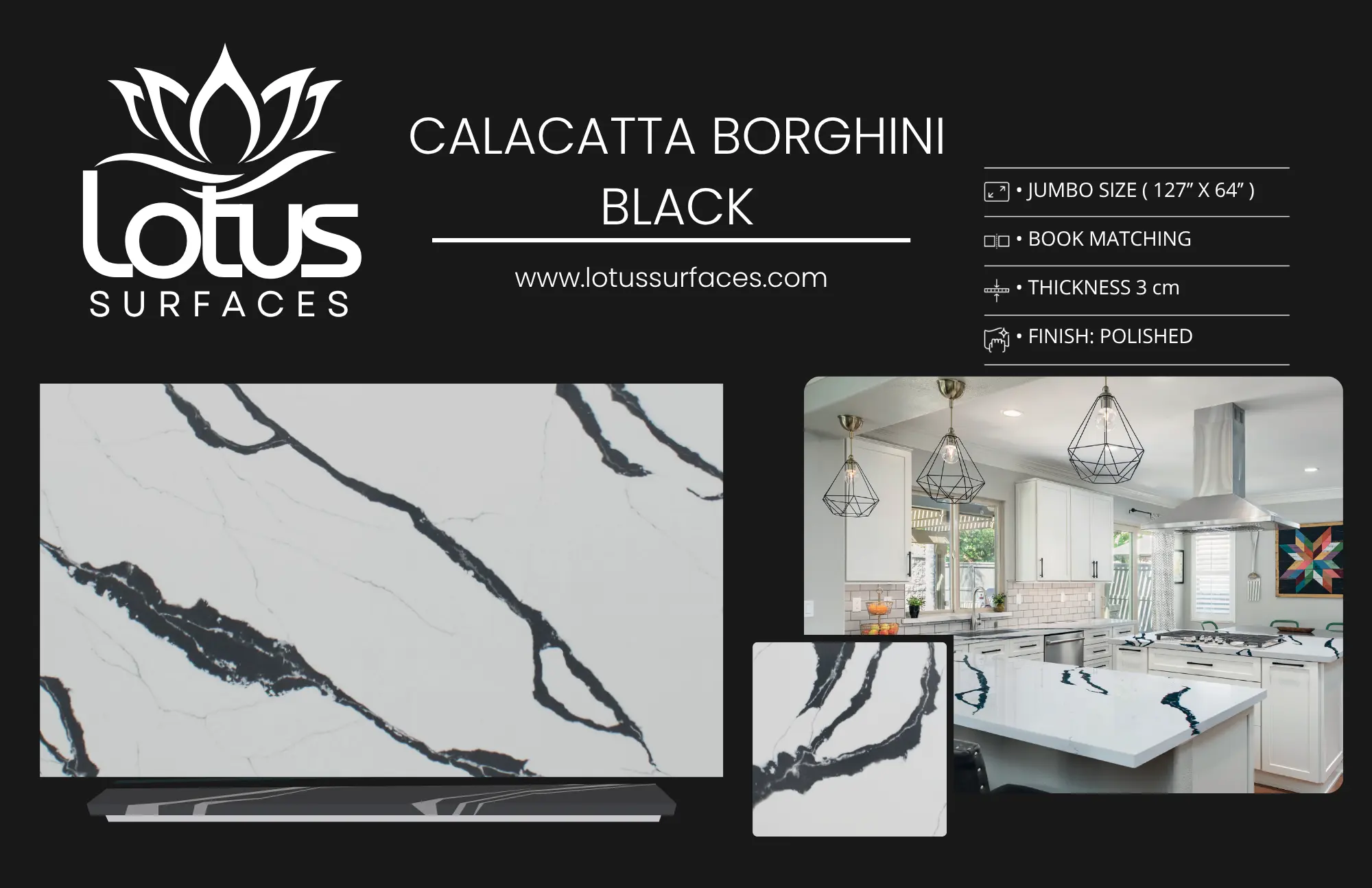
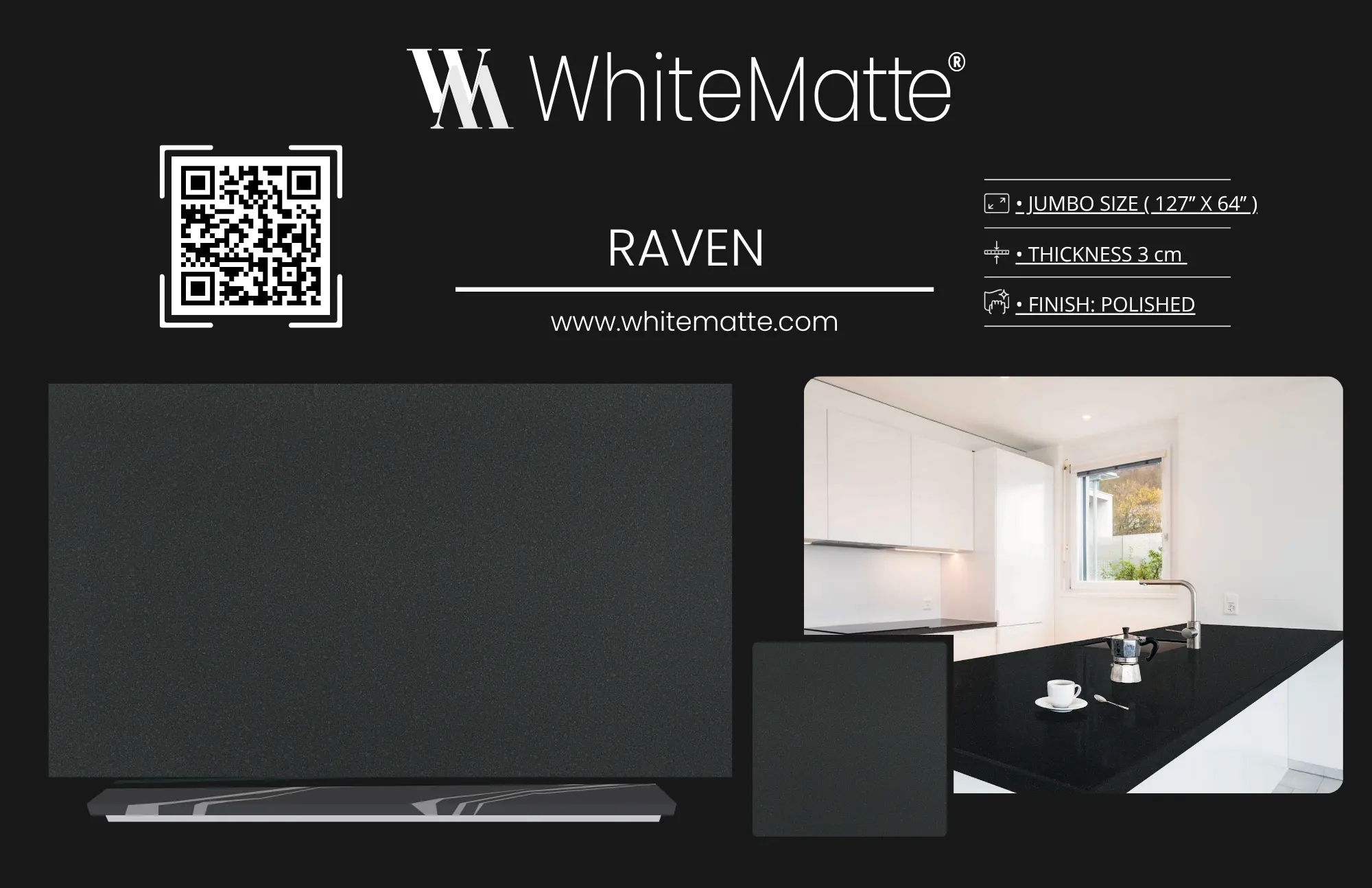
Raw stone slabs are the foundation of beautiful countertops. They come from natural sources, such as quarries, where stones like granite, quartz, and marble are extracted. Each type of stone has unique properties, colors, and textures that can greatly influence the final look of your countertops. Understanding these characteristics is crucial for homeowners looking to make informed decisions about their countertop choices.
Granite, for instance, is renowned for its durability and resistance to scratches and heat, making it ideal for kitchen countertops. Quartz, on the other hand, is engineered and offers a more uniform appearance, while marble is prized for its elegance but requires more maintenance due to its porous nature.
The Fabrication Process
The fabrication process begins once the raw stone slabs are delivered to a fabrication facility, such as Lotus Surfaces in Norcross, GA. Here, skilled professionals use advanced technology to shape the stone into the desired dimensions and finishes. The process typically involves the following steps:
- Measuring: Accurate measurements are crucial to ensure a perfect fit. Professionals use digital templating and laser measurement tools to capture the dimensions of your countertops accurately.
- Cutting: Using precision CNC machines, fabricators cut the stone slabs according to the specified measurements. This technology allows for intricate designs and consistent cuts, reducing waste.
- Edge Profiling: Edge profiles can be customized to enhance the aesthetic appeal of the countertops. Options include beveled, bullnose, ogee, and mitered edges.
- Polishing: After cutting, the edges and surfaces are polished to achieve a high-gloss finish, making the countertops visually appealing and easier to maintain.
- Seaming: For larger countertops, seams may need to be aligned and secured. Experienced fabricators ensure that seam placement is optimized for both strength and aesthetics.
- Final Inspection: Quality control is vital. Each countertop undergoes a thorough inspection to ensure it meets the highest standards before installation.
Precision Cutting Techniques
Precision cutting is at the heart of professional countertop fabrication. The use of advanced CNC (Computer Numerical Control) technology has revolutionized the industry, allowing for highly accurate cuts that traditional methods cannot achieve. CNC machines can be programmed to cut intricate designs and patterns, ensuring that every countertop is unique and tailored to the homeowner’s specifications.
Additionally, waterjet cutting technology is often employed, which uses high-pressure water mixed with abrasives to cut through stone. This method minimizes the risk of chipping and provides a clean edge, making it ideal for delicate materials like marble.
| Cutting Method | Description | Best For |
|---|---|---|
| CNC Cutting | Computer-controlled cutting for precision and complex designs | Granite, Quartz |
| Waterjet Cutting | High-pressure water cutting for clean edges | Marble, Porcelain |
| Hand Cutting | Traditional method using manual tools | Simple cuts and repairs |
Quality Control in Countertop Fabrication
Quality control is a non-negotiable aspect of professional fabrication. At Lotus Surfaces, every countertop undergoes meticulous scrutiny to ensure it meets the highest standards of quality and durability. This includes checking for:
- Surface imperfections
- Color consistency
- Edge uniformity
- Structural integrity
By adhering to strict quality control measures, fabricators can guarantee that their products not only look great but also stand the test of time. This commitment to quality is what sets professional fabricators apart from DIY solutions.
Choosing the Right Fabricator
When it comes to selecting a countertop fabricator, it’s essential to choose a company with a proven track record of excellence. Look for the following qualities:
- Experience: A fabricator with years of experience is more likely to deliver high-quality results. Check their portfolio for previous projects.
- Technology: Ensure they use modern fabrication techniques and equipment, such as CNC machines and waterjet cutters.
- Customer Service: A reputable fabricator will offer personalized service, guiding you through the selection process and addressing any concerns you may have.
- Reviews and References: Look for customer testimonials and reviews to gauge the satisfaction of previous clients.
At Lotus Surfaces, we pride ourselves on being a trusted partner for homeowners and contractors alike, offering premium quality materials and exceptional craftsmanship. Our in-house fabrication facility allows us to maintain strict quality control and provide a personalized slab viewing experience.
Benefits of Professional Fabrication
Opting for professional fabrication offers numerous advantages, including:
- Customization: Professional fabricators can tailor countertops to fit your specific design needs, ensuring a perfect match for your home.
- Precision: Advanced cutting techniques result in precise dimensions and flawless finishes.
- Durability: High-quality materials and expert installation ensure that your countertops will withstand daily wear and tear.
- Increased Home Value: Well-crafted countertops can significantly enhance the overall value of your home, making it an excellent investment.
The combination of expert craftsmanship and advanced technology makes professional fabrication the best choice for homeowners looking to achieve stunning and durable countertops.
FAQs
What types of stone are commonly used for countertops?
The most popular types of stone for countertops include granite, quartz, marble, and quartzite. Each has unique properties that suit different design preferences and usage requirements.
How long does the countertop fabrication process take?
The fabrication process can take anywhere from a few days to a couple of weeks, depending on the complexity of the project and the availability of materials.
Can I customize the edge profile of my countertops?
Yes! Professional fabricators offer various edge profiles, including beveled, bullnose, and mitered edges, allowing you to customize the look of your countertops.
Why is professional installation important?
Professional installation ensures that your countertops are fitted correctly, reducing the risk of damage and ensuring optimal performance and longevity.
How do I maintain my stone countertops?
Maintenance varies by material, but generally, it’s essential to clean spills immediately, use coasters for drinks, and avoid harsh chemicals. Regular sealing is also recommended for porous stones like granite and marble.
What is the difference between quartz and granite countertops?
Granite is a natural stone, while quartz is engineered. Granite offers unique patterns and colors, while quartz provides a more uniform appearance and is non-porous, making it easier to maintain.
How can I ensure the best fit for my countertops?
Working with a professional fabricator who uses digital templating and laser measurement will help ensure a perfect fit for your countertops.
Where can I find a reliable countertop fabricator in Atlanta?
Look for local fabricators with a strong reputation, positive reviews, and a portfolio of completed projects. Lotus Surfaces is a trusted countertop fabricator in Norcross, GA, serving the Greater Atlanta area.
What should I consider when choosing countertop materials?
Consider factors such as durability, maintenance requirements, aesthetic appeal, and how the material will complement your home’s design.
Are there eco-friendly options for countertops?
Yes, many fabricators offer eco-friendly options, including recycled materials and sustainably sourced stones. Be sure to inquire about these options when selecting your countertops.
How do I prepare for countertop installation?
Clear the installation area, remove any existing countertops, and ensure that the cabinets are level and ready to support the new surfaces.
What is the warranty on fabricated countertops?
Warranties vary by fabricator and material, so be sure to ask about the warranty coverage for your countertops before making a decision.