

RTA Cabinets vs Custom Cabinets: What Atlanta Homeowners Should Know
Ready-to-assemble (RTA) cabinets and custom cabinetry sit at opposite ends of the kitchen budget conversation, and Atlanta homeowners planning a remodel usually end up comparing the two. The right answer depends less on trends and more on your timeline, layout and how long you plan to stay in the home. Here is a practical comparison from a fabrication perspective.
What RTA Cabinets Are – and What They Are Not
RTA cabinets ship flat-packed with pre-drilled parts and assemble on site. Modern RTA lines have improved considerably: plywood boxes, soft-close hardware and a wide range of shaker-style doors are now common. What RTA cannot offer is dimensional freedom – you work with fixed cabinet widths and filler strips make up the difference.
Where Custom Cabinets Earn Their Keep
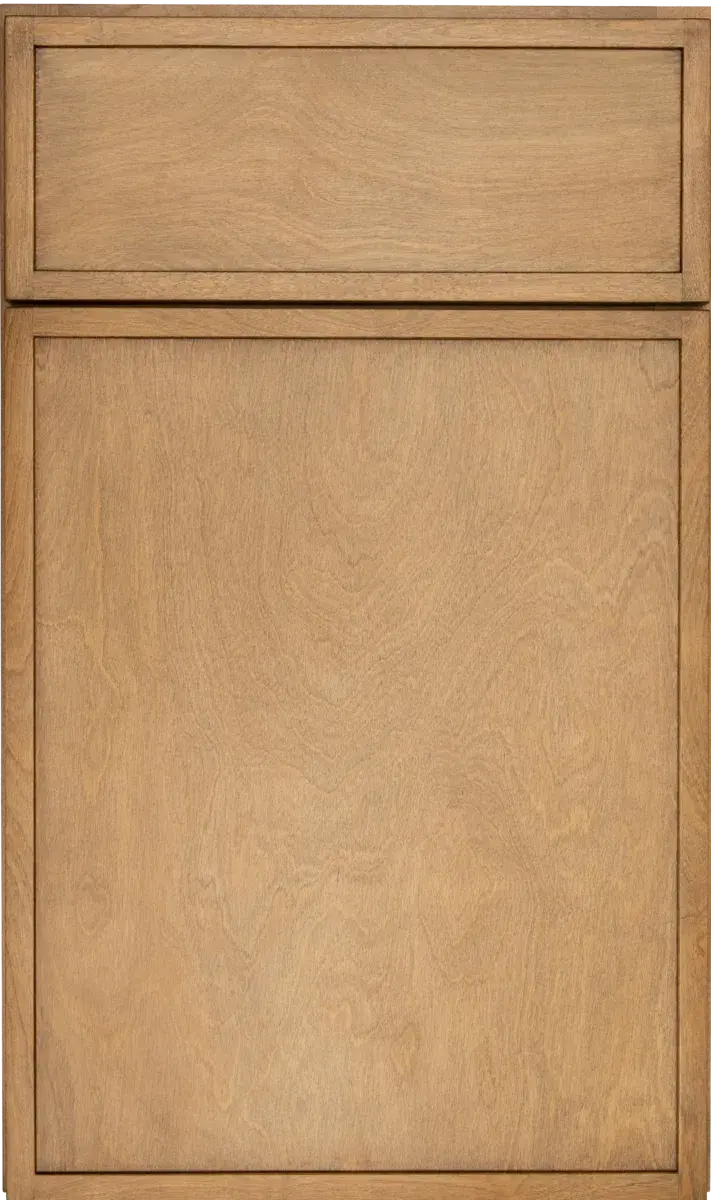
Custom cabinetry is built to your kitchen’s exact dimensions. That matters most in older Atlanta homes with out-of-square walls, in kitchens with tall ceilings where stacked uppers need precise heights, and in layouts built around a large island. Custom also opens the full range of door styles and finishes – see the cabinet door styles we supply for examples.
How the Choice Affects Your Countertops
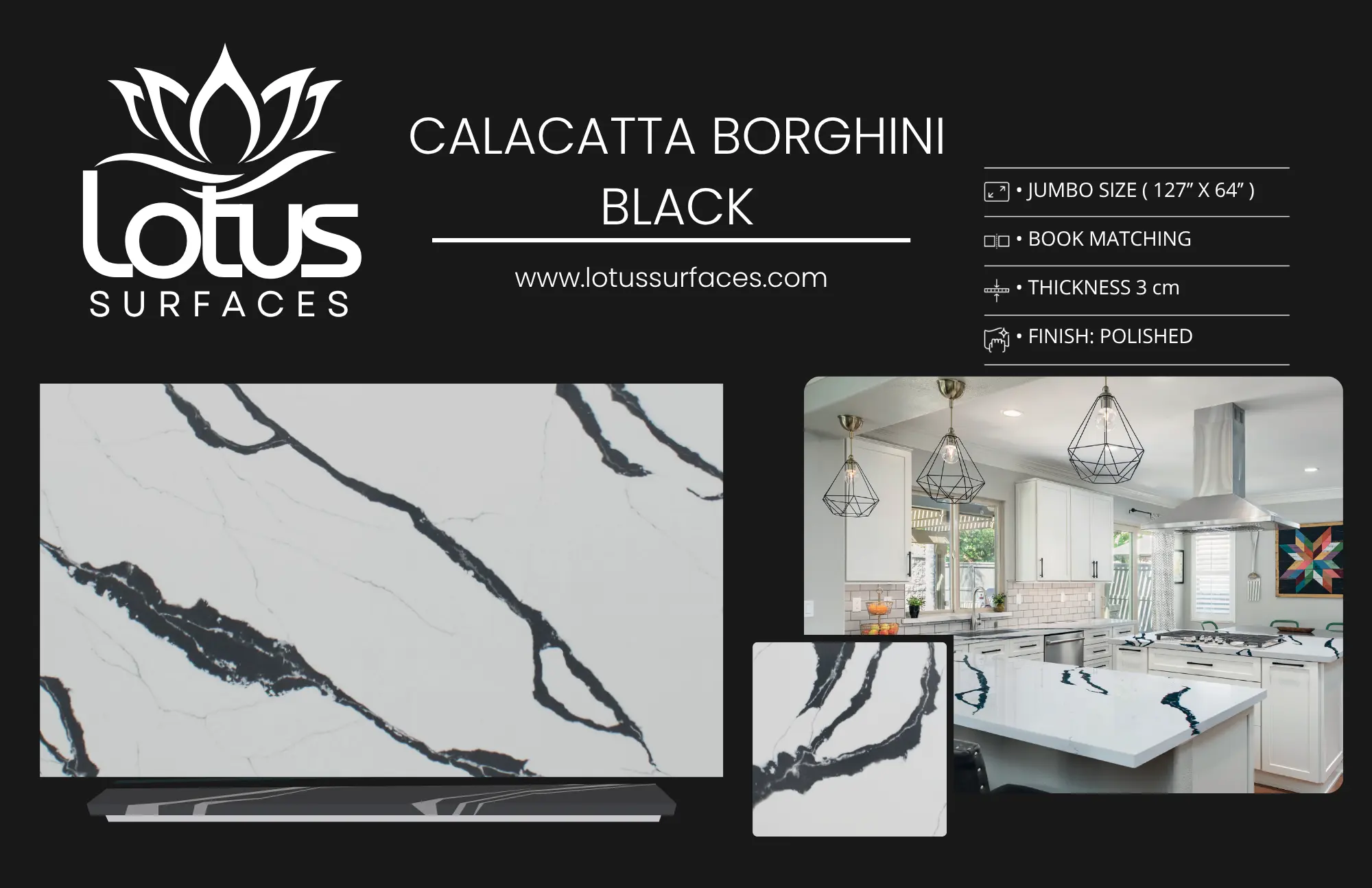
Cabinet quality directly affects countertop installation. Stone is unforgiving: a quartz or granite top spans cabinets in long, rigid pieces, so boxes must be level and consistent in depth. Custom cabinets are typically installed dead level as part of the service; carefully assembled RTA boxes can reach the same standard, but rushed assembly is the most common cause of countertop shimming and visible reveal lines. If you are pairing new cabinets with stone, plan the countertop selection and cabinet decision together.
Timeline and Logistics in the Atlanta Market
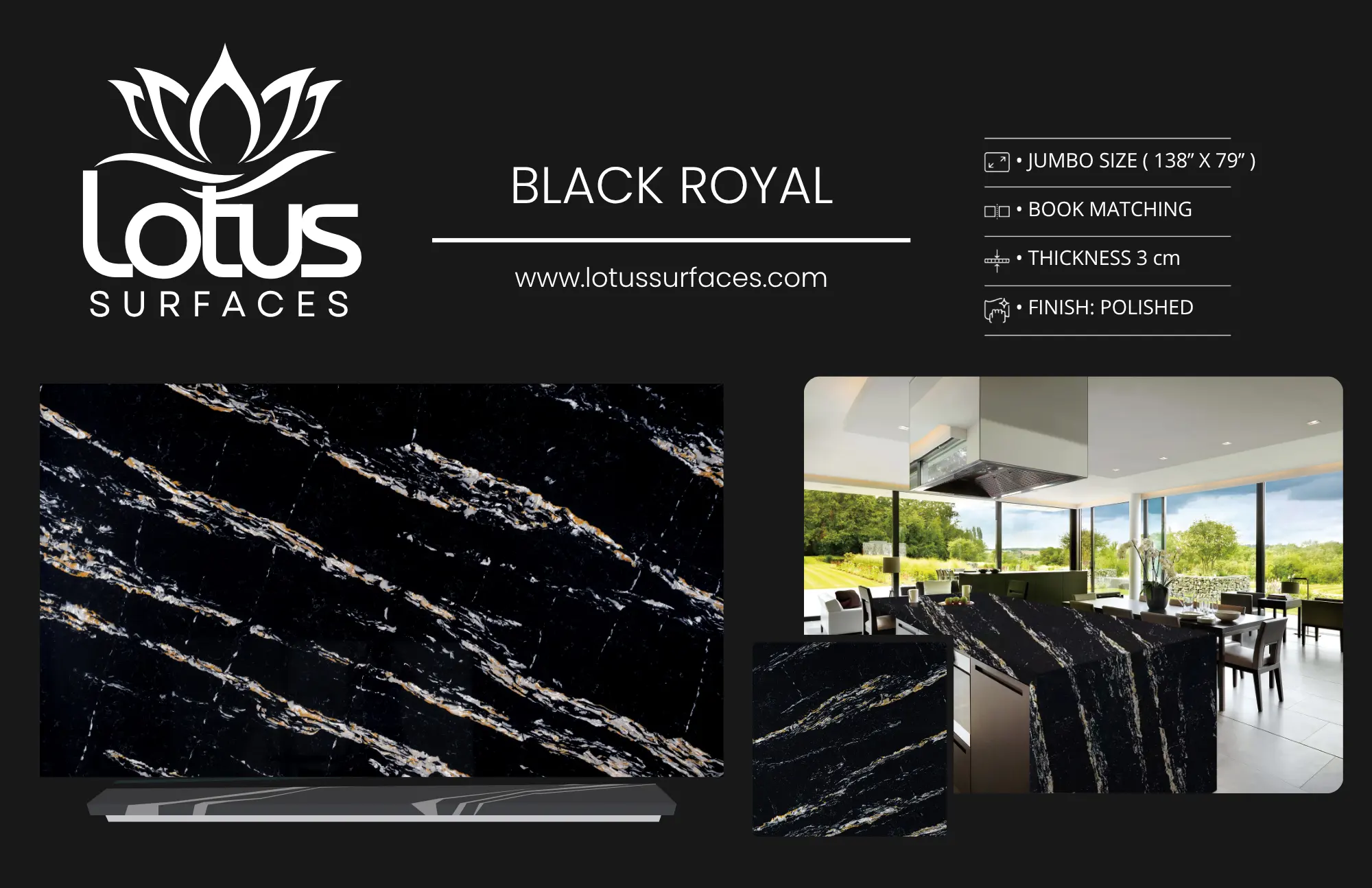
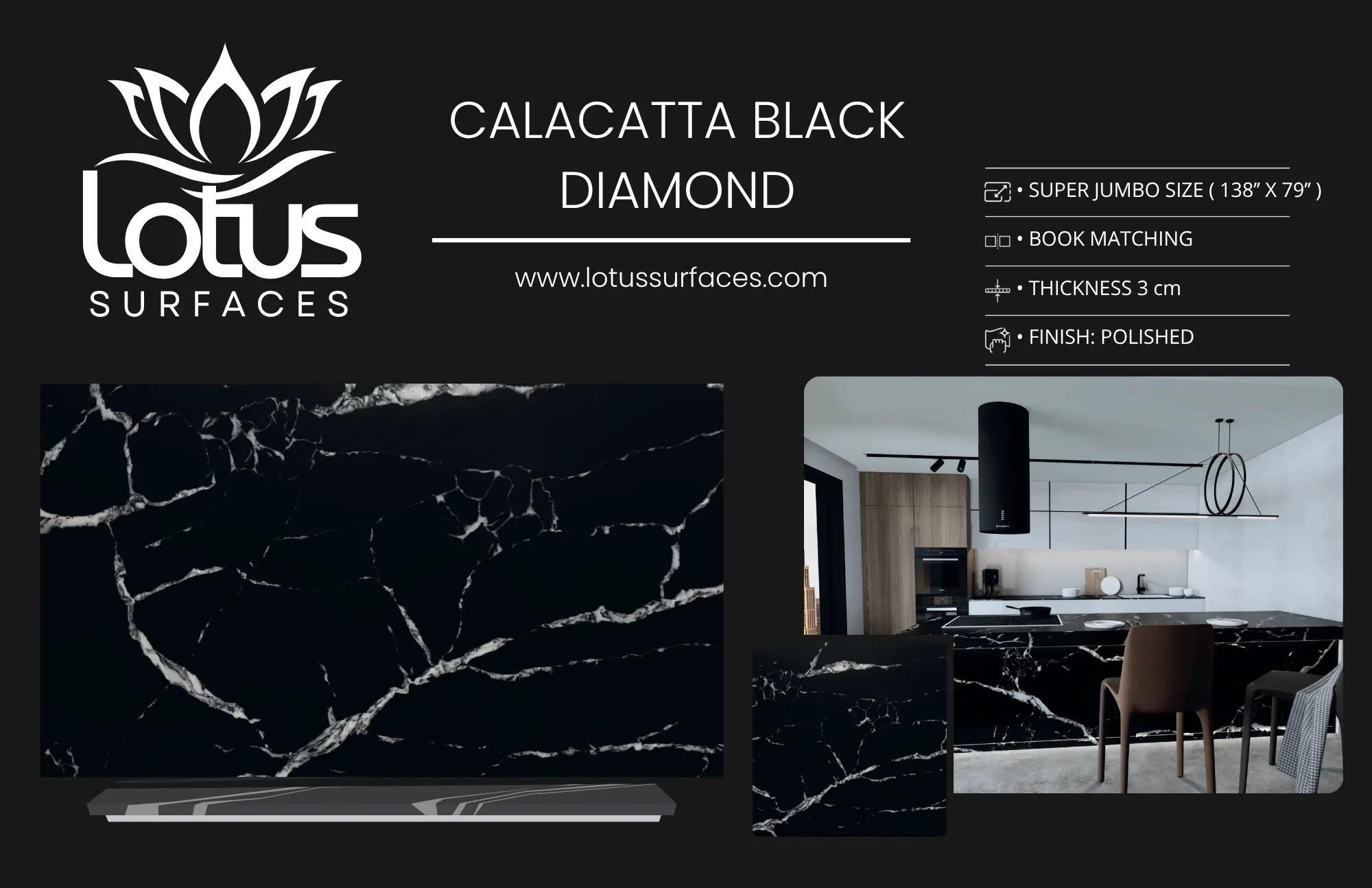
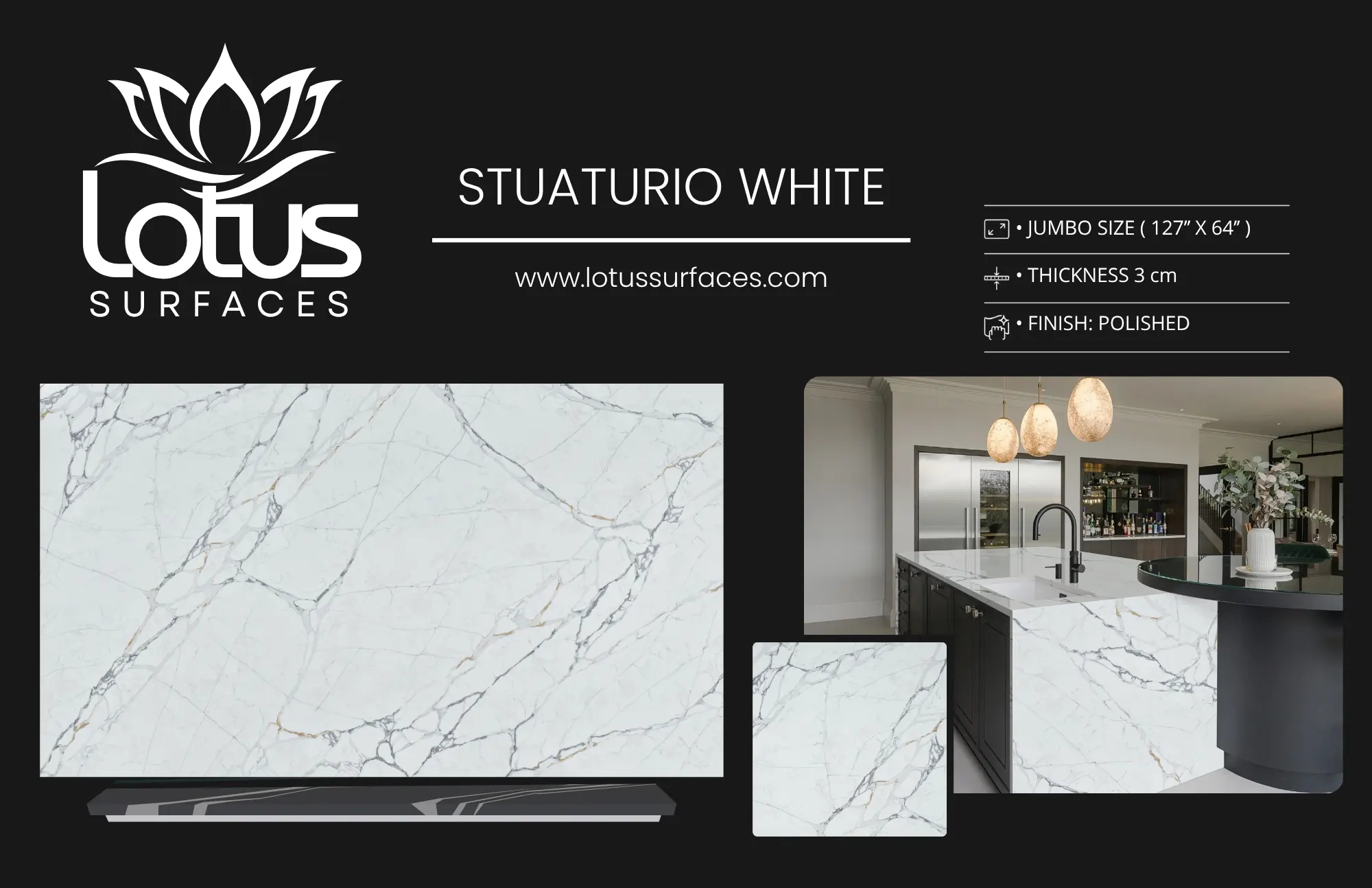
RTA is usually the faster path: in-stock lines ship in days. Custom runs on a production schedule measured in weeks. For phased remodels, some homeowners mix the two – custom for the visible perimeter, RTA for a pantry or laundry area. A local showroom visit helps you compare door samples side by side; our Norcross showroom displays cabinet doors alongside full stone slabs so the pairing can be judged in person.
Decision Checklist
- Walls and layout: out-of-square rooms and non-standard runs favor custom.
- Timeline: tight schedules favor in-stock RTA lines.
- Countertop plans: heavy stone tops need level, consistent boxes – whichever route you choose, installation quality is the deciding factor.
- Resale horizon: longer stays justify custom’s fit and finish.
FAQs
Are RTA cabinets strong enough for granite or quartz countertops?
Well-assembled plywood RTA boxes support stone countertops without issue. The key is assembly quality and leveling: stone spans multiple cabinets, so the boxes must form a flat, continuous plane.
Do custom cabinets take longer than RTA?
Generally yes. RTA lines ship from stock within days, while custom cabinetry follows a production schedule measured in weeks. Phased projects sometimes combine both.
Can I mix RTA and custom cabinets in one kitchen?
Yes – a common approach uses custom boxes for the visible perimeter and island, with RTA in pantries or utility areas. Matching door styles and finishes across both is the main design consideration.
What should I bring to a cabinet showroom visit?
A rough sketch with wall measurements, photos of the space, and samples of your flooring or countertop preference. Seeing door styles next to full stone slabs makes the pairing decision much easier.