
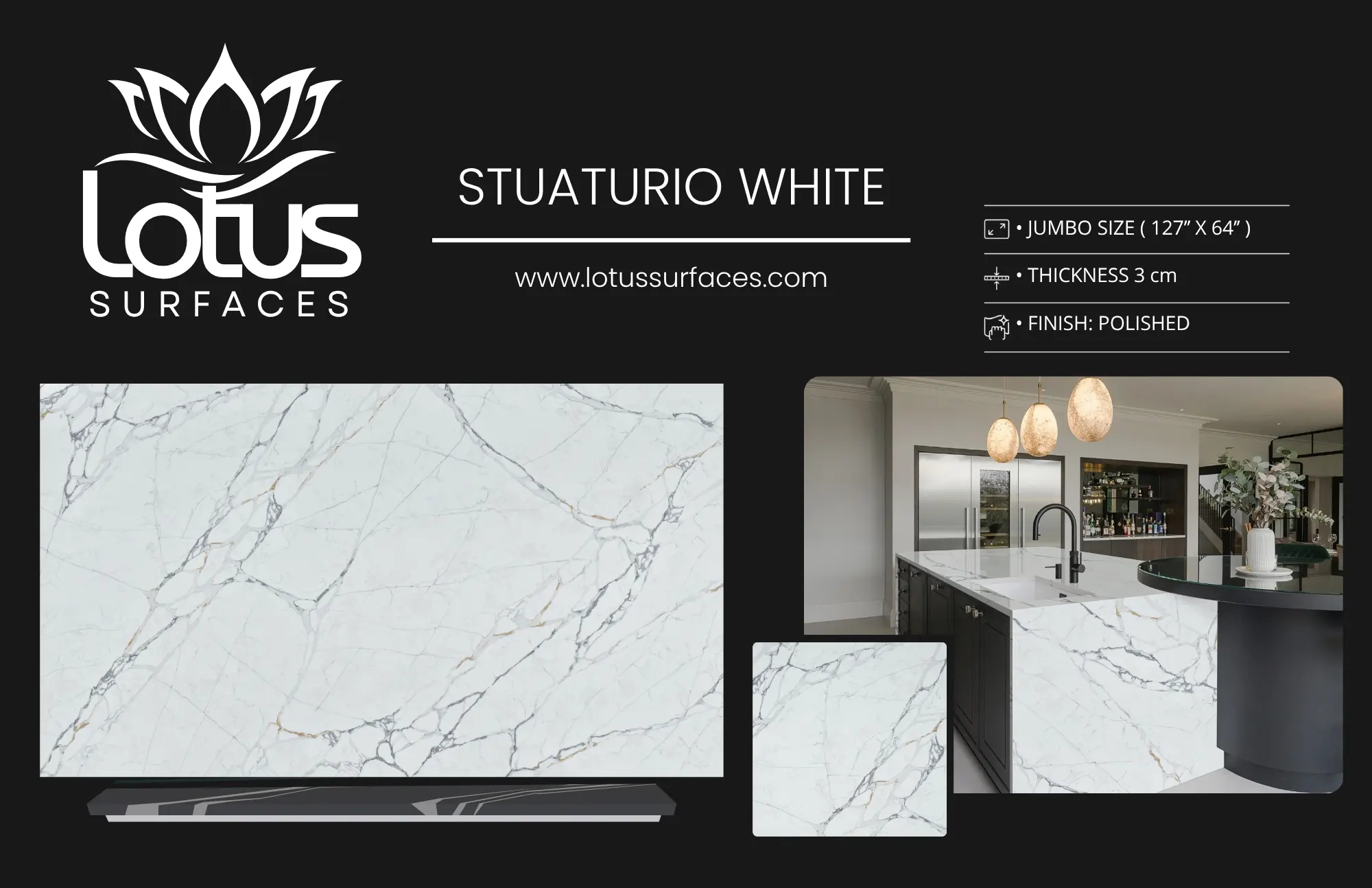
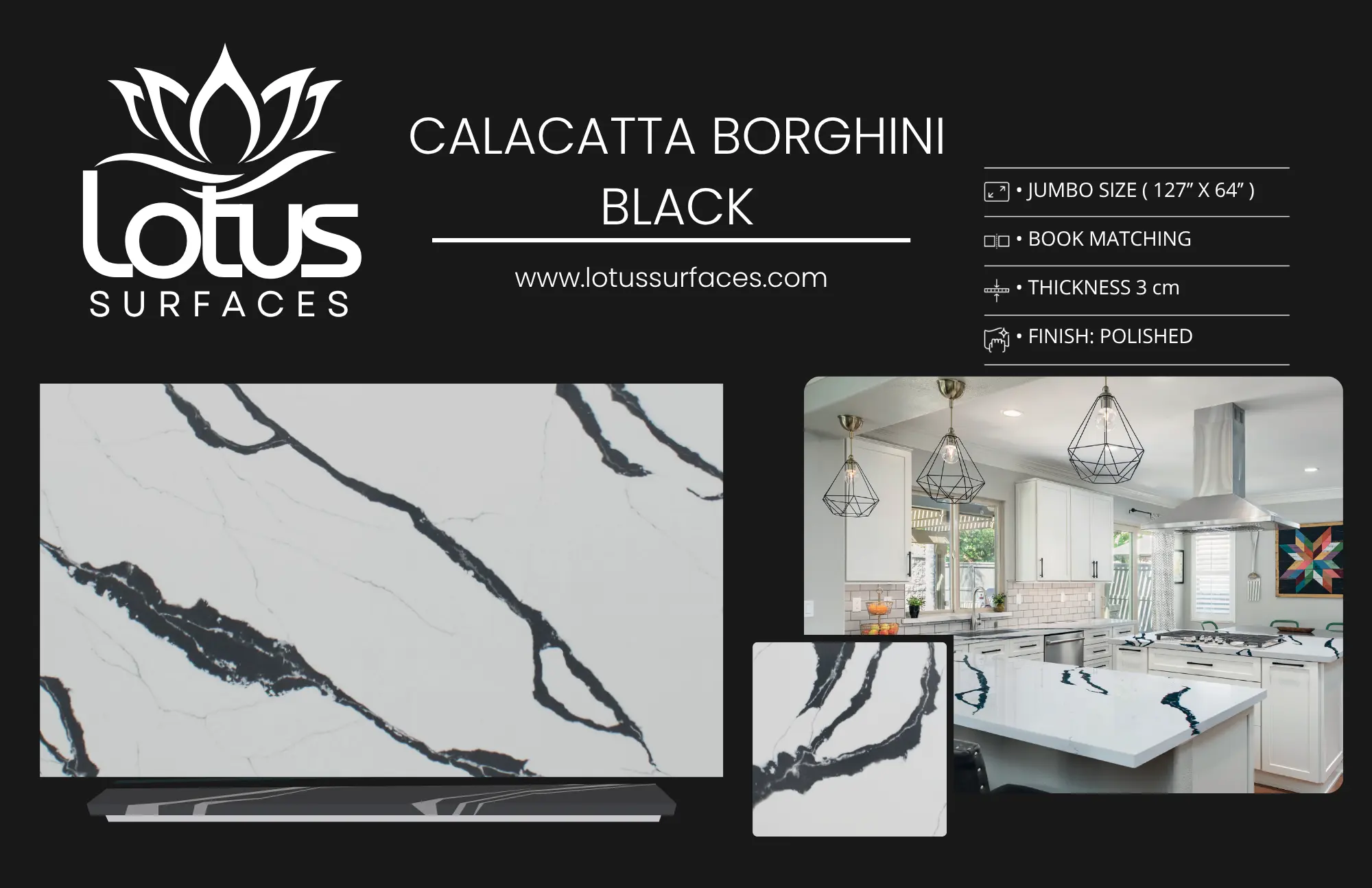
Designing a Kitchen Island: Your Ultimate Workspace and Social Hub
The kitchen is often considered the heart of the home, a place where culinary creativity flourishes and family bonds strengthen. In today’s modern homes, the kitchen island has evolved into a multifunctional centerpiece that serves both as a workspace and a social hub. Understanding how to design a kitchen island that effectively meets these dual purposes can enhance the overall functionality and aesthetic appeal of your kitchen. In this comprehensive guide, we will explore the essential elements to consider when designing a kitchen island, ensuring it becomes a valuable asset in your home.
Understanding the Purpose of Your Kitchen Island
Before diving into the design process, it’s crucial to identify the primary purpose your kitchen island will serve. Is it primarily a workspace for cooking and meal prep, or do you envision it as a social gathering spot for family and friends? Many homeowners find that their kitchen islands serve both functions, making it essential to strike a balance between practicality and aesthetics.
Consider the following questions:
- How often do you cook and prepare meals at home?
- Do you frequently entertain guests in your kitchen?
- What specific activities do you envision taking place at your island?
By answering these questions, you can tailor your design to ensure your kitchen island meets your specific needs. For example, if you often cook elaborate meals, you might prioritize features that enhance meal prep efficiency, such as ample counter space and integrated appliances.
Key Design Elements for a Functional Kitchen Island
Once you’ve established the purpose of your kitchen island, the next step is to consider the key design elements that will contribute to its functionality.
Size and Shape
The size and shape of your kitchen island should complement the overall layout of your kitchen. A larger island can provide more workspace and seating, while a smaller island may be better suited for compact kitchens. Common shapes include:
- Rectangular: Ideal for longer, narrow kitchens, offering ample counter space.
- Square: Perfect for providing an equal amount of workspace and seating.
- Round: Encourages social interaction and is excellent for smaller spaces.
When measuring for your kitchen island, allow for at least 42-48 inches of clearance around all sides to ensure easy movement.
Height
Standard kitchen island height is typically 36 inches, which aligns with standard countertop height. However, if you plan to incorporate seating, consider a raised countertop or bar height (42 inches) for a more casual dining experience. Ensure that the height aligns with your overall kitchen design and meets the needs of your family.
Seating Options
Incorporating seating into your kitchen island design can enhance its social aspect. Consider the following seating arrangements:
- Counter stools: Ideal for casual dining and socializing.
- Built-in benches: Perfect for larger families or entertaining a crowd.
- Integrated appliances: If your island includes a cooktop or sink, ensure seating is positioned away from heat and splashes.
Storage Solutions
Maximizing storage within your kitchen island can greatly enhance its functionality. Consider incorporating:
- Cabinets: For storing pots, pans, and kitchen gadgets.
- Drawers: Ideal for utensils and smaller items.
- Open shelves: Perfect for displaying cookbooks or decorative items.
Choosing the Right Materials
The materials you choose for your kitchen island can significantly impact its durability and aesthetic appeal. Consider the following options:
Countertops
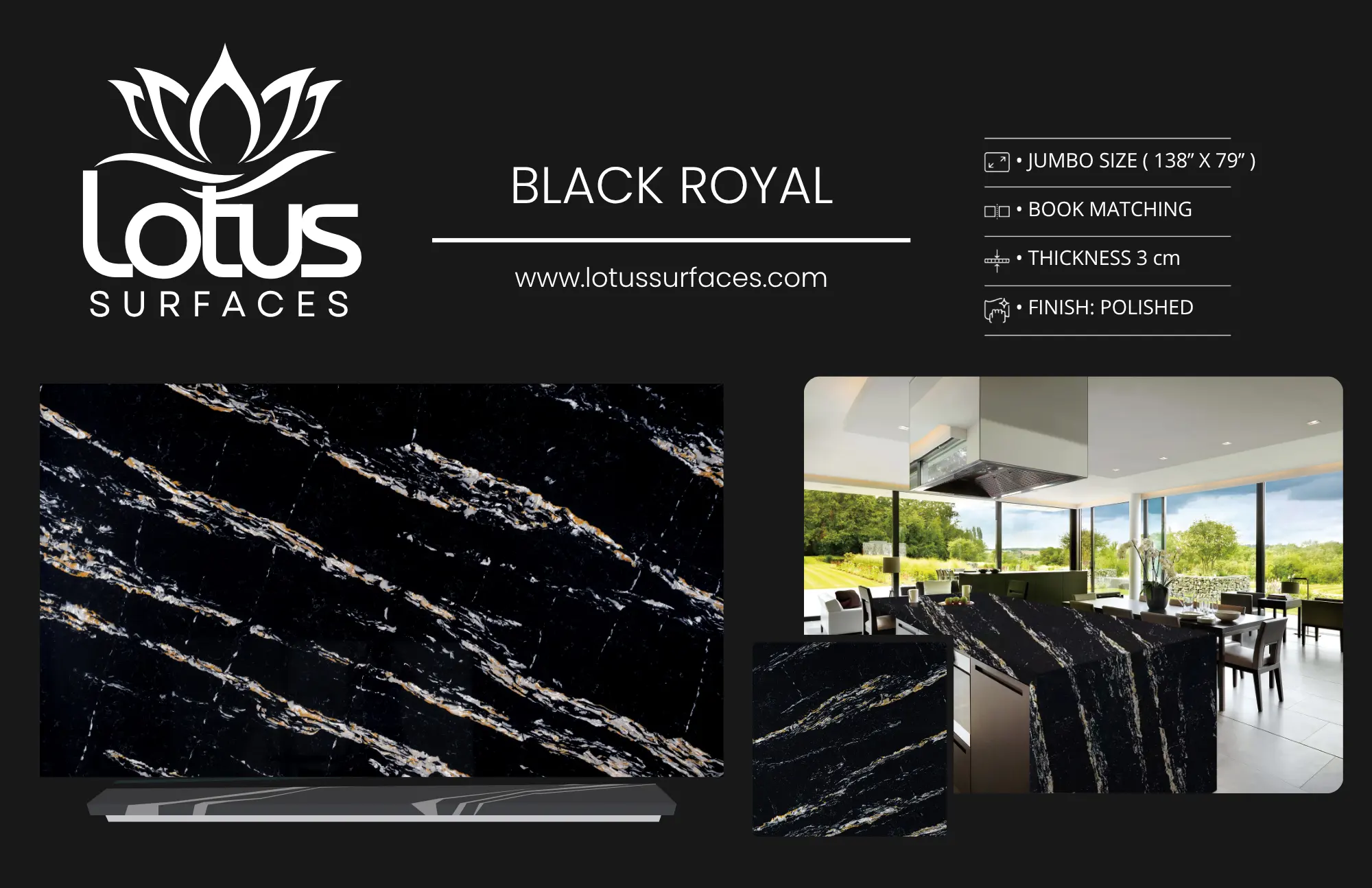
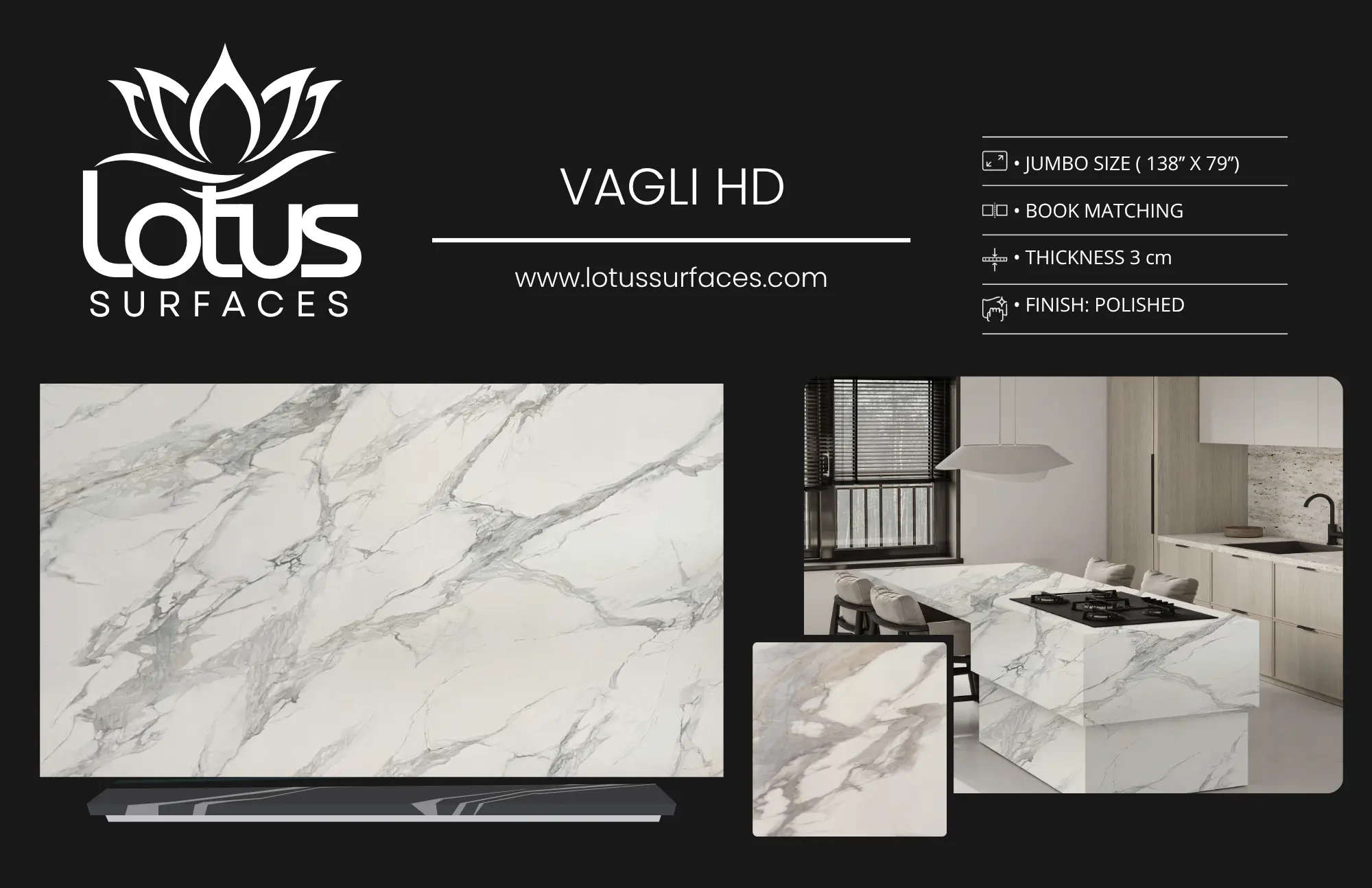
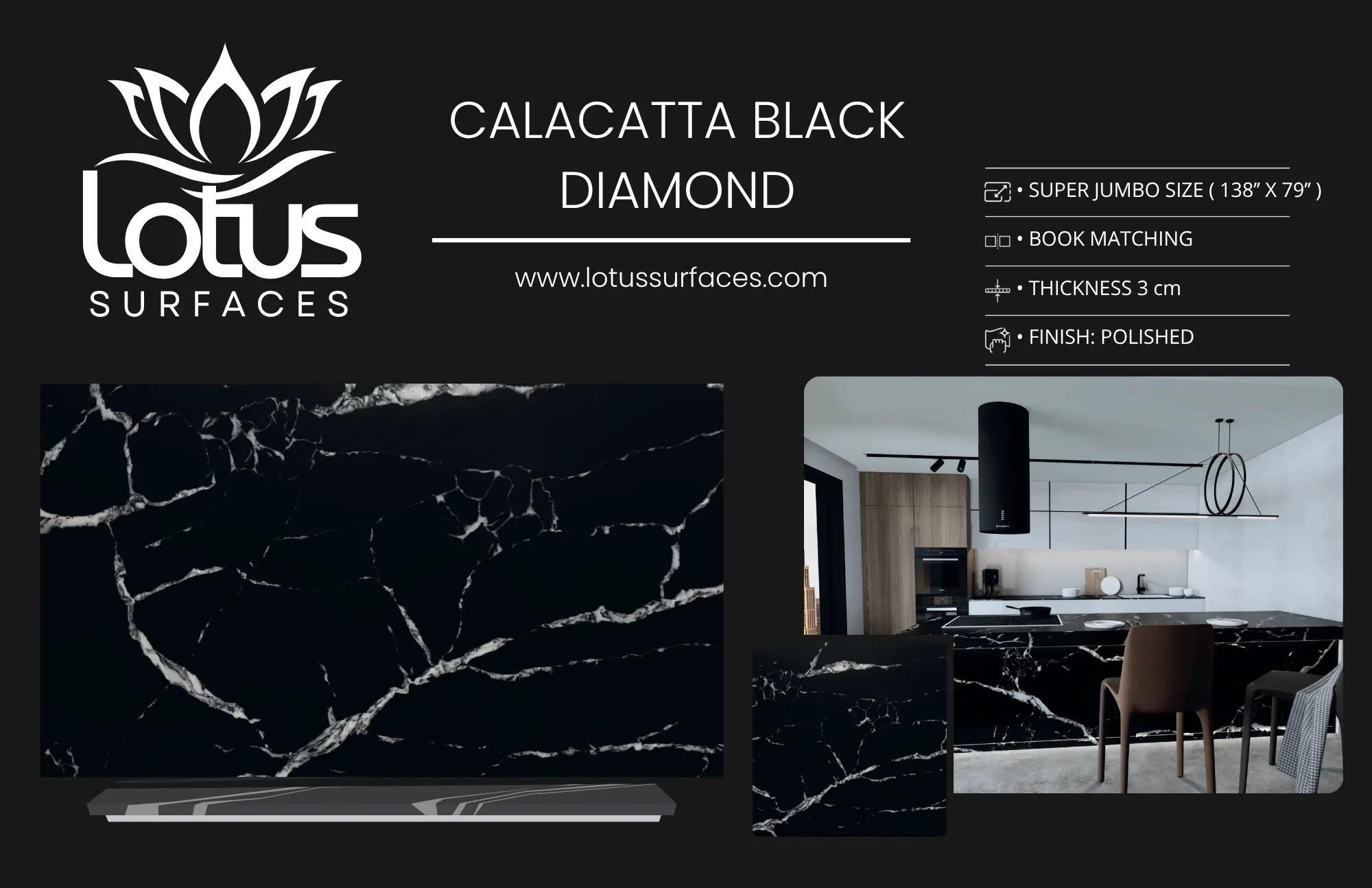
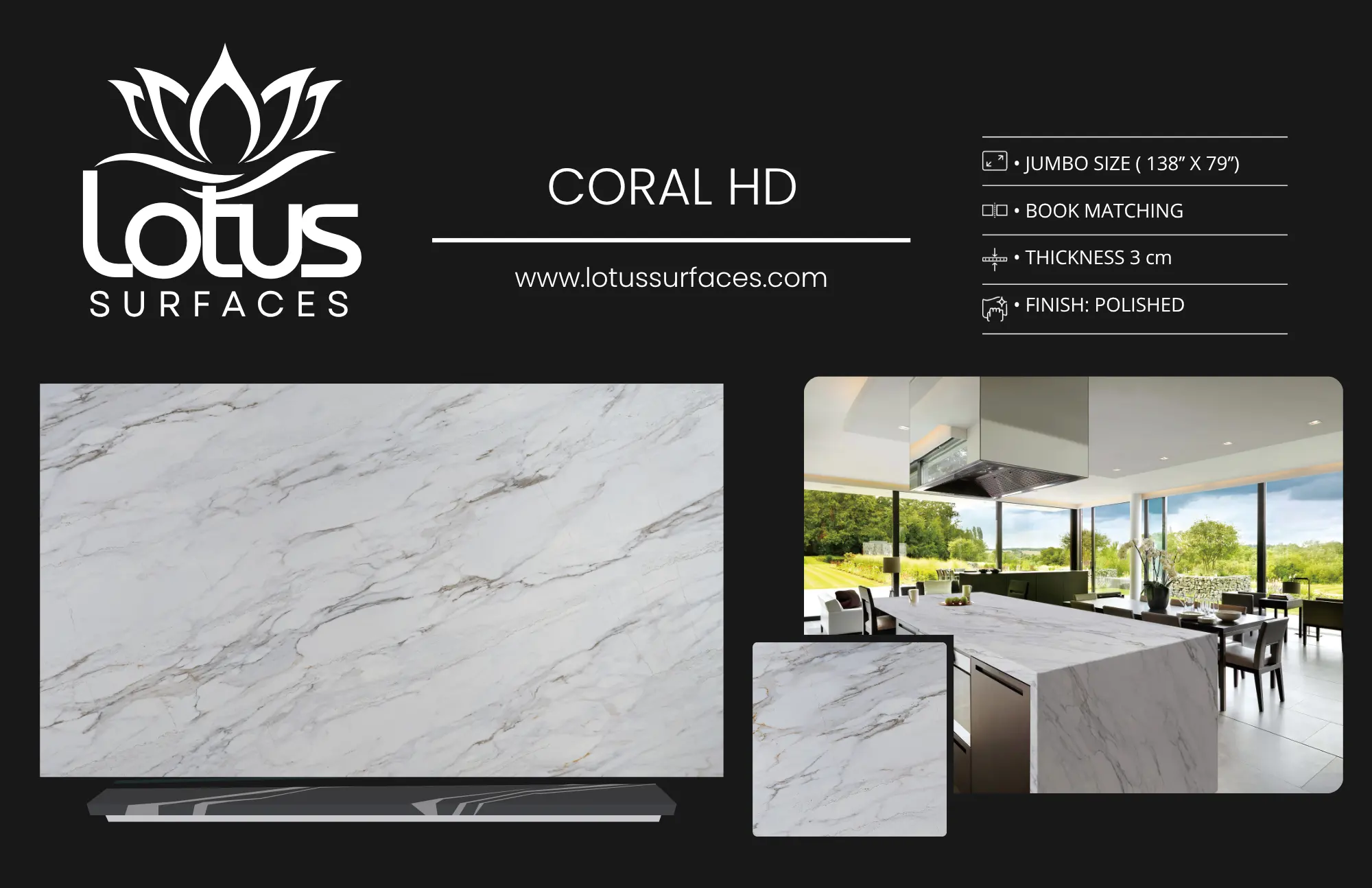
When selecting a countertop material, prioritize durability and ease of maintenance. Popular options include:
| Material | Durability | Maintenance | Cost |
|---|---|---|---|
| Granite | High | Requires sealing | $$$ |
| Quartz | High | Low | $$$ |
| Porcelain | Medium | Low | $$ |
| Butcher Block | Medium | Requires oiling | $$ |
Granite and quartz are often favored for their durability and aesthetic variety. For a more rustic look, butcher block can provide warmth and character.
Base Materials
For the base of your kitchen island, consider materials that complement your kitchen’s overall design. Wood, metal, and laminate are popular choices:
- Wood: Offers warmth and can be stained or painted to match your decor.
- Metal: Provides a modern, industrial look and is highly durable.
- Laminate: Cost-effective and available in various colors and patterns.
Incorporating Technology into Your Island Design
As kitchens become more technologically advanced, consider integrating smart technology into your kitchen island design. Features to consider include:
- Smart appliances: Incorporate smart ovens, refrigerators, or dishwashers that can be controlled via your smartphone.
- Charging stations: Install USB ports or electrical outlets for charging devices.
- Integrated speakers: Enhance the social aspect by incorporating Bluetooth speakers or sound systems.
Maximizing Space and Storage
Efficient storage solutions are crucial for keeping your kitchen organized and functional. Here are some tips for maximizing space:
Utilize Vertical Space
Incorporate vertical storage solutions, such as shelves or cabinets above the island, to keep your kitchen organized without sacrificing floor space.
Implement Pull-out Features
Pull-out drawers or shelves can make accessing items easier and keep your island clutter-free.
Hidden Storage
Consider incorporating hidden storage solutions, such as a concealed trash bin or recycling area, to maintain a clean and tidy appearance.
Creating a Social Atmosphere
To transform your kitchen island into a social hub, focus on elements that encourage interaction and comfort:
Lighting
Proper lighting is essential for creating an inviting atmosphere. Consider:
- Pendant lights: Hang stylish pendant lights above the island to provide adequate task lighting.
- Dimmer switches: Install dimmer switches to adjust lighting according to the mood.
Decorative Elements
Incorporate decorative elements, such as artwork or plants, to add personality and warmth to your kitchen island.
Comfortable Seating
Ensure seating is comfortable and inviting. Opt for cushioned stools or benches to encourage guests to linger.
Tips for Customizing Your Kitchen Island
Customization is key to creating a kitchen island that reflects your personal style and meets your functional needs. Here are some tips:
Color Schemes
Select a color scheme that complements your kitchen’s overall design. Consider contrasting colors for the island to create a focal point.
Unique Features
Incorporate unique features, such as a built-in wine fridge, a cooktop, or a sink, to enhance functionality.
Personal Touches
Add personal touches, such as family photos or heirlooms, to make your kitchen island feel like home.
Conclusion
Designing a kitchen island that serves as both a workspace and a social hub requires thoughtful planning and consideration of various elements. By focusing on functionality, aesthetics, and personalization, you can create a kitchen island that enhances your cooking experience while fostering social connections. Whether you’re in Norcross, Atlanta, or anywhere in the Greater Atlanta Metro Area, our team at Lotus Surfaces is here to help you with your kitchen renovation needs. Contact us today to explore our premium selection of countertop materials and receive professional guidance on your kitchen island design!
FAQs
What is the ideal size for a kitchen island?
The ideal size for a kitchen island depends on your kitchen layout, but generally, it should be at least 4 feet long and 2 feet wide. Ensure there’s at least 42-48 inches of clearance around the island.
How can I maximize storage in my kitchen island?
Incorporate cabinets, drawers, and open shelves to maximize storage. Consider pull-out features for easy access to items.
What countertop material is best for a kitchen island?
Granite and quartz are popular choices due to their durability and low maintenance. Butcher block offers a warm, rustic look.
Can I include seating at my kitchen island?
Yes! Incorporating seating encourages social interaction. Consider counter stools or built-in benches for a comfortable dining experience.
How do I create a social atmosphere around my kitchen island?
Use proper lighting, comfortable seating, and decorative elements to create an inviting atmosphere that encourages socializing.
What features can I add to make my kitchen island more functional?
Consider adding a cooktop, sink, or built-in appliances to enhance functionality. Pull-out drawers and hidden storage can also help maintain an organized space.
How can I customize my kitchen island?
Customize your kitchen island with unique features, color schemes, and personal touches that reflect your style and meet your functional needs.
What are the benefits of having a kitchen island?
A kitchen island provides additional workspace, storage, and seating while enhancing the overall aesthetic of your kitchen.
