
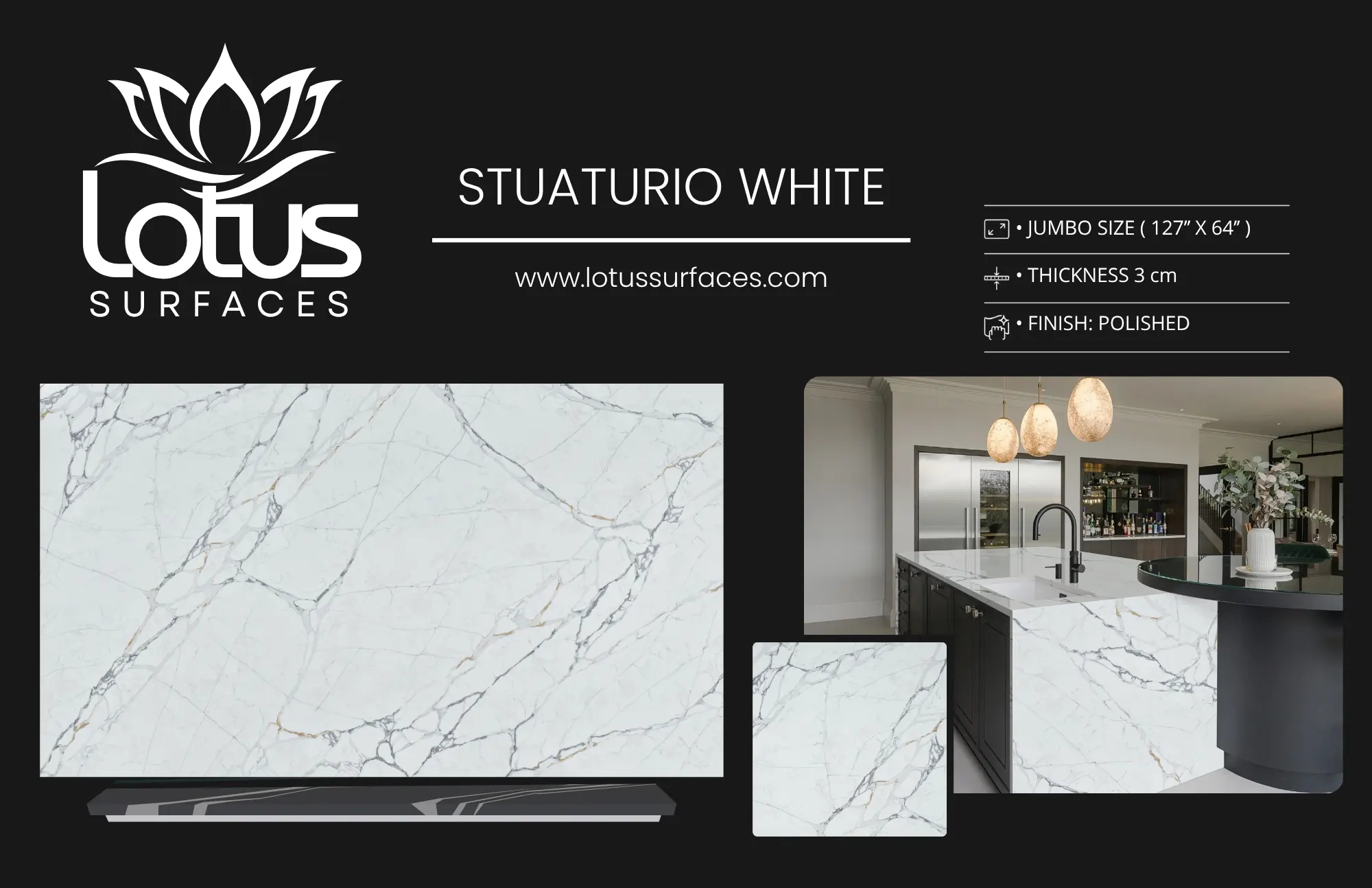
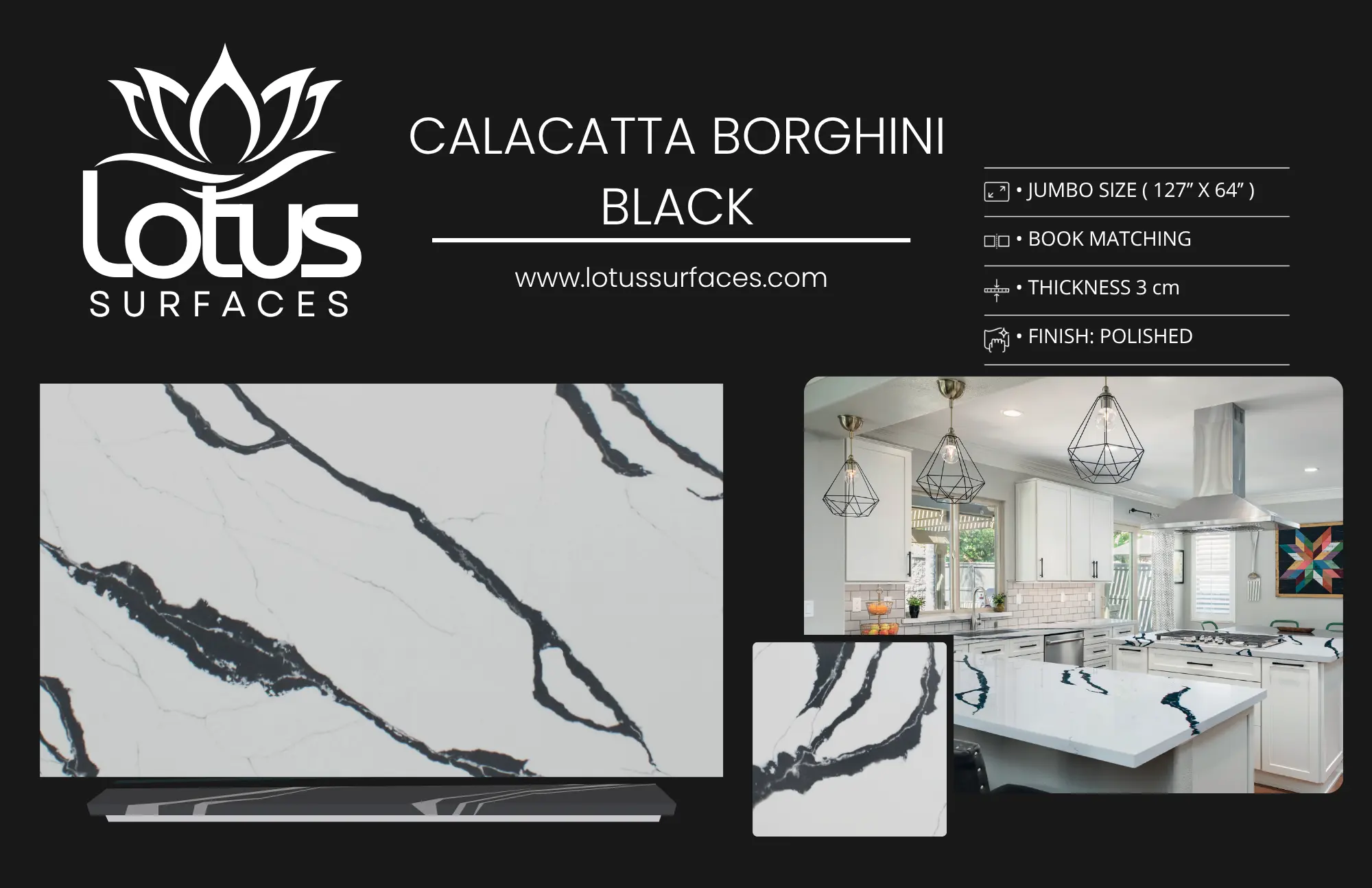
How to Mix Countertop Materials in One Kitchen for a Designer-Curated Look
Creating a kitchen that embodies both functionality and aesthetic appeal can be a delightful challenge for homeowners. One of the most effective ways to achieve a designer-curated look is by mixing countertop materials. This approach not only enhances the visual interest of your space but also allows you to leverage the unique properties of different materials for specific areas in your kitchen. In this comprehensive guide, we will explore how to mix countertop materials effectively, focusing on various combinations, practical tips, and design principles that ensure a cohesive and stylish kitchen. Whether you’re considering quartz countertops in Norcross, GA, or granite fabricators in Atlanta, this article will provide you with the expertise needed to create the kitchen of your dreams.
1. Understanding Countertop Materials
The first step in mixing countertop materials is understanding the different types available. Each material has its unique characteristics, advantages, and aesthetic qualities. Here are some of the most popular options:
- Quartz: Engineered stone that offers durability and a wide range of colors and patterns. It is non-porous, making it resistant to stains and bacteria.
- Granite: A natural stone known for its beauty and uniqueness. Each slab is one-of-a-kind, and it offers excellent durability and heat resistance.
- Porcelain: A highly durable material that is resistant to scratches and stains. It can mimic the look of natural stone while being lighter and less porous.
- Marble: Renowned for its elegance, marble is softer than granite and more prone to scratches and stains but offers a timeless aesthetic.
- Soapstone: A softer natural stone that is heat-resistant and easy to maintain, making it ideal for kitchen use.
Understanding these materials will help you choose the right combinations for your kitchen design, ensuring that both aesthetics and functionality are prioritized.
2. Benefits of Mixing Countertop Materials
Mixing countertop materials can elevate your kitchen design in various ways:
- Visual Interest: Combining different textures and colors creates a dynamic and engaging visual experience.
- Functional Advantages: Different materials may serve better for specific tasks, such as using a durable surface for food preparation and a more elegant one for aesthetics.
- Personalization: Mixing materials allows homeowners to express their unique style, making the kitchen a reflection of their personality.
- Enhanced Value: A well-designed kitchen with mixed materials can increase the overall value of your home, appealing to potential buyers.
3. Popular Combinations for Mixing Countertop Materials
When considering how to mix countertop materials, here are some popular combinations to inspire your kitchen design:
3.1 Quartz and Granite
Using quartz for the main countertop surface and granite for an island or accent area can create a stunning contrast. The durability of quartz complements the unique patterns of granite, making it a popular choice for many homeowners.
3.2 Porcelain and Marble
For a luxurious feel, combining porcelain with marble can yield a sophisticated look. Porcelain can be used for high-traffic areas, while marble can serve as an elegant accent.
3.3 Soapstone and Wood
Mixing soapstone with wooden countertops creates a warm and inviting atmosphere. The soft feel of soapstone pairs beautifully with the natural texture of wood.
3.4 Quartz and Laminates
Using quartz for the primary workspace and laminates for cabinetry or decorative elements can provide a budget-friendly yet stylish solution.
4. Tips for a Cohesive Design
To achieve a designer-curated look when mixing countertop materials, consider the following tips:
- Color Coordination: Choose materials that complement each other in color. A cohesive palette will create a seamless flow in your kitchen.
- Texture Balance: Mix textures thoughtfully. Pairing a smooth quartz with a textured granite can add depth to your design.
- Functional Zones: Designate specific areas for each material based on function. For example, use durable materials for areas prone to spills and scratches.
- Consistent Edges: Ensure that the edges of different materials are treated consistently to avoid visual disruptions.
5. Practical Considerations When Mixing Materials
While mixing countertop materials can enhance your kitchen’s design, it’s essential to consider practical aspects:
- Weight and Support: Some materials, like granite, are heavier and may require additional support or reinforcement.
- Seam Placement: Plan your seams carefully to ensure they are less visible and strategically placed to enhance the overall look.
- Budget: Mixing materials can vary in cost. Ensure that your choices align with your budget while still achieving the desired aesthetic.
- Installation Challenges: Different materials may have specific installation requirements. Consult with professionals to ensure proper installation.
6. Expert Insights and Case Studies
To further illustrate the effectiveness of mixing countertop materials, let’s explore a few case studies from homeowners in the Greater Atlanta area:
6.1 Case Study: A Modern Farmhouse Kitchen
A homeowner in Alpharetta opted for a combination of white quartz for the main countertops and reclaimed wood for the island. The result was a stunning modern farmhouse aesthetic that balanced elegance with rustic charm.
6.2 Case Study: A Contemporary Urban Kitchen
In a downtown Atlanta condo, the kitchen featured sleek black granite countertops paired with a white porcelain backsplash. This combination created a striking modern look that maximized space and light.
7. Maintenance Tips for Mixed Materials
Maintaining mixed countertop materials requires understanding the care needs of each type:
- Quartz: Clean with mild soap and water; avoid harsh chemicals.
- Granite: Seal regularly to prevent staining; clean with a pH-balanced cleaner.
- Porcelain: Use non-abrasive cleaners to maintain its finish.
- Marble: Avoid acidic cleaners; use a soft cloth for cleaning.
8. Frequently Asked Questions
What are the best countertop materials to mix?
The best countertop materials to mix include quartz, granite, porcelain, and marble. These materials offer a balance of durability and aesthetic appeal.
How do I choose the right materials for my kitchen?
Consider your kitchen’s style, the functionality of each material, and how they will complement each other. Consulting with a professional can also provide valuable insights.
Can I mix different colors of countertops?
Yes, mixing different colors can add visual interest. Just ensure that the colors complement each other and fit within your overall color scheme.
What are the maintenance needs for mixed materials?
Maintenance needs vary by material. Generally, quartz is low-maintenance, while granite and marble require regular sealing and careful cleaning.
What is the most durable countertop material?
Quartz and granite are among the most durable countertop materials, resistant to scratches and heat.
How can I ensure a seamless look when mixing materials?
Focus on color coordination, texture balance, and consistent edge treatments to create a seamless transition between materials.
Is mixing materials more expensive?
Mixing materials can vary in cost depending on the types chosen. It’s important to plan your budget accordingly.
Can I mix countertop materials myself?
While you can choose the materials yourself, professional installation is recommended to ensure proper fitting and aesthetics.
Conclusion
Mixing countertop materials in your kitchen can create a designer-curated look that enhances both style and functionality. By understanding the unique properties of each material, the benefits of mixing, and practical design tips, you can achieve a cohesive and visually appealing space. Whether you choose quartz, granite, or porcelain, ensure that your selections reflect your personal style while considering maintenance and installation factors. For expert assistance, contact Lotus Surfaces, your trusted partner in countertop solutions in Norcross, GA.
