
The Complete Guide to Countertop Color Psychology and Kitchen Atmosphere
Choosing the right countertop color is more than just an aesthetic choice; it significantly impacts the atmosphere of your kitchen. Understanding color psychology can help you create a space that feels welcoming, energizing, or calming. In this comprehensive guide, we delve deep into the nuances of countertop color psychology and how it affects kitchen ambiance. Whether you’re planning a renovation or simply looking to refresh your kitchen, this guide will equip you with the insights you need to make informed decisions about your countertop selection. By the end of this article, you’ll understand how different colors influence mood and behavior, allowing you to create a kitchen that reflects your personality and meets your functional needs.
1. Understanding Color Psychology
Color psychology is the study of how colors affect human behavior and emotions. Different colors can evoke various feelings and associations, influencing everything from our mood to our decision-making processes. In interior design, particularly in spaces like kitchens where families gather, color plays a crucial role in shaping the atmosphere.
According to research by the Color Psychology Institute, colors can be classified into two categories: warm and cool. Warm colors like red, orange, and yellow are often associated with energy, warmth, and comfort, while cool colors such as blue, green, and purple tend to evoke calmness and tranquility.
2. The Impact of Color on Kitchen Atmosphere
The kitchen is often considered the heart of the home, where families gather, meals are prepared, and memories are created. The color of your countertops can significantly influence the atmosphere of this space. For example, warm colors can create a cozy, inviting environment, while cooler tones can promote a sense of serenity and cleanliness.
Furthermore, the choice of countertop color can affect the perceived size of the kitchen. Lighter colors can make a small kitchen feel more open and spacious, while darker shades can create a more intimate, cozy feel. Understanding these dynamics can help homeowners in the Greater Atlanta area, including Norcross and surrounding cities, make informed choices when selecting countertop materials for their kitchen renovations.
3. Popular Countertop Colors and Their Psychological Effects
When selecting countertops, it’s essential to consider not only the aesthetic appeal but also the psychological implications of your color choice. Below is a breakdown of popular countertop colors and their associated psychological effects:
| Countertop Color | Psychological Effect | Best Used In |
|---|---|---|
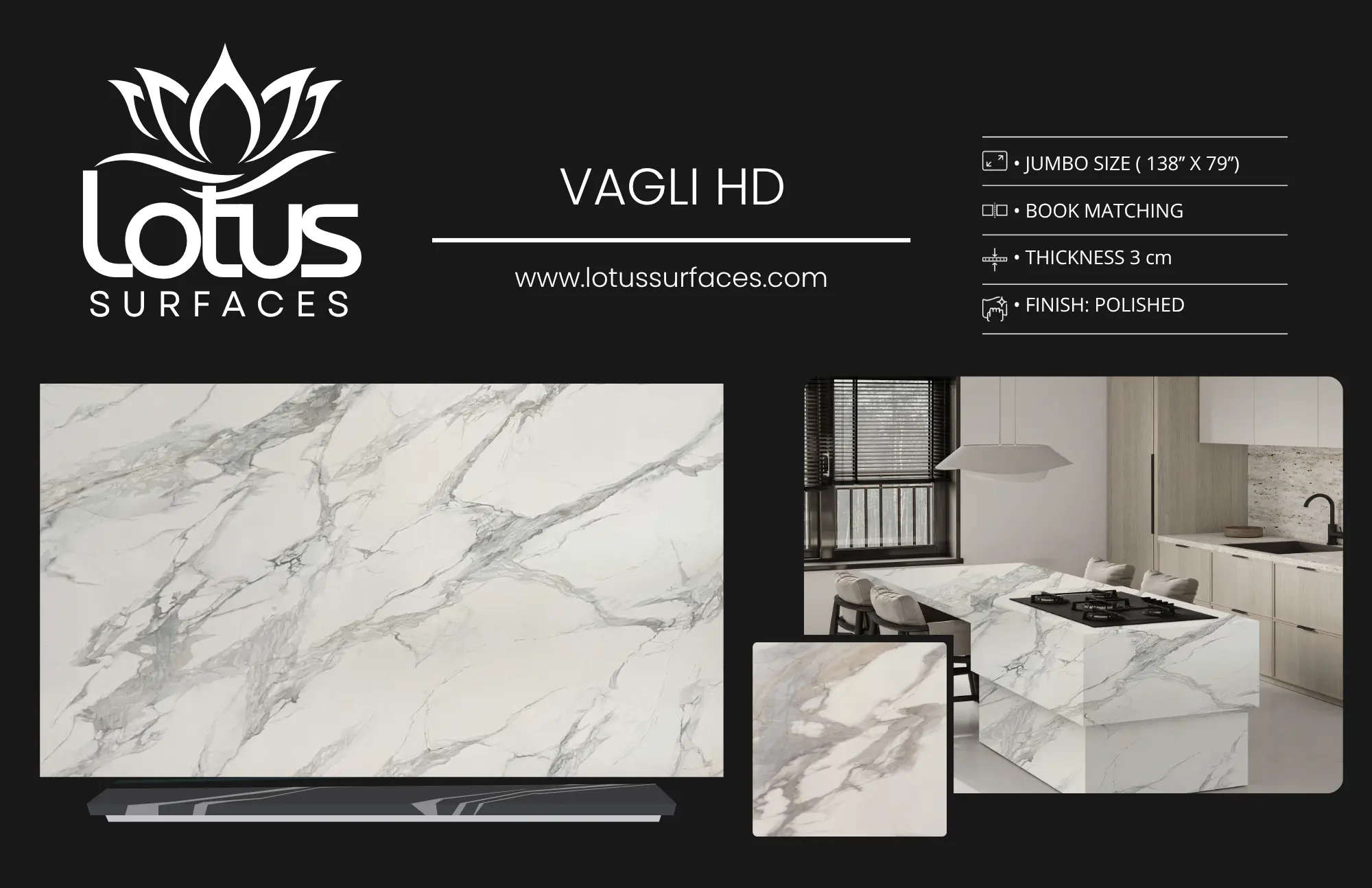
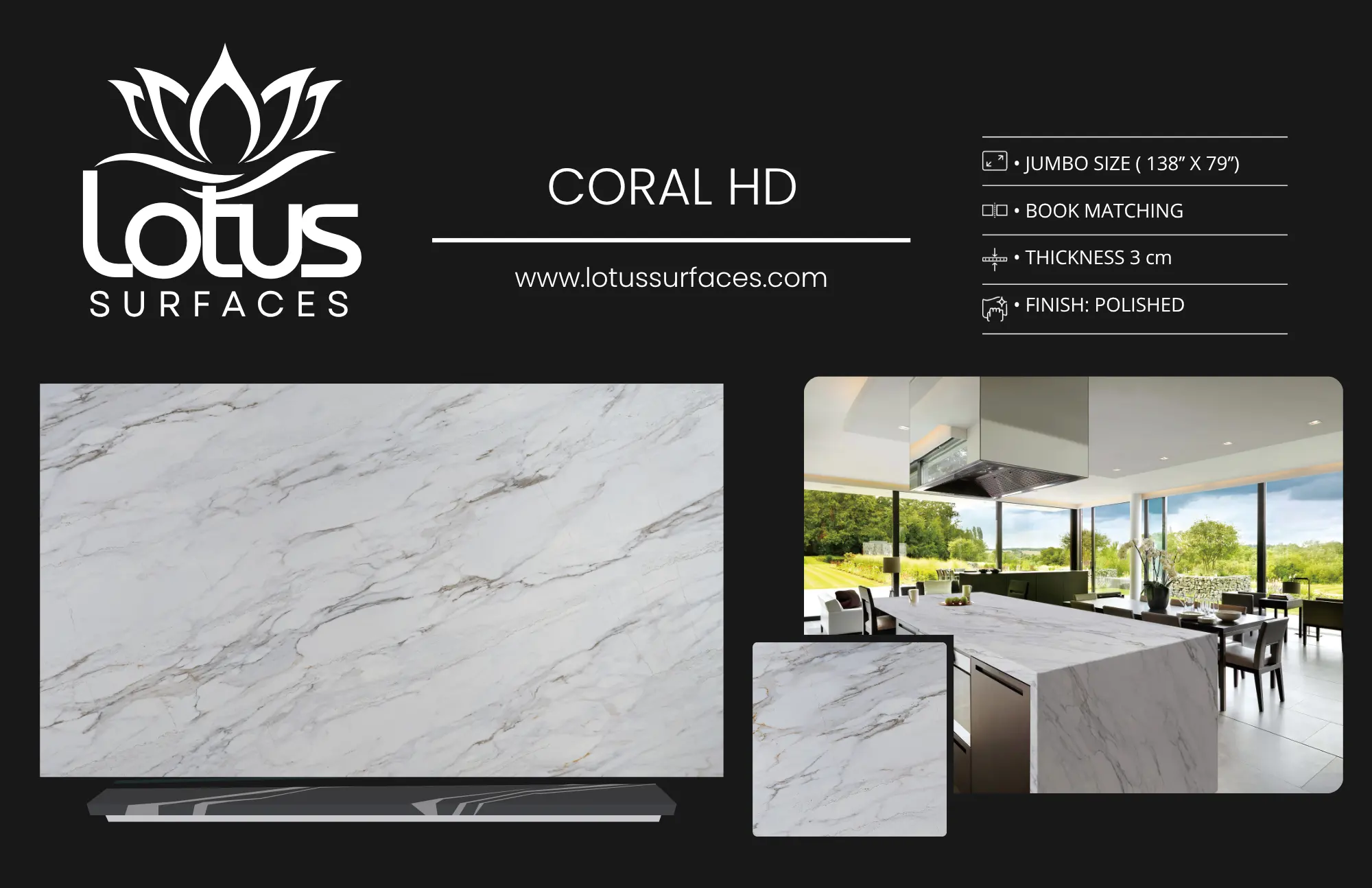
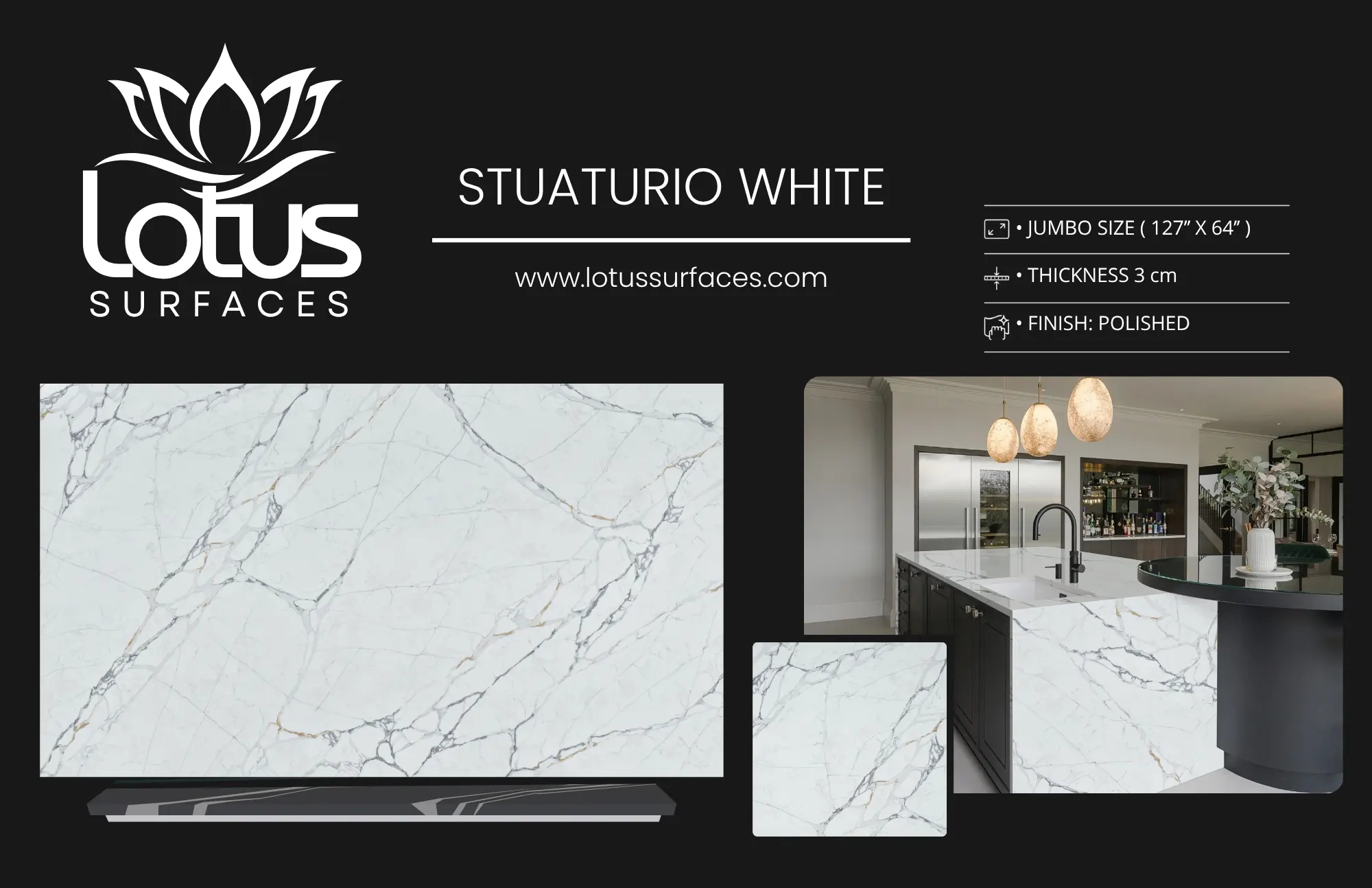
| White | Purity, cleanliness, simplicity | Small, modern kitchens |
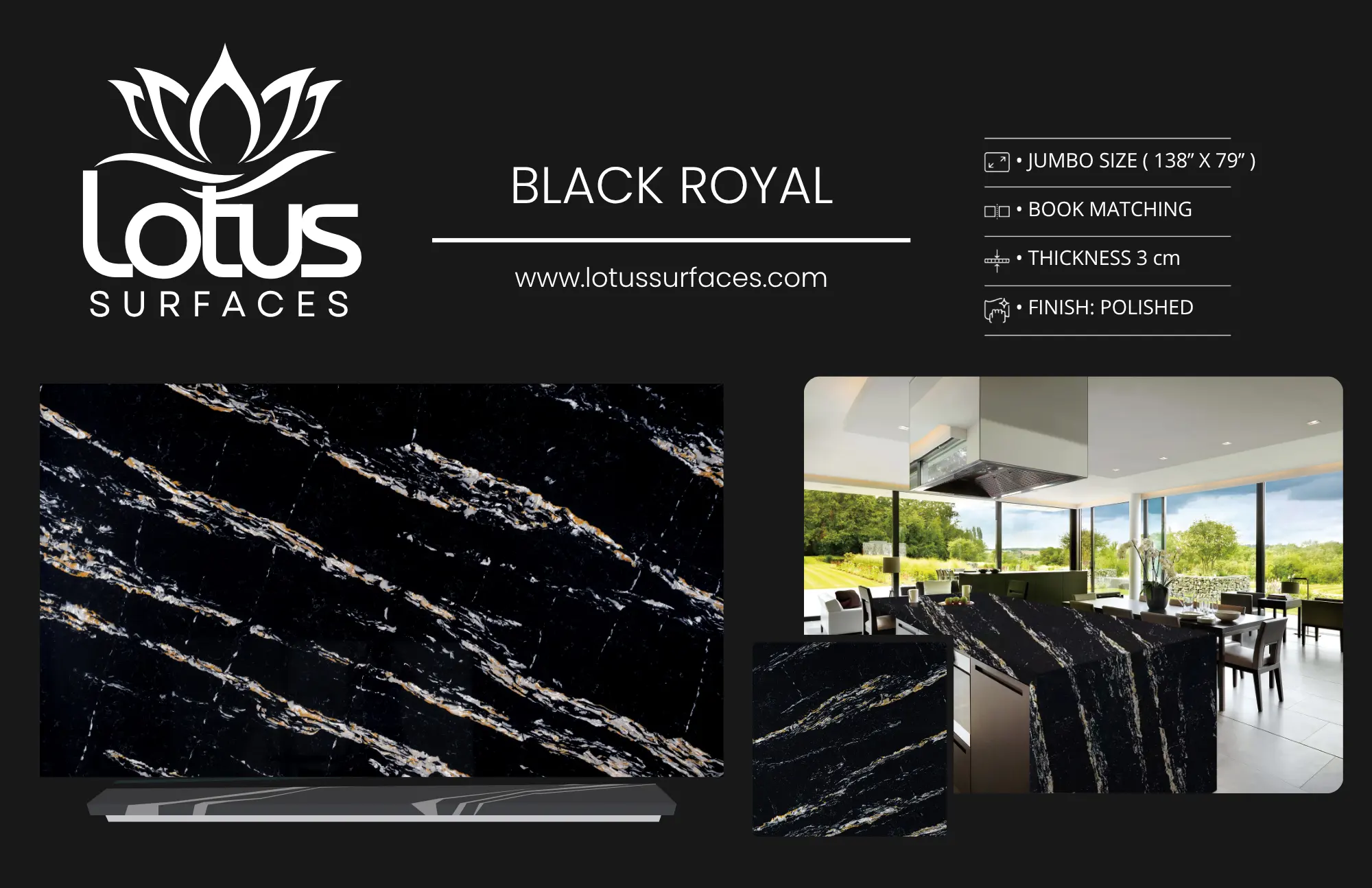
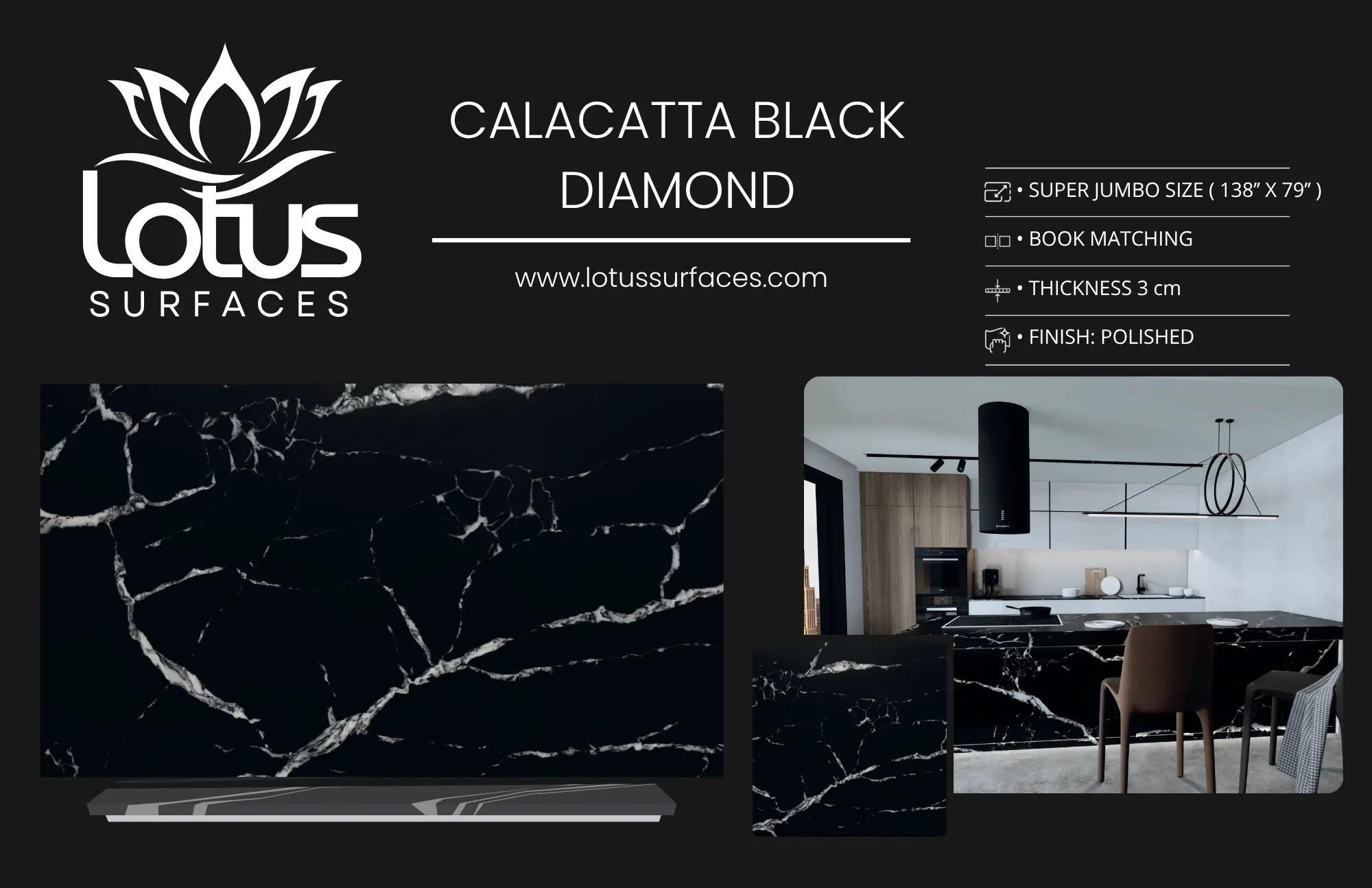
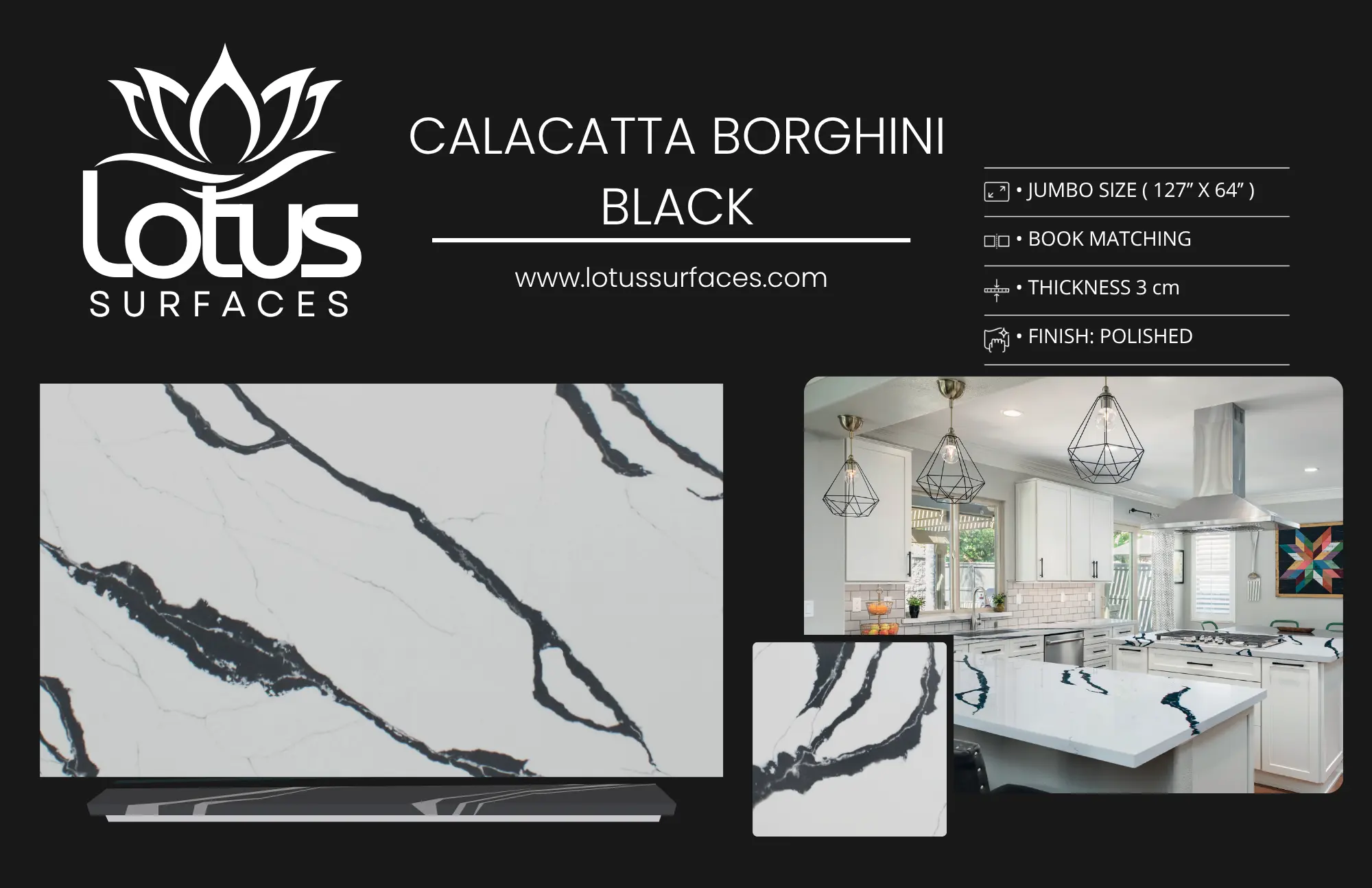
| Black | Elegance, sophistication, drama | Luxury, contemporary spaces |
| Gray | Neutrality, balance, calmness | Transitional, minimalist kitchens |
| Beige | Warmth, comfort, approachability | Traditional, rustic settings |
| Red | Energy, excitement, appetite stimulation | Family kitchens, dining areas |
| Green | Harmony, freshness, relaxation | Eco-friendly designs, nature-inspired spaces |
| Blue | Calmness, tranquility, trust | Modern, serene kitchens |
4. Tips for Choosing the Right Countertop Color
Choosing the right countertop color requires careful consideration of various factors. Here are some actionable tips to guide your decision:
- Consider the overall kitchen design: Ensure that the countertop color complements the cabinet and wall colors. For instance, pairing a dark countertop with light cabinets can create a stunning contrast.
- Think about the size of your kitchen: If you have a small kitchen, lighter colors can make the space feel larger and more open.
- Reflect on the mood you want to create: Decide whether you want a lively, energetic space or a calm, relaxing environment and choose colors accordingly.
- Test samples in different lighting: Colors can look different under various lighting conditions. Always test samples in your kitchen’s natural and artificial light.
- Mix and match: Don’t hesitate to combine different colors for a unique look. For example, using a bold color for an island and a neutral shade for perimeter countertops can add depth and interest.
5. How to Pair Countertops with Other Kitchen Elements
To create a cohesive kitchen atmosphere, it’s essential to pair your countertops with other elements in the space, such as cabinets, backsplashes, and flooring. Here are some tips:
- Cabinets: If you have dark cabinets, consider lighter countertops to create contrast. Conversely, light cabinets can be complemented with darker countertops for a balanced look.
- Backsplashes: Choose a backsplash that harmonizes with your countertop color. For instance, if you opt for a gray countertop, a white or patterned backsplash can add visual interest.
- Flooring: Ensure that your flooring complements your countertop. If your countertops are a bold color, consider neutral flooring to maintain balance.
6. Expert Insights and Actionable Tips
As a trusted countertop fabricator in Norcross, GA, we understand the local design trends and preferences. Here are some expert insights to help you make the best choice for your kitchen:
Additionally, always consult with a professional when measuring and selecting your countertops to ensure a perfect fit and finish. At Lotus Surfaces, we offer personalized slab viewing and digital templating to help you visualize your selection in your space.
7. Frequently Asked Questions
What is color psychology?
Color psychology is the study of how colors influence human emotions and behaviors. It plays a significant role in interior design, affecting the atmosphere of spaces.
How does countertop color affect kitchen atmosphere?
Countertop color can influence the mood, perceived size, and overall ambiance of a kitchen. Lighter colors tend to make spaces feel larger, while darker colors create a cozy atmosphere.
What are the best colors for small kitchens?
For small kitchens, lighter colors like white, cream, or light gray can help create an open and airy feel.
Can I mix different countertop colors?
Yes, mixing different countertop colors can create visual interest. For example, pairing a bold color for an island with neutral perimeter countertops is a popular trend.
What materials are best for countertops in humid climates?
In humid climates like Georgia, quartz and porcelain countertops are recommended due to their durability and moisture resistance.
How do I choose a countertop color that matches my cabinets?
Consider contrasting colors for a bold look or choose complementary shades for a more cohesive design. Always test samples in your kitchen’s lighting.
What are the current countertop trends in Atlanta?
Current trends include bold colors, natural stone looks, and eco-friendly materials. Homeowners are increasingly looking for unique designs that reflect their personal style.
How can I maintain my countertops?
Regular cleaning with mild soap and water, avoiding harsh chemicals, and using cutting boards can help maintain the appearance and longevity of your countertops.
Conclusion
In conclusion, understanding the psychology of color can significantly enhance the atmosphere of your kitchen. By carefully selecting your countertop color, you can create a space that reflects your personality and meets your functional needs. Remember to consider the overall design, test samples in various lighting, and consult with professionals like those at Lotus Surfaces for personalized guidance. With the right choice, your kitchen can become not only a functional space but also a beautiful and inviting environment for family and friends.
