


The Complete Guide to Concrete vs. Stone Countertops: Pros, Cons, and Costs
When it comes to choosing countertops for your kitchen or bathroom, the decision often boils down to two popular materials: concrete and stone. Each option has its unique aesthetic, durability, and maintenance requirements. In this comprehensive guide, we’ll compare concrete and stone countertops in terms of their pros, cons, and costs, helping you make an informed decision for your home renovation project. Whether you’re in Norcross, Atlanta, or surrounding areas, understanding these materials is essential for enhancing both beauty and functionality in your spaces.
1. Overview of Concrete and Stone Countertops
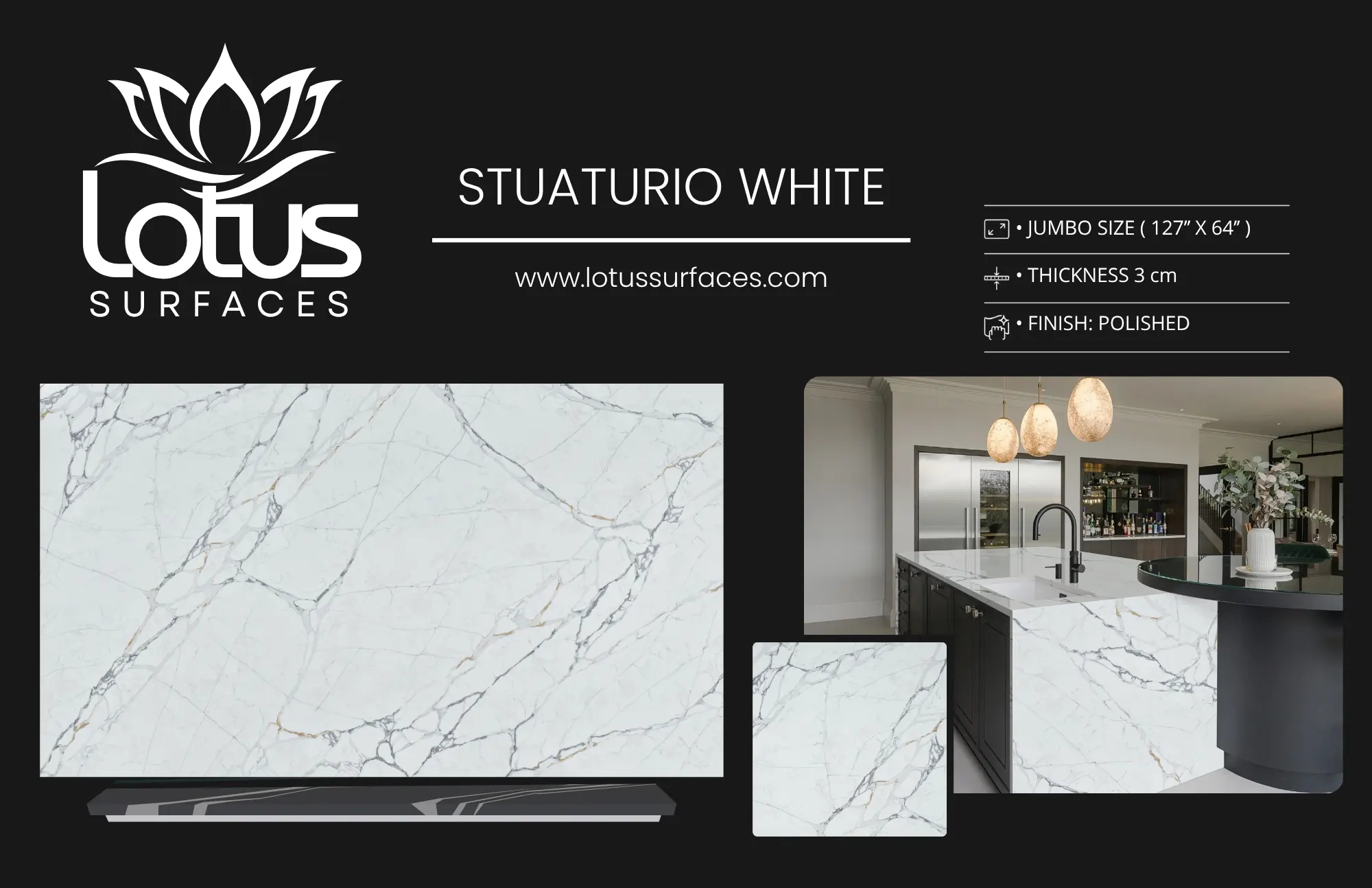
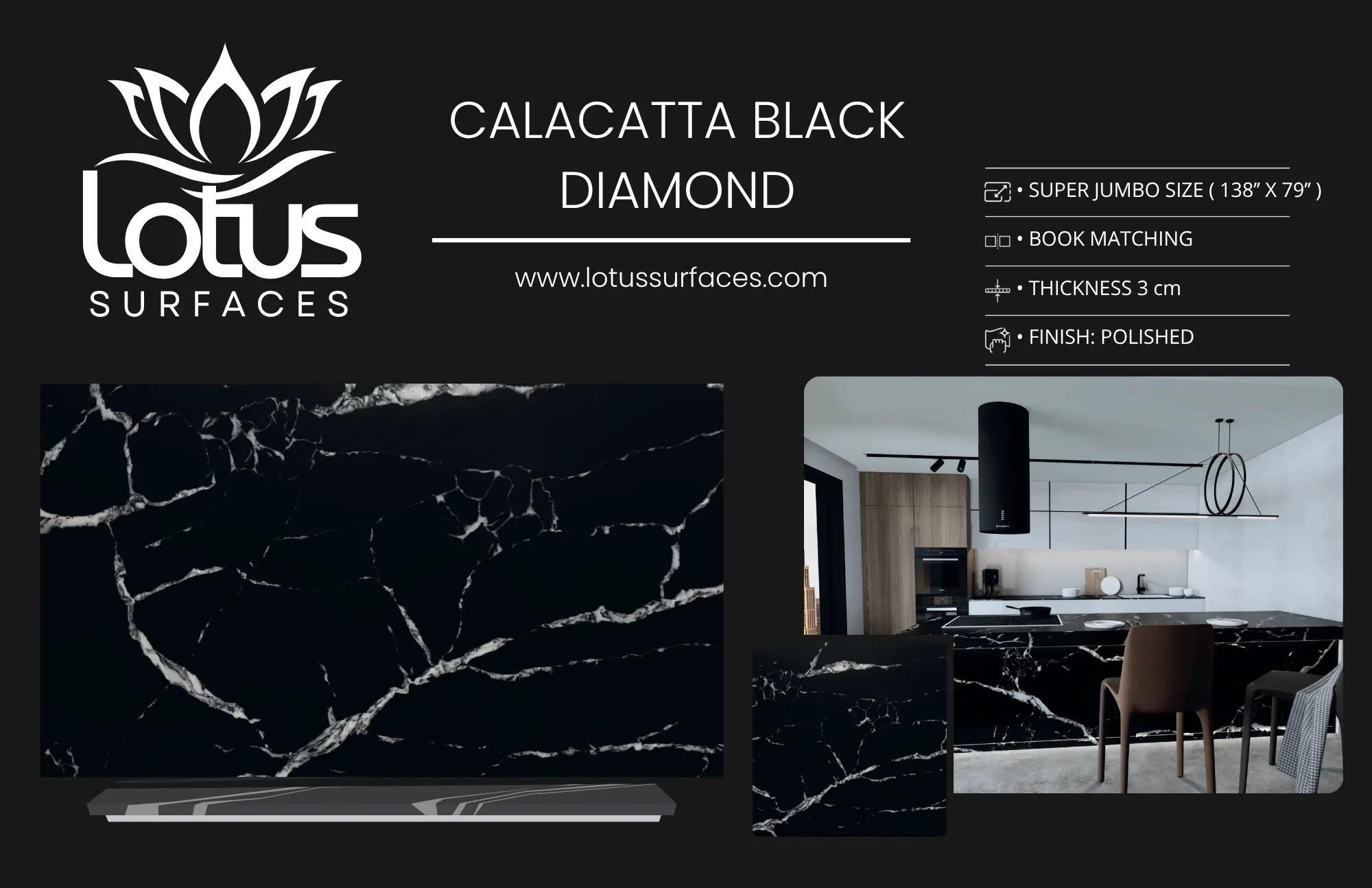
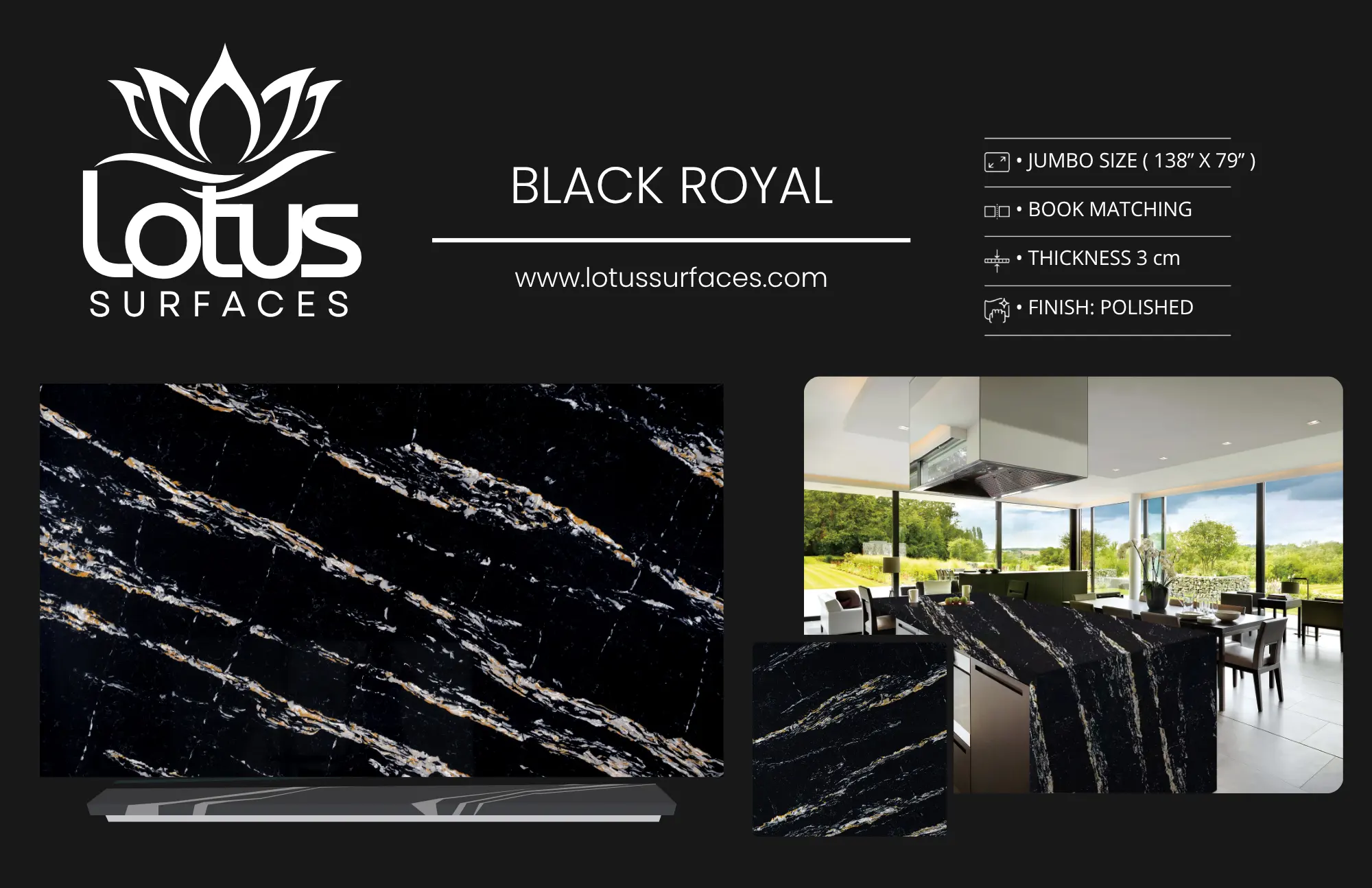
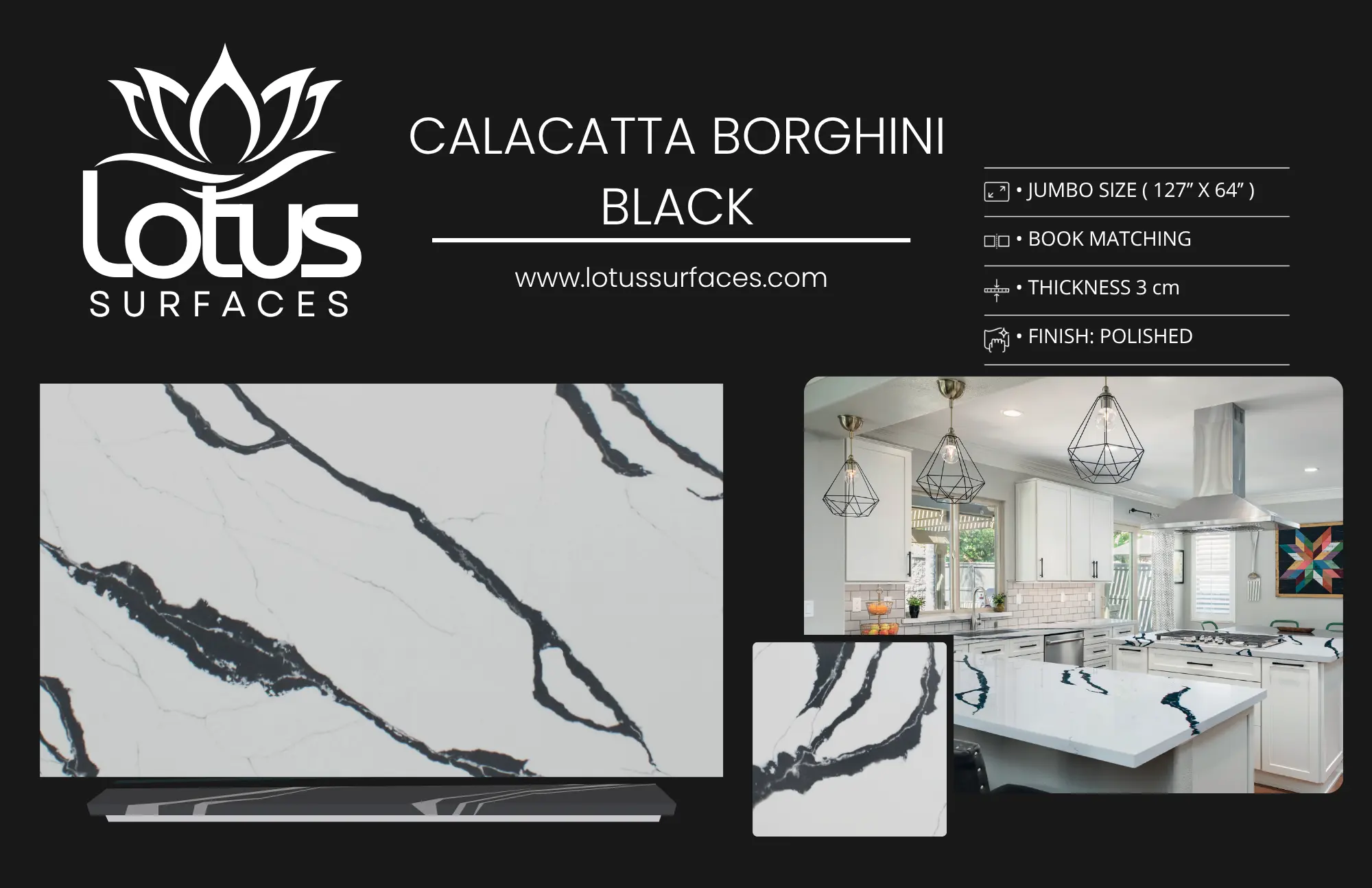
Concrete countertops are custom-made surfaces that offer a modern industrial aesthetic. They are poured and molded on-site or in a factory, allowing for unique designs and finishes. On the other hand, stone countertops, such as granite, quartzite, and marble, are natural materials that bring timeless beauty and elegance to any space. The choice between concrete and stone countertops often depends on your design goals, budget, and lifestyle.
2. Pros of Concrete Countertops
- Customization: Concrete countertops can be molded into any shape and customized with various colors and finishes, allowing for unparalleled design flexibility.
- Durability: Once cured, concrete is incredibly strong and resistant to damage, making it suitable for high-traffic areas.
- Unique Aesthetic: Each concrete countertop is unique, with variations in color and texture that add character to your kitchen or bathroom.
- Heat Resistance: Concrete can withstand high temperatures, making it ideal for hot cookware.
- Eco-Friendly Options: Concrete can be made using recycled materials and low-VOC sealers, making it a sustainable choice.
3. Cons of Concrete Countertops
- Weight: Concrete countertops are heavy and may require additional support during installation.
- Cracking: While durable, concrete can crack under extreme pressure or impact if not properly reinforced.
- Maintenance: Concrete countertops need to be sealed regularly to prevent staining and water damage.
- Cost: High-quality concrete countertops can be expensive, especially when considering customization.
4. Pros of Stone Countertops
- Natural Beauty: Stone countertops have a timeless appeal, with unique patterns and colors that cannot be replicated.
- Durability: Stone is naturally resistant to scratches and heat, making it a robust choice for kitchens and bathrooms.
- Low Maintenance: Many stone countertops, especially granite and quartz, require minimal maintenance compared to concrete.
- Value Addition: High-quality stone countertops can increase the resale value of your home.
5. Cons of Stone Countertops
- Cost: Stone countertops can be significantly more expensive than concrete, depending on the type of stone.
- Limited Customization: Unlike concrete, stone countertops come in pre-cut slabs, limiting customization options.
- Staining: Some stone surfaces, like marble, are porous and can stain if not properly sealed.
- Installation Complexity: Professional installation is often required, adding to the overall cost.
6. Cost Comparison: Concrete vs. Stone
| Material | Average Cost per Square Foot | Installation Cost | Maintenance Cost |
|---|---|---|---|
| Concrete | $70 – $150 | $50 – $100 | $20 – $50 (annual sealing) |
| Granite | $100 – $200 | $70 – $150 | $10 – $30 (annual sealing) |
| Quartz | $80 – $150 | $60 – $120 | $10 – $20 (no sealing required) |
| Marble | $100 – $250 | $70 – $150 | $20 – $40 (annual sealing) |
7. Choosing the Right Countertop for Your Home
When deciding between concrete and stone countertops, consider the following factors:
- Budget: Determine how much you’re willing to invest in your countertops, including installation and maintenance costs.
- Design Preference: Consider the aesthetic you want to achieve in your kitchen or bathroom. Concrete offers a modern look, while stone provides timeless elegance.
- Usage: Assess how you use your kitchen. If you frequently cook, durability and heat resistance are critical.
- Maintenance: Think about how much time and effort you want to invest in countertop upkeep.
For personalized guidance, consult with our experienced team at Lotus Surfaces. We offer professional countertop design and installation services tailored to your needs.
8. FAQs
What are the main differences between concrete and stone countertops?
Concrete countertops are customizable and modern, while stone countertops like granite and marble offer natural beauty and elegance.
Are concrete countertops cheaper than stone?
Concrete countertops can be less expensive, but high-quality stone can also be competitive in price. Consider total costs including installation and maintenance.
Do concrete countertops crack easily?
Concrete can crack under stress if not properly reinforced, but with the right installation, they can be durable.
How do I maintain my stone countertops?
Most stone countertops require occasional sealing to prevent staining and maintain their beauty.
Can I customize my concrete countertops?
Yes, concrete countertops offer high levels of customization in terms of shape, color, and finish.
Which is better for outdoor kitchens, concrete or stone?
Both materials can work well outdoors, but concrete is often preferred for its resilience and customization options.
How long do concrete countertops last?
With proper care, concrete countertops can last for decades.
Are stone countertops worth the investment?
Yes, high-quality stone countertops can add significant value to your home and provide long-lasting beauty.
In conclusion, both concrete and stone countertops offer unique advantages and considerations. Your choice will depend on personal preferences, budget constraints, and how you intend to use your countertops. For further assistance, contact Lotus Surfaces to explore our extensive range of countertop options and receive expert guidance tailored to your specific needs.
