
Ultimate Guide to Designing a Kitchen Island with Integrated Storage
Designing a kitchen island with integrated storage and display below the countertop is a fantastic way to enhance both functionality and aesthetics in your kitchen. An island not only serves as a central hub for meal preparation and dining but also provides an opportunity to showcase your style while maximizing storage space. This comprehensive guide will walk you through the essential elements of creating a kitchen island that blends beauty, strength, and functionality, perfectly aligned with the ethos of Lotus Surfaces.
In this article, you will learn about:
- Key considerations for kitchen island design
- Types of integrated storage options
- Display ideas for below the countertop
- Materials that complement your design
- Expert tips and insights from seasoned designers
Key Considerations for Kitchen Island Design
When designing a kitchen island, several factors come into play. These include the size and layout of your kitchen, the island’s purpose, and the overall design aesthetic you wish to achieve. Here are some key considerations:
1. Space and Layout
Before you start designing your kitchen island, measure your kitchen space. The National Kitchen & Bath Association (NKBA) recommends a minimum of 42-48 inches of clearance around the island to allow for easy movement and accessibility. This clearance is especially important if the island includes seating or appliances.
2. Functionality
Determine how you plan to use your kitchen island. Will it primarily serve as a prep area, a dining spot, or a combination of both? Understanding its primary function will guide your choices regarding size, shape, and integrated storage solutions.
3. Style and Aesthetics
Your kitchen island should complement your overall kitchen design. Whether your style is modern, traditional, or somewhere in between, choose colors, materials, and finishes that enhance your kitchen’s aesthetic. For instance, pairing a quartz countertop with wooden cabinetry can create a warm and inviting atmosphere.
Types of Integrated Storage Options
Integrated storage is essential for maintaining a clutter-free kitchen. Here are several storage options to consider when designing your kitchen island:
1. Drawers and Cabinets
Incorporate deep drawers and cabinets into your island design. Deep drawers are perfect for pots, pans, and other cooking essentials, while cabinets can house larger items like small appliances or bulk pantry goods. Consider installing soft-close mechanisms for added convenience.
2. Open Shelving
Open shelving on the sides of your island allows for easy access to frequently used items. It also offers an opportunity to display decorative kitchenware or cookbooks, adding character to your kitchen. Ensure the shelves are sturdy enough to support the weight of the items you plan to store.
3. Pull-Out Bins
Integrate pull-out bins within your island for easy access to recycling and trash. This feature keeps waste discreetly stored while allowing for easy disposal. It’s especially useful in maintaining a clean cooking environment.
4. Wine Storage
If you enjoy wine, consider incorporating a wine rack or cooler into your kitchen island. This can take the form of a dedicated wine drawer, built-in wine fridge, or a simple rack that showcases your collection.
5. Appliance Garage
An appliance garage is a great way to hide small kitchen gadgets, such as toasters and blenders, while keeping them easily accessible. This feature helps maintain a tidy countertop and can be designed with a door or lift-up mechanism for convenience.
| Storage Type | Benefits | Considerations |
|---|---|---|
| Drawers and Cabinets | Maximize hidden storage | May require more space |
| Open Shelving | Enhances visual appeal | Requires regular cleaning |
| Pull-Out Bins | Convenient waste disposal | Must be easily accessible |
| Wine Storage | Showcases collection | Requires specific design |
| Appliance Garage | Minimizes countertop clutter | May limit accessibility |
Creative Display Ideas Below the Countertop
In addition to integrated storage, consider how you can creatively display items below the countertop. Here are some innovative ideas:
1. Decorative Baskets
Use decorative baskets to store items like fruits, vegetables, or kitchen towels. This adds texture and color to your island while keeping essentials within reach.
2. Built-In Lighting
Incorporate LED strip lighting under your countertop or shelves to highlight your display items. This not only creates ambiance but also makes it easier to find what you need in low light conditions.
3. Herb Garden
Design a small herb garden below your countertop with pots for fresh herbs. This not only provides easy access while cooking but also adds a touch of greenery to your kitchen.
4. Custom Art Displays
Consider installing a small art display or photo gallery on the sides of your island. This personalizes your kitchen and can be easily updated as your tastes change.
5. Bookshelves
If you’re an avid reader or cook, consider integrating a small bookshelf into your island design. This can house cookbooks, magazines, or any other reading materials you want to keep close at hand.
Choosing the Right Materials
The materials you choose for your kitchen island significantly impact its functionality and aesthetic appeal. Here are some popular options:
1. Quartz Countertops
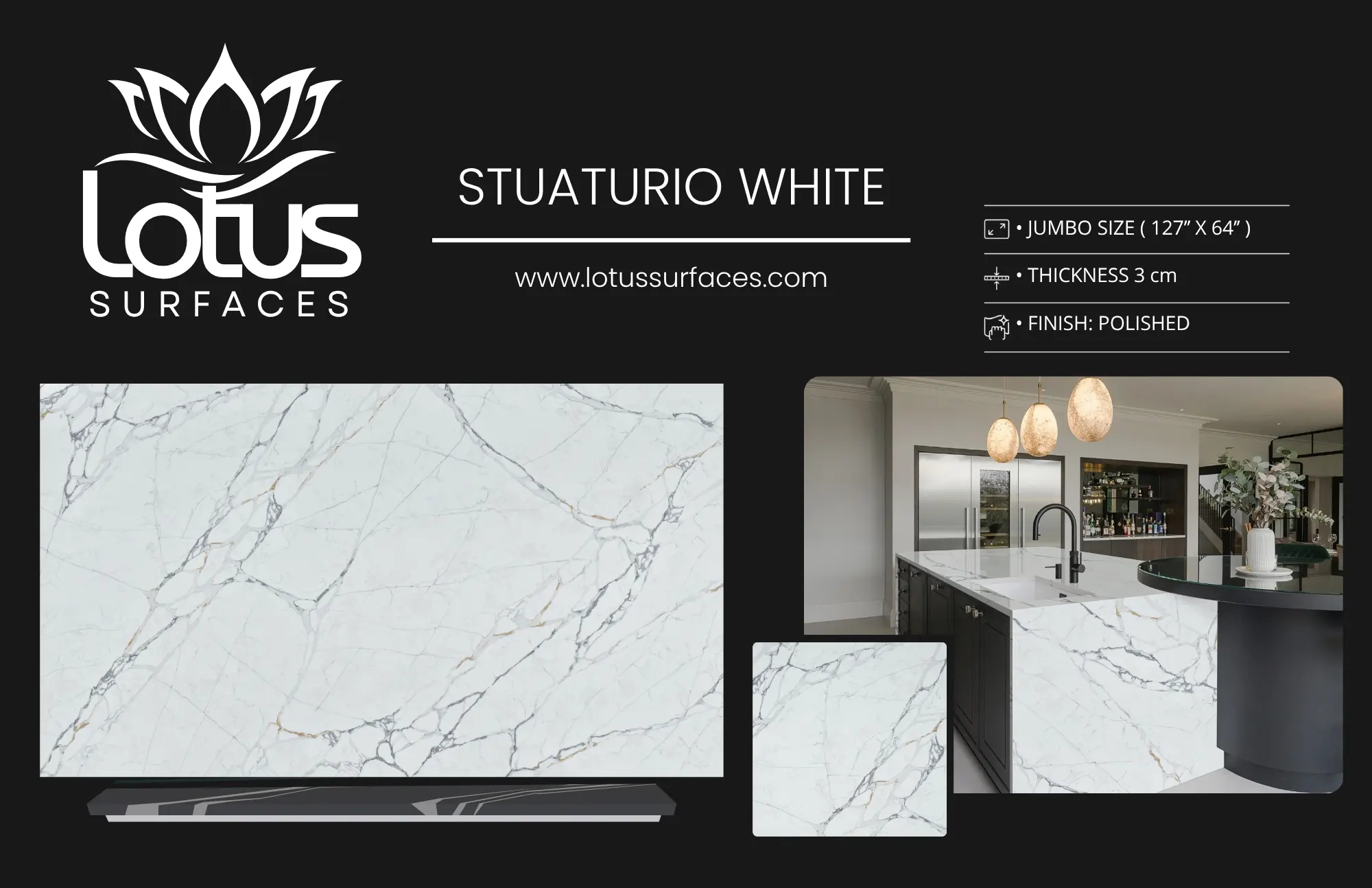
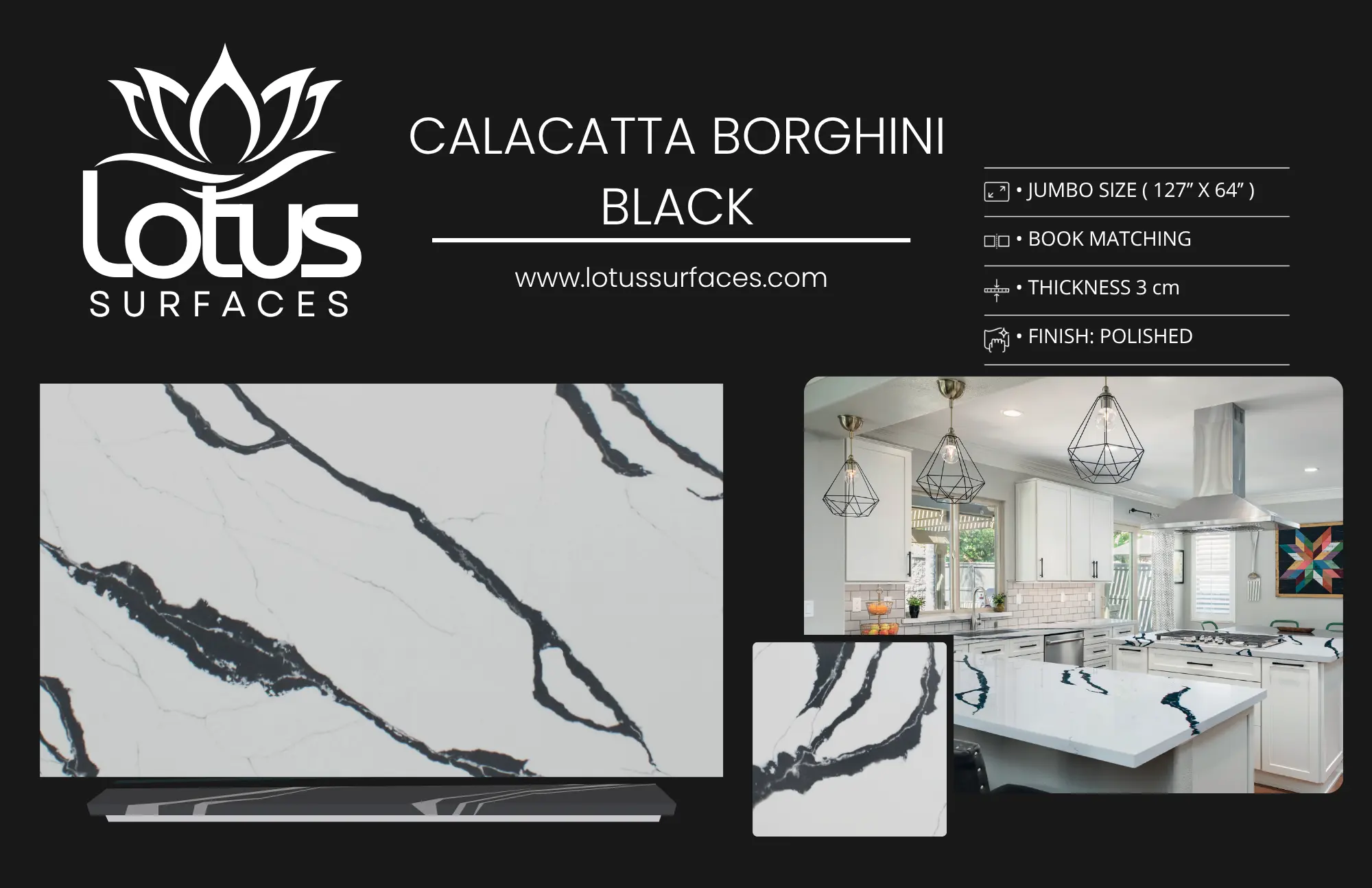
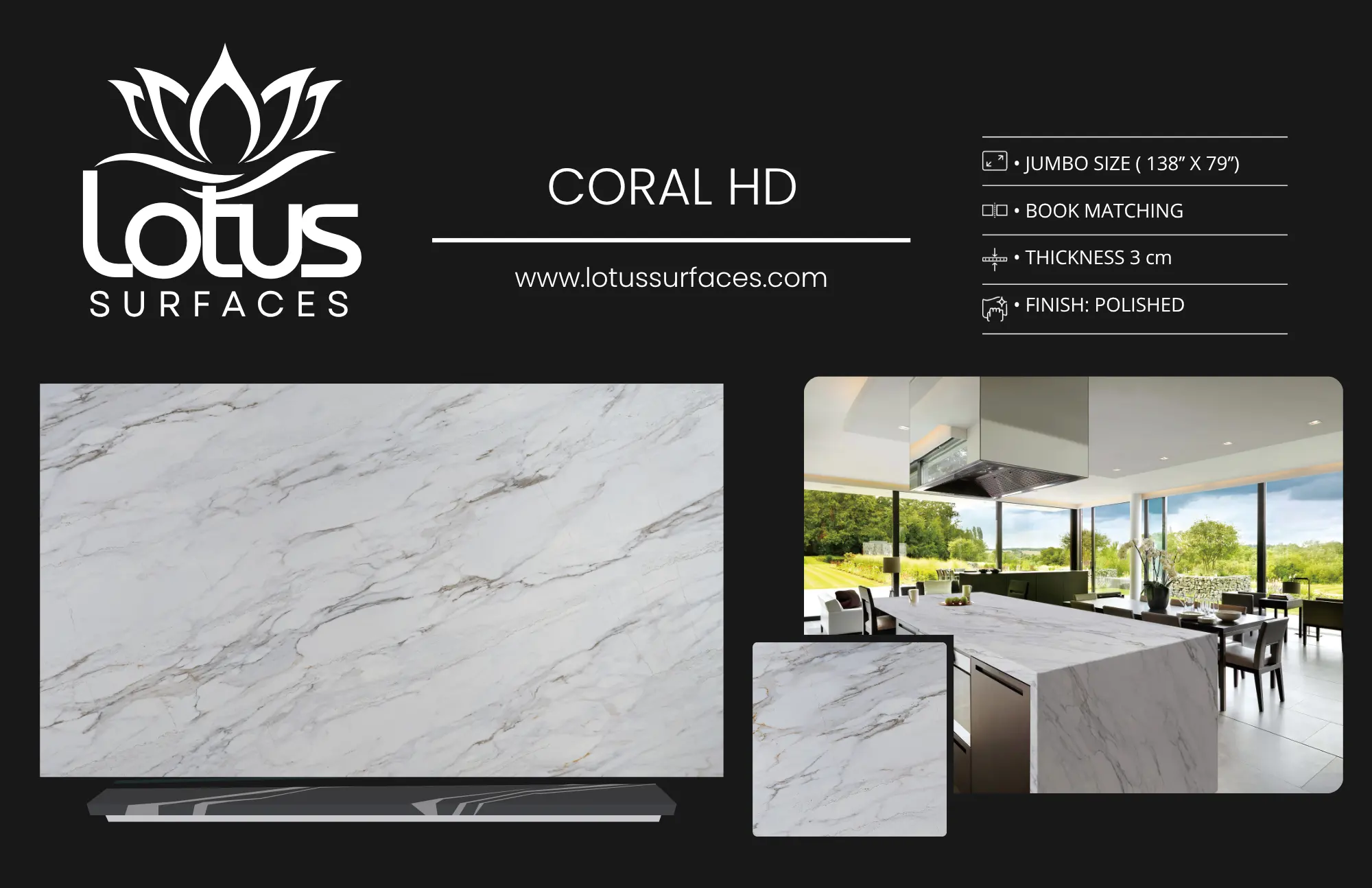
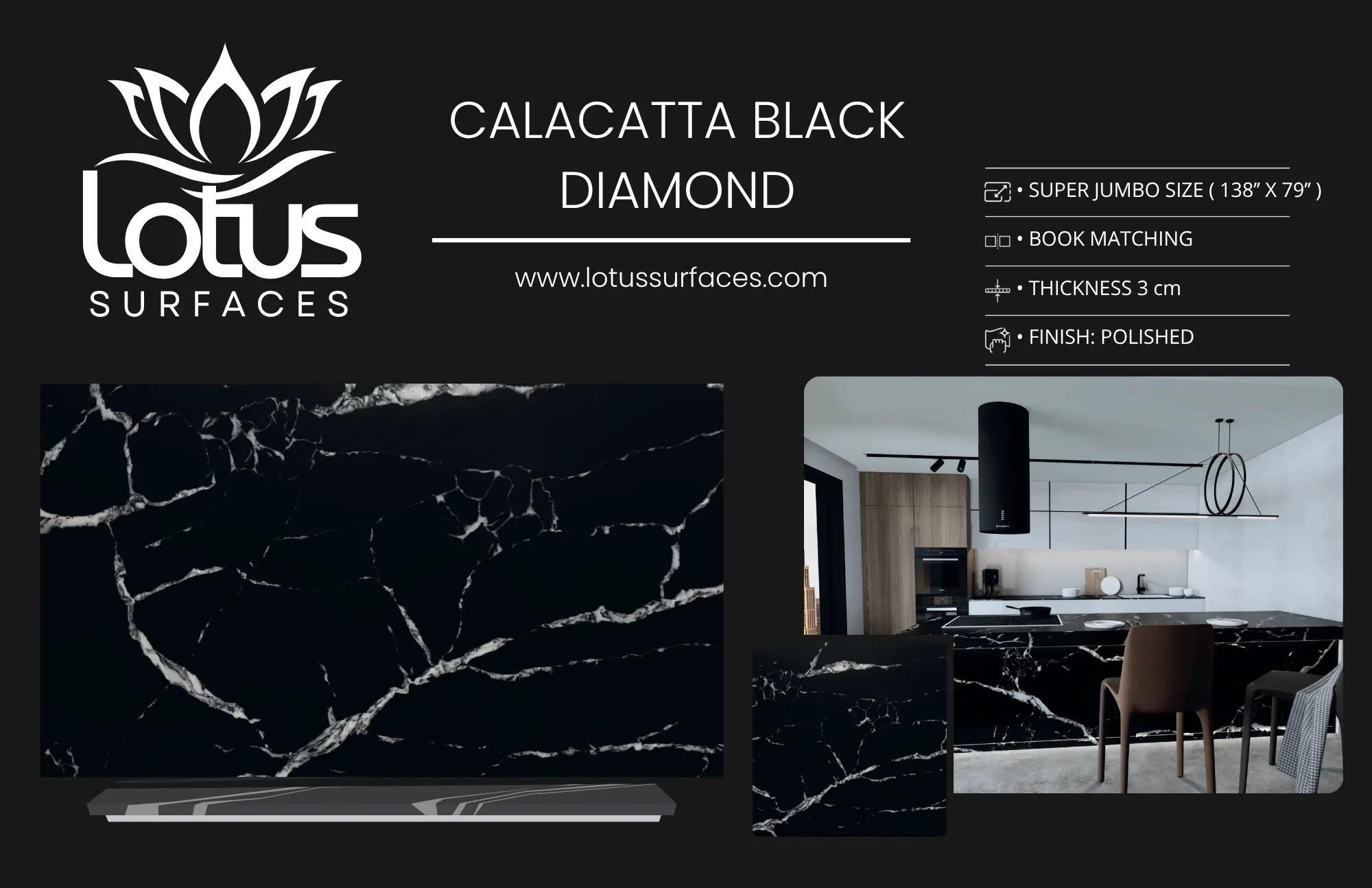
Quartz is a popular choice for kitchen countertops due to its durability and low maintenance. It’s resistant to stains and scratches, making it ideal for busy kitchens. At Lotus Surfaces, we offer a wide variety of quartz options that can elevate your kitchen’s design.
2. Granite Countertops
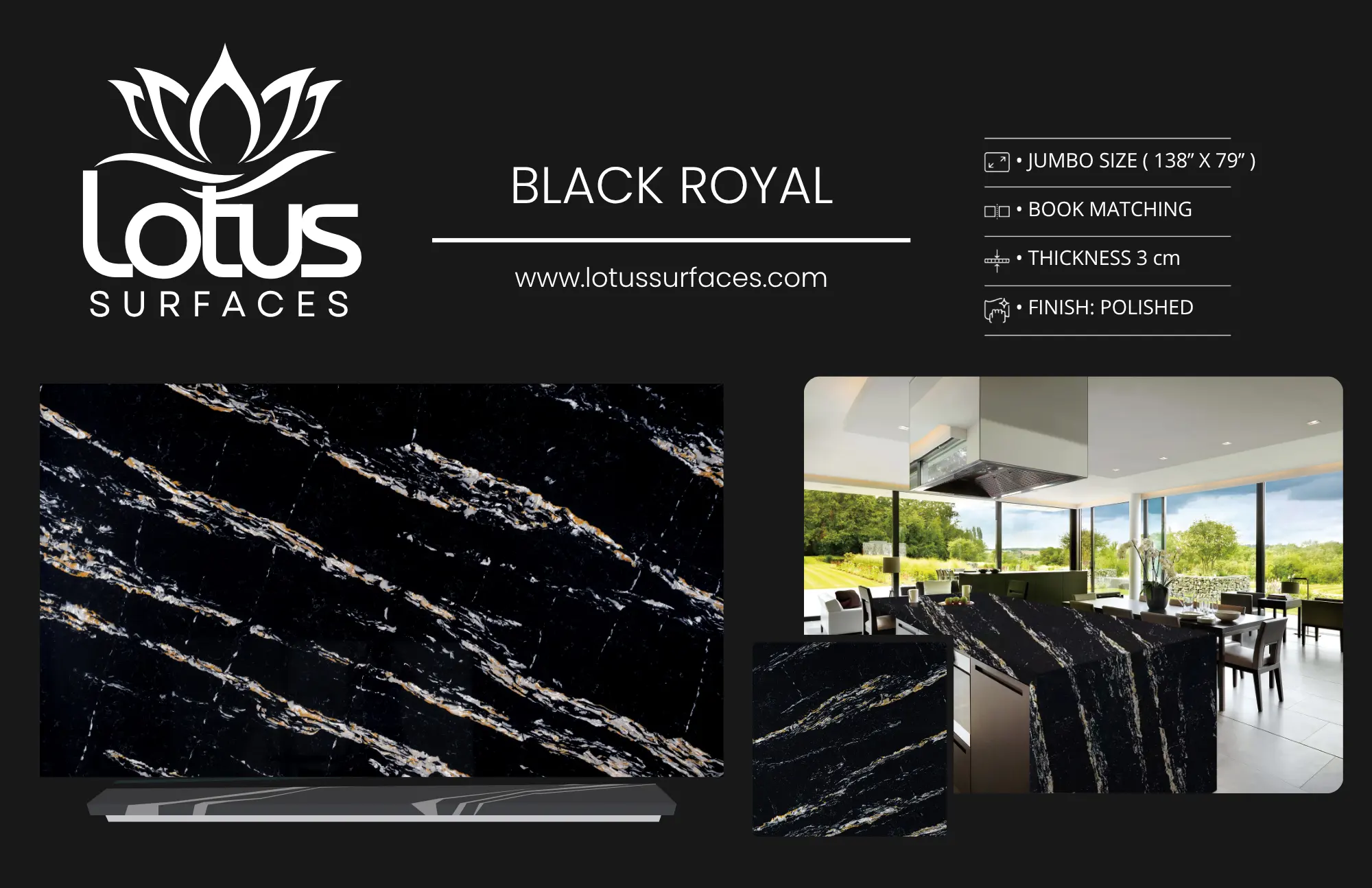
Granite provides a classic look with unique patterns and colors. It’s heat and scratch resistant, making it a great choice for a kitchen island that will see a lot of use. However, it does require regular sealing to maintain its appearance.
3. Porcelain Slabs
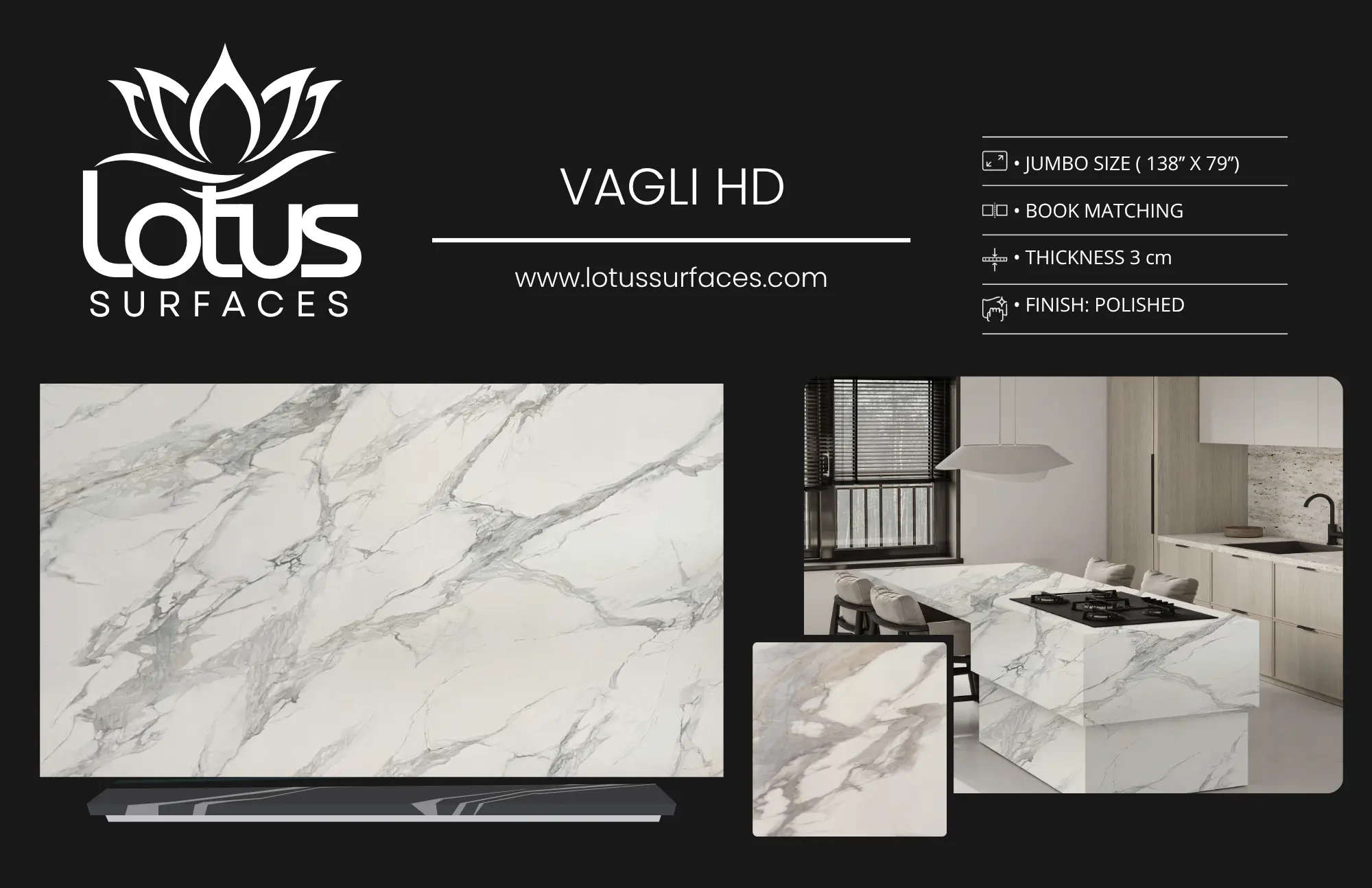
Porcelain is gaining popularity due to its versatility and range of designs. It’s non-porous, making it resistant to stains and bacteria, which is crucial for food preparation areas.
4. Wood Finishes
Wood can add warmth and character to your kitchen island. Choose high-quality hardwoods that can withstand the wear and tear of daily use. Consider a butcher block top for a functional and stylish surface.
Expert Tips for a Successful Kitchen Island Design
Here are some expert tips to ensure your kitchen island design is both functional and beautiful:
1. Plan for Power Outlets
Ensure that your kitchen island has accessible power outlets for small appliances. This can enhance functionality and reduce clutter.
2. Choose a Cohesive Color Palette
Select colors that complement your existing kitchen design. A cohesive palette creates a harmonious look, making your kitchen feel more integrated.
3. Test Different Heights
Before finalizing your island height, test different heights with a mock-up. This ensures that the island is comfortable for both cooking and dining.
4. Incorporate Seating Wisely
If you plan to include seating, ensure there’s enough space for chairs or stools. Typically, leave at least 24 inches of space per seat to ensure comfort.
5. Don’t Forget About Ventilation
If your island includes a cooktop, ensure proper ventilation. Consider installing a range hood or downdraft system for effective air circulation.
FAQs
1. What is the ideal size for a kitchen island?
The ideal size for a kitchen island depends on your kitchen layout, but a common size is 4-6 feet long and 2-4 feet wide. Ensure you have at least 42-48 inches of clearance around it.
2. How can I maximize storage in a small kitchen island?
Use vertical space by incorporating tall cabinets or open shelving. Consider multi-functional furniture, such as benches with storage or pull-out drawers.
3. What materials are best for a kitchen island countertop?
Popular materials include quartz, granite, and porcelain for their durability and aesthetic appeal. Choose a material that complements your kitchen design.
4. How can I incorporate seating into my kitchen island?
Design one side of the island with an overhang to accommodate stools or chairs. Ensure there’s enough space for comfortable seating.
5. What are some creative ways to display items on my kitchen island?
Use decorative baskets, built-in lighting, or a small herb garden to showcase items while keeping them accessible.
6. How do I ensure my kitchen island is functional?
Consider its primary use, plan for power outlets, and incorporate storage solutions that suit your cooking and entertaining style.
7. Can I design a kitchen island without a sink or cooktop?
Yes, many islands serve purely as dining or prep spaces. Ensure it includes adequate storage and seating if desired.
8. How do I choose the right height for my kitchen island?
Standard heights range from 36 inches for cooking prep to 42 inches for bar seating. Test different heights for comfort.
9. Should my kitchen island match my cabinets?
While it can match, contrasting colors can create visual interest. Choose a cohesive palette that complements your kitchen style.
10. How can I make my kitchen island visually appealing?
Incorporate decorative elements, such as open shelving, unique lighting, or a colorful countertop to enhance aesthetics.
11. What lighting is best for a kitchen island?
Pendant lights or recessed lighting are popular choices. Ensure the lighting is bright enough for cooking tasks.
12. How can I integrate technology into my kitchen island?
Consider installing built-in charging stations, smart appliances, or touchless faucets for a modern touch.
Designing a kitchen island with integrated storage and display options can transform your kitchen into a functional and stylish space. At Lotus Surfaces, we offer a range of premium materials and expert guidance to help you create the perfect kitchen island tailored to your needs. Contact us today to learn more about our services and how we can assist you in your kitchen renovation journey.
