




The Complete Guide to Countertop Island Sizing and Proportions for Your Kitchen
Choosing the right countertop island size and proportions is crucial for creating a functional and beautiful kitchen space. Whether you’re undergoing a full renovation or simply want to enhance your kitchen’s usability, understanding the dimensions and layout of your countertop island can dramatically impact your kitchen’s workflow and aesthetic appeal. In this comprehensive guide, we will explore everything you need to know about countertop island sizing and proportions to help you make informed decisions that suit your lifestyle and space.
1. Why Countertop Island Size Matters
The size of your countertop island can greatly affect the functionality and flow of your kitchen. A well-sized island allows for efficient movement, sufficient space for meal prep, and a comfortable area for seating. Moreover, it plays a significant role in the overall aesthetic appeal of the kitchen. Here are a few reasons why countertop island size is crucial:
- Workflow Efficiency: Properly sized islands enhance the kitchen workflow, enabling chefs to move seamlessly between cooking, prepping, and serving.
- Seating Arrangements: An appropriately sized island can accommodate family and friends, making it a perfect spot for casual dining and social gatherings.
- Aesthetic Balance: The right dimensions create visual harmony in your kitchen, ensuring that your island complements the overall design.
2. Standard Countertop Island Dimensions
When planning your countertop island, it’s essential to consider standard dimensions that optimize both functionality and comfort. Here are the typical measurements:
| Dimension | Standard Size |
|---|---|
| Width | 36 to 48 inches |
| Depth | 24 to 30 inches |
| Height | 36 inches (standard counter height) or 42 inches (bar height) |
| Overhang for Seating | 12 to 18 inches |
| Clearance Space | 42 to 48 inches around the island |
These standard dimensions ensure that your countertop island is both functional and comfortable for daily use. However, it’s crucial to customize these measurements based on your specific kitchen layout and personal preferences.
3. Factors Influencing Island Size
Several factors can influence the ideal size of your countertop island. Understanding these aspects will help you make informed decisions:
- Kitchen Size: The size and layout of your kitchen play a significant role in determining the island dimensions. A larger kitchen can accommodate a more expansive island, while a smaller kitchen may require a more compact design.
- Functionality: Consider how you plan to use your island. Will it be primarily for food prep, dining, or a combination of both? This will influence the necessary size and features.
- Seating Needs: If you plan to include seating at the island, factor in the number of people you want to accommodate. Ensure there is enough space for comfortable seating and movement.
- Appliance Placement: The location of appliances, such as the stove and refrigerator, can affect how you design your island. Ensure that the island fits harmoniously within the kitchen workflow.
4. Customizing Your Countertop Island
Customization is key when it comes to designing the perfect countertop island for your kitchen. Here are some ways to personalize your island:
- Shape: While rectangular islands are the most common, consider unique shapes like L-shaped or U-shaped islands to better fit your space.
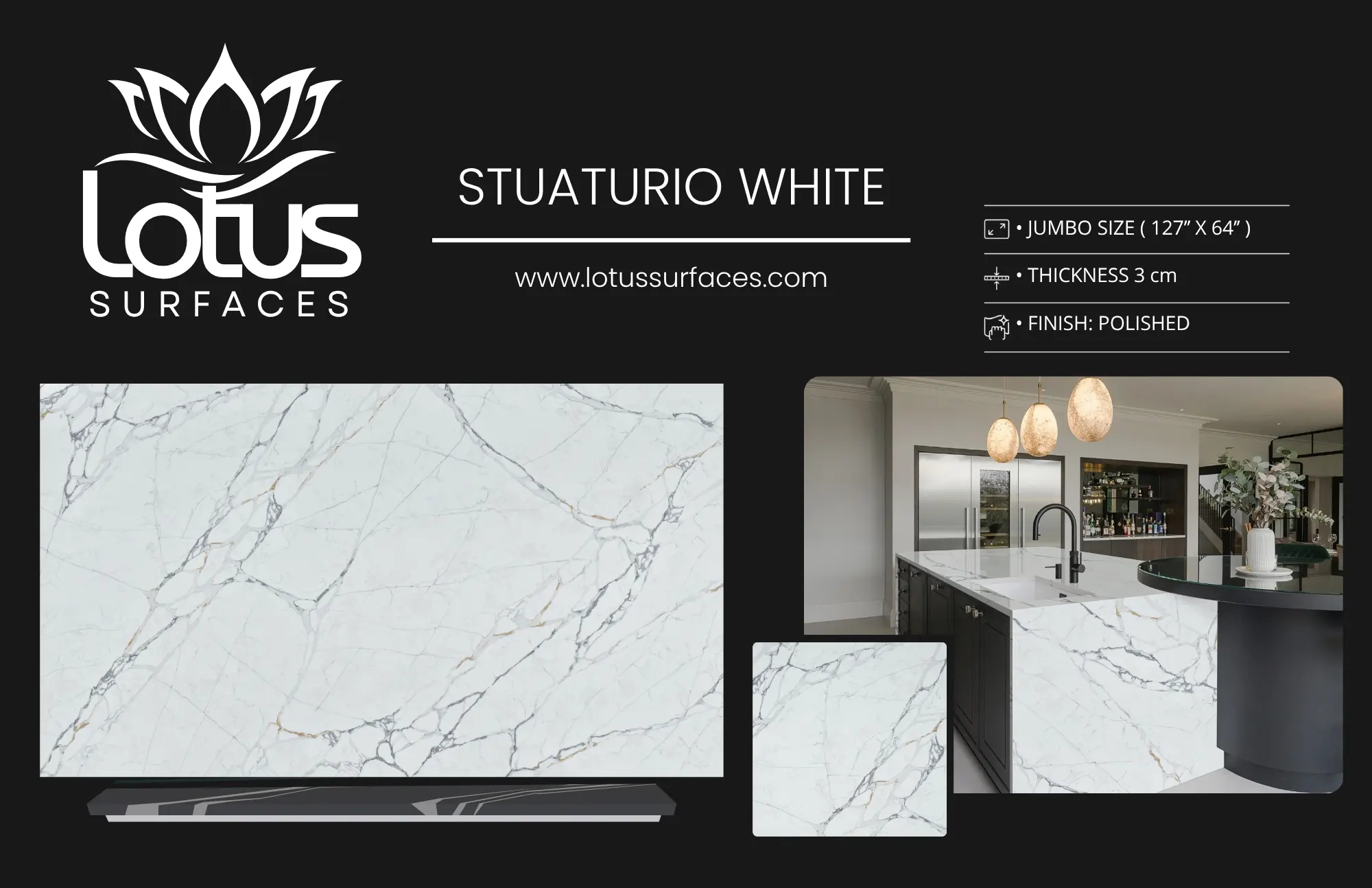
- Materials: Choose materials that match your kitchen’s aesthetic. Popular options include quartz, granite, and porcelain countertops for their durability and elegance. For more information on materials, check out our guide on countertop options.
- Storage Solutions: Incorporate cabinets, shelves, or drawers into your island design to maximize storage and keep your kitchen organized.
- Integrated Appliances: Consider integrating appliances like wine coolers or microwaves into your island for added functionality.
5. Design Considerations for Proportions
Designing a countertop island goes beyond just size; proportions matter too. Here are key aspects to consider:
- Visual Balance: Ensure that your island’s height and width are proportionate to the overall kitchen space. An oversized island in a small kitchen can feel cramped, while a tiny island in a large kitchen may look lost.
- Seating Arrangement: If you plan to have seating, ensure that the overhang allows for comfortable legroom. A typical overhang of 12 to 18 inches is recommended for bar stools.
- Flow and Accessibility: Maintain clear pathways around the island for easy movement. Ideally, there should be 42 to 48 inches of clearance around the island to facilitate flow.
6. Expert Tips for Sizing Your Island
To help you achieve the perfect countertop island sizing, consider these expert tips:
Additionally, here are some actionable steps:
- Assess your kitchen layout and identify the primary functions of your island.
- Determine the optimal island size based on your needs and kitchen size.
- Consider the shape of your island and how it fits within the overall kitchen design.
- Incorporate storage solutions to make the most of your island space.
- Consult with a professional countertop fabricator for precise measurements and fabrication options.
7. Common Mistakes to Avoid
When sizing your countertop island, be mindful of these common mistakes:
- Ignoring Clearance Space: Failing to leave adequate space around the island can disrupt the kitchen workflow.
- Overestimating Size: Choosing an island that is too large can make your kitchen feel cramped and reduce functionality.
- Neglecting Electrical Outlets: If your island will host appliances, ensure you have accessible electrical outlets integrated into the design.
- Forgetting About Lighting: Proper lighting is essential for both functionality and aesthetics. Consider pendant lights or recessed lighting above your island to enhance the space.
8. FAQs
Frequently Asked Questions
What is the standard height for a kitchen island?
The standard height for a kitchen island is typically 36 inches, which is the same height as standard kitchen countertops. For bar-height islands, the height can be 42 inches.
How much clearance should be around a kitchen island?
It is recommended to have 42 to 48 inches of clearance space around the kitchen island to allow for easy movement and accessibility.
What is the ideal width for a kitchen island?
The ideal width for a kitchen island typically ranges from 36 to 48 inches. The width should accommodate your intended use, whether for cooking, dining, or both.
Can I have a kitchen island without a sink?
Yes, you can have a kitchen island without a sink. Many islands serve as dining areas or additional prep space without plumbing fixtures.
What materials are best for kitchen islands?
Popular materials for kitchen islands include quartz, granite, and porcelain, each offering durability and aesthetic appeal. For more details, explore our selection of countertop materials.
How do I choose the right countertop for my island?
Consider factors such as durability, maintenance, and aesthetics when choosing a countertop. Each material has unique properties that can influence your decision.
What are some common mistakes when sizing a kitchen island?
Common mistakes include ignoring clearance space, overestimating size, neglecting electrical outlets, and forgetting about proper lighting.
How do I measure for a kitchen island?
To measure for a kitchen island, assess your kitchen layout, determine your desired island size, and mark the dimensions on the floor using painter’s tape to visualize the space.
Conclusion
In conclusion, sizing and proportioning your countertop island is a key element in creating a functional and inviting kitchen space. By understanding standard dimensions, considering your specific needs, and avoiding common pitfalls, you can design an island that enhances both the efficiency and beauty of your kitchen. For expert guidance on your countertop island project, contact us at Lotus Surfaces. Our experienced team is here to help you choose the best materials and designs for your kitchen renovations.