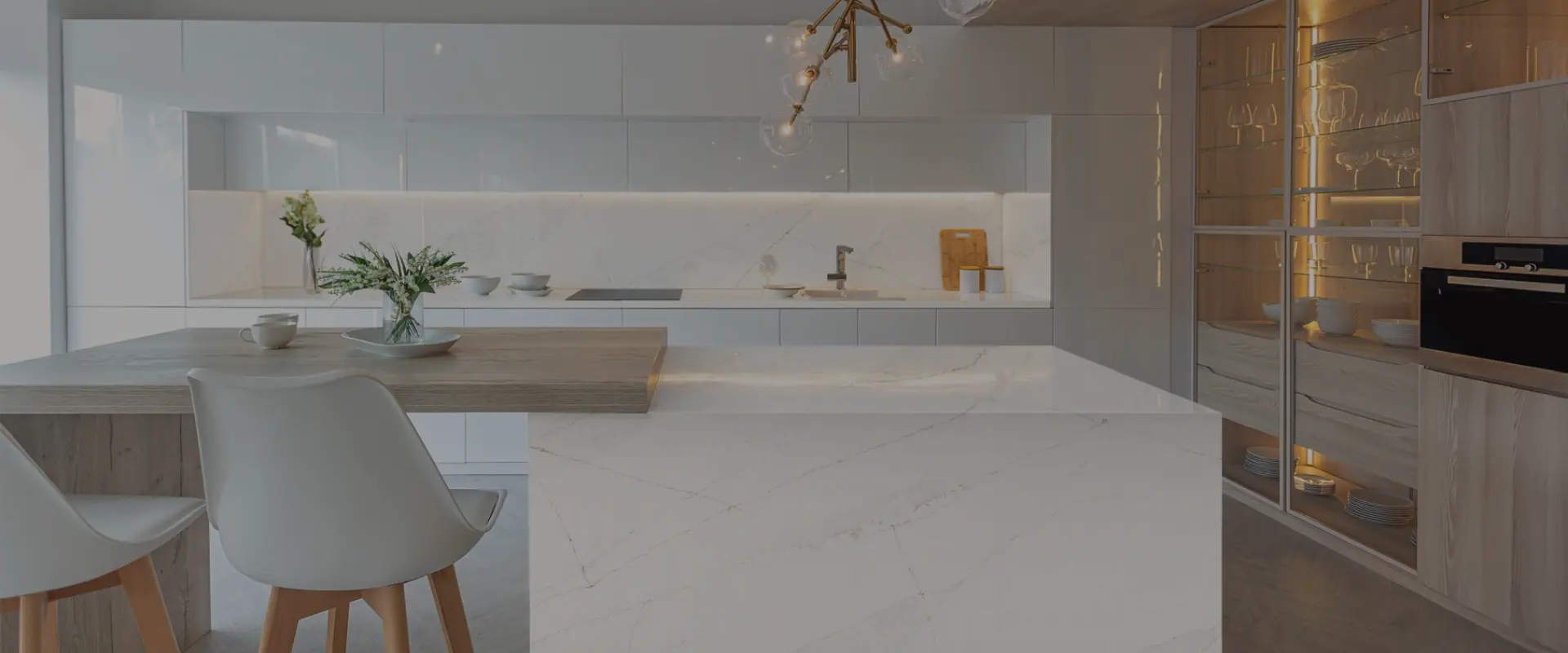
Ultimate Guide to Selecting Countertops for a Galley Kitchen That Maximize Space and Light
Galley kitchens are known for their efficiency, but selecting the right countertops can significantly enhance their functionality and aesthetic appeal. In this comprehensive guide, we will explore how to select countertops for a galley kitchen that maximize space and light, ensuring your kitchen not only looks beautiful but also feels spacious and inviting. We will cover everything from material options to design tips, helping homeowners make informed decisions that reflect their style and meet their needs.
Understanding Galley Kitchens
Galley kitchens are characterized by their narrow layout, typically featuring two parallel countertops with a walkway in between. This design is ideal for maximizing efficiency and workflow, making them popular in smaller homes and apartments. However, the compact nature of a galley kitchen can also pose challenges, particularly when it comes to creating a sense of space and light. Understanding the unique features of a galley kitchen is crucial for choosing the right countertops that complement the layout and enhance the overall design.
The Importance of Countertop Selection
Choosing the right countertops for your galley kitchen is more than just a design decision; it impacts functionality, maintenance, and the overall feel of the space. The right countertops can:
- Enhance Aesthetics: Countertops play a significant role in the kitchen’s visual appeal. Selecting materials and colors that align with your style can elevate the entire space.
- Maximize Space: Certain countertop materials and designs can create an illusion of more space, making your kitchen feel larger.
- Improve Light Reflection: Light-colored and glossy surfaces can help reflect natural light, brightening up the kitchen.
- Increase Durability: High-quality materials offer better durability, which is essential in a high-traffic area like the kitchen.
Key Considerations for Selecting Countertops
Before diving into material options, consider the following factors that will influence your countertop selection:
1. Kitchen Size and Layout
In a galley kitchen, every inch counts. Measure your available countertop space carefully to ensure you choose materials that fit without overwhelming the area. Consider how the countertops will interact with the cabinets, appliances, and walls.
2. Material Durability
Durability is crucial in a kitchen environment. Select materials that can withstand heat, stains, scratches, and moisture. Quartz, granite, and porcelain are excellent options for their resilience.
3. Maintenance Requirements
Consider how much time you are willing to invest in maintaining your countertops. Some materials require regular sealing or special cleaners, while others are more low-maintenance.
4. Budget
Countertop prices can vary widely based on material, thickness, and installation complexity. Establish a budget to guide your selection process.
5. Style and Aesthetic
Your countertops should reflect your personal style and complement the overall design of your galley kitchen. Consider both color and texture to create a cohesive look.
Top Countertop Materials for Galley Kitchens
When selecting countertops for a galley kitchen, here are some popular materials to consider:
1. Quartz Countertops
Quartz countertops are engineered surfaces made from 90-95% crushed natural stone mixed with resins and polymers. They offer a wide range of colors and patterns, making them versatile for any design. Their non-porous surface is resistant to stains and scratches, making them ideal for busy kitchens.
2. Granite Countertops
Granite is a natural stone known for its durability and unique patterns. Each slab is one-of-a-kind, offering a luxurious look. However, granite requires periodic sealing to prevent staining, which may be a consideration for some homeowners.
3. Porcelain Countertops
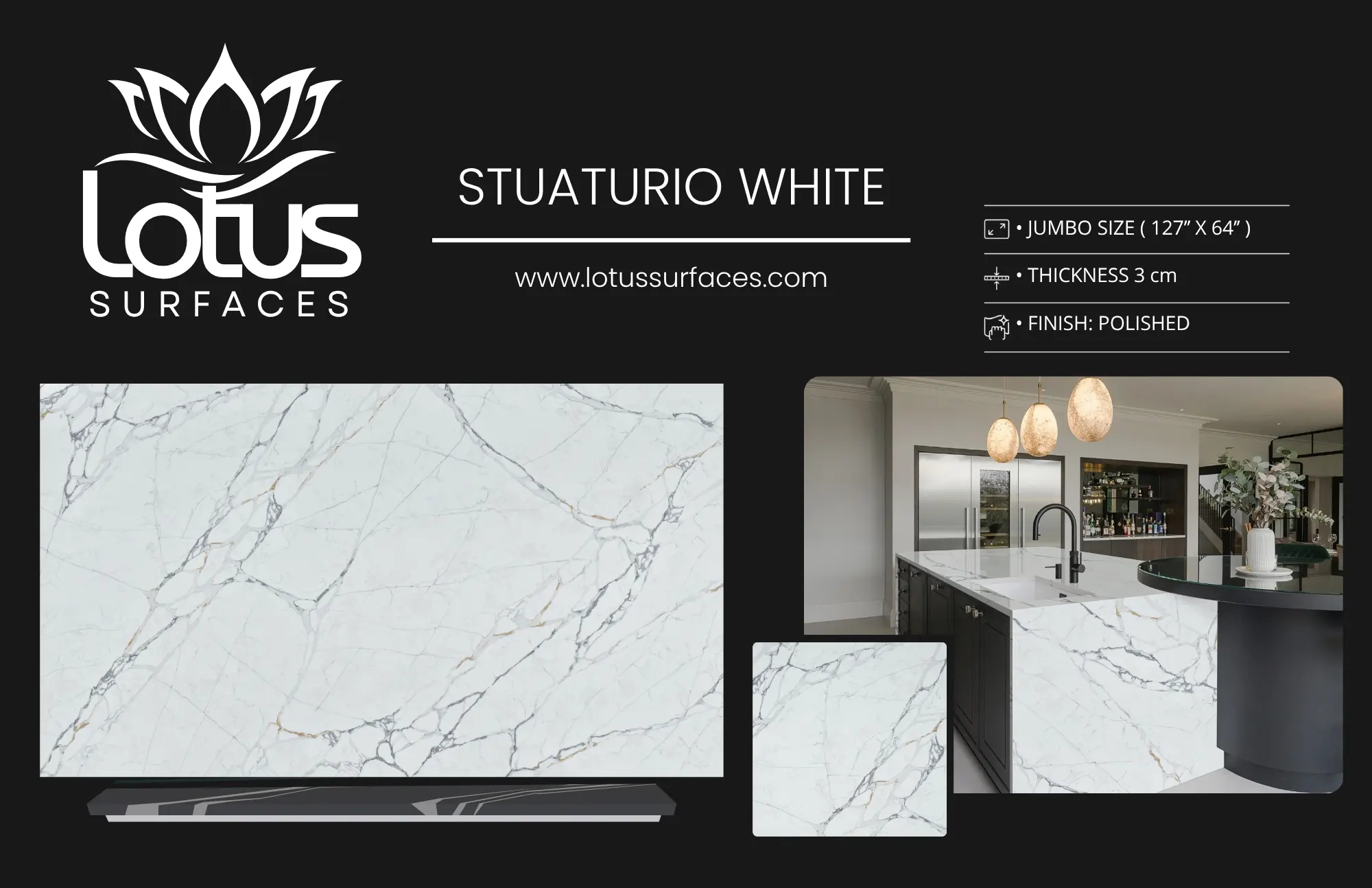
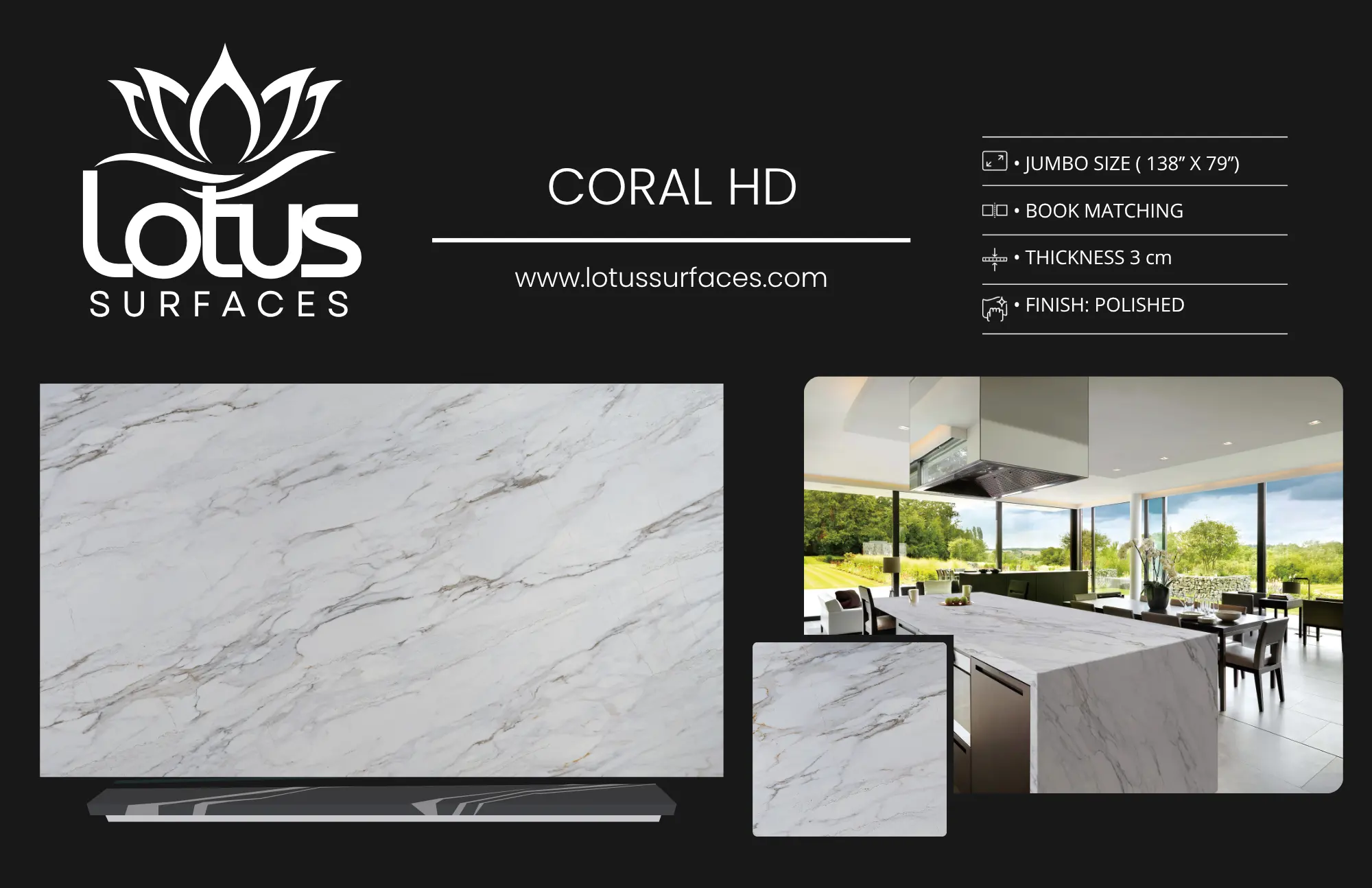
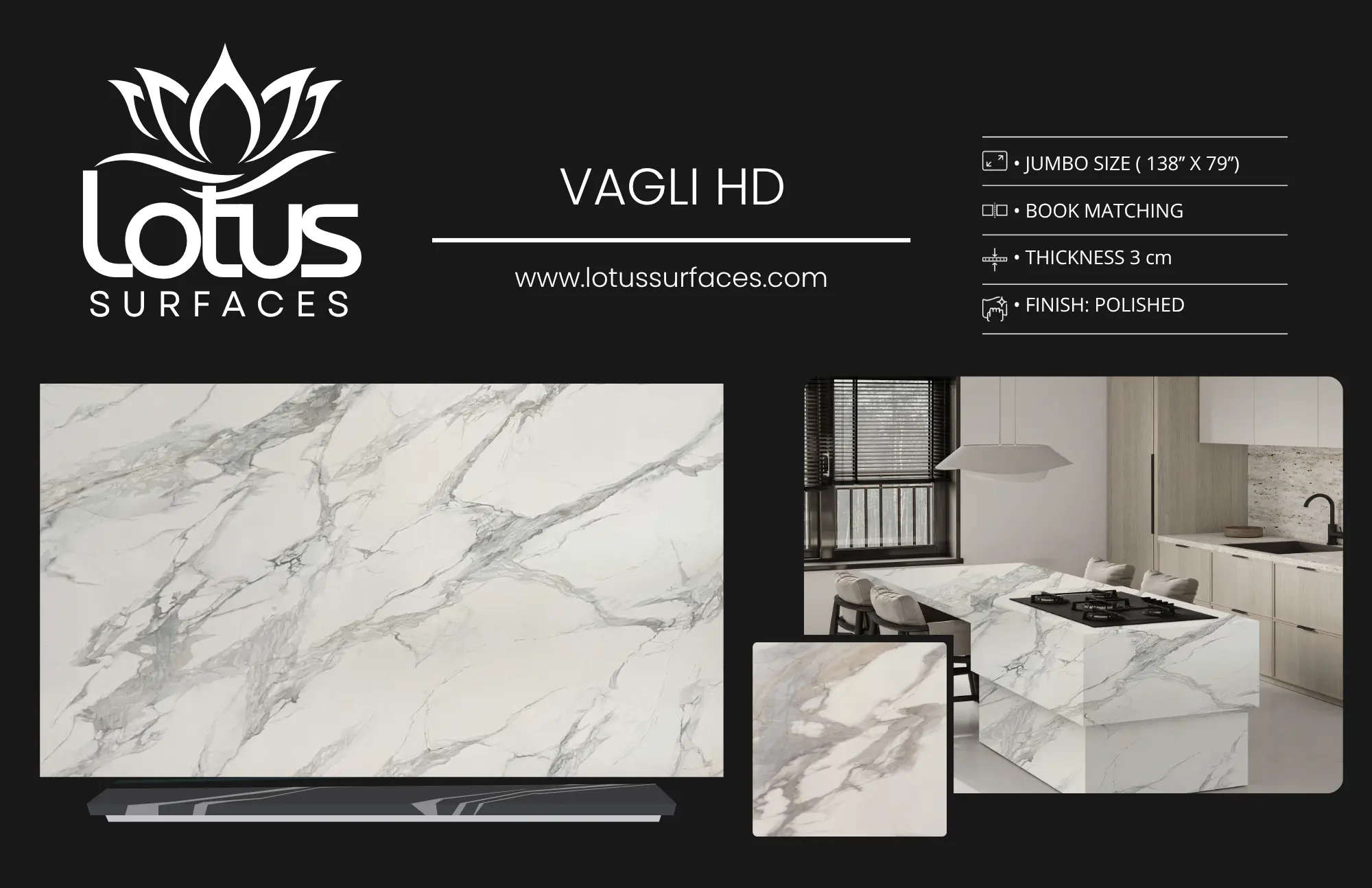
Porcelain slabs are gaining popularity for their sleek appearance and exceptional durability. They are resistant to heat, scratches, and stains, making them suitable for kitchen environments. Additionally, porcelain can mimic the look of natural stone without the maintenance requirements.
4. Laminate Countertops
For those on a budget, laminate countertops provide an affordable alternative. They come in a variety of colors and patterns, including options that mimic stone. While not as durable as stone surfaces, modern laminates can be surprisingly resilient.
5. Butcher Block Countertops
Butcher block countertops add warmth and a natural element to a galley kitchen. They are ideal for food preparation but require regular maintenance to prevent warping and staining.
Color and Light Considerations
When selecting countertops for a galley kitchen, color plays a critical role in maximizing light and creating a sense of space. Here are some tips:
1. Light Colors
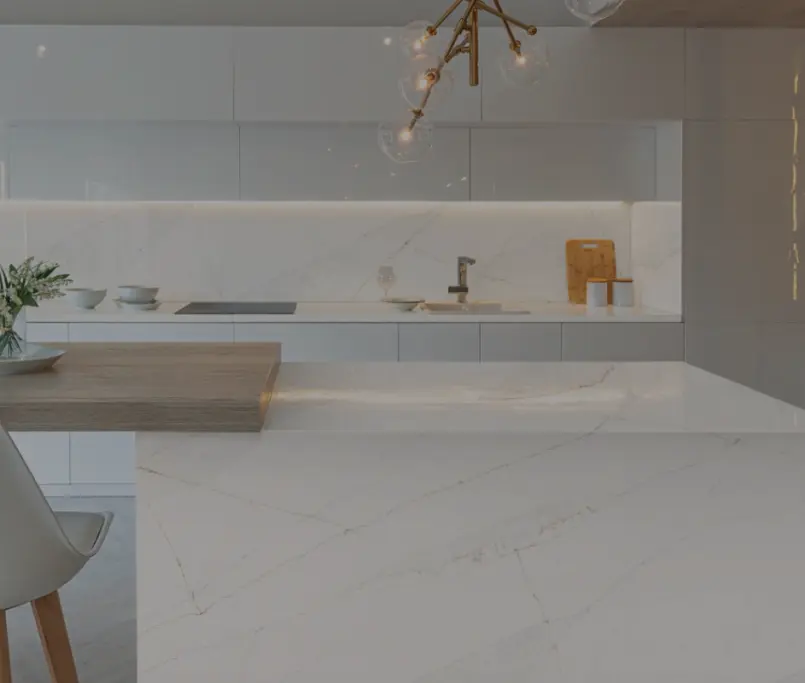
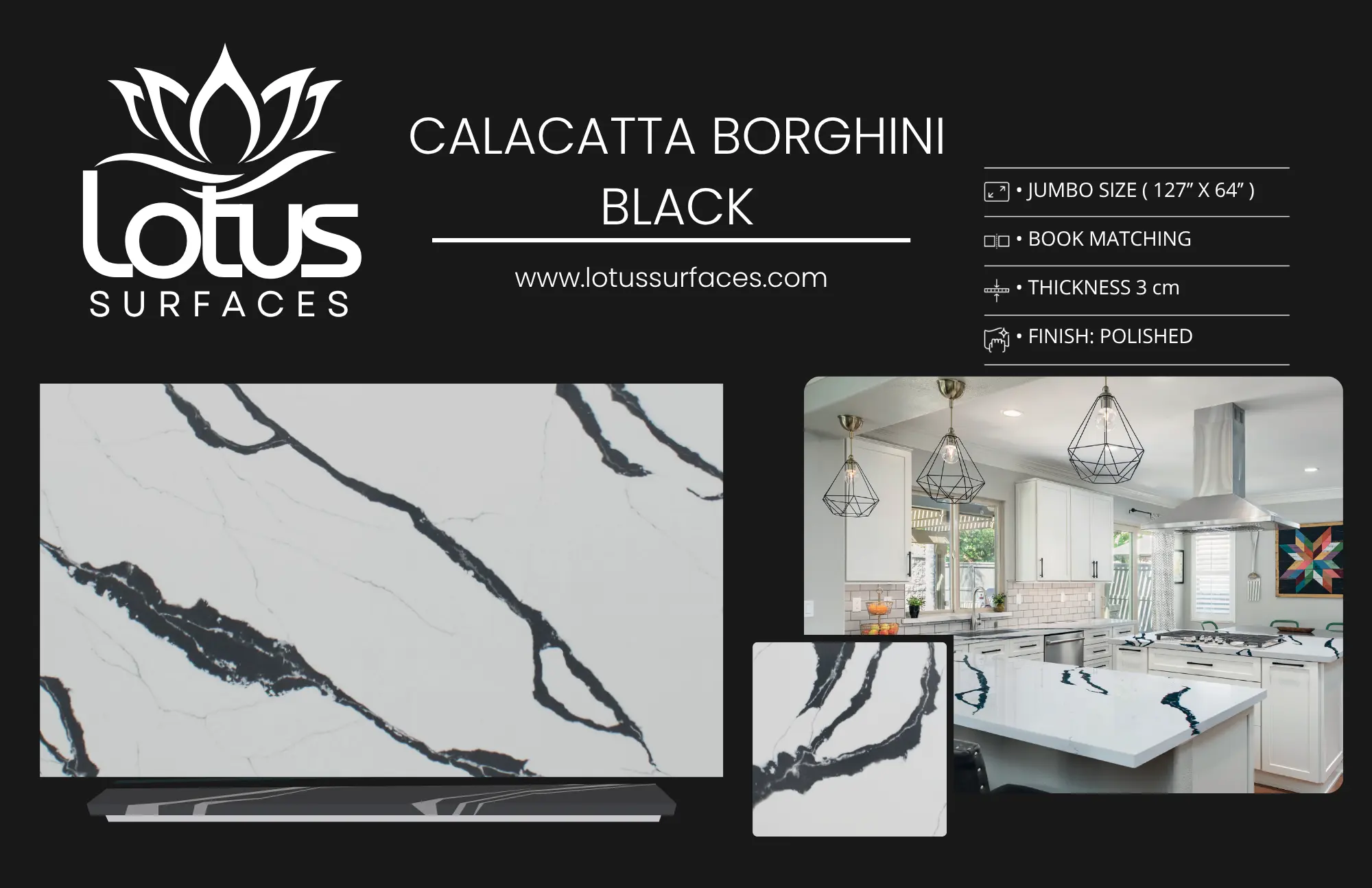
Opt for light-colored countertops to enhance brightness in your galley kitchen. Whites, creams, and light grays can reflect natural light, making the space feel more open.
2. Glossy Finishes
Consider countertops with a glossy finish to further enhance light reflection. Glossy surfaces can help bounce light around the room, creating a brighter atmosphere.
3. Contrasting Accents
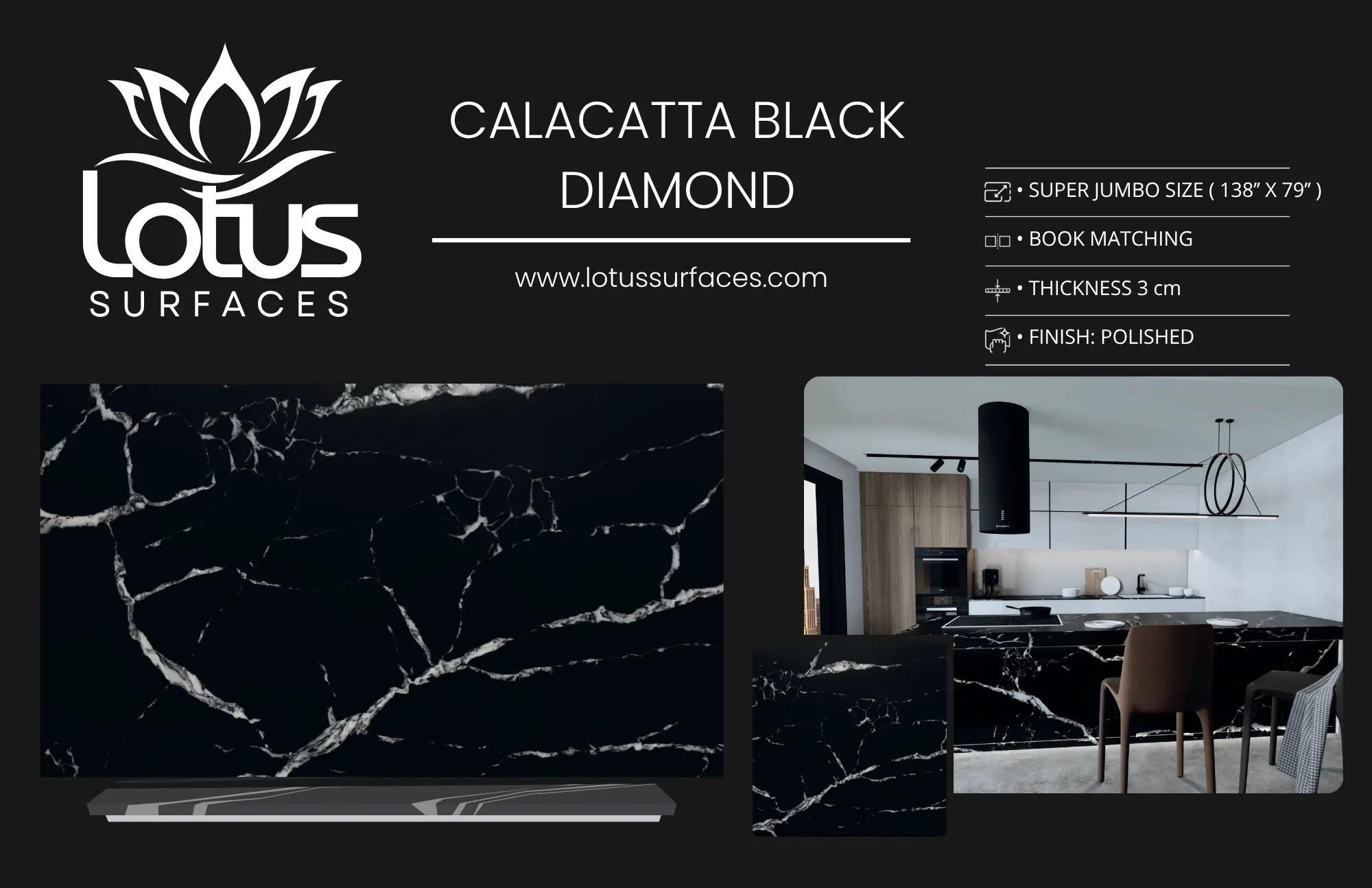
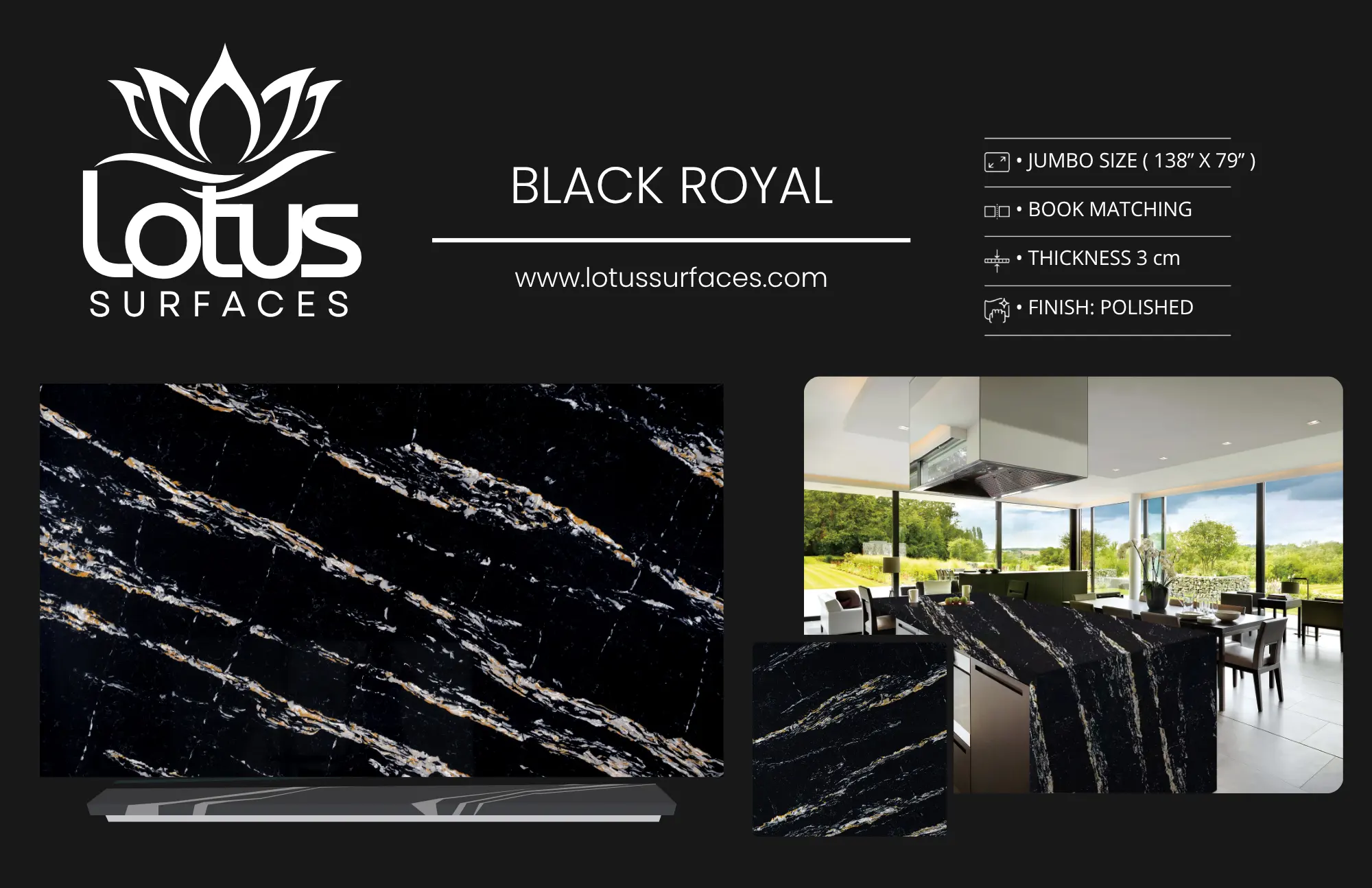
Incorporate contrasting colors through backsplashes or cabinet choices to add depth and interest without overwhelming the space. For example, pairing light countertops with dark cabinets can create a striking visual effect.
Design Tips for Maximizing Space
In addition to choosing the right countertops, consider these design tips to maximize space in your galley kitchen:
1. Use Open Shelving
Open shelving can create an airy feel while providing easy access to kitchen essentials. Pairing open shelves with light countertops can enhance the illusion of space.
2. Incorporate Vertical Lines
Utilize vertical lines in your design, such as tall cabinets or vertical backsplash tiles, to draw the eye upward and create the perception of height.
3. Optimize Lighting
Maximize natural light by keeping windows unobstructed. Additionally, consider installing under-cabinet lighting to brighten countertops and workspaces.
4. Limit Clutter
Keep countertops clear of unnecessary items to maintain a clean and spacious look. Use cabinets and drawers for storage to minimize visual clutter.
Installation and Care Tips
Once you’ve selected your countertops, proper installation and care are crucial to ensure longevity:
1. Professional Installation
For the best results, hire a professional countertop installer. At Lotus Surfaces, our experienced team provides expert installation services, ensuring accurate measurements and precise fitting. Contact us at in**@***********es.com to learn more.
2. Regular Maintenance
Follow the manufacturer’s care instructions for your chosen material. For example, quartz may require simple soap and water cleaning, while granite needs periodic sealing.
3. Avoid Harsh Chemicals
Use gentle cleaners to avoid damaging the surface of your countertops. Harsh chemicals can affect the finish and longevity of materials.
4. Use Cutting Boards
To prevent scratches, always use cutting boards when preparing food. Avoid cutting directly on the countertop surface.
FAQs
1. What are the best countertop materials for small kitchens?
The best countertop materials for small kitchens include quartz, granite, and porcelain due to their durability and light-reflective properties.
2. How do I choose the right color for my countertops?
Opt for light colors or glossy finishes to maximize light and create a sense of space in your kitchen.
3. Can I install countertops myself?
While it is possible to install countertops yourself, professional installation is recommended for the best results, especially with heavy materials like granite.
4. How do I maintain my quartz countertops?
Quartz countertops are low-maintenance and can be cleaned with soap and water. Avoid harsh chemicals that can damage the surface.
5. What is the average cost of granite countertops?
The average cost of granite countertops can range from $40 to $100 per square foot, depending on the quality and complexity of the installation.
6. Are laminate countertops durable?
Modern laminate countertops can be quite durable, but they are generally not as resilient as stone surfaces and may be more prone to scratches and heat damage.
7. How can I create more space in my galley kitchen?
Consider using open shelving, vertical lines in design, and optimizing lighting to create a more spacious feel.
8. What are the benefits of porcelain countertops?
Porcelain countertops are heat, scratch, and stain-resistant, making them an excellent choice for kitchen environments.