The Complete Guide to Countertop Options for Wet Rooms and Walk-In Showers
When designing a wet room or walk-in shower, choosing the right countertop material is crucial for both aesthetics and functionality. These spaces are not only focal points in modern bathrooms but also require materials that can withstand moisture, heat, and wear over time. In this comprehensive guide, we will delve into the best countertop options for wet rooms and walk-in showers, focusing on durability, design, and maintenance. By the end of this article, you will have a thorough understanding of the various materials available, helping you make an informed decision for your renovation project.
Understanding Wet Rooms and Walk-In Showers
Wet rooms and walk-in showers are increasingly popular in modern home design, offering a luxurious and spacious feel. A wet room is essentially a bathroom where the shower area is open and integrated into the overall space, often featuring a sloped floor to facilitate drainage. Walk-in showers, on the other hand, are enclosed shower spaces that provide easy access without the need for stepping over a tub or shower threshold.
Both designs prioritize accessibility and style, making them ideal choices for homeowners looking to elevate their bathroom experience. However, with their unique designs comes the need for specific countertop materials that can handle high moisture levels and potential water exposure.
Essential Considerations for Countertops
Choosing the right countertop for your wet room or walk-in shower involves several key considerations:
- Moisture Resistance: The countertop material must be impervious to water to prevent warping, staining, or mold growth.
- Durability: High durability is crucial, as these surfaces will be subject to daily use and exposure to cleaning products.
- Aesthetic Appeal: The material should complement the overall design of your bathroom, enhancing its visual appeal.
- Maintenance: Consider how easy or difficult the material is to clean and maintain over time.
- Cost: Budget constraints will also play a role in material selection, so it’s essential to weigh cost against quality.
Top Countertop Materials for Wet Rooms
Here are the leading countertop materials that are well-suited for wet rooms and walk-in showers:
1. Quartz
Quartz countertops are engineered from natural quartz crystals and resin, making them non-porous and resistant to moisture, stains, and scratches. This material is available in a vast array of colors and patterns, allowing homeowners to find the perfect match for their design.
2. Granite
Granite is a natural stone that offers exceptional durability and resistance to heat and scratches. Although it is porous, proper sealing can enhance its moisture resistance, making it a popular choice for wet environments. Its unique veining and patterns add character to any space.
3. Porcelain
Porcelain countertops are highly durable and resistant to water, making them an ideal choice for wet rooms. They are available in various styles, including options that mimic natural stone, providing a sleek and modern look.
4. Solid Surface
Solid surface materials, such as Corian, are non-porous and easy to clean, making them suitable for wet environments. They can be seamlessly installed, providing a clean and contemporary look. However, they may be less heat-resistant than stone options.
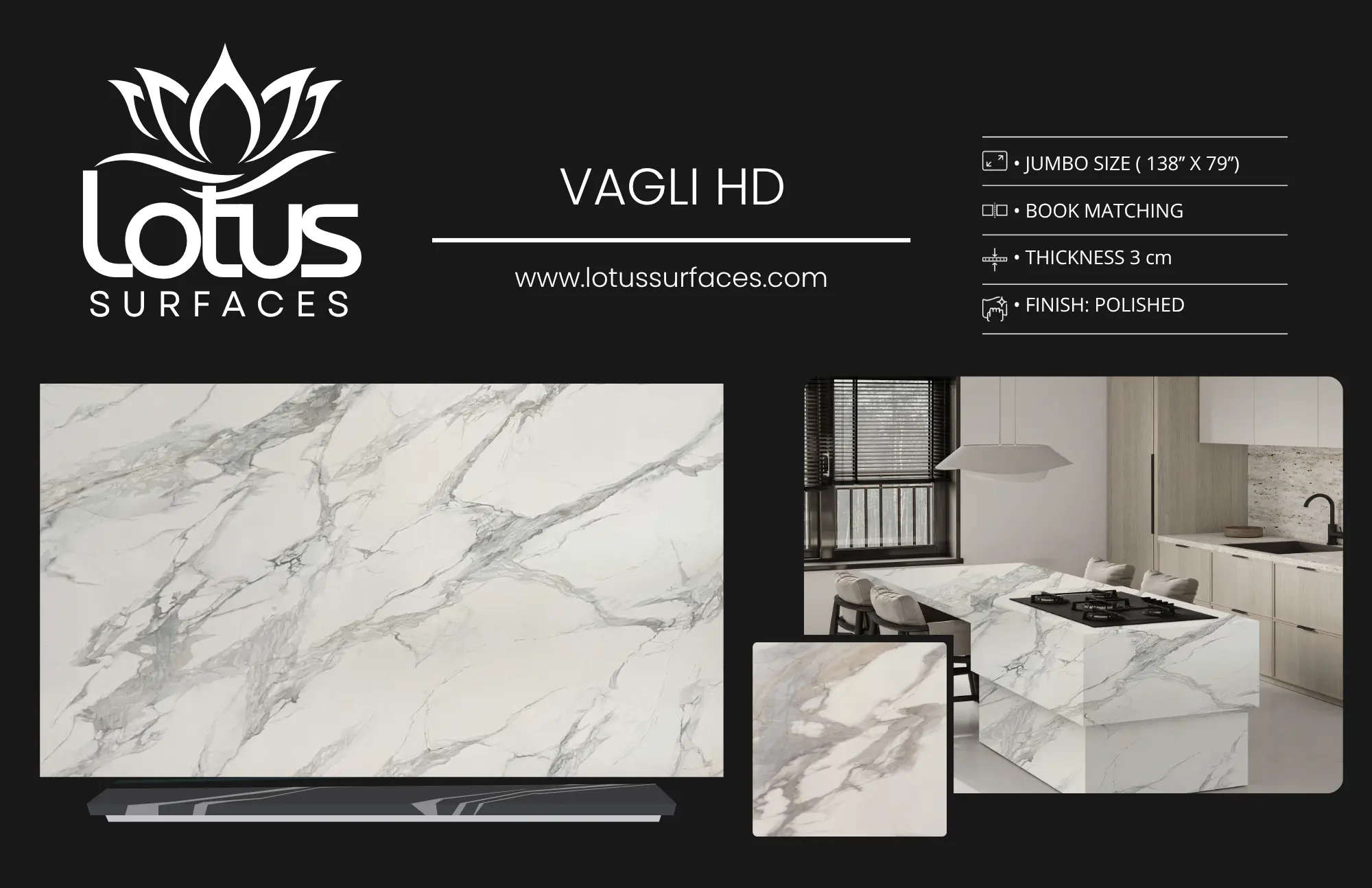
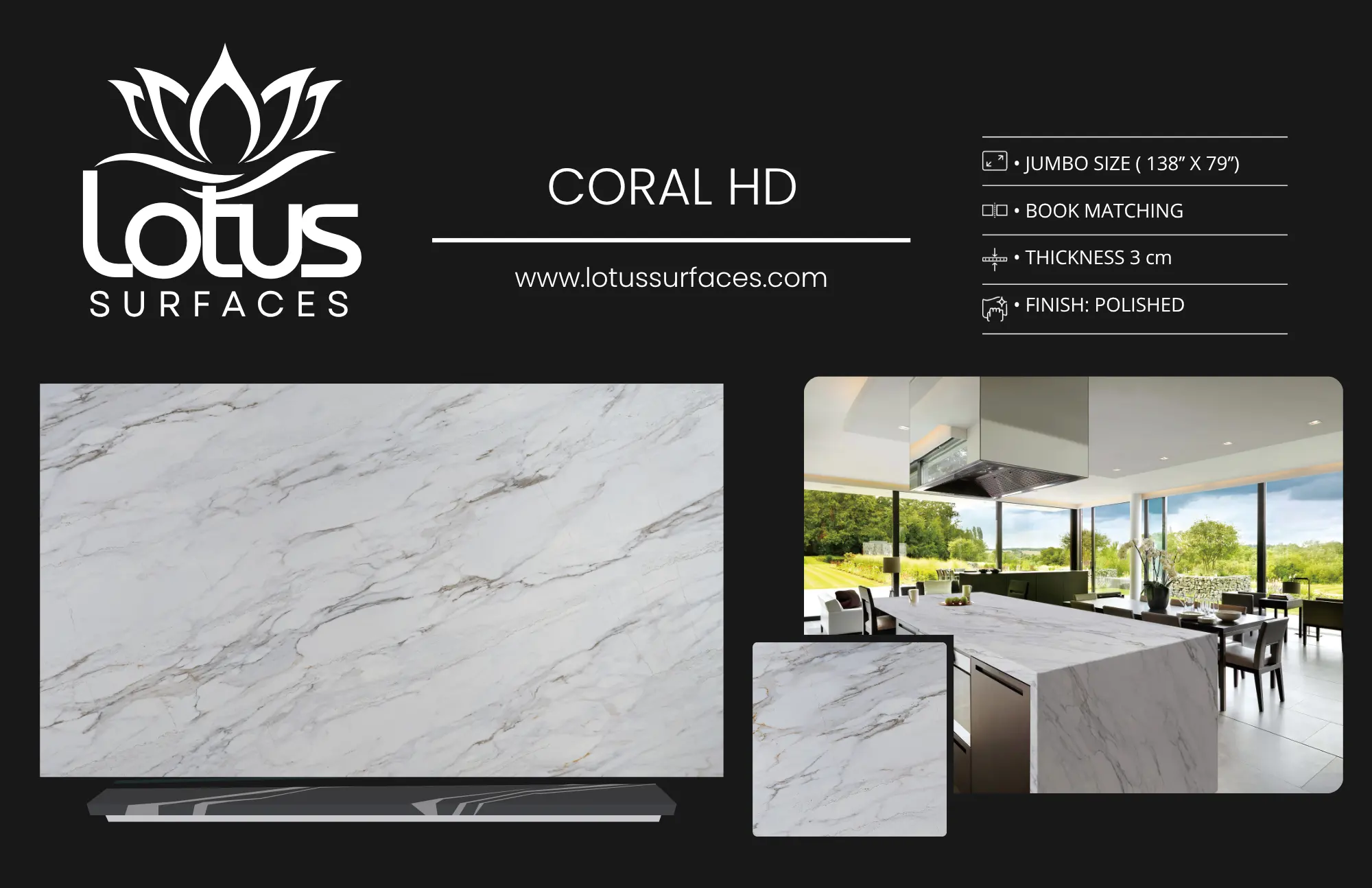
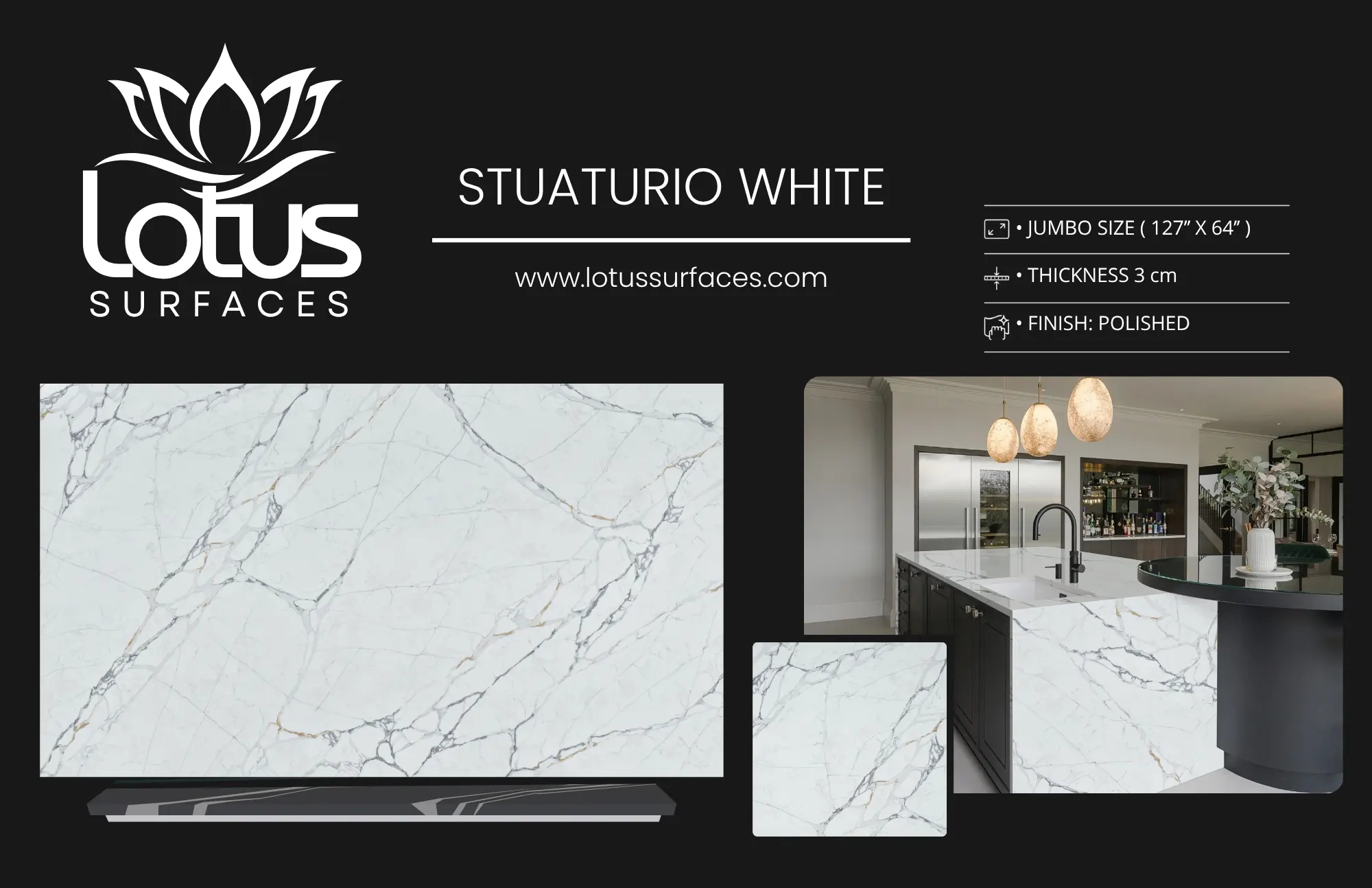
5. Marble
While marble offers a timeless appeal and luxurious aesthetic, it is more porous than other stones, making it less suitable for constant water exposure. If you choose marble, ensure it is properly sealed and maintained to avoid staining and etching.
Comparing Countertop Options
| Material | Moisture Resistance | Durability | Aesthetic Appeal | Maintenance | Cost |
|---|---|---|---|---|---|
| Quartz | Excellent | High | Wide variety of colors | Low | $$$ |
| Granite | Good (when sealed) | High | Natural beauty | Medium (requires sealing) | $$$ |
| Porcelain | Excellent | High | Modern looks | Low | $$ |
| Solid Surface | Excellent | Medium | Seamless design | Low | $$$ |
| Marble | Fair (requires sealing) | Medium | Classic elegance | Medium (requires regular maintenance) | $$$$ |
Maintenance Tips for Countertops
Proper maintenance is essential to prolong the life and appearance of your countertops in wet rooms and walk-in showers:
- Regular Cleaning: Use a gentle cleaner and soft cloth to wipe down surfaces. Avoid harsh chemicals that can damage the finish.
- Sealing (if necessary): For porous materials like granite and marble, regular sealing is necessary to prevent moisture penetration.
- Avoid Heat: Always use trivets or heat pads to protect surfaces from hot items.
- Immediate Spill Cleanup: Clean spills promptly to avoid staining, especially with acidic substances.
Conclusion
Choosing the right countertop for your wet room or walk-in shower is crucial for both aesthetics and functionality. By considering factors like moisture resistance, durability, and maintenance, you can select a material that not only enhances your bathroom’s design but also withstands the rigors of daily use. Whether you opt for quartz, granite, porcelain, or solid surface materials, ensure that you prioritize quality to achieve lasting beauty and performance.
For personalized guidance on selecting the perfect countertop for your bathroom renovation, contact our expert team at Lotus Surfaces. We specialize in providing high-quality countertop solutions tailored to your unique needs.
FAQs
What is the best countertop material for wet rooms?
The best countertop materials for wet rooms are quartz and porcelain due to their excellent moisture resistance and low maintenance requirements.
Can granite be used in wet rooms?
Yes, granite can be used in wet rooms, but it must be properly sealed to enhance its moisture resistance.
How do I maintain marble countertops in a wet room?
Marble countertops require regular sealing and gentle cleaning with pH-balanced cleaners to prevent staining and etching.
Are solid surface countertops a good choice for walk-in showers?
Yes, solid surface countertops are a good choice for walk-in showers because they are non-porous and easy to clean.
What countertop materials are not recommended for wet rooms?
Materials like untreated wood and certain natural stones with high porosity are not recommended for wet rooms due to their susceptibility to water damage.
How often should I seal my granite countertops?
Granite countertops should be sealed every 6 to 12 months, depending on usage and exposure to moisture.
Can I use bleach to clean my countertops?
Bleach should be avoided on most countertop materials as it can cause discoloration and damage. Use a gentle cleaner instead.
Where can I find high-quality countertops in Atlanta?
You can find high-quality countertops in Atlanta at Lotus Surfaces, where we offer a wide selection of premium materials.