
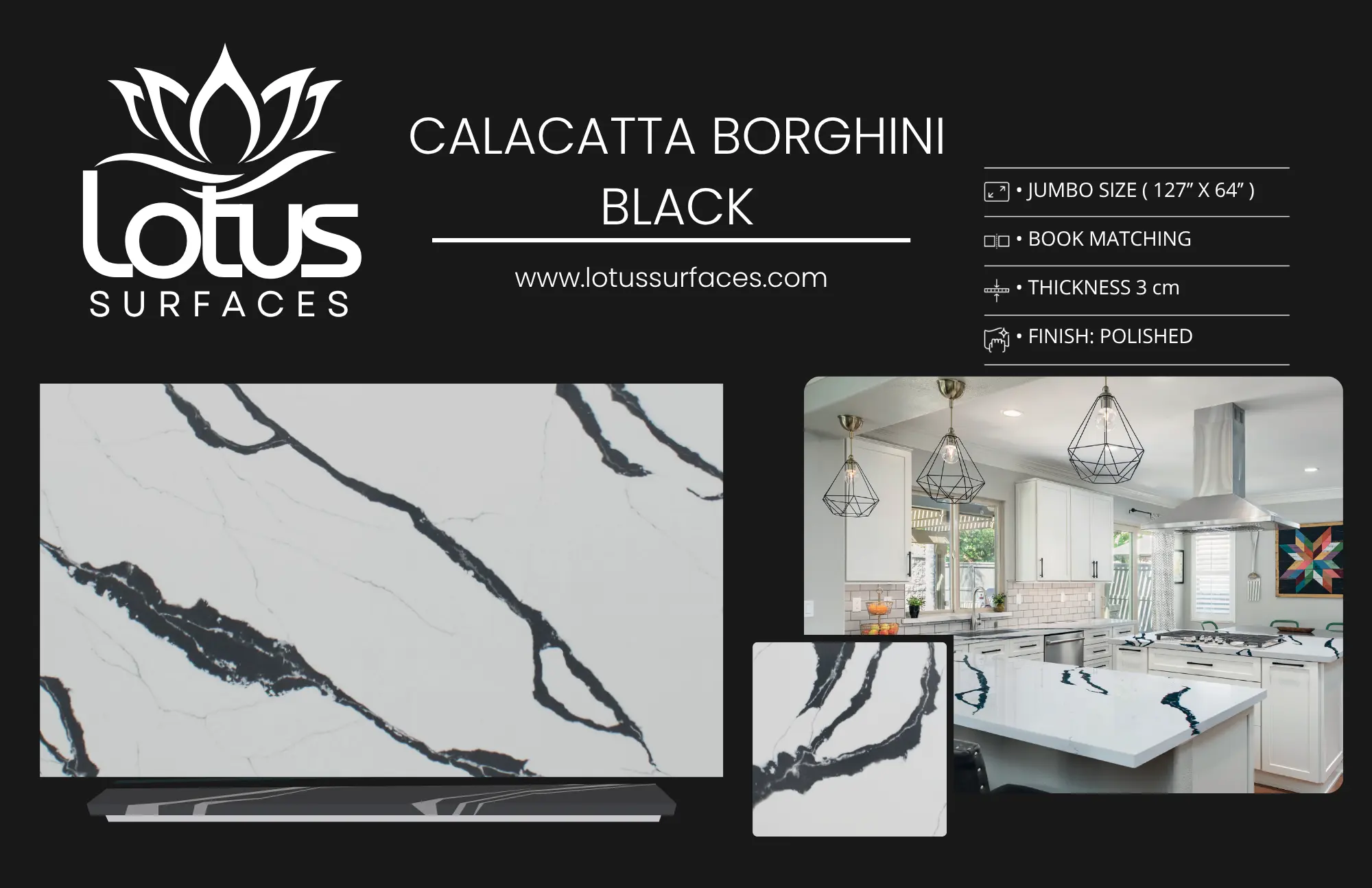

The Ultimate Guide to Countertop Material Safety: Food Contact & Chemical Resistance
When it comes to choosing the right countertop materials for your kitchen or bathroom, safety is a paramount concern. Homeowners in Norcross and the greater Atlanta area seek not only aesthetic appeal but also materials that are safe for food contact and resistant to chemicals. In this comprehensive guide, we will delve into the safety aspects of various countertop materials, including quartz, granite, and porcelain, to help you make informed choices for your home. You’ll learn about the best materials for food contact, their chemical resistance properties, and how to maintain them for long-lasting safety and beauty.
Understanding Countertop Safety Standards
Countertop safety standards are established to ensure that materials used in kitchen and bathroom surfaces do not pose health risks. Organizations such as the U.S. Food and Drug Administration (FDA) and the Environmental Protection Agency (EPA) set guidelines for materials that come into contact with food. These standards are crucial for homeowners who prioritize health and safety in their living spaces.
For instance, the FDA requires that surfaces intended for food contact must be made from materials that are non-toxic and can be cleaned effectively. This applies to common materials such as quartz, granite, and porcelain. Understanding these standards is essential for homeowners in Norcross and the greater Atlanta area, where kitchen renovations are popular.
Top Countertop Materials: Safety Overview
When considering countertop materials, it is vital to evaluate their safety features. Here’s an overview of some popular materials:
- Quartz Countertops: Engineered from natural quartz crystals, these surfaces are non-porous and resistant to bacteria, making them a safe option for food preparation. Their durability and low maintenance make them a favorite among homeowners.
- Granite Countertops: As a natural stone, granite is beautiful and durable. However, it is porous and can harbor bacteria if not sealed correctly. Regular sealing is essential to maintain its safety.
- Porcelain Countertops: Known for their high resistance to stains and scratches, porcelain countertops are also non-porous. They are a great option for food contact surfaces due to their safety and durability.
Each material offers unique benefits and considerations when it comes to safety, making it vital to choose the right one for your needs.
Food Contact Safety and Regulations
Food contact safety is governed by strict regulations to ensure that countertops do not leach harmful substances into food. The FDA outlines specific criteria for materials used in food preparation areas, including:
- Non-Toxic Materials: Countertops must be made from materials that do not release harmful chemicals when in contact with food.
- Cleanability: Surfaces should be easy to clean and sanitize to prevent the growth of bacteria.
- Durability: Materials should withstand daily wear and tear without degrading.
Homeowners should look for certifications such as NSF International, which indicates that the material meets safety standards for food contact. For instance, quartz countertops often carry this certification, making them a trusted choice.
Chemical Resistance of Countertop Materials
In addition to food safety, chemical resistance plays a crucial role in countertop material selection. Homeowners should consider how different materials react to common household chemicals, including cleaners and acids. Here’s a quick overview:
| Material | Food Contact Safety | Chemical Resistance |
|---|---|---|
| Quartz | High | Excellent |
| Granite | Moderate (requires sealing) | Good |
| Porcelain | High | Excellent |
Quartz and porcelain countertops excel in both food contact safety and chemical resistance, making them ideal for busy kitchens. Granite, while beautiful, requires more maintenance to ensure it remains safe and resistant to chemicals.
Comparative Analysis of Countertop Materials
To help you make an informed decision, here’s a comparative analysis of the top countertop materials based on safety, durability, and maintenance:
| Material | Safety | Durability | Maintenance |
|---|---|---|---|
| Quartz | Non-porous, safe for food contact | Highly durable, scratch-resistant | Low maintenance, easy to clean |
| Granite | Safe if sealed properly | Very durable, but can chip | Requires regular sealing |
| Porcelain | Safe and non-porous | Extremely durable, resistant to scratches | Low maintenance, easy to clean |
This comparison highlights the strengths and weaknesses of each material, assisting homeowners in making the best choice based on their needs and lifestyle.
Maintenance Tips for Safe Countertops
To ensure your countertops remain safe and functional, follow these maintenance tips:
- Regular Cleaning: Use mild soap and water to clean surfaces regularly. Avoid harsh chemicals that can damage the surface.
- Sealing Granite: If you choose granite, seal it every 1-2 years to maintain its non-porous surface and prevent bacteria growth.
- Immediate Spill Cleanup: Wipe up spills immediately to prevent staining, especially on porous surfaces like granite.
Conclusion
Choosing the right countertop material involves understanding safety standards, food contact safety, and chemical resistance. Quartz and porcelain countertops stand out for their safety features, making them ideal choices for homeowners in Norcross and the greater Atlanta area. By maintaining your countertops properly, you can ensure they remain safe and beautiful for years to come. If you’re ready to explore high-quality countertop options, Lotus Surfaces offers a wide selection of premium materials tailored to your needs.
Frequently Asked Questions
1. What countertop materials are safest for food contact?
Quartz and porcelain are among the safest countertop materials for food contact due to their non-porous nature and resistance to bacteria.
2. How often should granite countertops be sealed?
Granite countertops should be sealed every 1-2 years to maintain their non-porous surface and prevent bacteria growth.
3. Are quartz countertops resistant to chemicals?
Yes, quartz countertops are highly resistant to chemicals, making them an excellent choice for kitchens.
4. What is the best way to clean countertop surfaces?
Use mild soap and water for regular cleaning, and avoid harsh chemicals that can damage the surface.
5. Can I use cutting boards on quartz countertops?
Yes, while quartz is scratch-resistant, using cutting boards is recommended to maintain the surface’s pristine condition.
6. What are the benefits of porcelain countertops?
Porcelain countertops are non-porous, highly durable, resistant to scratches, and easy to maintain, making them ideal for kitchens.
7. How do I know if my granite countertop needs sealing?
Perform a water test: if water beads on the surface, it’s still sealed; if it absorbs, it’s time to reseal.
8. Are there any certifications to look for when choosing countertops?
Look for NSF International certification, which indicates that the material meets safety standards for food contact.