



The Complete Guide to Countertop Solutions for Commercial Restaurant Kitchens
When it comes to outfitting a commercial restaurant kitchen, the choice of countertops is crucial. Not only do they need to withstand the rigors of daily use, but they also must support the unique demands of food safety, hygiene, and aesthetics. In this comprehensive guide, we will explore the various countertop solutions available for commercial kitchens, focusing on materials, installation processes, and maintenance tips. By the end of this article, you will have a thorough understanding of how to choose the right countertop for your restaurant, ensuring both functionality and style.
Understanding Countertop Materials
Choosing the right material for your restaurant kitchen countertops is essential. Each material has its unique properties, advantages, and disadvantages. Here are the most commonly used countertop materials in commercial kitchens:
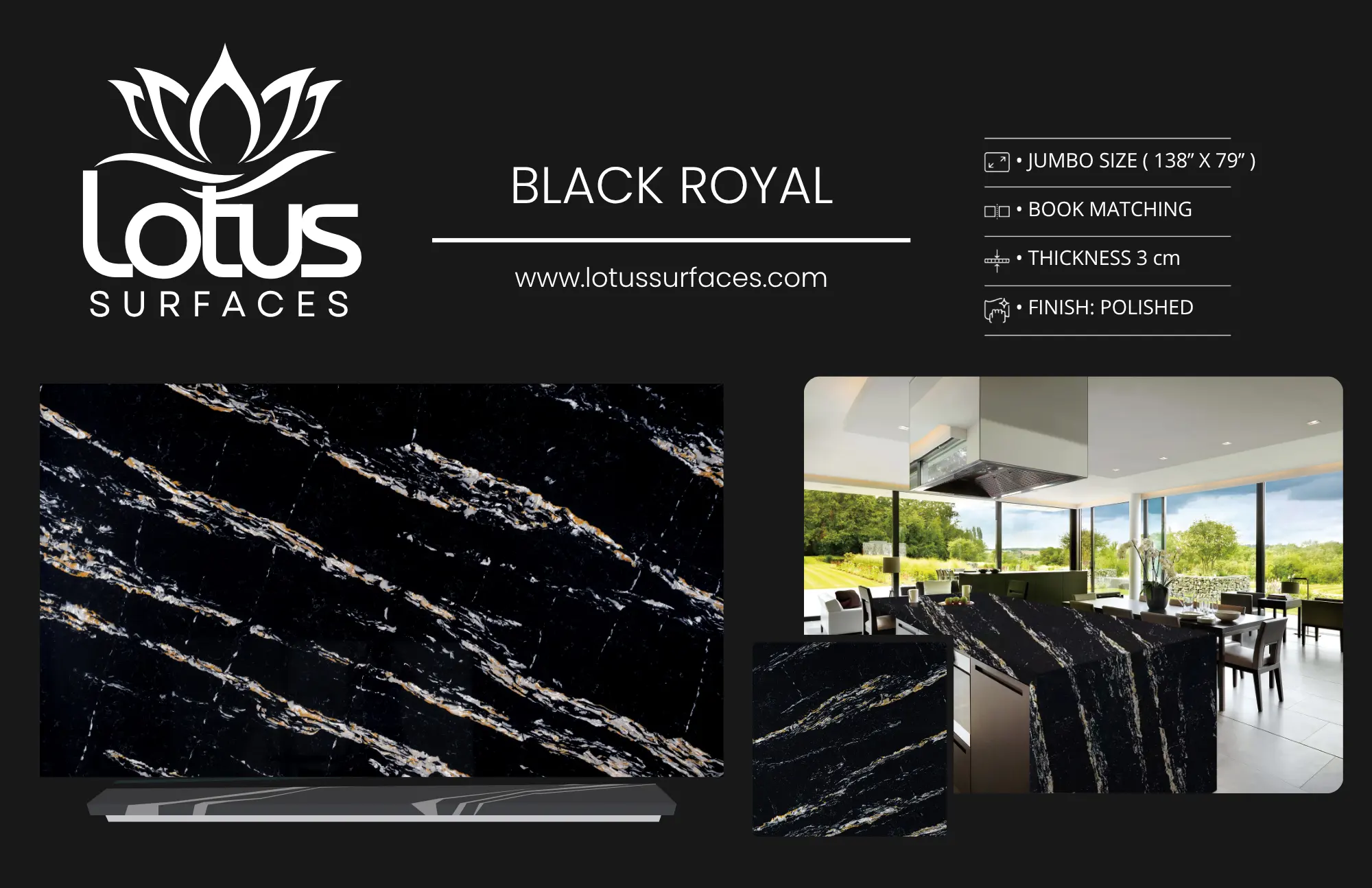
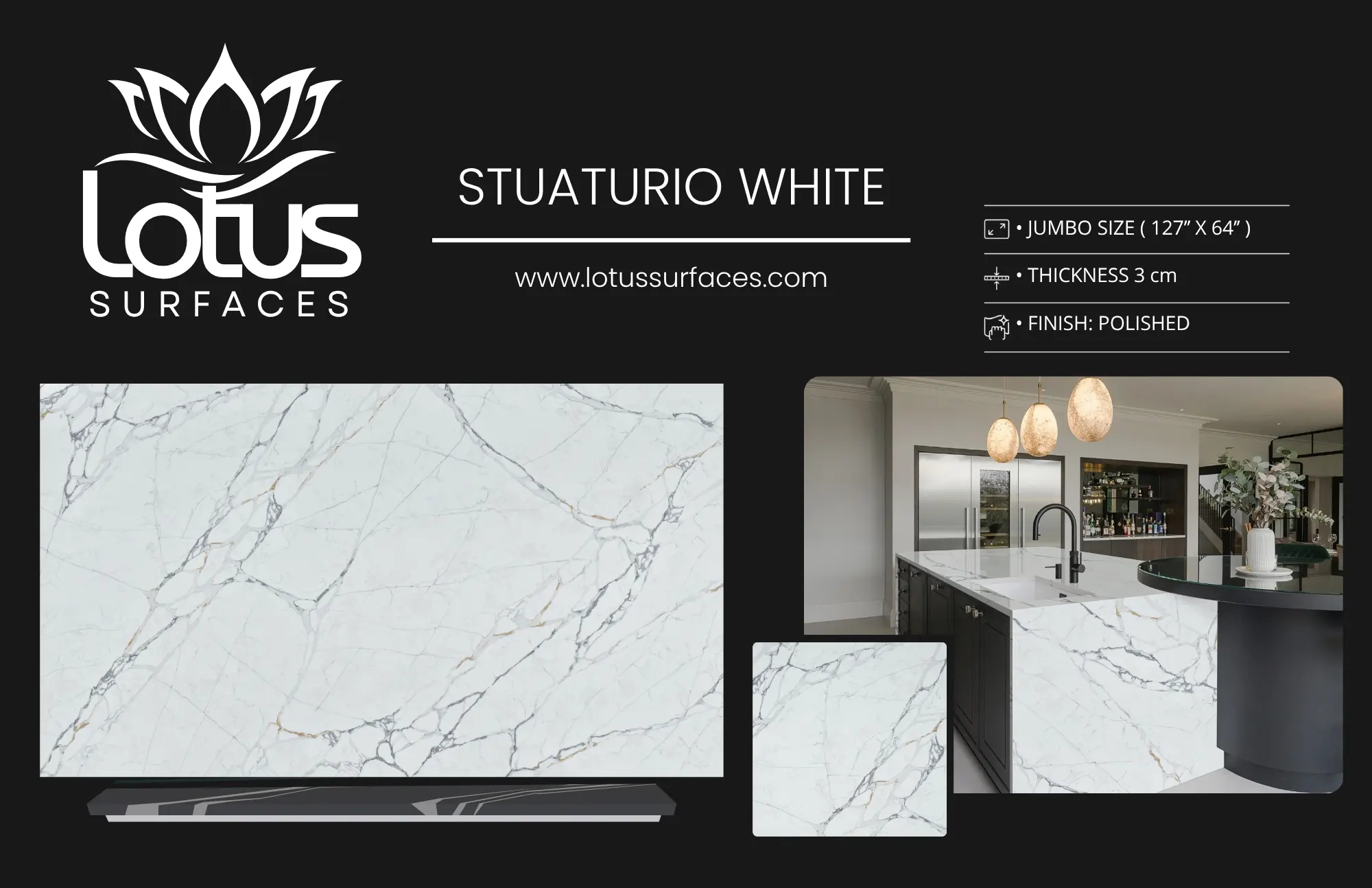
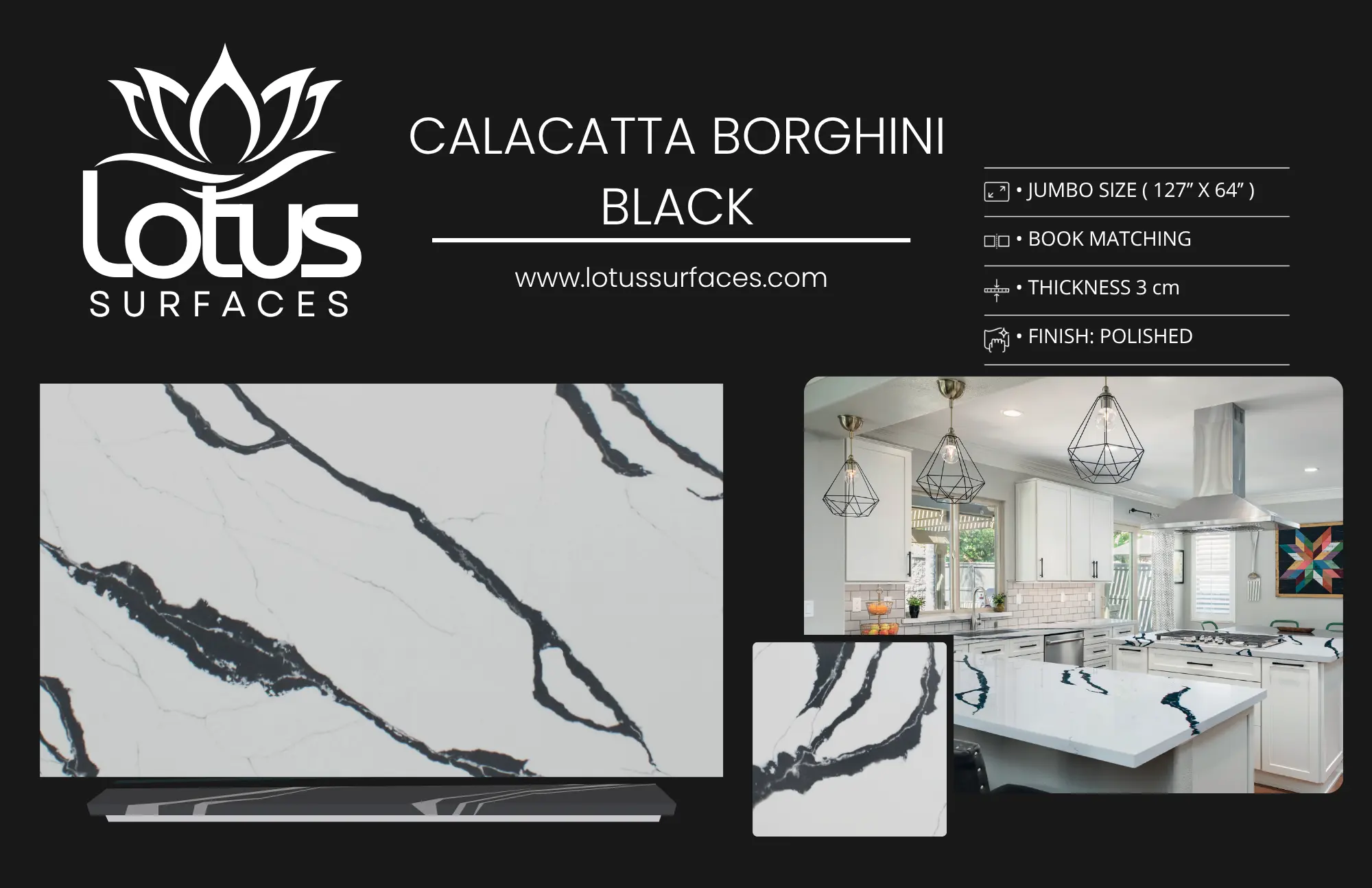
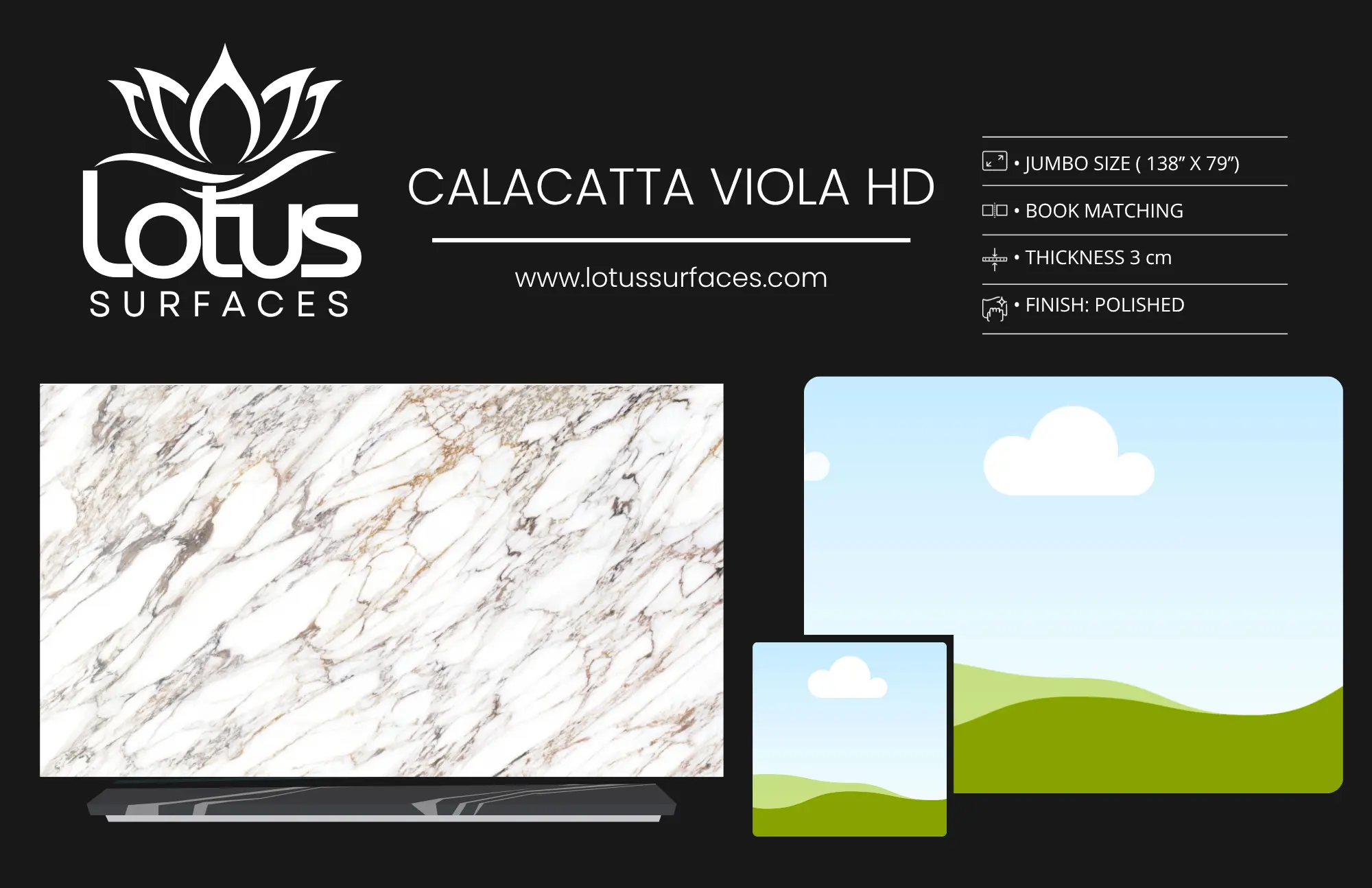
- Quartz: Engineered stone that combines natural quartz with resins. It is non-porous, making it resistant to stains and bacteria, which is crucial for food safety. Its durability and aesthetic appeal make it a favorite among many restaurant owners.
- Granite: A natural stone that offers durability and a unique appearance. Granite countertops are heat-resistant and can withstand heavy use, but they require periodic sealing to maintain their integrity.
- Stainless Steel: A staple in commercial kitchens, stainless steel countertops are non-porous, easy to clean, and resistant to heat and bacteria. They are ideal for food preparation areas.
- Porcelain: Known for its high resistance to heat, scratches, and stains, porcelain countertops are gaining popularity in commercial kitchens. They are available in various colors and patterns.
- Laminate: An affordable option, laminate countertops are made from a composite material and topped with a thin layer of plastic. While they are not as durable as stone options, they can mimic the appearance of more expensive materials.
Key Considerations for Restaurant Kitchen Countertops
When selecting countertops for your commercial kitchen, consider the following factors:
- Durability: Your countertops must withstand heavy use, spills, and heat. Choose materials that can endure the demands of a busy kitchen.
- Hygiene: Non-porous materials reduce the risk of bacteria growth. Ensure the chosen material complies with health and safety regulations.
- Cost: Budget is a significant factor. While high-end materials may offer benefits, consider your long-term investment and maintenance costs.
- Style: The aesthetic appeal of your countertops can enhance the overall look of your restaurant. Choose a material that complements your kitchen design.
- Installation: Consider the complexity of installation and whether you will need professional help. Some materials may require specialized installation techniques.
Popular Countertop Solutions for Commercial Kitchens
Here’s a detailed look at some of the best countertop solutions for commercial restaurant kitchens:
| Material | Durability | Cost | Maintenance | Hygiene |
|---|---|---|---|---|
| Quartz | High | $$$ | Low | Excellent |
| Granite | High | $$$ | Medium | Good |
| Stainless Steel | Very High | $$$ | Low | Excellent |
| Porcelain | High | $$ | Low | Excellent |
| Laminate | Medium | $ | Medium | Fair |
As shown in the comparison table above, each material offers different levels of durability, cost, maintenance requirements, and hygiene standards. Understanding these factors will help you make an informed decision when choosing countertops for your restaurant kitchen.
Installation Process for Countertops
The installation process varies depending on the material chosen. Here’s a general overview of what to expect:
- Preparation: Clear the area where the countertop will be installed. Ensure the cabinets and structures are level and secure.
- Measurement: Accurate measurements are crucial for a proper fit. Use digital templating for precision, especially with materials like quartz and granite.
- Cutting: For materials that require cutting, such as granite or quartz, this should be done by a professional fabricator to ensure clean edges and proper fit.
- Installation: Secure the countertop in place using appropriate adhesives or fasteners. For heavier materials like granite, additional support may be necessary.
- Sealing: For porous materials, sealants should be applied to protect against stains and bacteria. This is especially important for granite and natural stone.
After installation, it’s essential to check for any gaps or misalignments. Professional installers can help ensure a flawless finish. At Lotus Surfaces, we offer expert countertop installation services tailored to the needs of commercial kitchens in the Greater Atlanta area.
Maintaining Your Commercial Countertops
Proper maintenance is vital to prolonging the lifespan of your countertops. Here are some best practices:
- Daily Cleaning: Clean surfaces daily with warm soapy water and a soft cloth. Avoid abrasive cleaners that can scratch surfaces.
- Regular Sealing: For granite and other porous materials, reapply sealants as recommended, typically every 6-12 months, to maintain protection.
- Stain Removal: Address spills immediately to prevent staining. Use appropriate cleaning agents for specific materials.
- Inspect for Damage: Regularly check for chips, cracks, or other damage that may require repair or replacement.
By following these maintenance tips, you can ensure that your countertops remain hygienic and visually appealing, contributing to a safe and stylish kitchen environment.
Cost Considerations for Countertop Solutions
The cost of countertops can vary widely based on material, quality, and installation. Here’s a breakdown of average costs:
| Material | Average Cost per Square Foot | Installation Cost per Square Foot | Total Estimated Cost per Square Foot |
|---|---|---|---|
| Quartz | $50 – $100 | $15 – $30 | $65 – $130 |
| Granite | $40 – $100 | $20 – $40 | $60 – $140 |
| Stainless Steel | $70 – $150 | $20 – $30 | $90 – $180 |
| Porcelain | $40 – $80 | $10 – $25 | $50 – $105 |
| Laminate | $10 – $30 | $5 – $15 | $15 – $45 |
As evident from the table, the total cost can significantly vary based on the choice of material and installation methods. It’s essential to consider long-term durability and maintenance costs when making your selection.
Expert Tips for Choosing the Right Countertop
Here are some expert insights to help you make the best choice for your restaurant kitchen:
- Conduct Research: Understand the pros and cons of each material. Research local suppliers and fabricators, such as Lotus Surfaces, for quality options and advice.
- Consult Professionals: Engage with kitchen design experts or contractors who can provide tailored recommendations based on your kitchen layout and cooking style.
- Test Samples: Whenever possible, request samples of materials to see how they perform in your kitchen setting and how they fit your design aesthetic.
- Plan for Future Needs: Consider your restaurant’s growth and whether your countertop choice will be adaptable to future layout changes or expansions.
Frequently Asked Questions
What are the best countertop materials for commercial kitchens?
The best materials include quartz, granite, stainless steel, and porcelain due to their durability and hygienic properties.
How often should commercial countertops be sealed?
Granite and similar porous materials should be sealed every 6-12 months, depending on usage.
Can I install countertops myself?
While some materials can be DIY-installed, it’s often best to hire professionals for proper installation, especially for heavy materials like granite.
What is the average lifespan of commercial countertops?
With proper maintenance, quartz and granite countertops can last 10-20 years, while laminate may last 5-10 years.
Are stainless steel countertops worth the investment?
Yes, stainless steel countertops are highly durable, hygienic, and resistant to heat, making them ideal for busy kitchens.
How do I remove stains from my countertops?
Use appropriate cleaning agents for your countertop material. For tough stains, consider specialized stain removers or consult a professional.
What is the cost difference between quartz and granite?
Quartz typically ranges from $50-$100 per square foot, while granite ranges from $40-$100, making them comparable in price depending on quality.
Where can I find countertop solutions near me?
Local fabricators, like Lotus Surfaces in Norcross, GA, offer a wide selection of countertops and professional installation services.