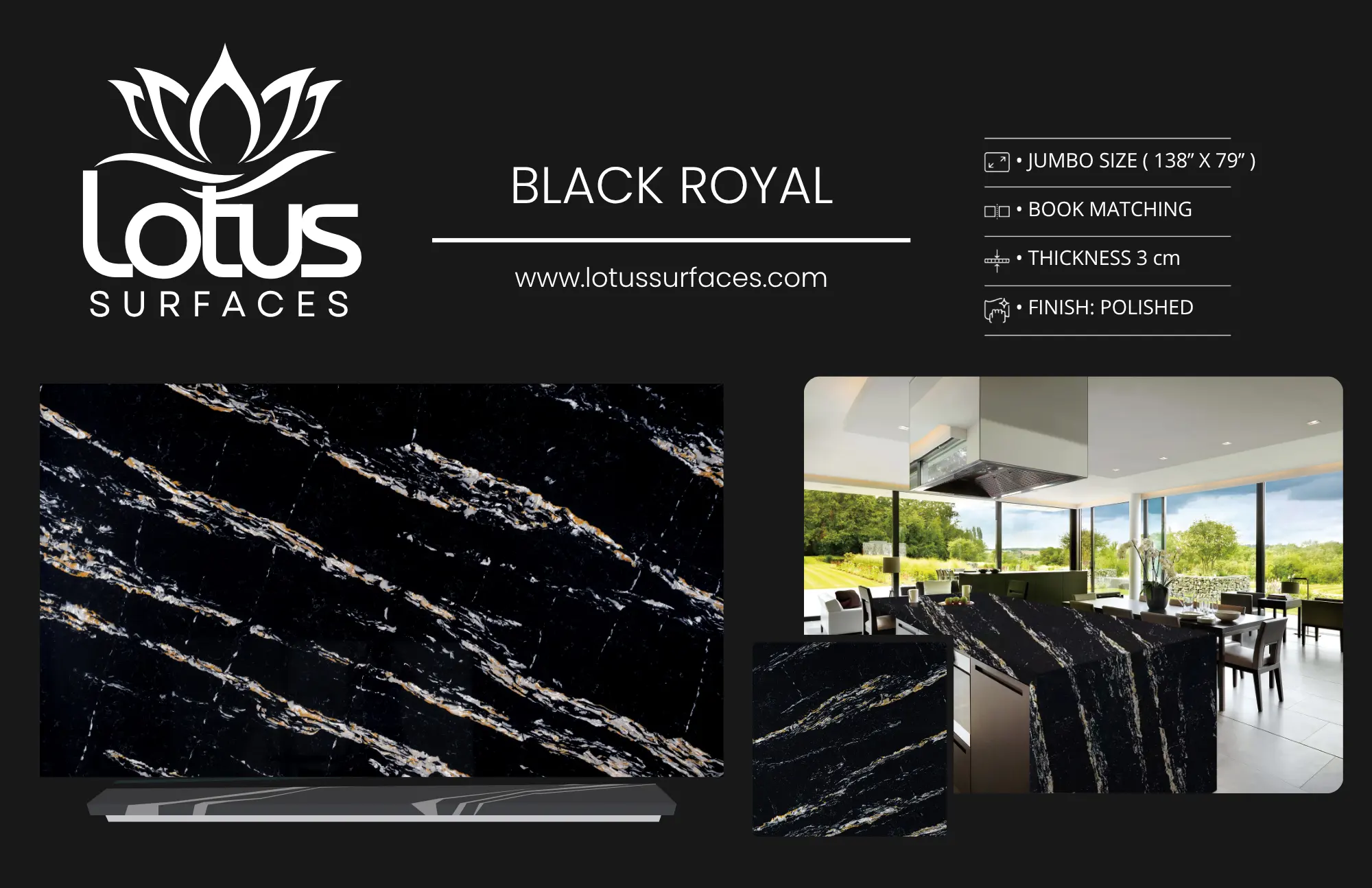
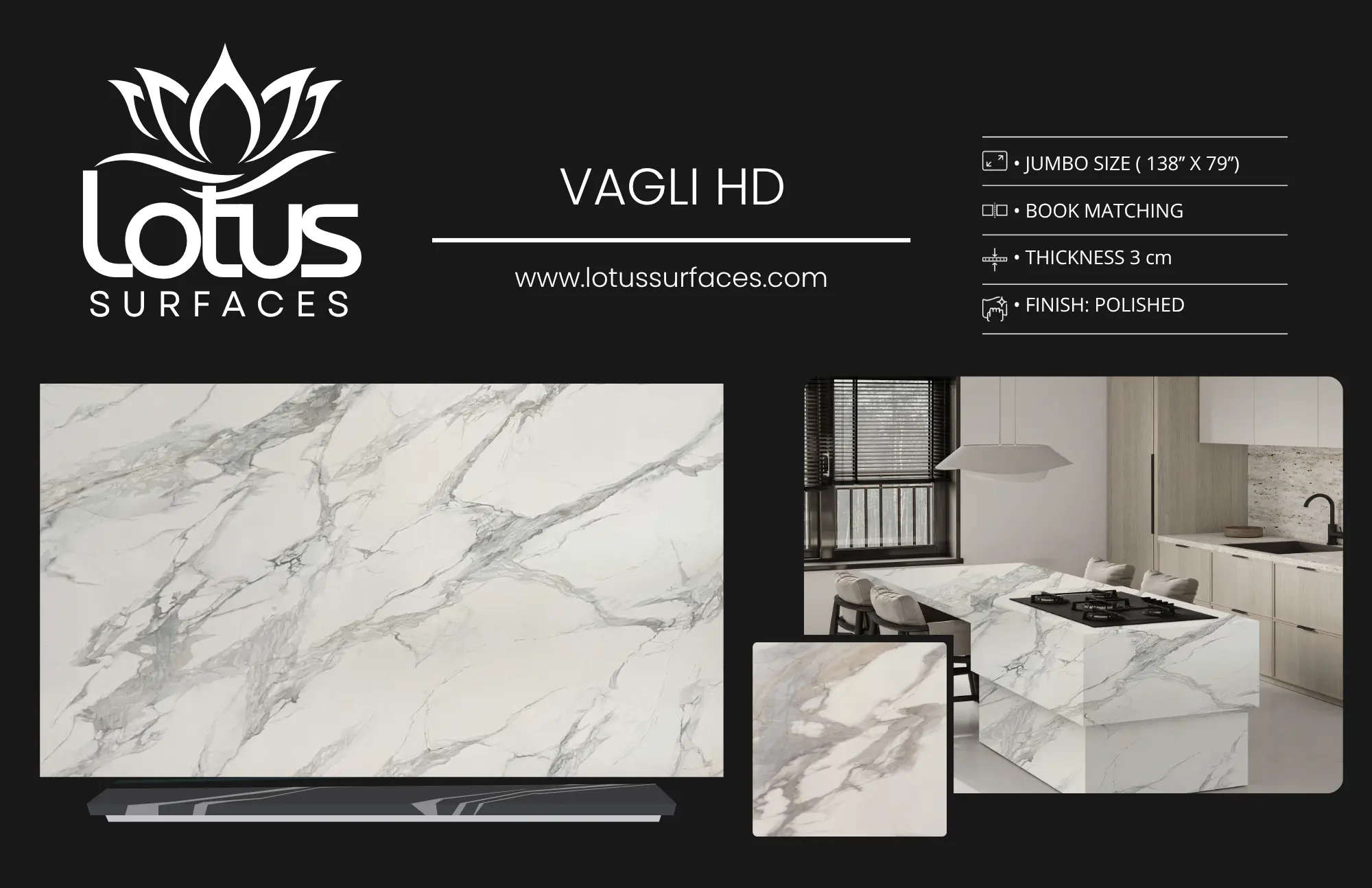
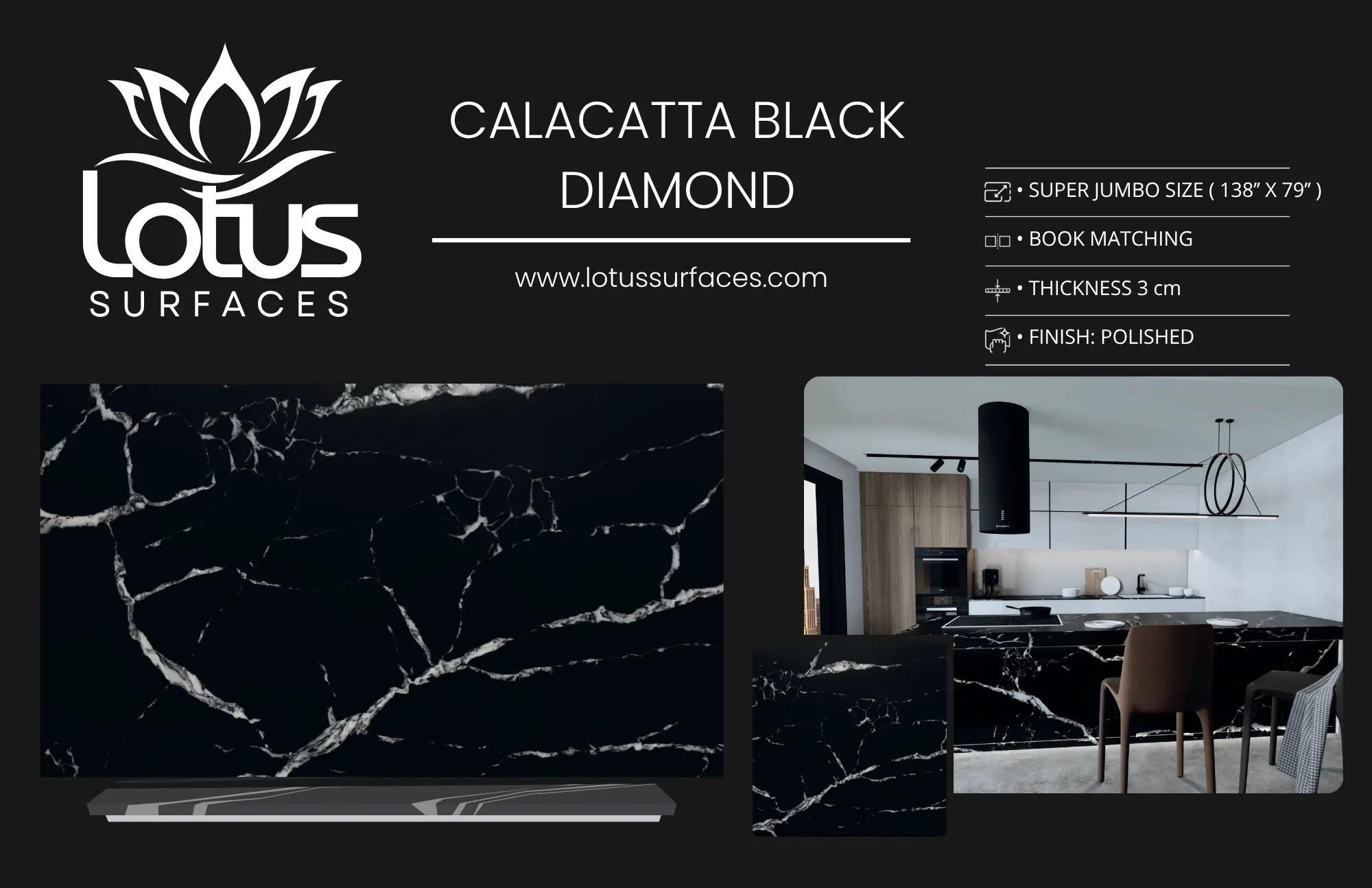
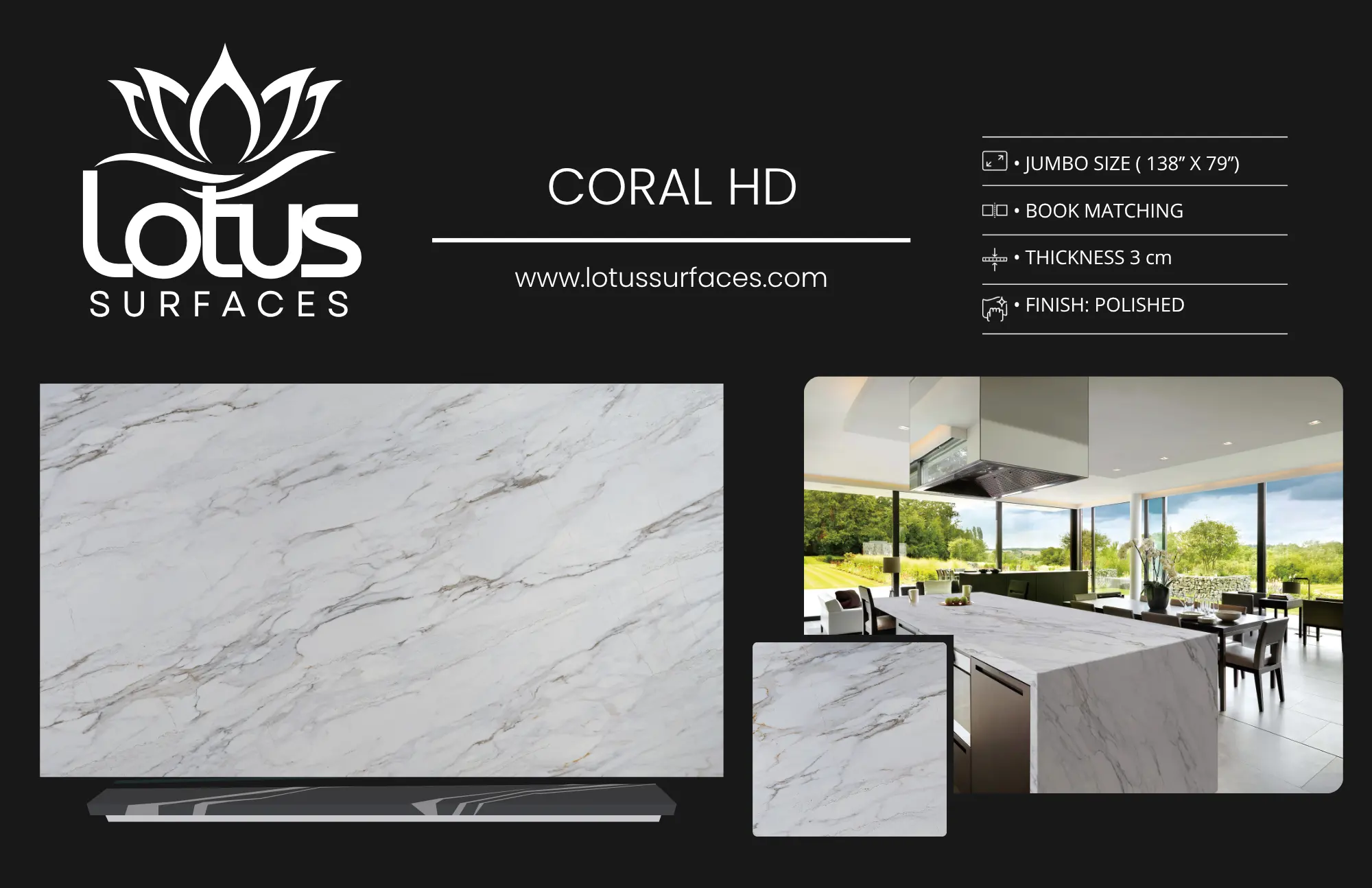
Understanding How Bathroom Countertop Material Selection Differs from Kitchen Requirements
When it comes to home renovations, especially in the Greater Atlanta area, one of the most critical decisions homeowners face is selecting the right countertop material. While both kitchen and bathroom countertops share some similarities, they serve distinct purposes and must meet different requirements. In this article, we will delve into the nuances of bathroom countertop material selection compared to kitchen needs, ensuring you make informed decisions for your home renovations.
1. Understanding the Functional Differences
The primary function of kitchen countertops is to provide a durable workspace for food preparation, cooking, and various kitchen activities. In contrast, bathroom countertops are often used for personal grooming tasks, such as applying makeup and storing toiletries. This fundamental difference leads to distinct requirements in terms of material selection.
Kitchen countertops need to withstand high heat, moisture, and frequent use, while bathroom countertops face different challenges, including humidity and potential staining from personal care products. Understanding these functional differences is crucial when selecting the right materials.
2. Popular Countertop Materials for Bathrooms
When choosing bathroom countertops, homeowners typically prioritize durability, moisture resistance, and ease of maintenance. Some popular materials include:
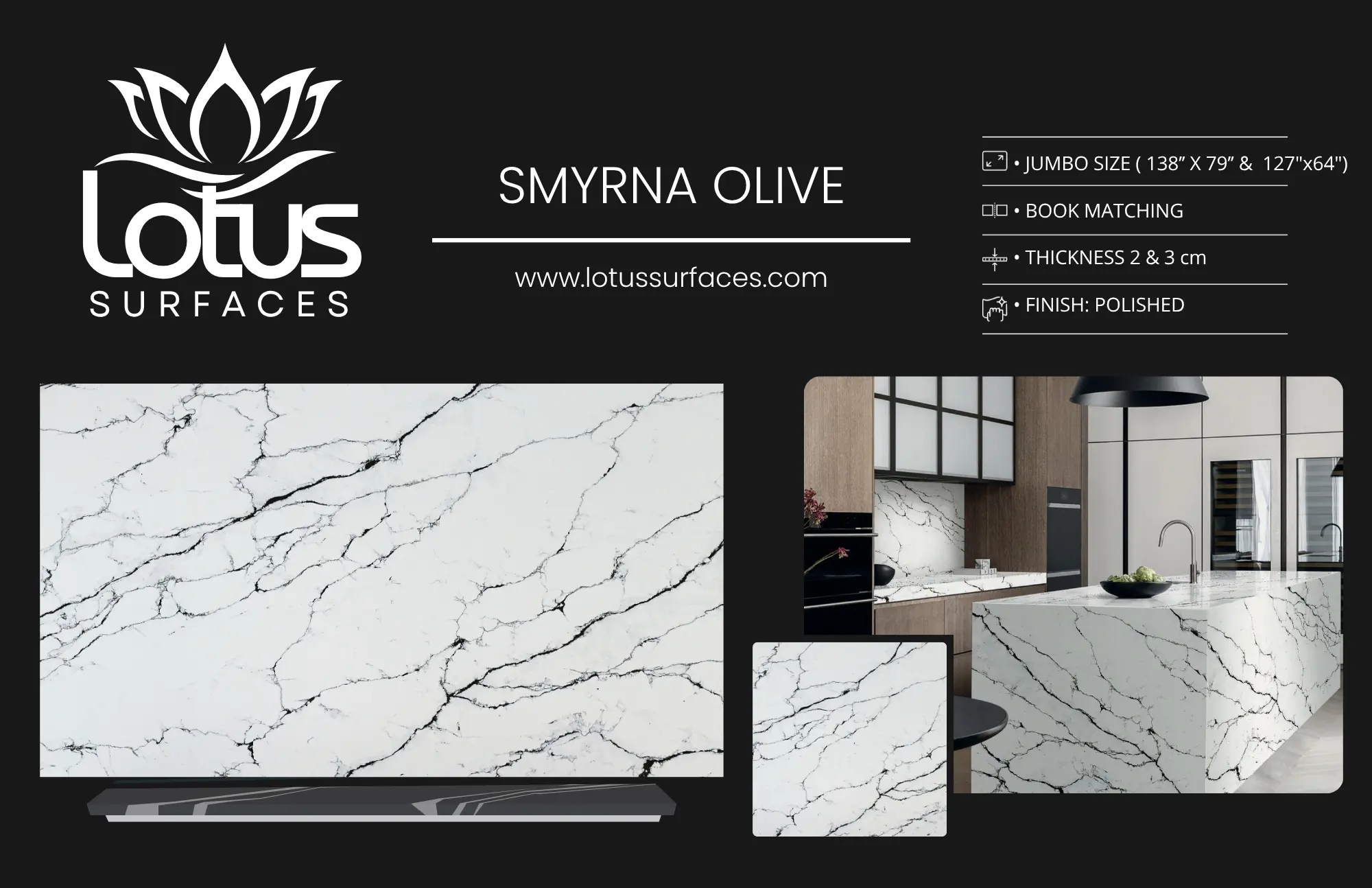
- Quartz: Engineered from natural stone and resin, quartz countertops are non-porous, making them resistant to moisture and staining. This is particularly beneficial in a bathroom setting where spills from lotions and soaps are common.
- Granite: A classic choice, granite is known for its strength and unique patterns. However, it requires regular sealing to maintain its resistance to moisture and stains.
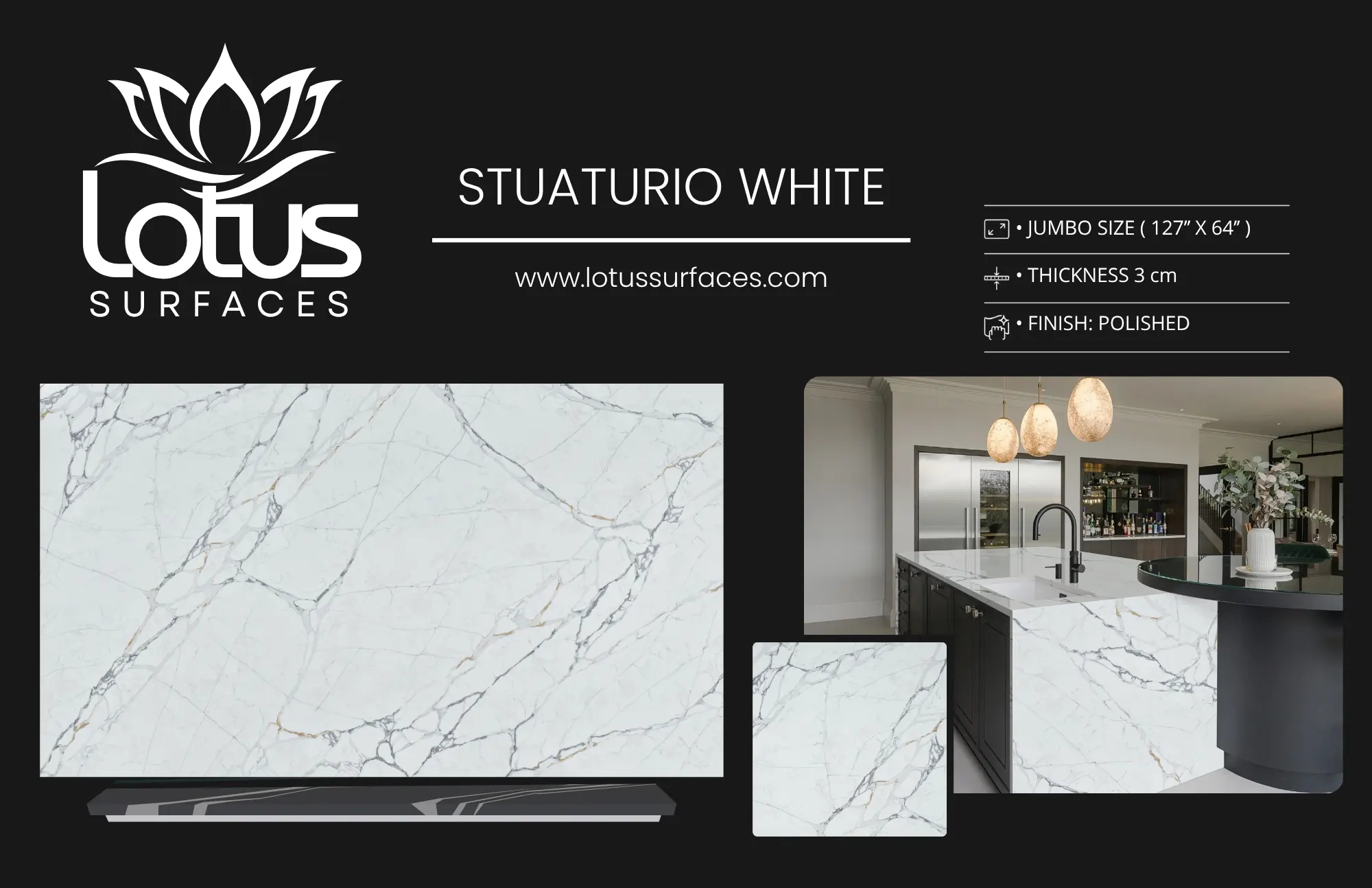
- Marble: While visually stunning, marble is more porous and can stain easily. It requires more maintenance but offers a luxurious look.
- Porcelain: An increasingly popular choice, porcelain countertops are highly resistant to moisture and stains, making them ideal for bathrooms.
For a detailed comparison of quartz and granite, check out our article on Granite vs Quartz Countertops: Which Is Best for Atlanta Kitchens?.
3. Popular Countertop Materials for Kitchens
Kitchen countertops must be versatile enough to handle a variety of tasks. Popular materials include:
- Granite: Its durability and resistance to heat make granite a favored choice for kitchens. Regular maintenance is necessary, but the aesthetic appeal is worth it.
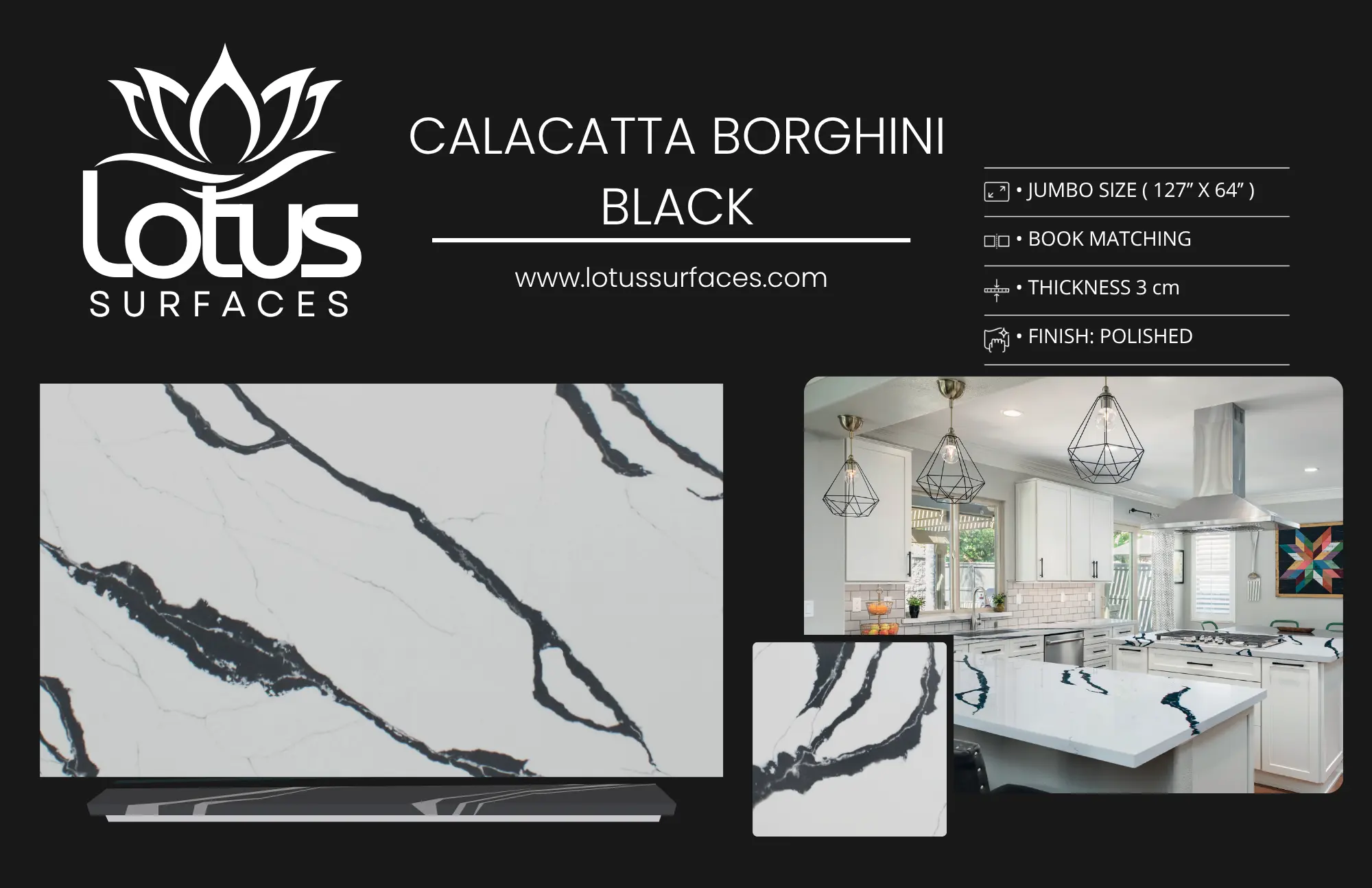
- Quartz: Engineered for strength and versatility, quartz is non-porous and available in numerous colors and patterns.
- Butcher Block: Ideal for food prep, butcher block adds warmth to kitchens but requires regular oiling to maintain its condition.
- Concrete: Offering a modern aesthetic, concrete countertops can be customized but require sealing to prevent staining.
For more insights on kitchen materials, refer to our Top 10 Kitchen Countertop Trends in Atlanta for 2026.
4. Comparing Durability and Maintenance
Durability is a crucial factor when selecting countertops for both kitchens and bathrooms. However, the type of wear and tear differs significantly:
| Material | Durability | Maintenance Requirements |
|---|---|---|
| Quartz | Highly durable, non-porous | Minimal maintenance, occasional cleaning with mild soap |
| Granite | Durable but porous | Requires sealing every 1-2 years |
| Marble | Less durable, porous | Requires regular sealing and careful cleaning |
| Porcelain | Highly durable, resistant to moisture | Easy to clean, minimal maintenance |
| Butcher Block | Durable but can scratch | Requires regular oiling and sealing |
| Concrete | Durable but can crack | Requires sealing and regular maintenance |
This comparison illustrates that while granite and quartz are popular in both spaces, their maintenance needs differ significantly based on the environment. Homeowners should consider their lifestyle and how much time they are willing to invest in maintenance when selecting materials.
5. Aesthetic Considerations
Aesthetics play a significant role in selecting countertops for both kitchens and bathrooms. The visual appeal of the material can enhance the overall ambiance of the space. Here are some aesthetic considerations:
- Color and Pattern: Bathrooms often benefit from lighter colors that create a sense of space, while kitchens can accommodate bolder patterns and colors.
- Finish: Polished finishes are popular in kitchens for their shine, while matte finishes might be preferred in bathrooms for a more subtle look.
- Edge Profiles: The choice of edge profiles can also influence the overall aesthetic. For example, a beveled edge can add elegance to a bathroom countertop, while a more rounded edge might be suitable for a kitchen.
For tips on choosing the right edge profiles, explore our article on Best Countertop Edge Profiles for Your Marietta Kitchen.
6. Cost Factors
Cost is a crucial factor in material selection for both kitchens and bathrooms. Here’s a breakdown:
- Quartz: Generally ranges from $50 to $100 per square foot, depending on the brand and design.
- Granite: Prices can vary widely from $40 to $200 per square foot based on rarity and finish.
- Marble: Typically costs between $50 to $150 per square foot, with more exotic varieties being pricier.
- Porcelain: Usually ranges from $45 to $100 per square foot.
When budgeting for your project, remember to factor in installation costs, which can add an additional $30 to $100 per square foot, depending on the complexity of the installation and the material chosen.
7. Expert Tips for Material Selection
When selecting countertops, consider the following expert tips:
- Assess your daily routines and choose materials that can withstand your lifestyle.
- Visit a local showroom, such as Lotus Surfaces, to see and feel the materials in person.
- Request samples to test how they look in your home’s lighting.
- Consult with experienced countertop fabricators to understand the pros and cons of each material.
8. Conclusion
Choosing the right countertop material for your bathroom versus your kitchen requires careful consideration of functionality, aesthetics, and maintenance. By understanding the differences in requirements, homeowners can make informed decisions that enhance both the beauty and practicality of their spaces. For personalized assistance, contact our team at Lotus Surfaces and let us help you find the perfect countertop solution for your home.
9. FAQs
What is the best countertop material for bathrooms?
Quartz and porcelain are often recommended due to their moisture resistance and low maintenance requirements.
How do bathroom countertops differ from kitchen countertops?
Bathroom countertops require materials that can withstand humidity and spills from personal care products, while kitchen countertops must handle heat and food preparation tasks.
Is granite a good choice for bathroom countertops?
Granite can be a good choice, but it requires regular sealing to maintain its resistance to moisture and stains.
What are the most durable countertop materials?
Quartz and porcelain are among the most durable materials for both kitchens and bathrooms due to their non-porous nature.
How often should I seal my granite countertops?
Granite countertops should typically be sealed every 1-2 years, depending on usage and the specific granite type.
Can I use quartz in my bathroom?
Yes, quartz is an excellent choice for bathroom countertops due to its resistance to moisture and stains.
What is the price range for bathroom countertops?
Prices vary widely, but quartz and granite typically range from $50 to $200 per square foot, depending on the material and design.
How can I maintain my bathroom countertops?
Regular cleaning with mild soap and water is recommended, along with avoiding harsh chemicals that can damage the surface.