The Complete Guide to Countertop Material Selection for Georgia’s Humid Climate
Choosing the right countertop material for your home in Georgia, especially considering the state’s humid climate, is crucial for both aesthetic appeal and long-term functionality. This complete guide will explore various countertop materials, their suitability for humid environments, and expert tips for making the best selection. Whether you’re renovating your kitchen or bathroom, understanding how humidity affects countertop performance will help you make informed decisions that enhance your home’s beauty and durability.
Understanding Humidity and Its Impact on Countertops
Georgia is known for its warm, humid climate, which can significantly affect the performance of various countertop materials. High humidity levels can lead to issues such as mold growth, warping, and discoloration, making it essential to choose materials that can withstand these environmental factors.
The Georgia humidity levels can reach up to 90% during the summer months, creating a unique challenge for homeowners looking to install new countertops. Understanding how different materials react to moisture is vital in ensuring the longevity and functionality of your surfaces.
Top Countertop Materials for Humid Climates
Here are some of the top countertop materials that are well-suited for Georgia’s humid climate:
1. Quartz Countertops
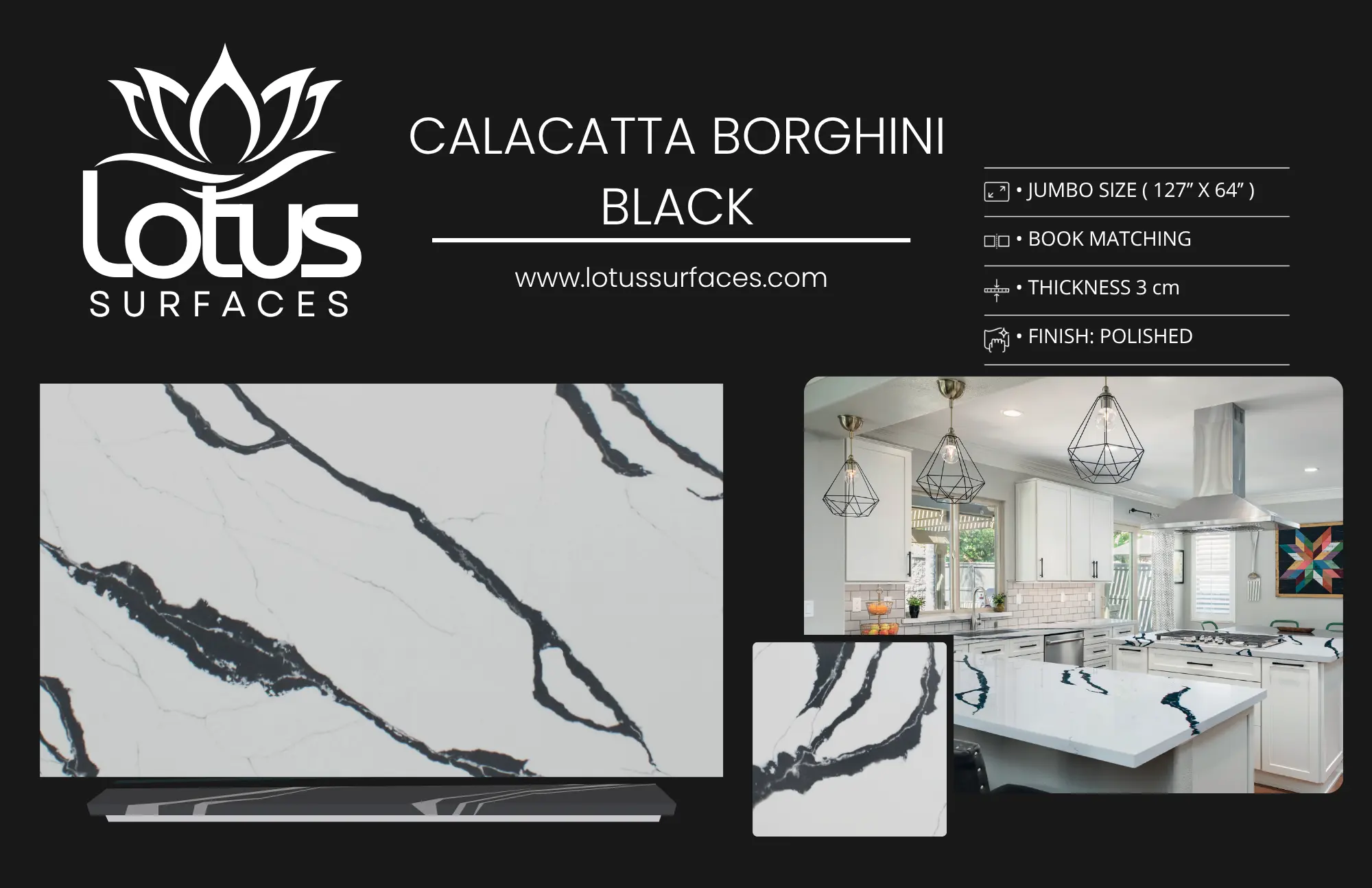
Quartz countertops, made from engineered stone, are a popular choice due to their non-porous nature. This characteristic makes them resistant to moisture, bacteria, and staining, which is particularly beneficial in humid environments. Quartz countertops come in a variety of colors and patterns, allowing for customization that fits your design preferences.
2. Granite Countertops
Granite is a natural stone known for its durability and resistance to heat and scratches. When sealed properly, granite can also withstand moisture effectively. Homeowners in Georgia often choose granite for its timeless appeal and variety of colors. Regular sealing is recommended to maintain its integrity.
3. Porcelain Countertops
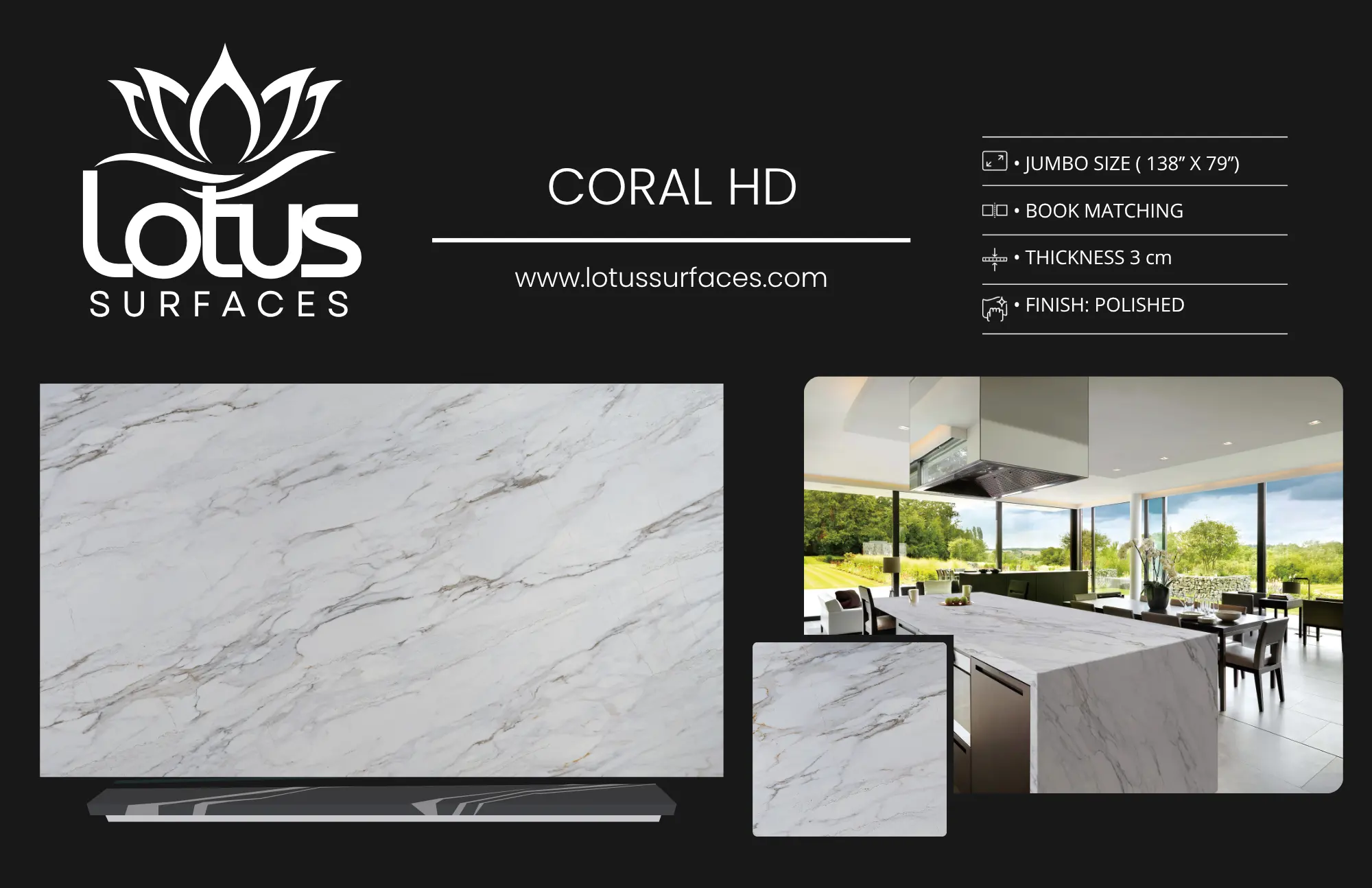
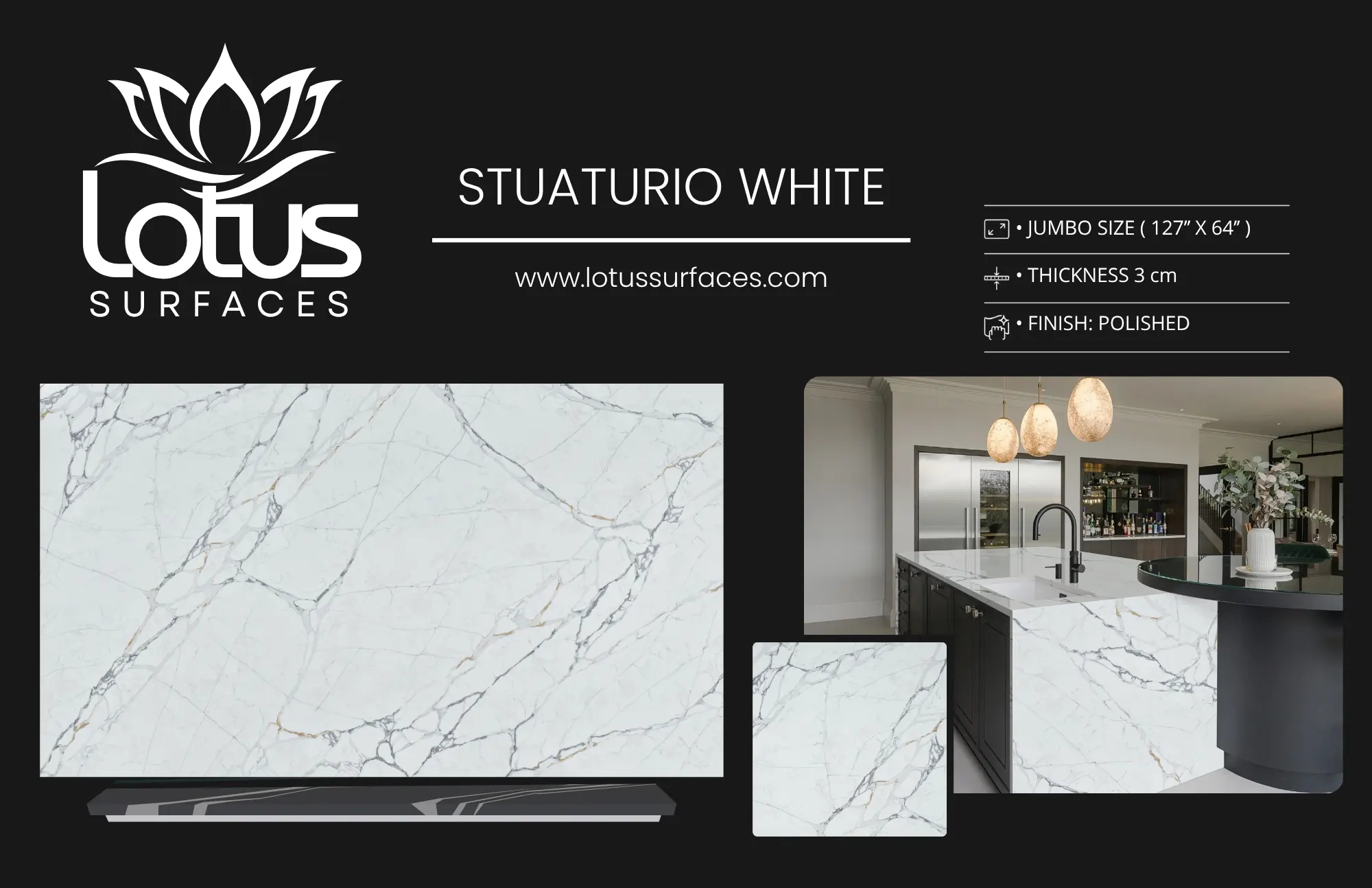
Porcelain slabs are increasingly becoming popular for countertops due to their high resistance to moisture, heat, and stains. Their non-porous surface minimizes the risk of mold and mildew growth, making them an excellent choice for humid climates. Additionally, they are available in a wide range of designs, including those that mimic natural stone.
4. Solid Surface Countertops
Solid surface materials, such as Corian, are another suitable option for humid environments. These materials are non-porous, easy to clean, and resistant to moisture. Solid surfaces can also be seamlessly integrated, preventing water from seeping into joints and causing damage.
5. Laminate Countertops
While laminate countertops are often viewed as less durable than stone options, they can still perform well in humid climates if properly maintained. Modern laminates are available in water-resistant varieties, making them a viable choice for budget-conscious homeowners.
Comparison Table of Countertop Materials
| Material | Moisture Resistance | Durability | Maintenance | Cost |
|---|---|---|---|---|
| Quartz | Excellent | High | Low | Medium-High |
| Granite | Good (with sealing) | High | Medium | Medium-High |
| Porcelain | Excellent | High | Low | Medium-High |
| Solid Surface | Excellent | Medium-High | Low | Medium |
| Laminate | Good (with care) | Medium | Medium | Low |
Factors to Consider When Choosing Countertop Materials
When selecting the right countertop material for your Georgia home, consider the following factors:
- Moisture Resistance: Opt for materials that are non-porous and resistant to moisture to prevent mold and mildew growth.
- Durability: Choose materials that can withstand daily wear and tear, especially in high-traffic areas like kitchens.
- Maintenance: Assess how much time and effort you are willing to invest in maintaining your countertops. Some materials require more care than others.
- Cost: Determine your budget and explore options that fit within it. Remember that higher-quality materials often provide better long-term value.
- Style: Consider the overall design of your home and choose a countertop that complements your aesthetic preferences.
Maintenance Tips for Countertops in Humid Areas
Maintaining your countertops in Georgia’s humid climate is essential for their longevity. Here are some tips:
- Regular Cleaning: Use mild soap and water for routine cleaning. Avoid harsh chemicals that can damage the surface.
- Sealing: For granite and other porous materials, regular sealing is crucial. Follow the manufacturer’s recommendations for frequency.
- Humidity Control: Use dehumidifiers in your home to reduce moisture levels, which can help protect your countertops.
- Wipe Dry: After cleaning, wipe surfaces dry to prevent water spots and potential mold growth.
Expert Insights on Countertop Installation
Installation is a critical step in ensuring your countertops perform well in a humid climate. Here are some expert insights:
- Professional Installation: Always hire experienced countertop installers who understand the specific challenges of Georgia’s humidity.
- Digital Templating: Consider using digital templating for precise measurements, ensuring a perfect fit and minimizing gaps where moisture can enter.
- Seam Placement: Plan for accurate seam placement to reduce visibility and prevent moisture infiltration.
Conclusion
Selecting the right countertop material for your home in Georgia’s humid climate is a crucial decision that affects both the aesthetics and functionality of your space. By understanding the unique challenges posed by humidity and considering materials that offer durability and moisture resistance, you can make an informed choice that enhances your home. At Lotus Surfaces, we provide a wide selection of high-quality countertop materials, along with professional guidance and installation services tailored to your needs. For more information, please contact us today!
FAQs
What is the best countertop material for humid climates?
Quartz and porcelain countertops are often considered the best options due to their non-porous nature and moisture resistance.
How often should granite countertops be sealed in humid areas?
Granite countertops should typically be sealed every 6 to 12 months, depending on usage and the specific product used.
Can laminate countertops withstand humidity?
While laminate can perform adequately in humid climates, it requires proper maintenance and care to prevent damage.
What maintenance is required for quartz countertops?
Quartz countertops require minimal maintenance, typically just regular cleaning with soap and water.
How do humidity levels affect countertop performance?
High humidity can lead to mold growth, warping, and discoloration in less resistant materials, making moisture resistance key in selection.
Are solid surface countertops a good choice for bathrooms?
Yes, solid surface countertops are an excellent choice for bathrooms as they are non-porous and easy to maintain.
What are the drawbacks of using granite countertops?
Granite countertops require regular sealing and can be more expensive than other options.
How can I control humidity in my home?
Using dehumidifiers, ensuring proper ventilation, and using air conditioning can help control humidity levels in your home.