
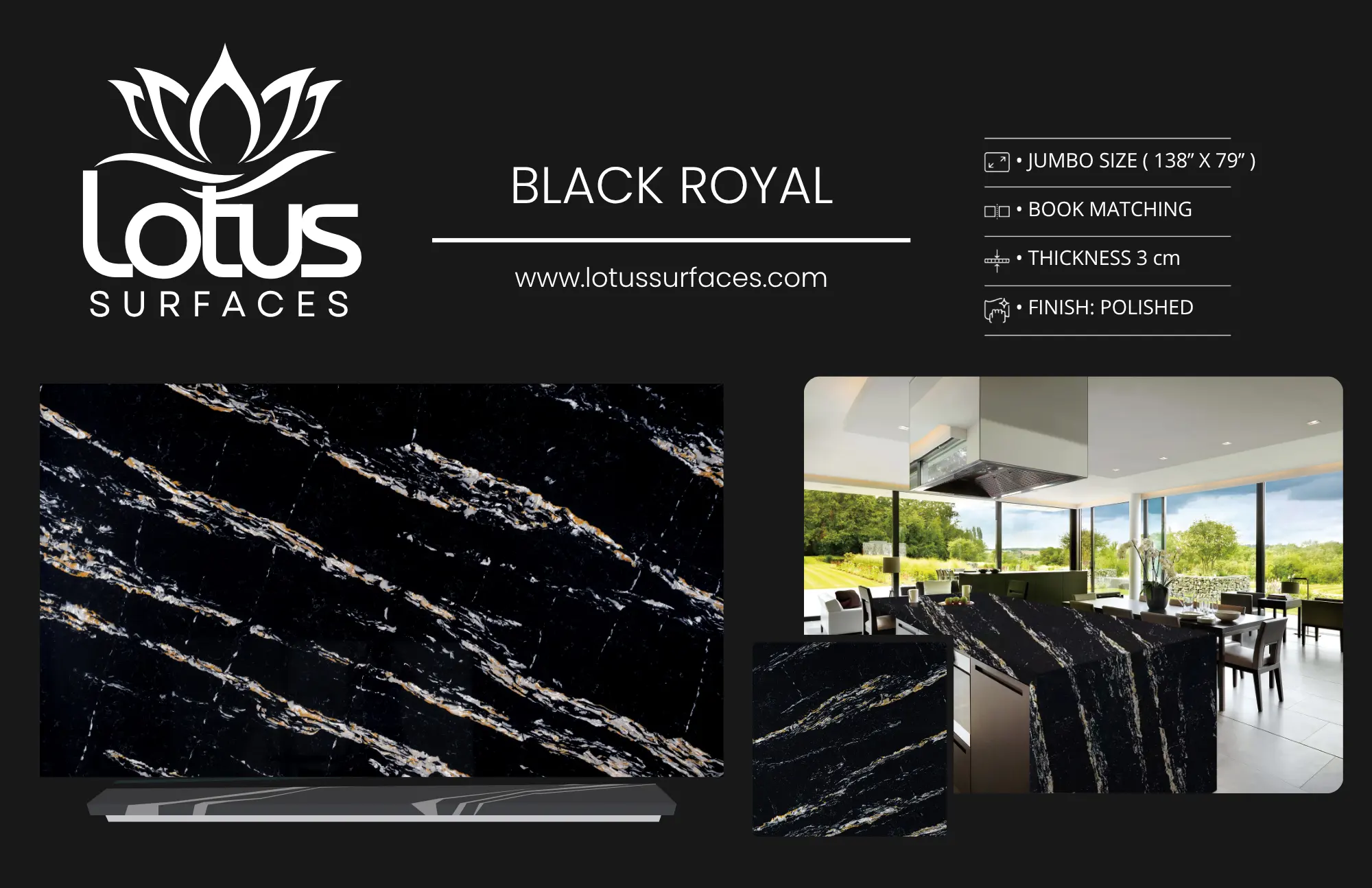
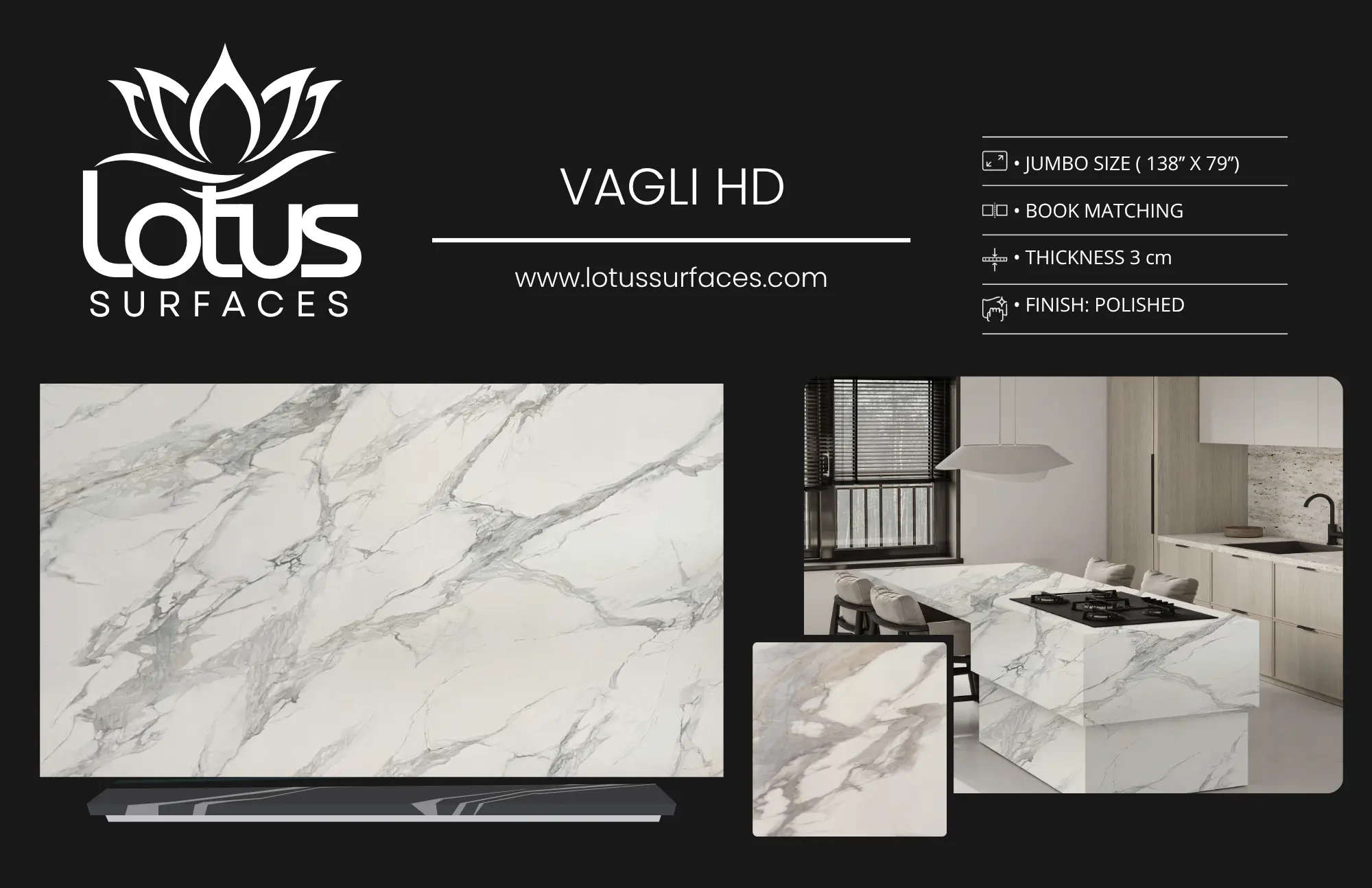
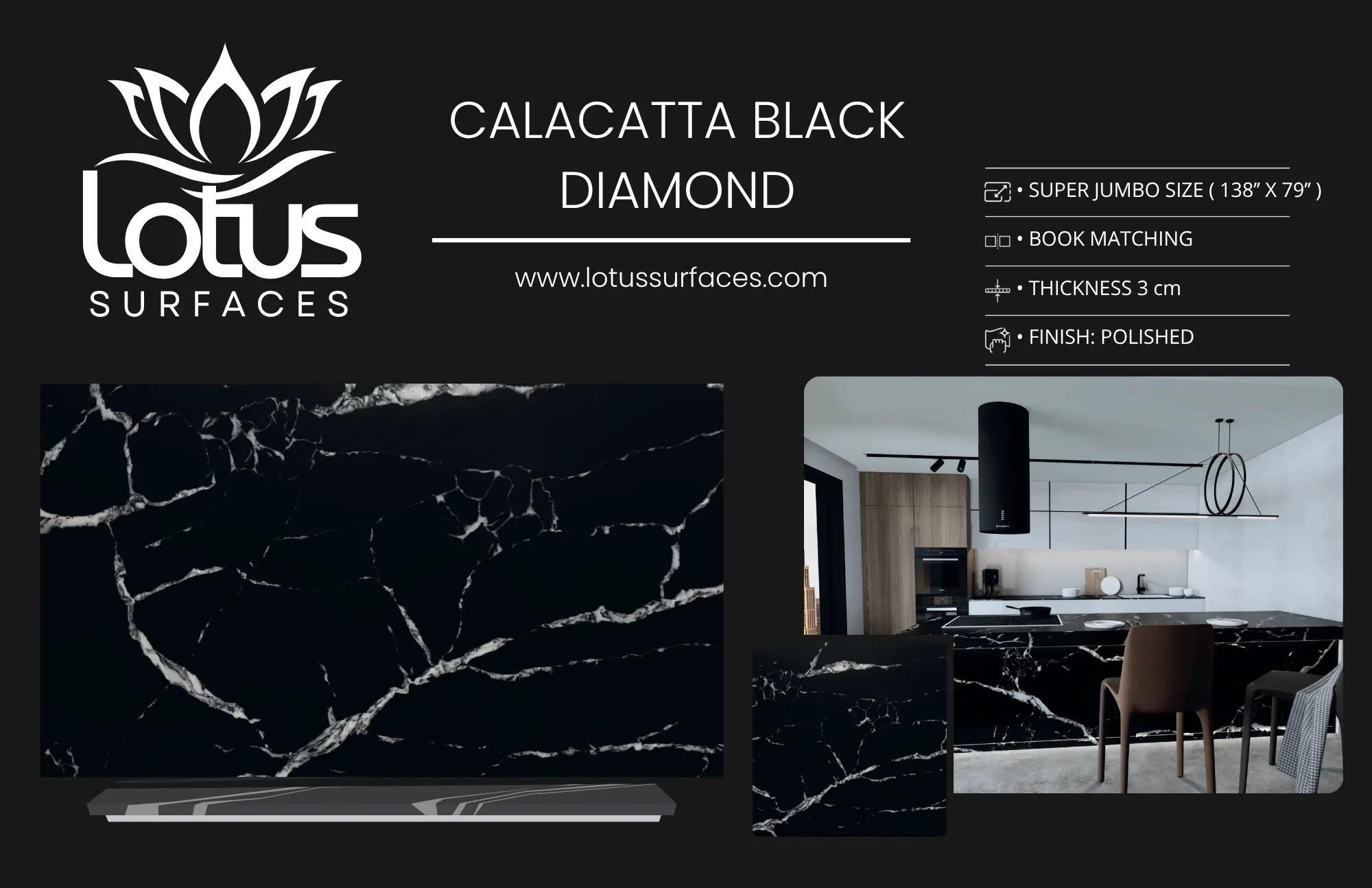
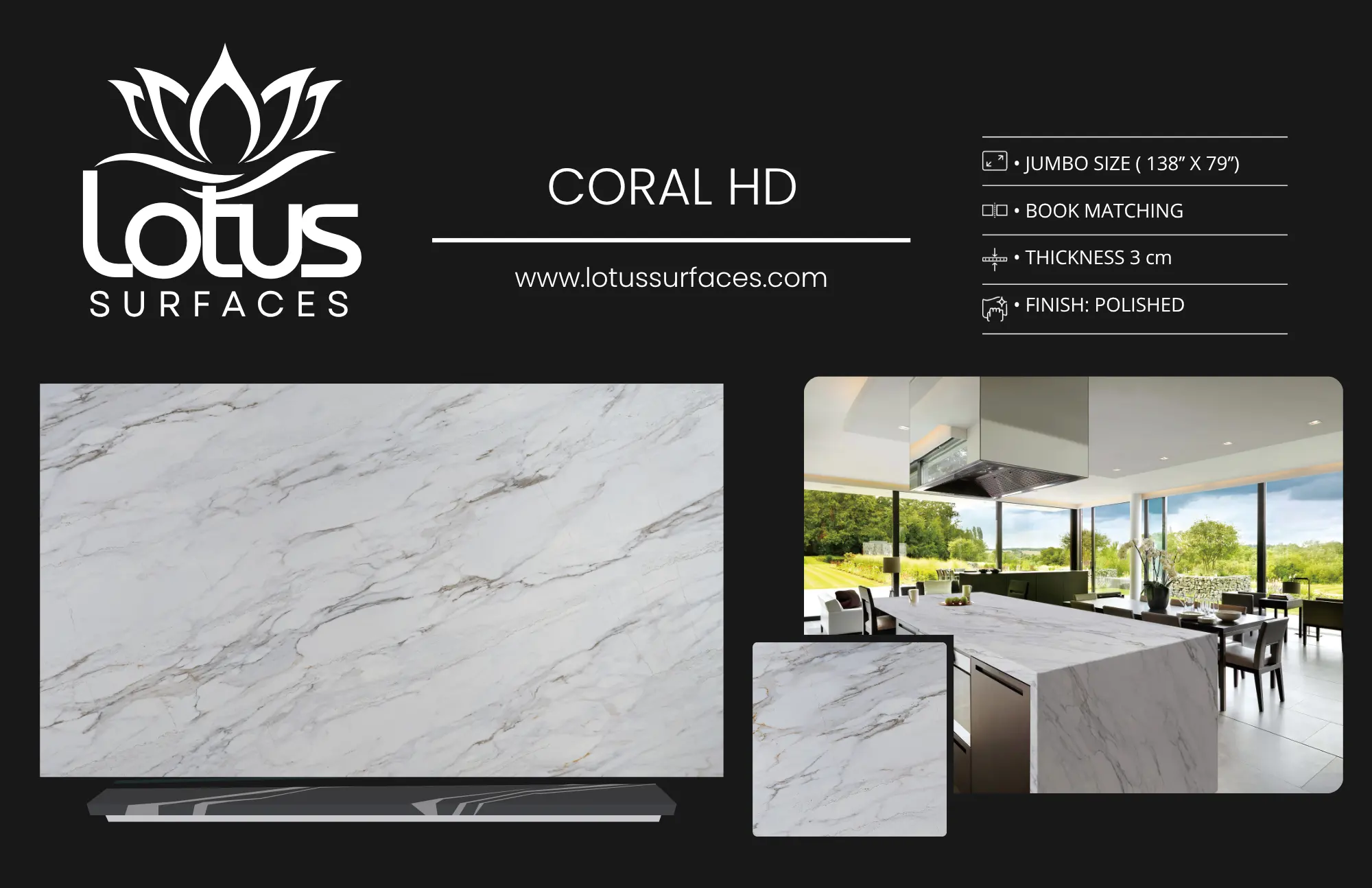
Create a Professional Chef’s Kitchen at Home with the Right Countertop Materials
Transforming your kitchen into a professional chef’s workspace is an exciting endeavor that combines functionality with aesthetics. The right countertop materials are crucial in creating a space that not only looks stunning but also meets the rigorous demands of cooking enthusiasts. In this guide, we will explore how to choose the best countertop materials to elevate your home kitchen to professional standards, focusing on options like quartz, granite, and porcelain. By the end of this article, you will have a comprehensive understanding of what to consider when designing your chef’s kitchen.
1. Understanding the Chef’s Kitchen Concept
A chef’s kitchen is more than just a cooking space; it is a well-organized environment designed for efficiency and creativity. Professional chefs often require specific features such as:
- Ample counter space for food preparation
- High-quality appliances
- Durable, easy-to-clean surfaces
Creating a chef’s kitchen at home involves selecting materials that withstand heavy use while maintaining a beautiful appearance. Countertops play a pivotal role in this transformation, making it essential to choose wisely.
2. Importance of Countertop Materials
Countertops are the centerpiece of any kitchen, especially in a chef’s kitchen. They not only provide a workspace for food preparation but also influence the overall design and functionality of the kitchen. Here are some reasons why the choice of countertop materials matters:
- Durability: A professional kitchen endures daily wear and tear. High-quality materials like quartz and granite offer exceptional durability, making them ideal for heavy use.
- Heat Resistance: Cooking involves heat, and your countertop must withstand high temperatures without damage. Materials like granite and porcelain excel in this area.
- Maintenance: The right countertop materials are easy to clean and maintain, ensuring your kitchen remains hygienic.
- Aesthetics: The visual appeal of your kitchen can be significantly enhanced with the right choice of countertops, contributing to a cohesive design.
3. Top Countertop Materials for Professional Kitchens
When designing a professional chef’s kitchen, consider these countertop materials:
3.1 Quartz Countertops
Quartz countertops are engineered stone surfaces made from natural quartz crystals mixed with resin. They offer numerous benefits:
- Durability: Highly resistant to scratches and stains.
- Variety: Available in a wide range of colors and patterns.
- Low Maintenance: Non-porous surface means no sealing is required.
For homeowners in Norcross, GA, the best quartz countertops can elevate both kitchen and bathroom renovations.
3.2 Granite Countertops
Granite is a natural stone that brings elegance and strength to your kitchen:
- Heat Resistant: Ideal for hot pots and pans.
- Unique Patterns: Each slab is unique, adding character to your kitchen.
- Longevity: With proper care, granite countertops can last a lifetime.
Explore the selection and installation guide to see how granite can fit your kitchen.
3.3 Porcelain Countertops
Porcelain countertops are gaining popularity due to their versatility and performance:
- Stain Resistant: Porcelain is non-porous, resisting stains and odors.
- Heat and Scratch Resistant: Perfect for a busy kitchen environment.
- Design Flexibility: Available in a variety of colors and finishes.
Learn more about the benefits of porcelain countertops in Georgia homes.
Comparison Table: Countertop Materials
| Material | Durability | Heat Resistance | Maintenance | Aesthetic Variety |
|---|---|---|---|---|
| Quartz | High | Moderate | Low | High |
| Granite | Very High | High | Moderate | Unique |
| Porcelain | High | Very High | Low | Varied |
4. Design Considerations for Your Chef’s Kitchen
Designing a chef’s kitchen goes beyond just selecting the right countertop materials. Here are key considerations:
4.1 Layout
The layout of your kitchen should facilitate workflow. The classic work triangle—sink, stove, and refrigerator—should be easily accessible. Consider an island for additional prep space and seating.
4.2 Color Scheme
Your choice of colors can affect the mood and functionality of the kitchen. Light colors can make the space feel larger, while darker tones can add elegance. Choose countertop colors that complement your cabinetry and flooring.
4.3 Storage
A professional kitchen requires ample storage. Incorporate cabinets, drawers, and open shelving to keep your tools and ingredients organized. Consider integrating storage solutions into your countertop design.
4.4 Lighting
Good lighting is essential for any kitchen. Incorporate a mix of ambient, task, and accent lighting to enhance functionality and aesthetics. Under-cabinet lights can illuminate your countertops for safer food preparation.
5. Maintenance Tips for Long-Lasting Countertops
To keep your countertops looking their best, follow these maintenance tips:
5.1 Regular Cleaning
Clean your countertops daily with mild soap and water. Avoid harsh chemicals that can damage the surface.
5.2 Sealing Natural Stone
If you choose granite, remember to seal it periodically to prevent stains and moisture penetration.
5.3 Avoiding Heat Damage
Use trivets or hot pads under hot pots to avoid damaging your countertops, especially if they are not heat resistant.
6. Conclusion
Creating a professional chef’s kitchen at home is an attainable goal with the right countertop materials and design considerations. Whether you opt for quartz, granite, or porcelain, each material offers unique benefits that can enhance your cooking experience. By focusing on durability, maintenance, and aesthetics, you can transform your kitchen into a culinary haven. For personalized assistance, reach out to our team at Lotus Surfaces. We are here to help you choose the perfect countertop for your chef’s kitchen.
FAQ Section
1. What is the best countertop material for a chef’s kitchen?
The best countertop material depends on your cooking habits. Quartz and granite are popular for their durability and heat resistance.
2. How do I maintain my granite countertops?
Granite countertops should be sealed regularly and cleaned with mild soap and water to maintain their appearance.
3. Are quartz countertops heat resistant?
Quartz countertops are resistant to heat but can be damaged by extreme temperatures. Always use trivets under hot pots.
4. Can I use cutting boards on porcelain countertops?
Yes, while porcelain is scratch-resistant, using cutting boards is recommended to maintain the surface’s integrity.
5. How often should I clean my countertops?
Countertops should be cleaned daily with mild soap and water to prevent buildup and stains.
6. What are the design trends for chef’s kitchens?
Current trends include open layouts, mixed materials, and integrated storage solutions.
7. How do I choose a countertop color?
Choose a color that complements your cabinetry and flooring while considering the overall mood you want to create.
8. Is porcelain a good choice for outdoor kitchens?
Yes, porcelain is highly resistant to moisture and UV rays, making it an excellent choice for outdoor kitchen applications.
