

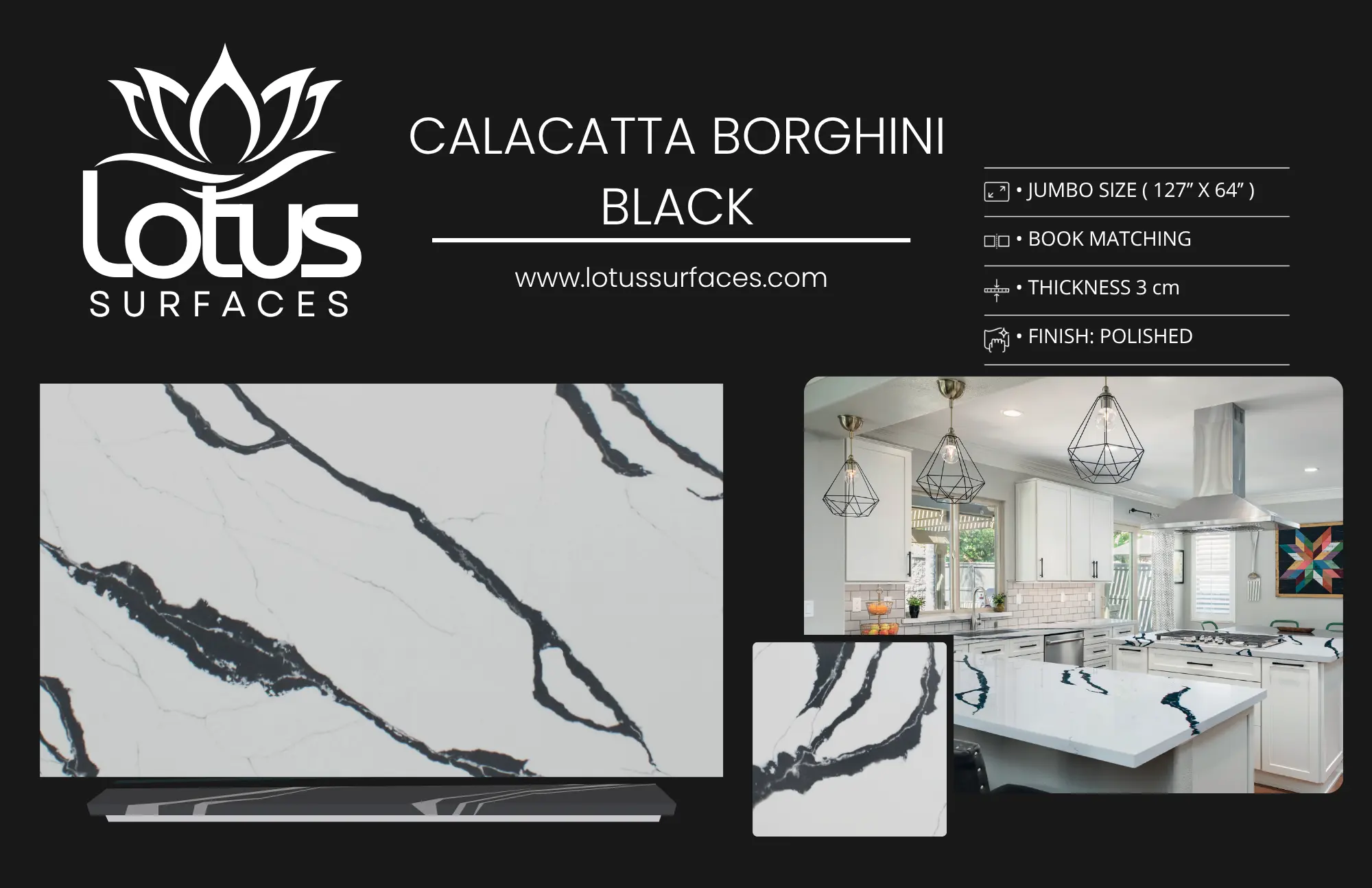
The Complete Guide to Designing a Baking Station with the Ideal Countertop Surface
Creating a dedicated baking station in your kitchen can elevate your culinary experience, especially if you’re passionate about baking. The right countertop surface plays a crucial role in this setup, affecting everything from aesthetics to functionality. In this comprehensive guide, we will explore the essential elements of designing a baking station, focusing on the ideal countertop materials that meet both practical and aesthetic needs. Whether you’re a novice baker or a seasoned pro, this guide will equip you with the knowledge to make informed decisions about your baking station in Norcross, GA, and beyond.
In this article, you will learn about the best countertop materials for baking, how to design your baking station effectively, and tips for maintaining your surfaces. Let’s dive in!
Why a Dedicated Baking Station?
A dedicated baking station provides numerous benefits that can enhance your baking experience:
- Organization: Having a specific area for baking allows you to keep all your tools, ingredients, and equipment in one place, making the process smoother and more enjoyable.
- Efficiency: With everything at your fingertips, you can work faster and more efficiently, reducing the time spent searching for items.
- Creativity: A well-designed baking station can inspire creativity, providing a space that feels inviting and conducive to experimentation.
According to the Purdue University Extension, an organized workspace can significantly improve productivity in the kitchen.
Choosing the Right Countertop Material
The choice of countertop material is critical in designing your baking station. Here are some of the most popular options, including their pros and cons:
| Material | Pros | Cons |
|---|---|---|
| Quartz | Durable, non-porous, easy to clean, wide range of colors | Can be expensive, sensitive to heat |
| Granite | Natural beauty, heat resistance, durable | Requires sealing, heavy |
| Porcelain | Resistant to stains and scratches, versatile designs | Can be brittle, requires professional installation |
| Marble | Classic elegance, ideal for pastry work | Porous, can stain easily, requires maintenance |
| Butcher Block | Warm aesthetic, easy on knives, repairable | Requires regular oiling, can harbor bacteria |
When considering these options, think about your baking style and how often you bake. For example, if you frequently make pastry, a marble surface might be ideal because it remains cool, which is essential for working with dough.
Quartz Countertops
Quartz countertops are engineered stone surfaces that combine natural quartz with resins, creating a non-porous surface that resists stains and scratches. They are available in a variety of colors and patterns, making them a versatile choice for any baking station. Their durability and low maintenance make them a popular option among homeowners in the Greater Atlanta area.
Granite Countertops
Granite is a natural stone that offers unique beauty and durability. It can withstand heat and is less likely to scratch. However, it does require periodic sealing to maintain its resistance to stains. For those looking for a classic and timeless look in their baking station, granite might be the right choice.
Porcelain Countertops
Porcelain countertops are gaining popularity due to their resistance to scratches, stains, and heat. They come in various designs, including those that mimic natural stone. However, they can be brittle and require careful handling during installation.
Marble Countertops
Marble is known for its stunning appearance, making it a favorite among bakers. Its cool surface is perfect for rolling out dough, but it is porous and can stain easily. Regular maintenance is crucial to keep marble countertops looking their best.
Butcher Block Countertops
Butcher block offers a warm and inviting look, perfect for a baking station. It is gentle on knives and can be sanded down if scratched. However, it requires regular oiling and care to prevent bacteria buildup.
Essential Features of a Baking Station
In addition to selecting the right countertop material, consider incorporating these essential features into your baking station:
- Ample Storage: Ensure you have cabinets or shelves to store baking tools, mixing bowls, and ingredients.
- Good Lighting: Proper lighting is crucial for seeing details and colors in your baking.
- Easy Access to Appliances: Position appliances like mixers and ovens within easy reach to streamline your workflow.
- Space for Preparation: Adequate surface area is essential for rolling out dough and assembling baked goods.
According to the NSF International, maintaining a clean and organized baking area is vital for food safety.
Designing Your Baking Station
Now that you’ve chosen your countertop material and identified essential features, it’s time to design your baking station:
Step 1: Plan the Layout
Consider the workflow in your kitchen. The ideal baking station should allow you to move seamlessly between different tasks. For example, position your mixing area close to the oven and storage for easy access.
Step 2: Choose Your Countertop Height
The height of your countertop is crucial for comfort and efficiency. Standard countertop height is about 36 inches, but if you’re taller or shorter, adjust accordingly to avoid strain during baking.
Step 3: Select Color and Style
Your countertop color and style should complement the overall aesthetic of your kitchen. Whether you prefer a modern look with sleek quartz or a rustic vibe with butcher block, ensure it aligns with your personal style.
Step 4: Incorporate Accessories
Consider adding accessories such as a rolling pin holder, a stand mixer lift, and a baking sheet organizer to enhance functionality.
Maintenance Tips for Your Countertops
Proper maintenance is essential to prolong the life of your countertop surfaces:
Quartz and Porcelain
Wipe down with mild soap and water. Avoid harsh chemicals that can damage the surface.
Granite
Seal your granite countertops regularly to prevent staining and maintain their appearance.
Marble
Clean with a pH-balanced cleaner and avoid acidic substances that can etch the surface.
Butcher Block
Regularly oil your butcher block to keep it hydrated and prevent warping.
For more information on countertop care, check out our guide on how to care for quartz countertops.
Frequently Asked Questions
What countertop is best for baking?
The best countertop for baking depends on your needs. Marble is ideal for pastry work, while quartz offers durability and easy maintenance.
How can I organize my baking station?
Use storage solutions like cabinets, shelves, and drawer organizers to keep tools and ingredients accessible and organized.
What is the ideal height for a baking station?
The standard height is 36 inches, but adjust based on your height for comfort.
Can I use granite for baking?
Yes, granite is a durable option for baking, but it requires periodic sealing to prevent stains.
How do I maintain my butcher block countertop?
Regularly oil your butcher block to keep it in good condition and prevent bacteria buildup.
What features should a baking station have?
A baking station should have ample storage, good lighting, easy access to appliances, and sufficient preparation space.
Are quartz countertops heat resistant?
Quartz countertops are heat resistant but should not be exposed to direct heat to avoid damage.
How often should I seal my granite countertops?
Granite countertops should be sealed every 1-3 years, depending on usage and the type of sealant used.
Conclusion
Designing a baking station with the ideal countertop surface is a rewarding endeavor that can significantly enhance your baking experience. By carefully considering the materials, layout, and features, you can create a functional and inspiring space. Whether you choose quartz, granite, porcelain, or any other material, ensure it aligns with your baking habits and kitchen style. For personalized guidance and high-quality countertop solutions, contact us at Lotus Surfaces. We are here to help you redefine beauty, strength, and functionality in your kitchen.
