

The Ultimate Guide to the Countertop Fabrication Process: From Raw Slab to Finished Installation
When renovating your kitchen or bathroom, choosing the right countertop is a crucial step. The fabrication process transforms raw slabs of materials into beautiful, functional surfaces that enhance your home’s aesthetic and practicality. Understanding how the countertop fabrication process works—especially for quartz, granite, and porcelain countertops—can empower you as a homeowner in Norcross, GA, or the Greater Atlanta Metro Area. This guide will walk you through each stage of the countertop fabrication process, from selecting the perfect slab to the final installation.
1. Overview of Countertop Fabrication
The countertop fabrication process is a meticulous journey that transforms raw materials into stunning countertops. This process includes several stages: selection of the slab, cutting, shaping, finishing, and installation. Each step requires precision and expertise to ensure the final product meets both aesthetic and functional standards.
At Lotus Surfaces, we pride ourselves on our extensive experience and commitment to quality. With our in-house fabrication facility located in Norcross, GA, we ensure that each countertop we create reflects our dedication to craftsmanship and customer satisfaction.
2. Choosing the Right Material
Before diving into the fabrication process, selecting the right material is essential. The most common materials used for countertops include:
- Quartz: Engineered stone made from natural quartz crystals, resins, and pigments. It is non-porous and highly durable, making it a popular choice for kitchens and bathrooms.
- Granite: A natural stone that offers unique patterns and colors. It is heat-resistant and durable, but requires periodic sealing to prevent stains.
- Porcelain: A ceramic material that is highly resistant to heat, stains, and scratches. Porcelain countertops can mimic the look of natural stone while offering superior durability.
When selecting a material, consider your lifestyle, design preferences, and how you plan to use the countertop. For instance, families with young children might prefer quartz due to its durability and low maintenance.
3. Steps in the Fabrication Process
Once you’ve chosen the right material, the fabrication process begins. Here’s a detailed breakdown of each step:
3.1. Slab Selection
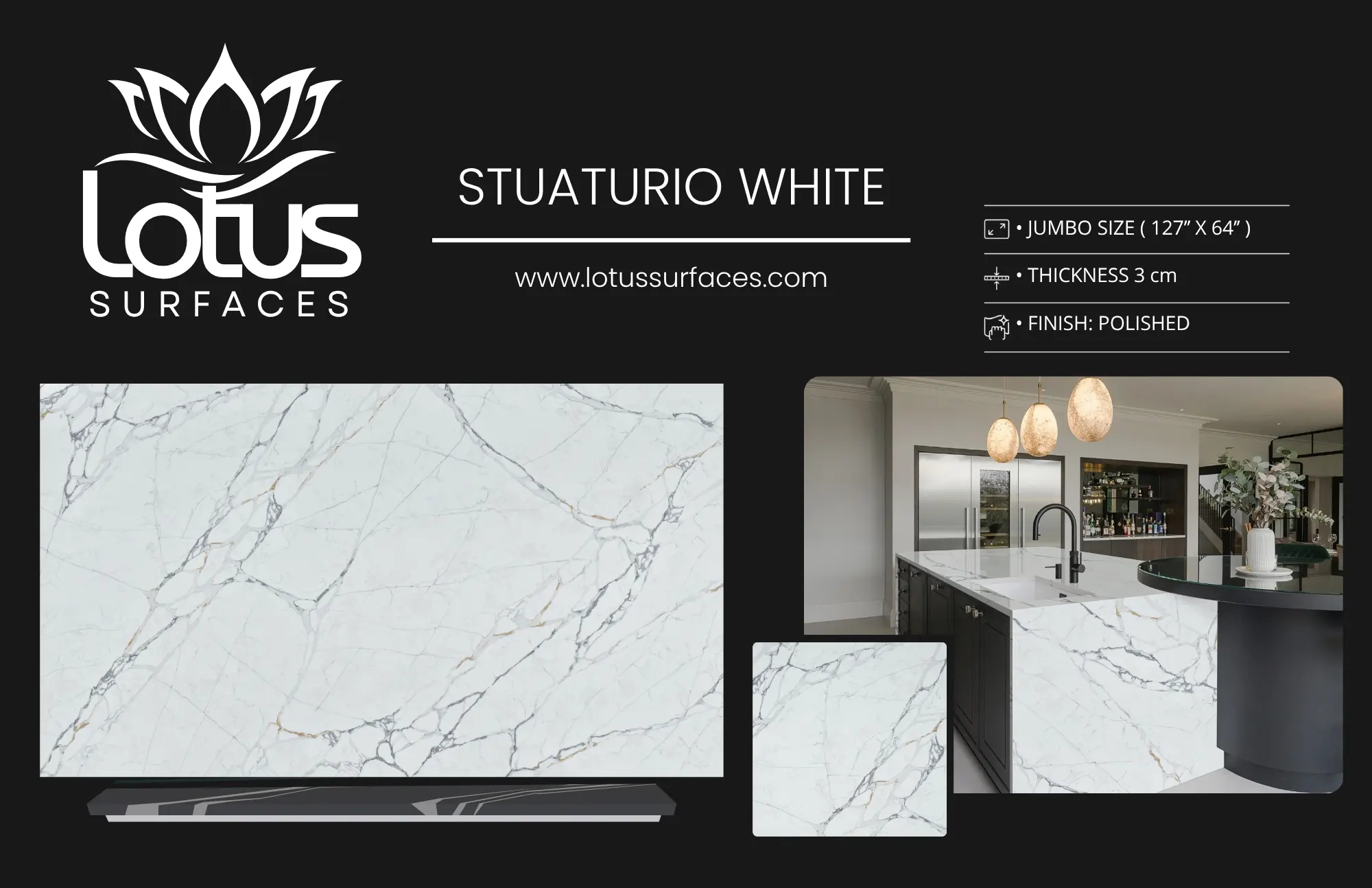
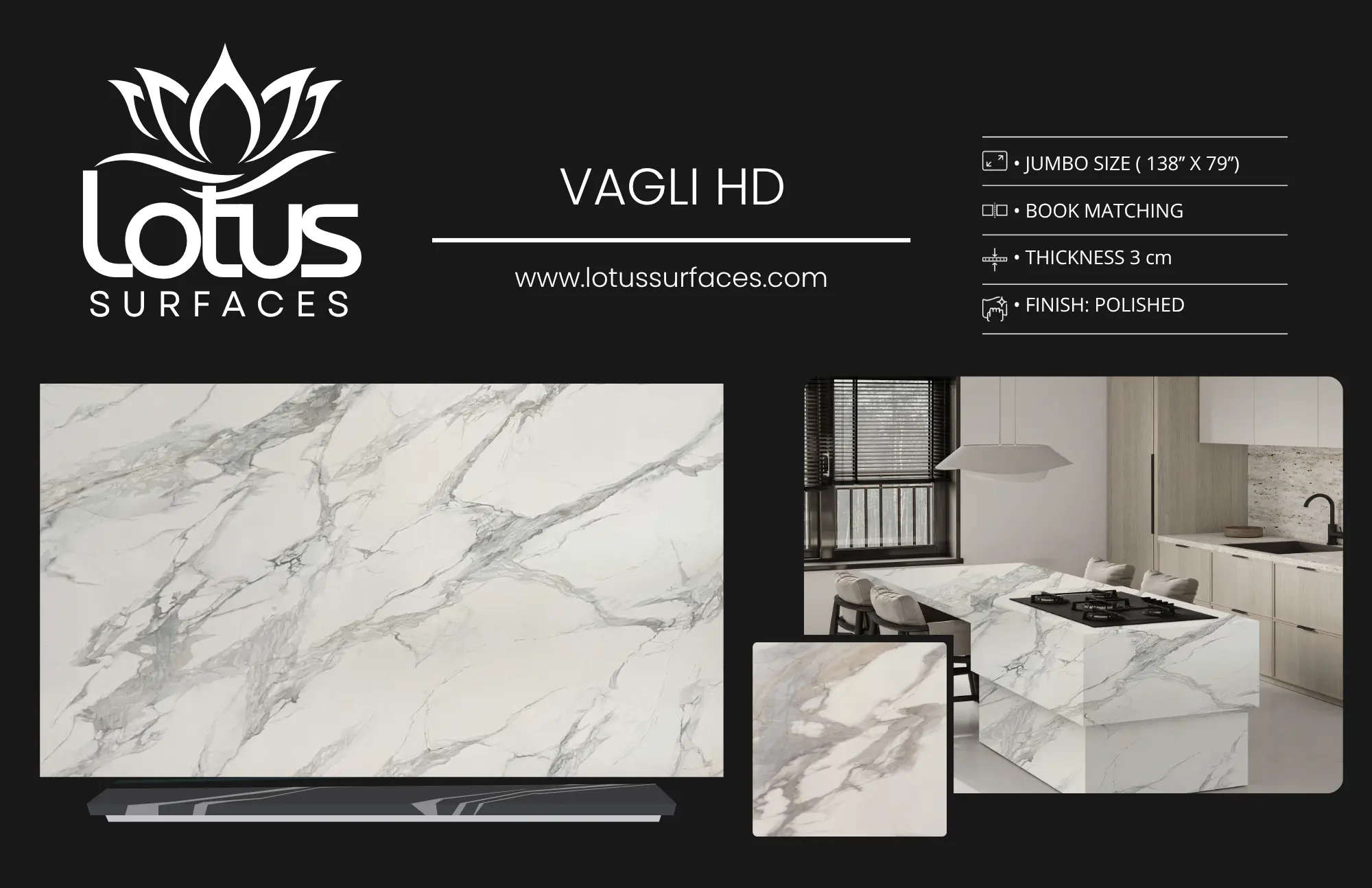
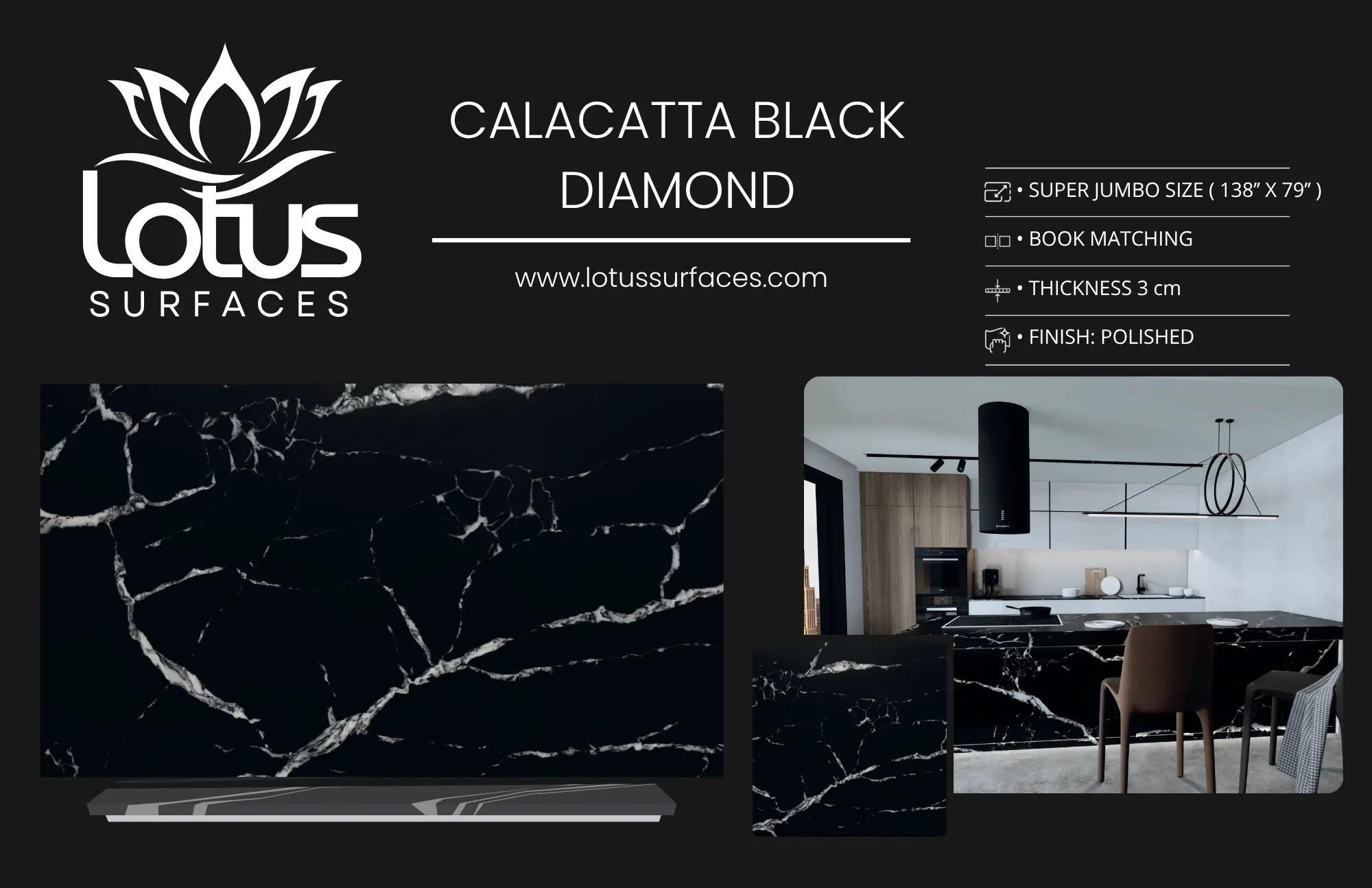
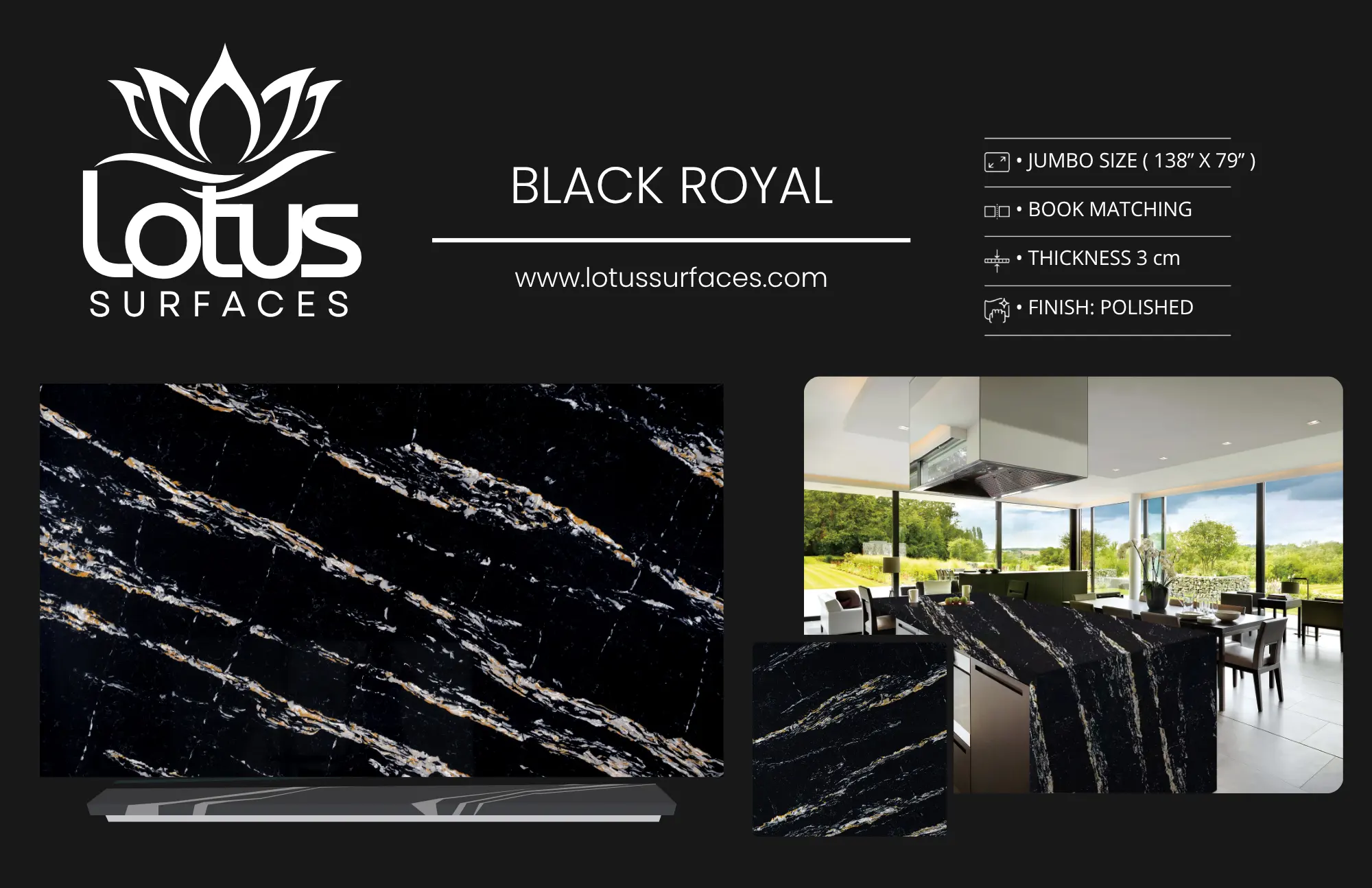
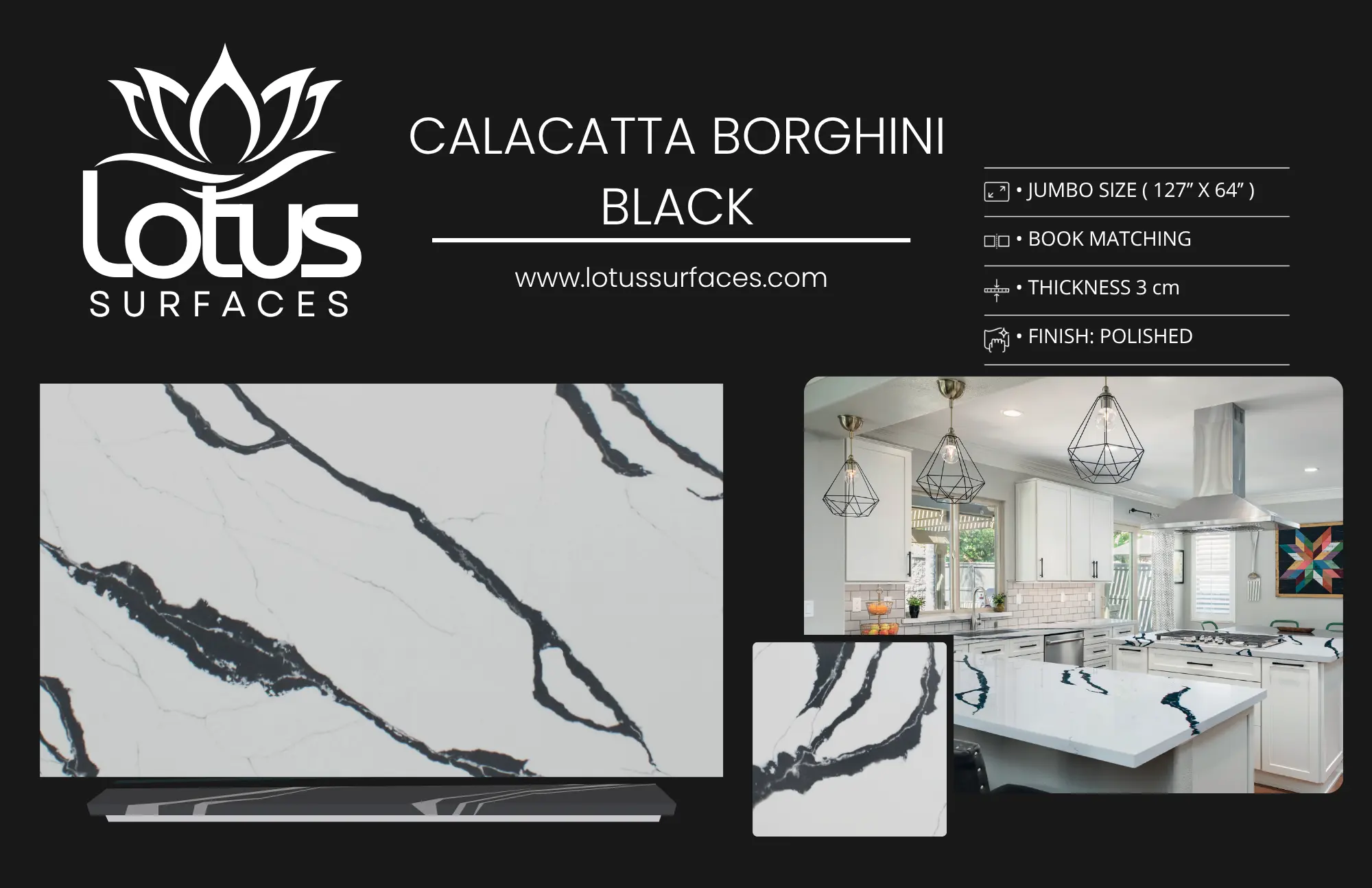
The first step in the countertop fabrication process is selecting the slab. At Lotus Surfaces, we offer a personalized slab viewing experience, allowing you to select the perfect piece for your project. Each slab has unique characteristics, and our expert team is here to guide you through the selection process.
3.2. Measurement and Digital Templating
Accurate measurements are crucial for a perfect fit. Our team uses advanced digital templating technology to create precise templates of your countertop layout. This ensures that every cut is accurate and tailored to your space.
3.3. Cutting and Shaping
Once the measurements are confirmed, the actual fabrication begins. Using precision CNC cutting machines, we cut the slab according to the digital template. This stage involves:
- Cutting: The slab is cut to size with high accuracy.
- Shaping: Edges are shaped according to your specifications, whether you prefer a beveled, bullnose, or mitered edge.
3.4. Finishing
After cutting and shaping, the countertop undergoes a finishing process. This involves polishing the surface to achieve a high-gloss finish or honing for a matte look. The finish enhances the countertop’s appearance and provides protection against wear and tear.
3.5. Quality Control
Before moving on to installation, we conduct a thorough quality control check. This ensures that the countertop meets our high standards for durability and aesthetic appeal. We inspect for any imperfections, ensuring that your new countertop will be flawless.
4. Installation Process
The final step in the countertop fabrication process is installation. Proper installation is crucial for ensuring the longevity and functionality of your countertop. Here’s what to expect during the installation:
4.1. Preparation
Before installation, our team prepares the area by removing existing countertops and ensuring that the cabinets are level and structurally sound. This step is essential for a successful installation.
4.2. Positioning and Securing
Once the area is prepped, we carefully position the countertop onto the cabinets. Our experienced installers take great care to ensure that seams are aligned perfectly and that the countertop is securely fastened.
4.3. Final Touches
After the countertop is in place, we make any necessary adjustments and apply silicone caulk around the edges for a watertight seal. This prevents moisture from seeping under the countertop, which can lead to damage over time.
5. Maintenance and Care
To ensure your new countertop remains beautiful and functional for years to come, regular maintenance is essential. Here are some tips for caring for your countertops based on the material:
| Material | Care Instructions |
|---|---|
| Quartz | Wipe with a damp cloth and mild soap. Avoid harsh chemicals. |
| Granite | Seal every 1-2 years and clean with pH-balanced cleaners. |
| Porcelain | Use a soft cloth and gentle cleaner to maintain the surface. |
6. Frequently Asked Questions
1. What is the average time for countertop fabrication?
The countertop fabrication process typically takes 1-2 weeks, depending on the complexity of the project and the material selected.
2. How do I choose the right countertop material?
Consider factors such as durability, maintenance requirements, and aesthetic preferences when selecting a countertop material.
3. Can I customize my countertop design?
Yes, at Lotus Surfaces, we offer customization options for edge profiles, colors, and finishes to match your design vision.
4. How do I maintain my quartz countertops?
Clean quartz countertops with mild soap and water. Avoid abrasive cleaners that can scratch the surface.
5. What is the difference between quartz and granite countertops?
Quartz is engineered stone, while granite is a natural stone. Quartz is non-porous and requires less maintenance compared to granite.
6. Is installation included in the fabrication process?
Yes, installation is part of our comprehensive countertop fabrication service at Lotus Surfaces.
7. How long do granite countertops last?
With proper maintenance, granite countertops can last a lifetime, making them a worthwhile investment.
8. What are the benefits of using porcelain countertops?
Porcelain countertops are highly resistant to heat, stains, and scratches, making them an excellent choice for busy kitchens.
9. How can I ensure my countertops are installed correctly?
Work with a reputable countertop fabricator, like Lotus Surfaces, who employs experienced installers for precise and secure installation.
10. What factors affect the cost of countertop fabrication?
Cost factors include the type of material, complexity of the design, and any customizations required.
11. Can I see the slab before purchasing?
Yes, we offer personalized slab viewing experiences to help you select the perfect piece for your project.
12. What is the best way to clean granite countertops?
Use a pH-balanced cleaner and a soft cloth to maintain the beauty of your granite countertops.
In conclusion, understanding the countertop fabrication process from raw slab to finished installation is vital for making informed decisions about your renovation project. At Lotus Surfaces, we are committed to providing high-quality materials and expert installation services in Norcross, Atlanta, and the surrounding areas. If you’re ready to embark on your countertop journey, contact us today to schedule your consultation and discover how we can help you create the perfect countertop for your home!
