
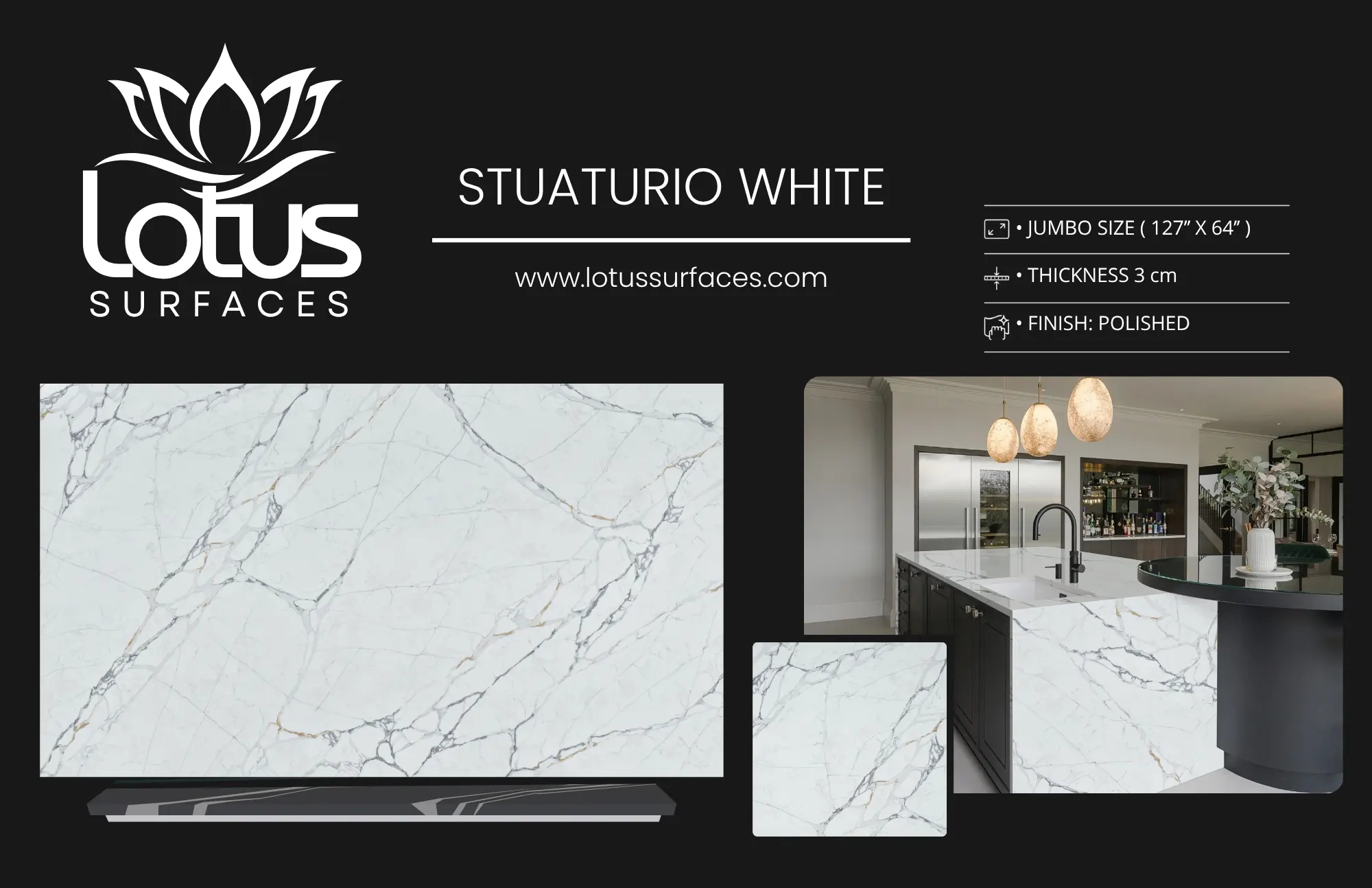
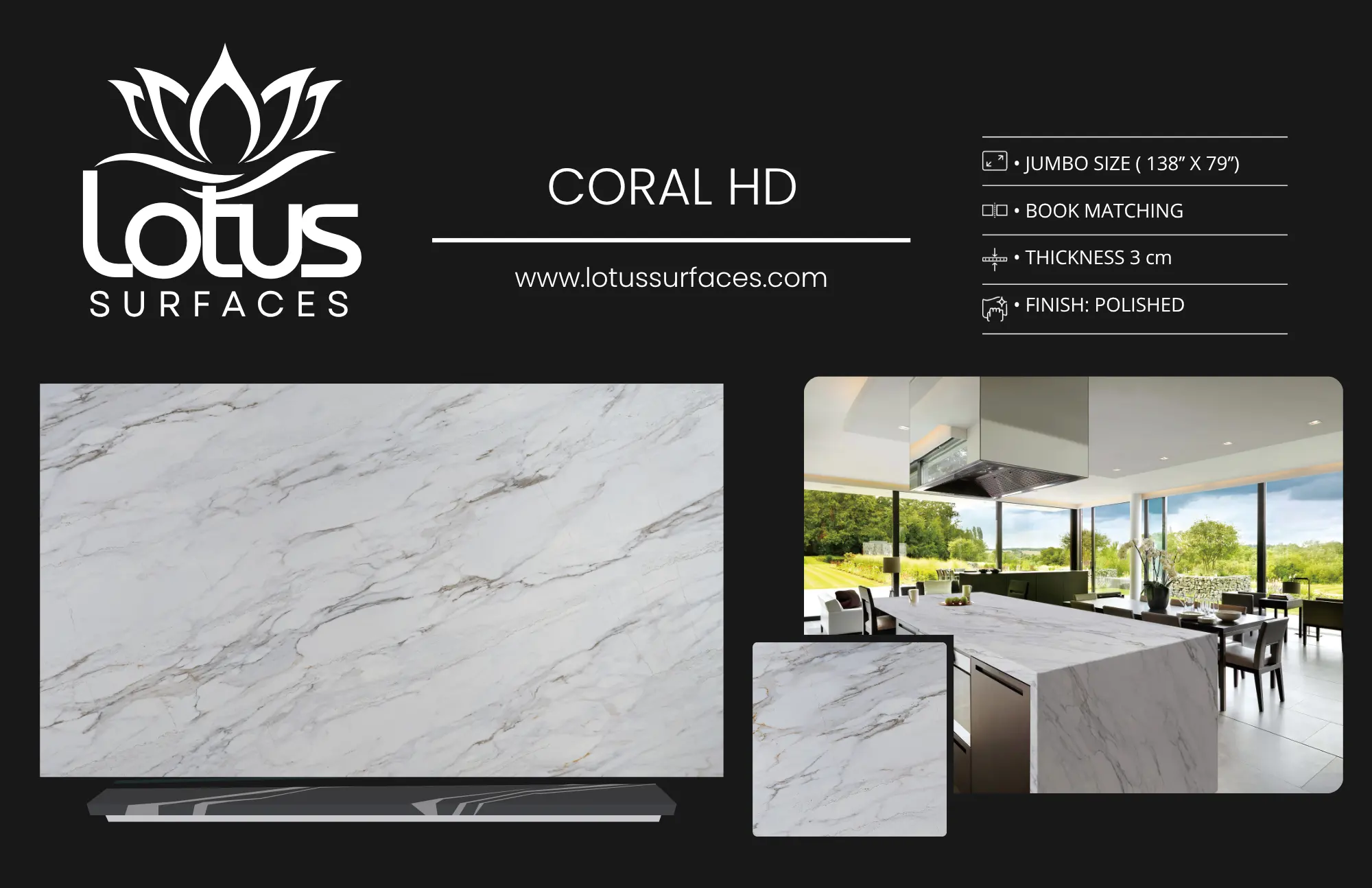

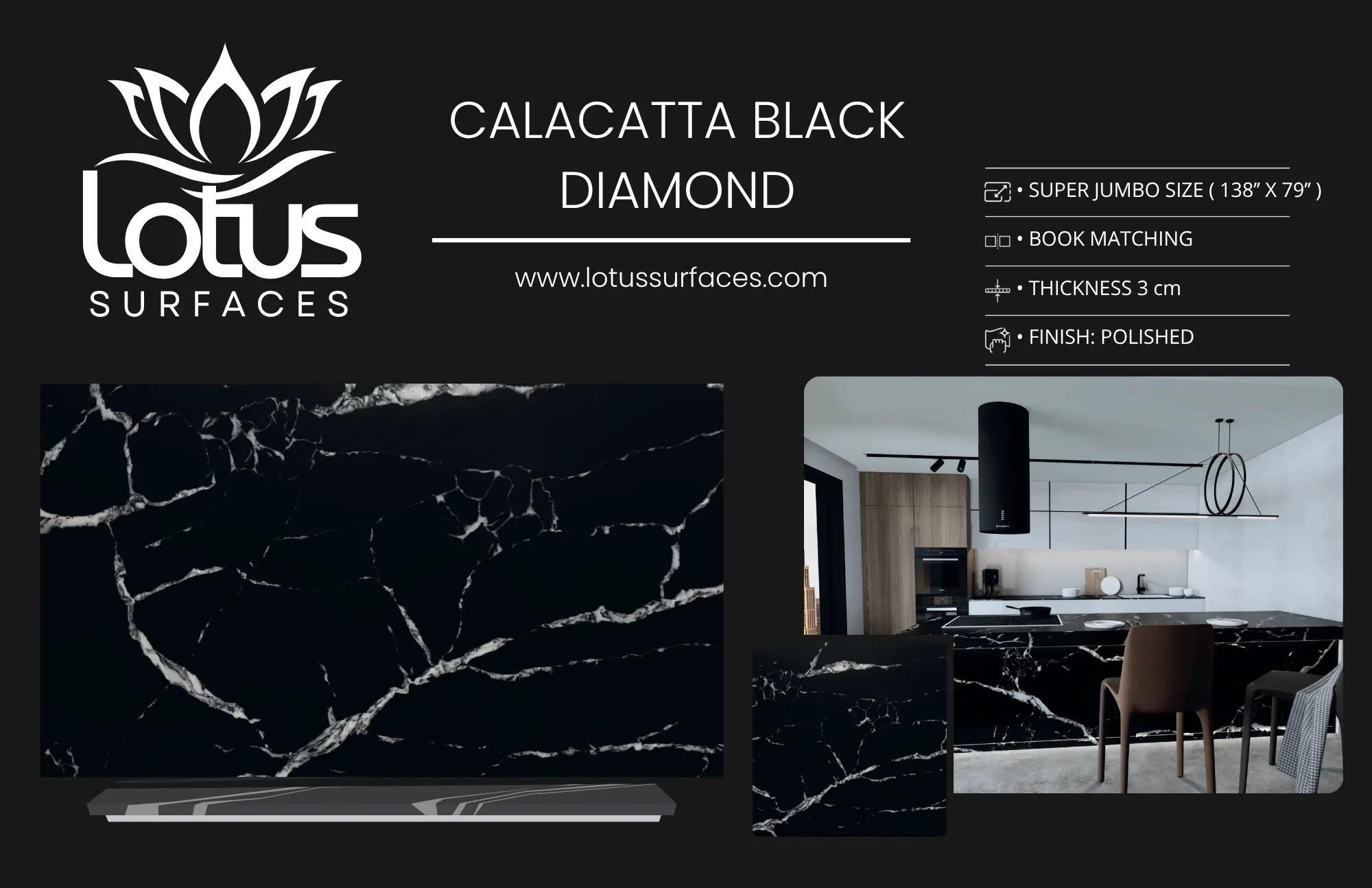
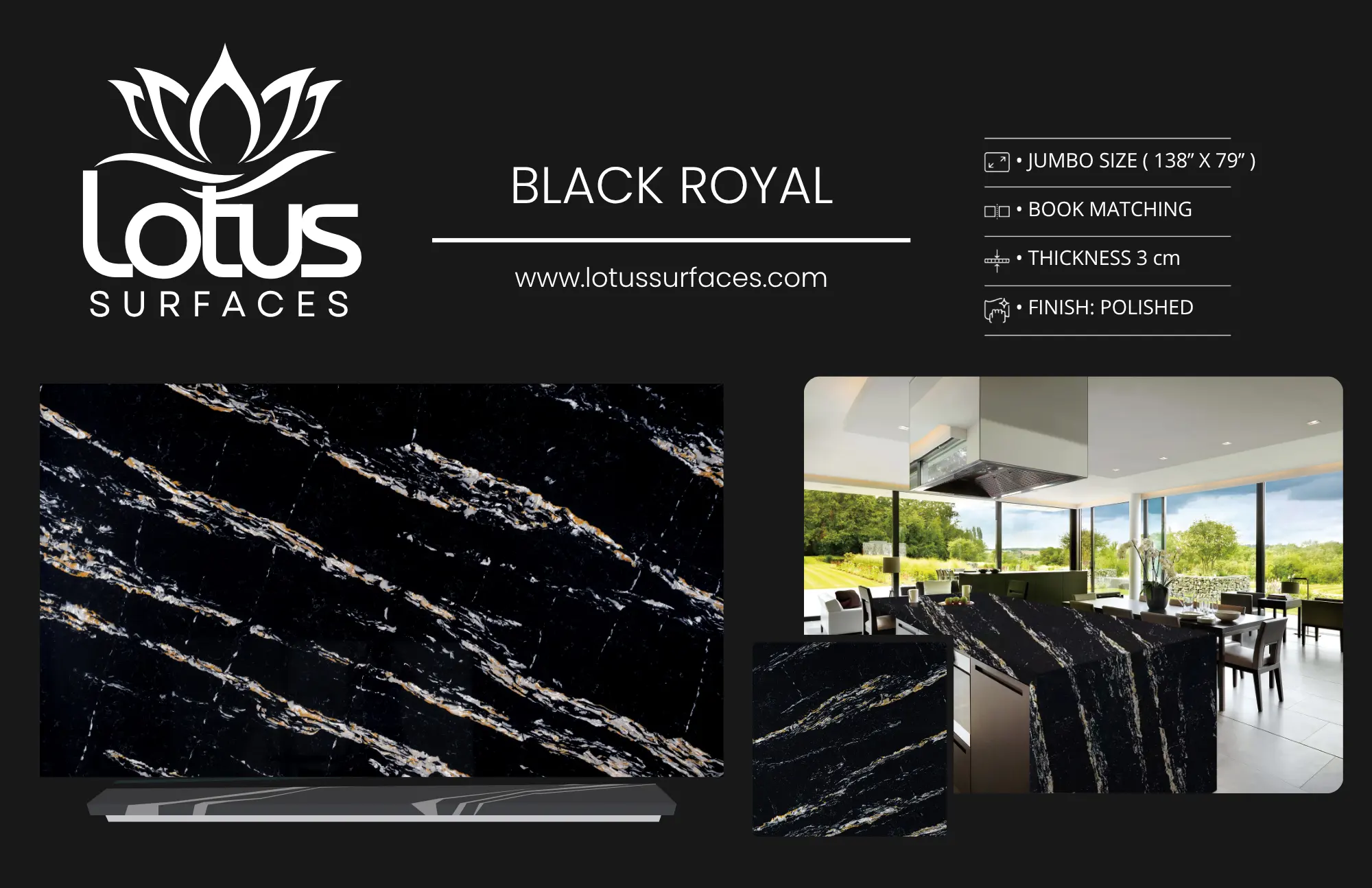
Why Natural Stone Countertops Develop Character and Patina Over Time
Natural stone countertops, including granite, marble, and quartzite, are not just functional surfaces; they are aesthetic masterpieces that evolve over time. As a homeowner in Norcross or the Greater Atlanta area, you may have noticed that these surfaces develop a unique character and patina that enhances their beauty and charm. In this comprehensive guide, we will explore why natural stone countertops develop these attributes, how they age gracefully, and what you can do to maintain their allure. Whether you’re considering a renovation or already enjoying the elegance of natural stone, understanding this phenomenon can help you appreciate your investment even more.
1. The Nature of Natural Stone
Natural stones like granite, marble, and quartzite are formed over millions of years through geological processes. These materials are not man-made; they are mined directly from the earth, which gives them a unique character that synthetic materials simply cannot replicate. Each slab of natural stone tells a story, reflecting the conditions under which it was formed. This uniqueness is often what draws homeowners in Norcross and beyond to choose natural stone for their kitchens and bathrooms.
Natural stone is composed of various minerals, each contributing to its overall appearance and durability. For instance, granite is an igneous rock rich in quartz and feldspar, making it exceptionally hard and resistant to scratches. Marble, on the other hand, is a metamorphic rock that is softer and more porous, allowing it to develop a different kind of character over time. Understanding these differences is crucial for homeowners who wish to select the best countertop material for their needs. For more on the qualities of different stone types, check out our countertop selection guide.
2. The Development of Character in Natural Stone
As natural stone countertops age, they develop what many refer to as ‘character’. This term encompasses the unique features that emerge over time, including subtle changes in color, texture, and surface quality. Here are some key factors contributing to the development of character in natural stone countertops:
- Natural Variations: Each slab of stone has its own unique patterns and colors due to the minerals present during its formation. Over time, these variations can become more pronounced, giving the countertop a distinct look.
- Wear and Tear: Everyday use can lead to minor scratches and etches, which add to the stone’s character. Unlike synthetic materials that can show wear as unsightly blemishes, natural stone often looks more visually interesting with these imperfections.
- Patina: As we’ll discuss in detail later, patina is a natural aging process that enhances the beauty of stone. It can create a rich, lustrous surface that many homeowners find appealing.
For homeowners considering a renovation, the idea of a countertop that grows more beautiful with age can be incredibly appealing. It’s a testament to the durability and timelessness of natural stone. If you’re in the Greater Atlanta area and looking for quality countertops, our team at Lotus Surfaces is here to help you choose the perfect material.
3. The Science Behind Patina Formation
Patina is a term often used to describe the surface changes that occur over time on natural stone. It is a result of several processes, including chemical reactions, environmental exposure, and physical wear. Here’s a closer look at how patina forms:
| Process | Description |
|---|---|
| Chemical Reactions | Interactions with acids and bases can cause surface changes, especially in softer stones like marble. |
| Environmental Exposure | Sunlight, moisture, and air can lead to oxidation and other reactions that alter the stone’s appearance. |
| Physical Wear | Daily use can create micro-scratches and wear patterns that contribute to the surface texture and character. |
For example, when acid-based substances (like lemon juice or vinegar) come into contact with marble, they can etch the surface, creating a matte finish that some homeowners find appealing. This intentional aging can enhance the stone’s character and make it look more rustic and inviting.
Moreover, the development of patina is not a negative aspect; rather, it is an integral part of the stone’s life cycle. Many homeowners appreciate the charm and history that a well-patinated surface brings to their home. If you’re curious about how to care for your natural stone countertops to encourage this process, check out our guide on caring for quartz countertops.
4. Factors Affecting the Aging of Natural Stone
Several factors influence how quickly and in what way natural stone develops character and patina. Here are some key considerations:
- Type of Stone: Different stones age differently. For instance, granite is highly resistant to wear, while marble is softer and more susceptible to etching.
- Usage: The frequency and type of use play a significant role. High-traffic areas will show wear more quickly than less frequently used spaces.
- Environmental Conditions: Humidity, temperature fluctuations, and exposure to sunlight can all affect the aging process. For example, Georgia’s humid climate may lead to faster patina development in certain stones.
Understanding these factors can help homeowners make informed decisions about their countertop choices. If you’re considering natural stone for your home, consult with our experts to discuss which stone type will best suit your lifestyle and aesthetic preferences.
5. Caring for Your Natural Stone Countertops
Maintaining the beauty of your natural stone countertops is essential. Here are some actionable tips to ensure they age gracefully:
Here are a few more tips for caring for your natural stone countertops:
- Regular Sealing: Many natural stones benefit from periodic sealing to protect against stains and moisture. Consult with a professional about the best sealing schedule for your specific stone.
- Prompt Cleanup: Wipe up spills immediately to prevent staining. Acidic substances can be particularly harmful to softer stones like marble.
- Avoid Harsh Chemicals: Steer clear of abrasive cleaners and acidic substances that can damage your stone’s surface.
By following these maintenance practices, you can help your natural stone countertops develop a beautiful patina while preserving their strength and functionality. For more detailed care instructions, visit our blog on how to care for quartz countertops.
6. Conclusion
Natural stone countertops are more than just functional surfaces; they are living elements that evolve over time, adding character and charm to your home. Understanding the processes behind their aging can help you appreciate their beauty and make informed decisions about care and maintenance. Whether you’re considering a new installation or already enjoy the elegance of natural stone, embracing its natural character and patina can enhance your home’s aesthetic appeal. If you’re looking for premium countertop solutions in Norcross or the Greater Atlanta area, reach out to us at Lotus Surfaces for expert guidance and a personalized consultation.
7. Frequently Asked Questions
What is patina on natural stone?
Patina refers to the natural aging process of stone surfaces, resulting in changes in color, texture, and sheen over time.
How can I prevent my natural stone countertop from getting damaged?
Regular maintenance, sealing, and prompt cleanup of spills can help prevent damage to your natural stone countertops.
Is marble more prone to developing patina than granite?
Yes, marble is softer and more susceptible to etching and staining, making it more likely to develop patina over time.
How often should I seal my natural stone countertops?
Sealing frequency depends on the type of stone and usage. Consult with a professional for recommendations tailored to your countertop.
Can I use vinegar to clean my natural stone countertops?
No, vinegar is acidic and can damage the surface of natural stones, especially softer varieties like marble. Use a pH-neutral cleaner instead.
What are the benefits of having natural stone countertops?
Natural stone countertops are durable, unique, and develop character over time, enhancing the aesthetic appeal of your home.
How does humidity affect natural stone countertops?
Humidity can accelerate the aging process and patina development in natural stones, particularly in regions like Georgia.
What should I do if my natural stone countertop gets scratched?
Minor scratches can often be polished out. For deeper scratches, consult a professional for repair options.
