
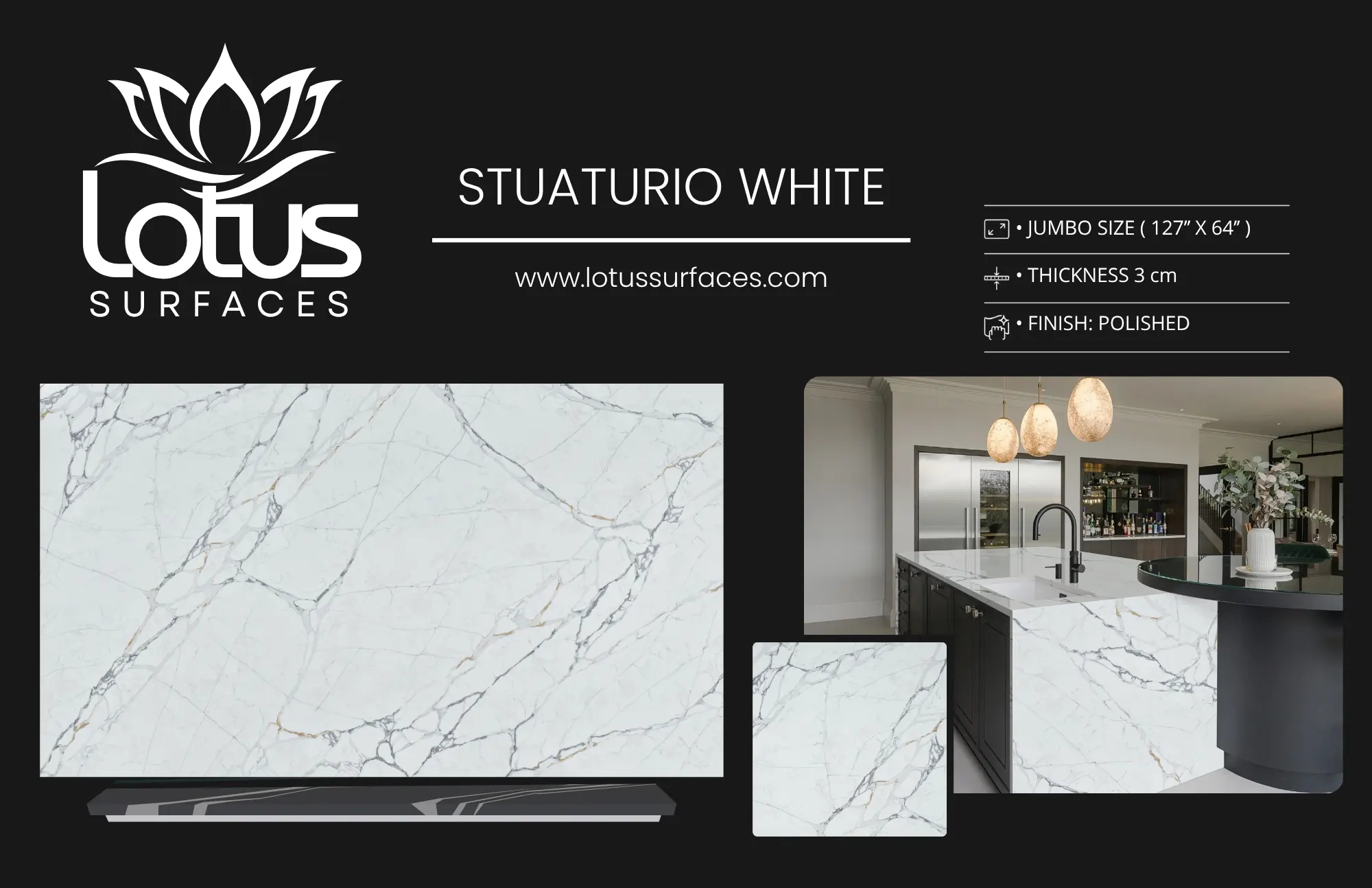
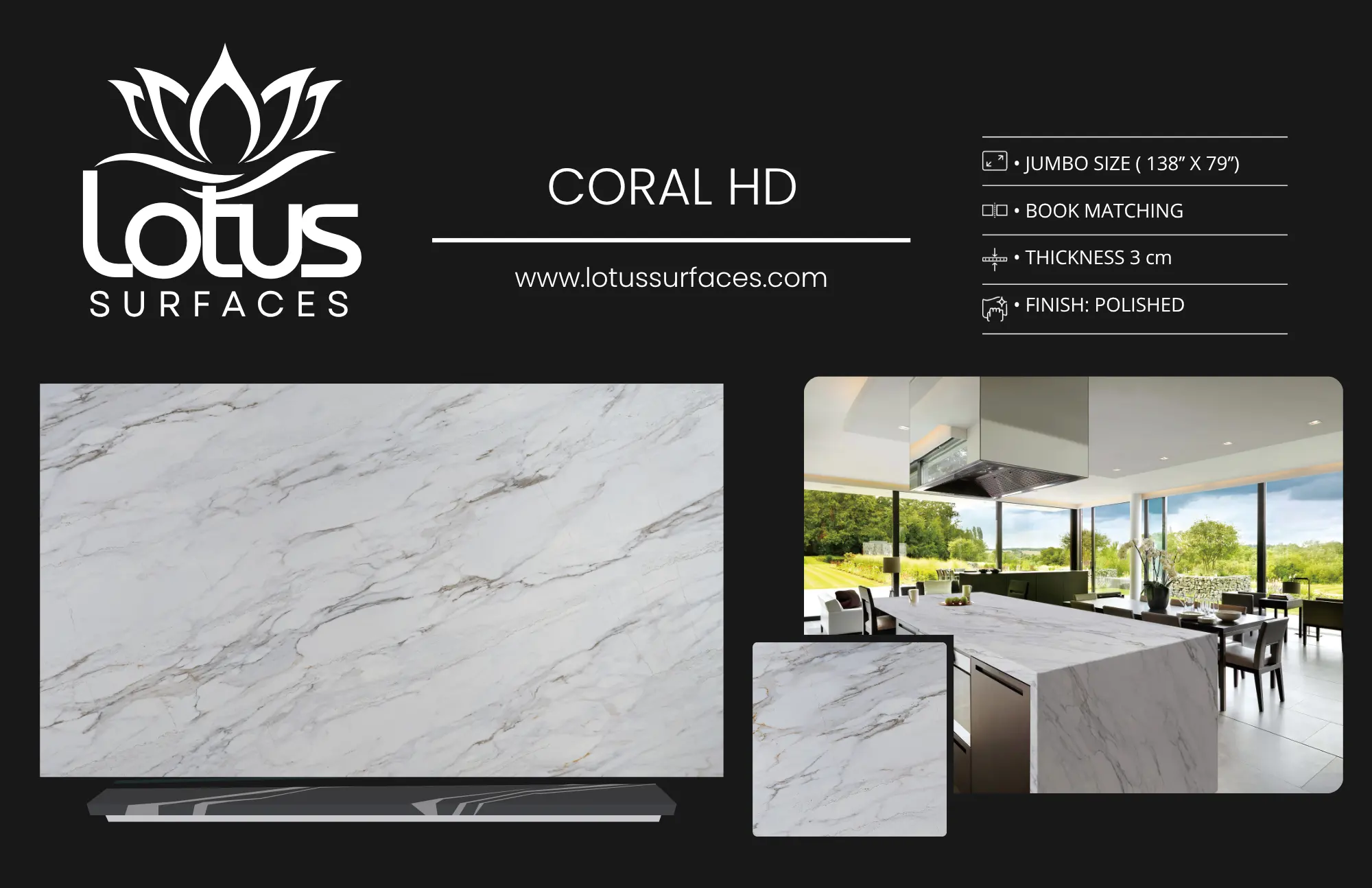
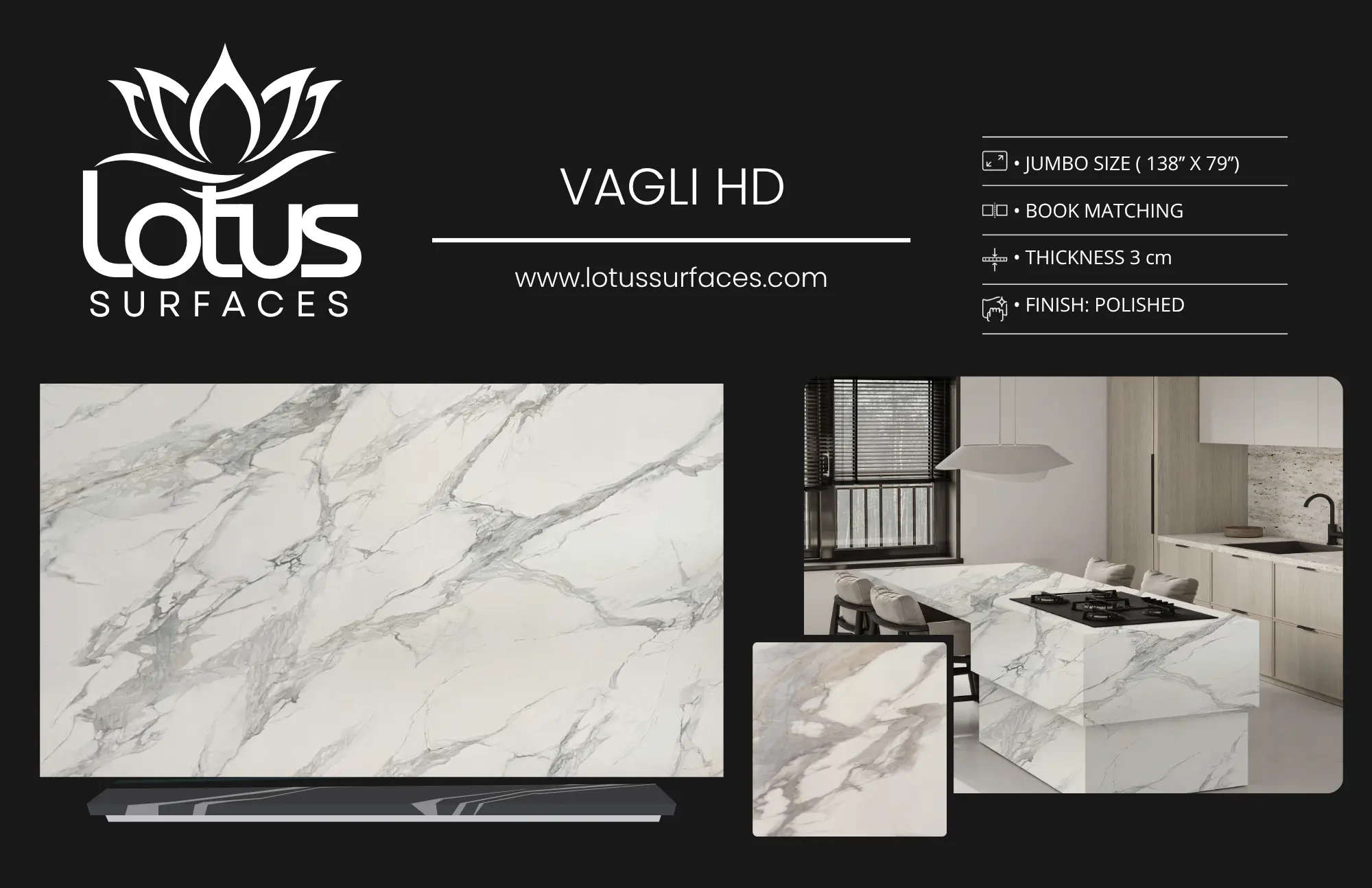
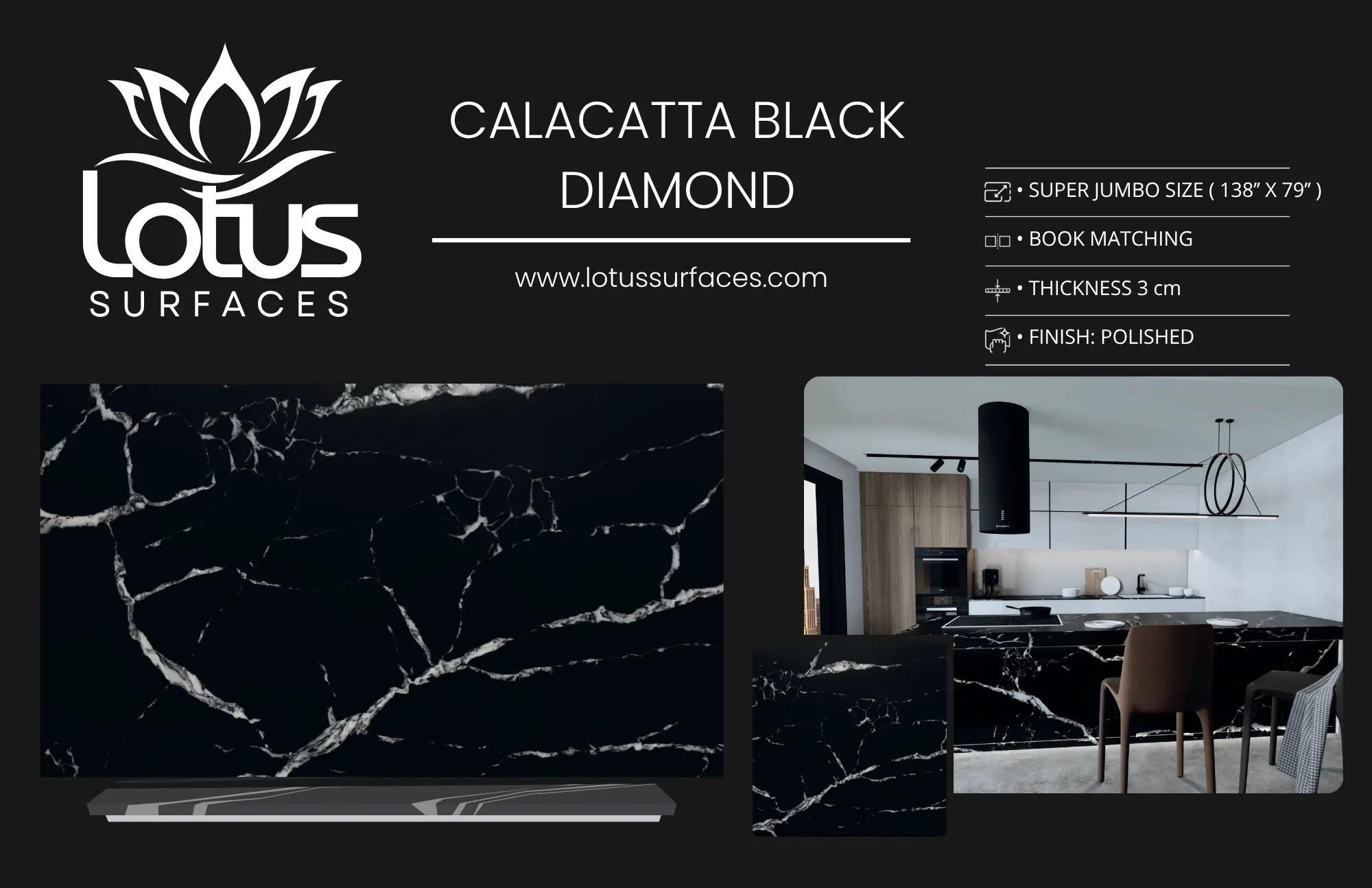
The Complete Guide to Porcelain vs. Quartz Countertops for Atlanta Homeowners
As homeowners in Atlanta embark on kitchen and bathroom renovations, one of the most critical decisions they face is the choice of countertop material. With a myriad of options available, two materials stand out for their popularity and functionality: porcelain and quartz. This comprehensive guide will delve deep into the nuances of porcelain vs. quartz countertops, helping you make an informed choice that suits your style, needs, and budget. Whether you’re considering the elegant aesthetics of porcelain or the durability of quartz, this guide will equip you with the knowledge needed to select the perfect surface for your home.
1. Overview of Porcelain and Quartz Countertops
Porcelain countertops are crafted from a type of ceramic material made from kaolin clay, feldspar, and other minerals. This mixture is heated at extremely high temperatures, creating a dense, non-porous surface. Porcelain is renowned for its ability to mimic the look of natural stone while offering superior durability.
On the other hand, quartz countertops are engineered stone surfaces made from about 90% crushed natural quartz crystals mixed with resin and pigments. This combination results in a durable and aesthetically versatile countertop that can resemble natural stone or be customized in various colors and patterns.
2. Key Differences Between Porcelain and Quartz
When comparing porcelain and quartz countertops, several factors come into play:
| Feature | Porcelain Countertops | Quartz Countertops |
|---|---|---|
| Material Composition | Natural clay and minerals | Engineered stone with resin |
| Durability | Highly durable and resistant to scratches | Very durable, but can be scratched |
| Heat Resistance | Excellent heat resistance | Moderate heat resistance |
| Stain Resistance | Non-porous, resistant to stains | Non-porous, resistant to stains |
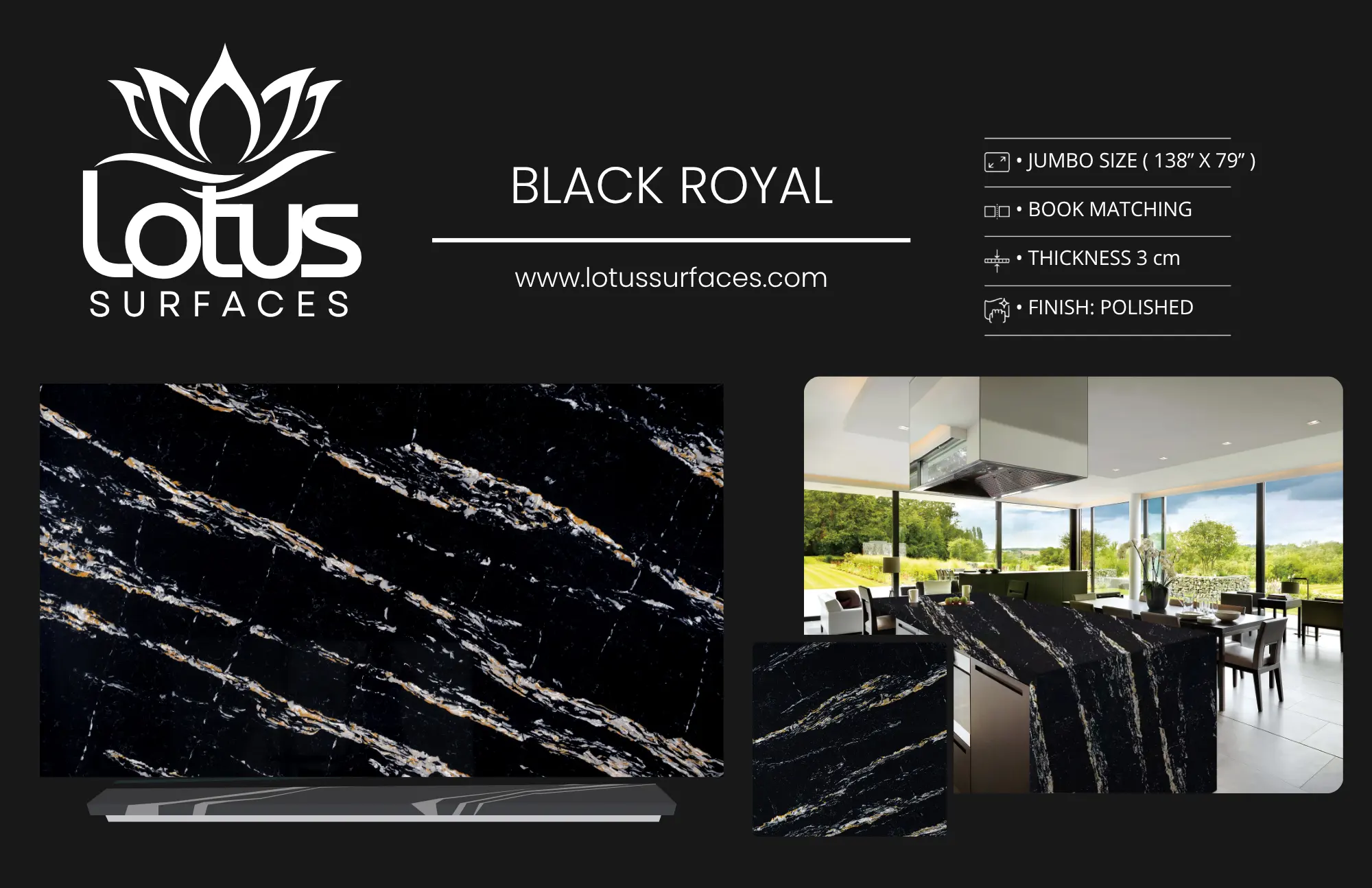
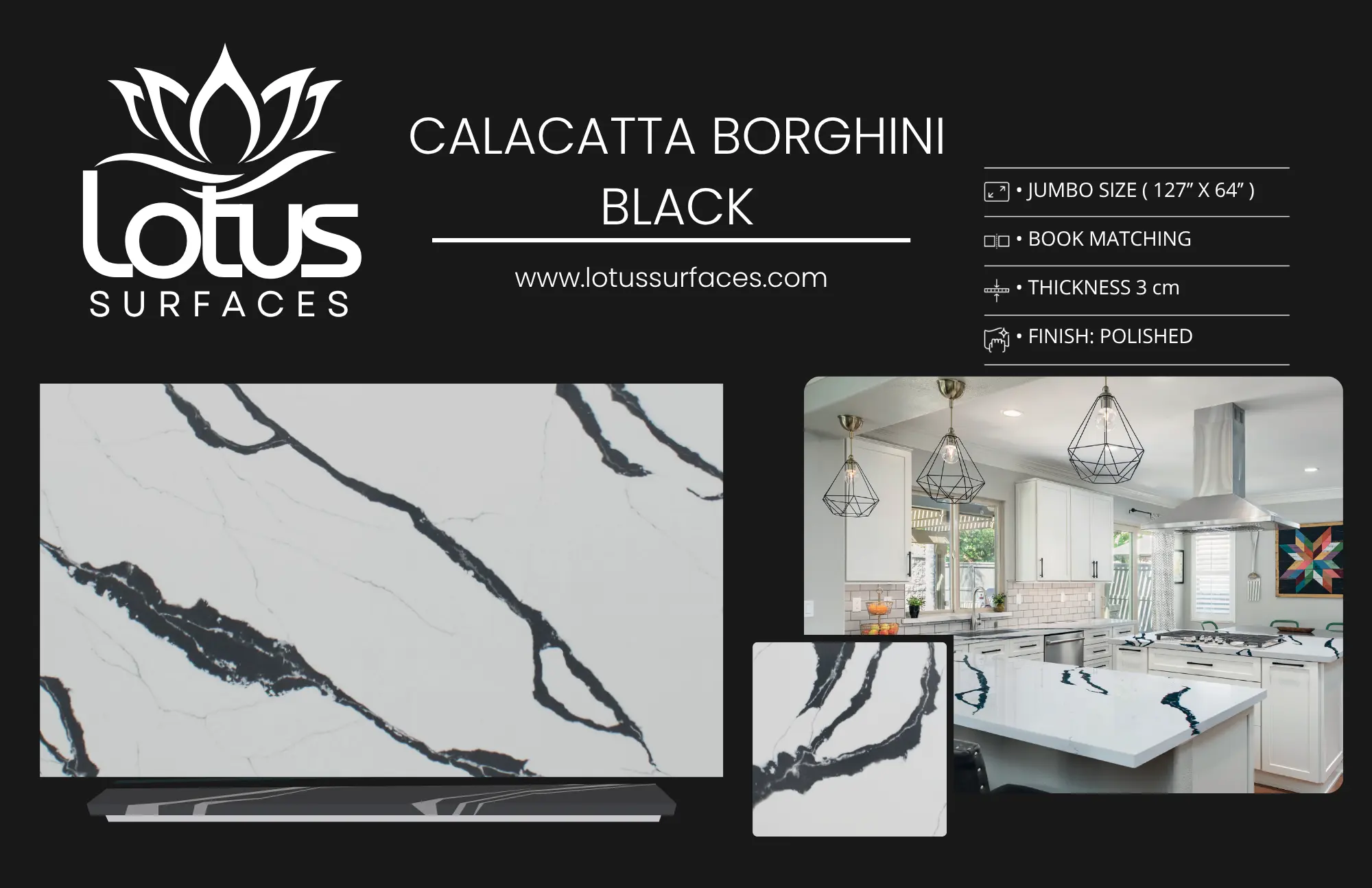
| Aesthetic Variety | Wide range of colors and finishes | Highly customizable with various colors and patterns |
| Maintenance | Easy to clean, minimal maintenance | Easy to clean, but requires sealing |
3. Advantages of Porcelain Countertops
Porcelain countertops offer several advantages for Atlanta homeowners:
- Durability: Porcelain is extremely hard and resistant to scratches, making it ideal for high-traffic areas.
- Heat Resistance: Withstanding high temperatures, porcelain is perfect for kitchens where hot pots and pans may come into contact with the surface.
- Non-Porous Surface: Porcelain’s non-porous nature means it is resistant to stains, bacteria, and odors, making it a hygienic choice for food preparation.
- Variety of Designs: Available in a wide range of colors, patterns, and finishes, porcelain can mimic the look of natural stone or be used in modern designs.
4. Advantages of Quartz Countertops
Quartz countertops also provide numerous benefits:
- Versatility: Quartz comes in a vast array of colors and patterns, allowing homeowners to customize their space to match their style.
- Durability: Engineered from natural stone, quartz is highly durable and resistant to chipping and cracking.
- Low Maintenance: Quartz countertops require minimal maintenance, as they only need occasional cleaning with mild soap and water.
- Uniform Appearance: Unlike natural stone, quartz offers a consistent pattern and color throughout, making it ideal for modern designs.
5. Cost Comparison: Porcelain vs. Quartz
When it comes to cost, both porcelain and quartz countertops can vary widely based on quality, brand, and design. Generally, porcelain countertops can be more affordable, typically ranging from $50 to $100 per square foot, while quartz countertops usually range from $70 to $150 per square foot.
However, it’s essential to consider not just the upfront cost but also the long-term value. Both materials are durable and can last many years, making them worthwhile investments for your home.
6. Maintenance and Care
Proper maintenance is crucial for extending the life of your countertops:
Porcelain Countertops
- Clean with mild soap and water.
- Avoid harsh chemicals that can damage the surface.
- Use cutting boards to prevent scratches.
Quartz Countertops
- Wipe with a damp cloth and mild detergent.
- Seal regularly to maintain its appearance.
- Avoid excessive heat exposure.
7. Installation Process and Considerations
Installing new countertops is a significant undertaking. Here’s what to expect during the installation process:
- Consultation: Schedule a consultation with a professional countertop fabricator to discuss your needs and preferences.
- Measurement: Accurate measurements are crucial for a successful installation. Professionals will use digital templating for precision.
- Fabrication: Whether you choose porcelain or quartz, the material will be cut, shaped, and finished to your specifications.
- Installation: Experienced installers will carefully place and secure your new countertops.
For those in the Greater Atlanta area, Lotus Surfaces offers expert countertop installation services tailored to your needs. Our team is dedicated to ensuring a seamless experience from selection to installation.
8. Conclusion
When it comes to choosing between porcelain and quartz countertops, both options have their unique advantages and can enhance the beauty and functionality of your home. Porcelain countertops offer exceptional durability and heat resistance, while quartz provides versatility and a wide array of designs. Ultimately, the decision should reflect your personal style, budget, and lifestyle needs. For personalized guidance and professional installation, contact Lotus Surfaces today!
9. FAQ
What is the main difference between porcelain and quartz countertops?
The primary difference lies in their composition; porcelain is made from natural clay and minerals, while quartz is an engineered stone made from quartz crystals and resin.
Are porcelain countertops more durable than quartz?
Both materials are durable, but porcelain is generally more resistant to scratches and heat than quartz.
How do I maintain my porcelain and quartz countertops?
Both types require regular cleaning with mild soap and water. Porcelain is low-maintenance, while quartz may need sealing every few years.
Which is more expensive, porcelain or quartz?
Quartz countertops tend to be more expensive, typically ranging from $70 to $150 per square foot, whereas porcelain ranges from $50 to $100 per square foot.
Can I use porcelain countertops outdoors?
Yes, porcelain is suitable for outdoor use due to its durability and resistance to weathering.
Are quartz countertops safe for food preparation?
Yes, quartz countertops are non-porous and resistant to bacteria, making them safe for food preparation.
How long do porcelain and quartz countertops last?
With proper care, both materials can last for decades, making them a worthwhile investment for your home.
What styles are available for porcelain and quartz countertops?
Both materials come in a wide range of colors and patterns, allowing for customization to fit any design aesthetic.
Can I install porcelain or quartz countertops myself?
While DIY installation is possible, it’s recommended to hire a professional for accurate measurements and installation to avoid costly mistakes.
