
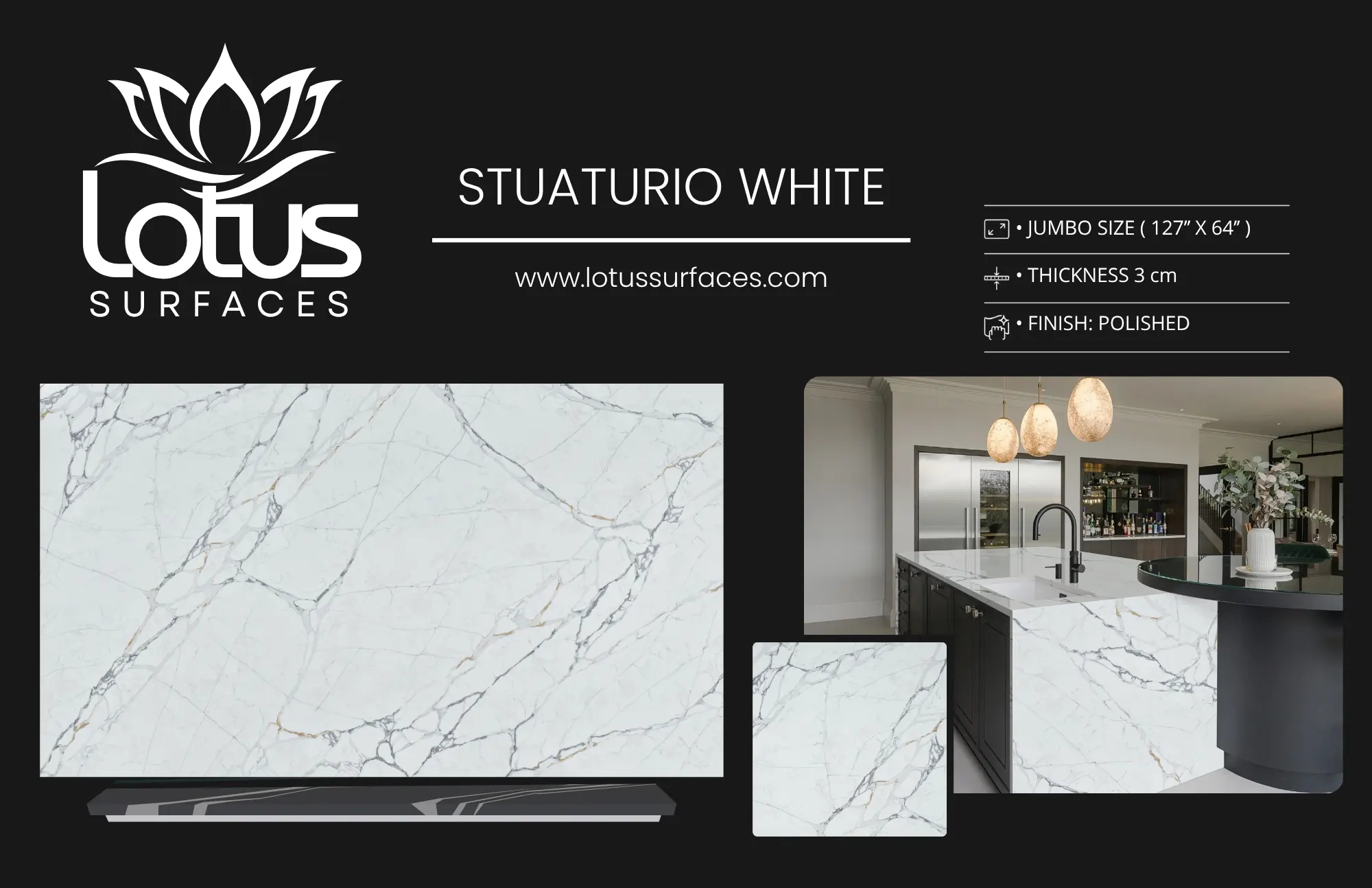
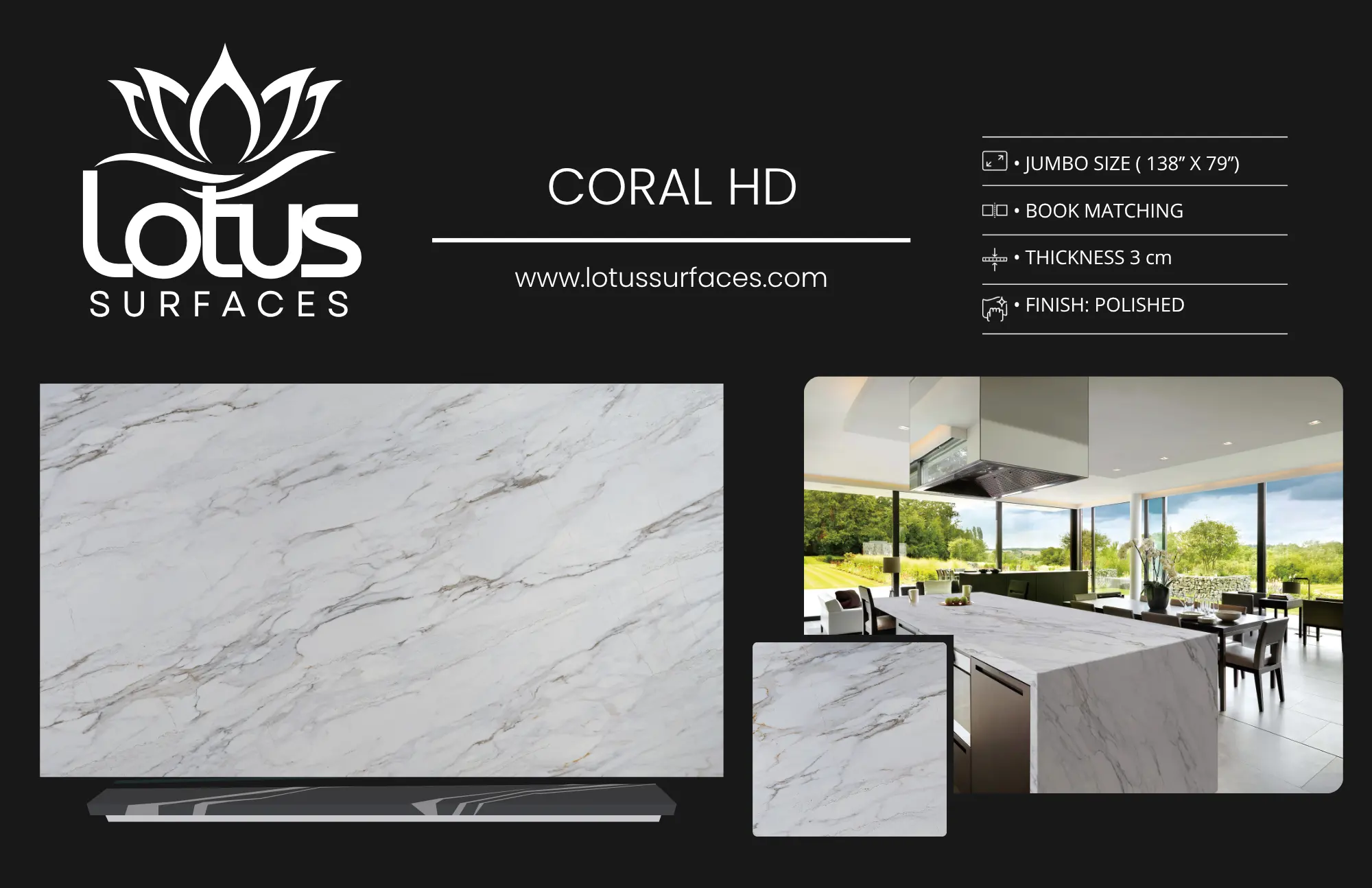
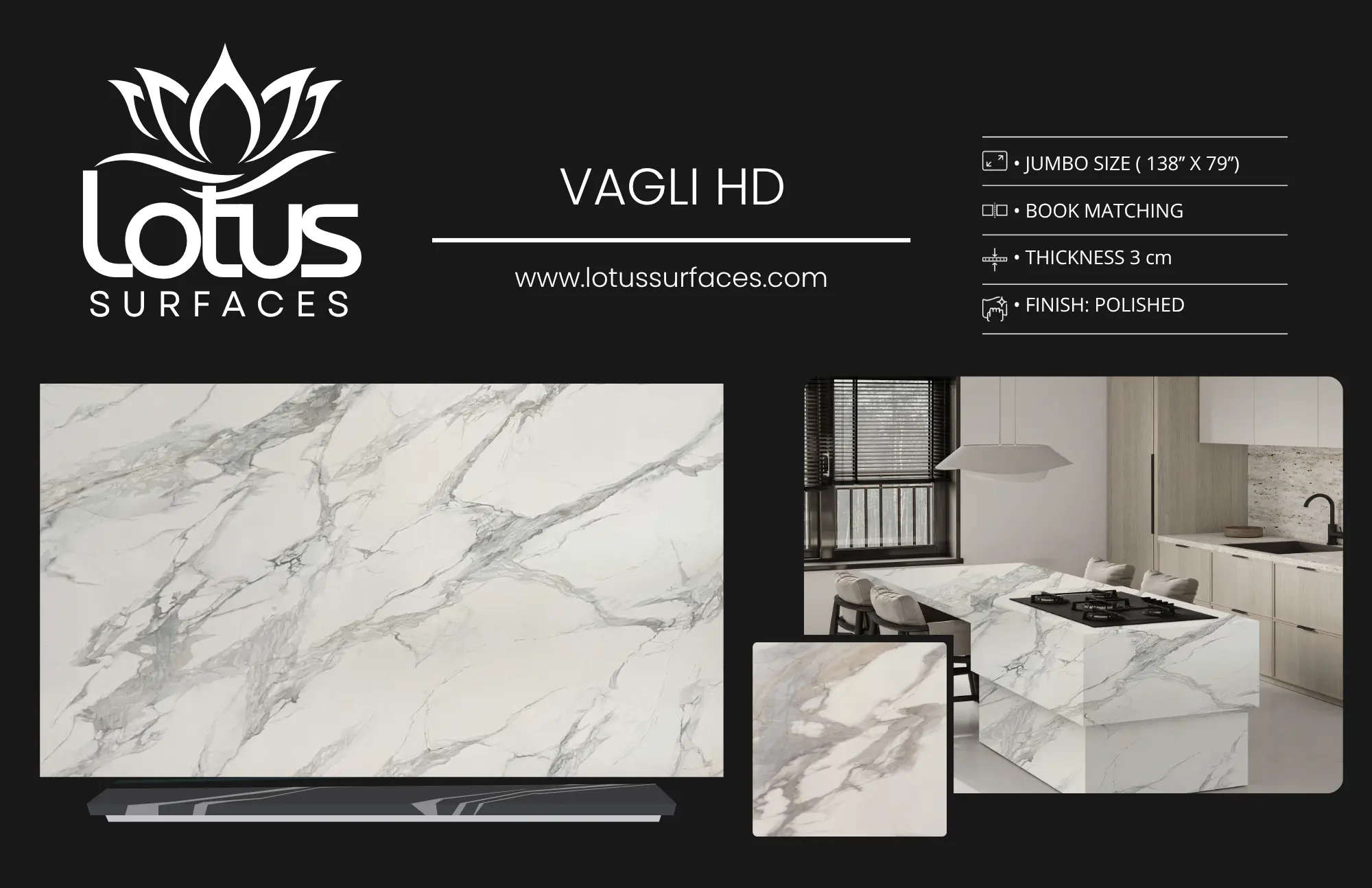
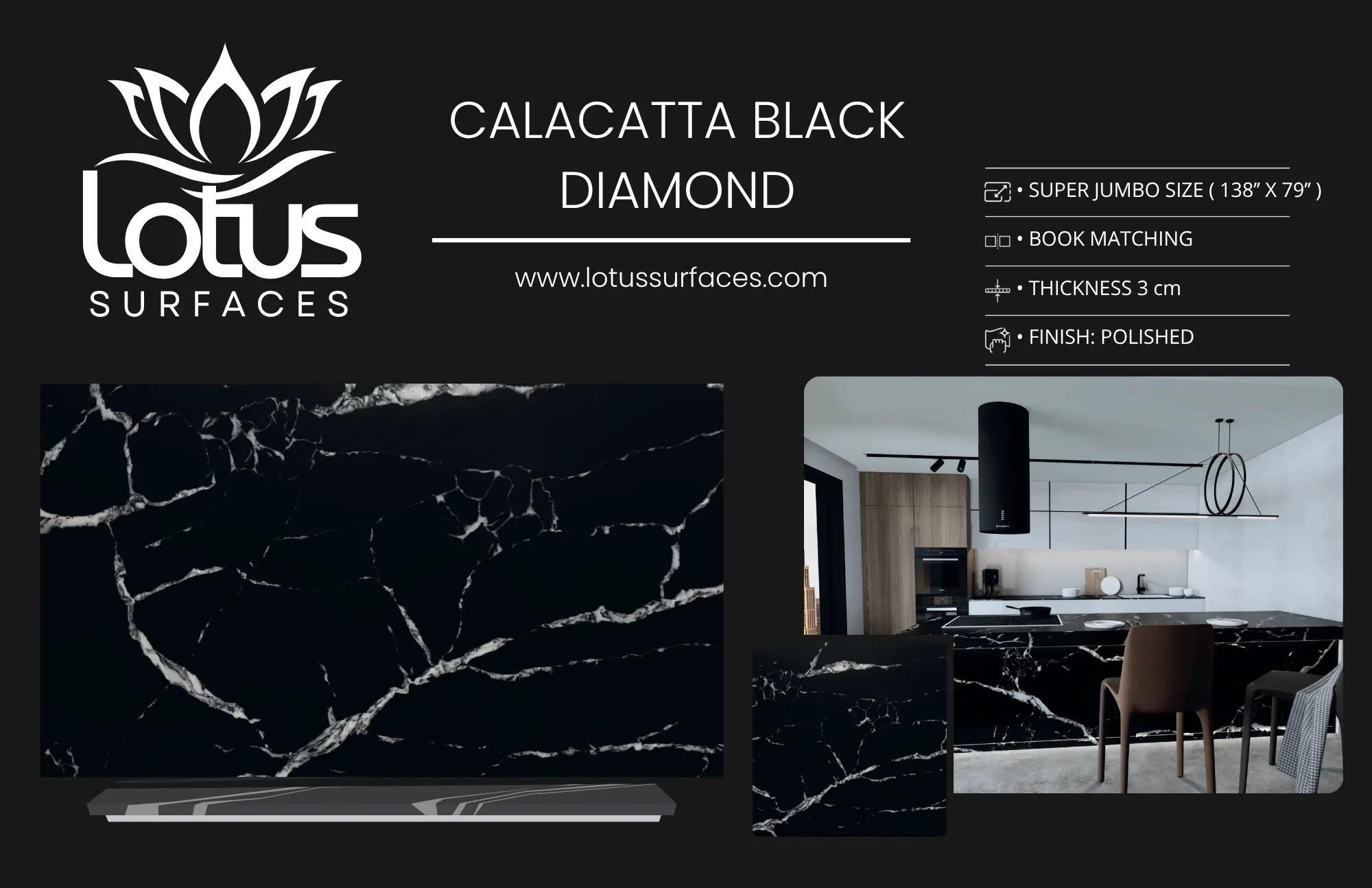
The Complete Guide to Dekton and Ultra-Compact Surface Countertop Options
When it comes to selecting the perfect countertop for your home, the choices can be overwhelming. Among the most innovative and stylish options available today are Dekton and ultra-compact surface countertops. These materials are designed to not only elevate the aesthetic of your kitchen or bathroom but also offer exceptional durability and functionality. In this comprehensive guide, we will explore everything you need to know about Dekton and ultra-compact surfaces, including their benefits, comparisons with other materials, installation tips, and more. By the end of this article, you will be equipped to make an informed decision about the best countertop option for your space.
What is Dekton?
Dekton is an ultra-compact surface material made from a blend of raw materials, including glass, porcelain, and quartz. This combination results in a highly durable and versatile surface that is suitable for a variety of applications, including kitchen countertops, bathroom vanities, and even outdoor spaces. Dekton is manufactured using a process called sintering, which involves extreme heat and pressure to create a non-porous, solid surface.
Benefits of Dekton
Choosing Dekton for your countertops offers numerous advantages:
- Durability: Dekton is highly resistant to scratches, stains, and heat, making it an excellent choice for busy kitchens.
- Non-porous: Its non-porous nature prevents the absorption of liquids, reducing the risk of bacteria growth and making it easier to clean.
- UV Resistance: Dekton is UV resistant, which means it will not fade or discolor when exposed to sunlight, making it ideal for outdoor use.
- Variety of Designs: Available in a wide range of colors and finishes, Dekton can mimic the look of natural stone, wood, or even concrete, allowing for endless design possibilities.
- Eco-Friendly: Made from sustainable materials, Dekton is an environmentally friendly choice for homeowners looking to reduce their carbon footprint.
What are Ultra-Compact Surfaces?
Ultra-compact surfaces are engineered materials made from a combination of natural minerals and advanced manufacturing techniques. Like Dekton, these surfaces are designed to be extremely durable and versatile, suitable for both residential and commercial applications. Ultra-compact surfaces are typically produced using a process that involves high pressure and heat, resulting in a dense material that is resistant to scratches, stains, and moisture.
Benefits of Ultra-Compact Surfaces
Opting for ultra-compact surfaces in your home comes with several benefits:
- High Resistance: These surfaces are resistant to impact, scratches, and stains, making them ideal for high-traffic areas.
- Easy Maintenance: Ultra-compact surfaces are non-porous, making them easy to clean and maintain without the need for harsh chemicals.
- Versatile Applications: They can be used for countertops, backsplashes, and even flooring, providing a cohesive look throughout your space.
- Design Flexibility: Available in a variety of colors and textures, ultra-compact surfaces can complement any design style.
- Thermal Resistance: These surfaces can withstand high temperatures, making them suitable for kitchens where hot pots and pans are common.
Dekton vs. Other Countertops
When considering countertop options, it’s essential to compare Dekton and ultra-compact surfaces with other popular materials such as granite, quartz, and laminate. Below is a comparison table that highlights the key differences between these materials:
| Feature | Dekton | Granite | Quartz | Laminate |
|---|---|---|---|---|
| Durability | Highly resistant to scratches and stains | Durable but can chip | Durable but can scratch | Less durable, can be damaged easily |
| Heat Resistance | Excellent | Good | Moderate | Poor |
| Maintenance | Low maintenance | Requires sealing | Low maintenance | Low maintenance |
| Design Options | Wide variety | Natural variations | Wide variety | Limited |
| Cost | Moderate to high | High | Moderate | Low |
Installation Tips for Dekton and Ultra-Compact Surfaces
Proper installation is crucial for ensuring the longevity and performance of your Dekton or ultra-compact surface countertops. Here are some essential tips:
- Hire Professionals: Always consider hiring experienced professionals for installation to avoid potential issues.
- Use Proper Tools: Ensure that the right tools are used during installation, as these materials require specific cutting and finishing techniques.
- Plan for Seams: Work with your fabricator to plan for seams in a way that minimizes visibility and maximizes aesthetic appeal.
- Consider Support Structures: Depending on the size and weight of your surface, additional support may be necessary.
- Follow Manufacturer Guidelines: Always adhere to the manufacturer’s instructions for installation and care.
Maintenance Tips
To keep your Dekton or ultra-compact surface countertops looking their best, follow these maintenance tips:
- Clean Regularly: Use mild soap and water for daily cleaning. Avoid harsh chemicals that can damage the surface.
- Wipe Spills Immediately: While these surfaces are stain-resistant, it’s best to wipe up spills as soon as they occur.
- Avoid Heavy Impacts: While durable, avoid dropping heavy objects on your countertops to prevent chipping.
- Use Cutting Boards: Always use cutting boards to protect the surface from scratches.
- Seal if Necessary: While Dekton is non-porous, some ultra-compact surfaces may require sealing. Check with your manufacturer.
Frequently Asked Questions
1. What is the difference between Dekton and quartz?
Dekton is an ultra-compact surface made from a blend of materials, while quartz is an engineered stone made primarily from natural quartz crystals and resin.
2. Are Dekton countertops heat resistant?
Yes, Dekton countertops are highly heat resistant, making them suitable for hot pots and pans.
3. How do I clean Dekton surfaces?
Use mild soap and water for regular cleaning, and avoid harsh chemicals.
4. Can I use Dekton outdoors?
Yes, Dekton’s UV resistance makes it an excellent choice for outdoor applications.
5. How do I maintain ultra-compact surfaces?
Regular cleaning with mild soap and water is recommended. Avoid heavy impacts and always use cutting boards.
6. Is Dekton environmentally friendly?
Yes, Dekton is made from sustainable materials, making it an eco-friendly choice.
7. Can I install Dekton countertops myself?
It is recommended to hire professionals for installation to ensure proper handling and fitting.
8. What are the design options for ultra-compact surfaces?
Ultra-compact surfaces come in a wide variety of colors and textures, allowing for versatile design possibilities.
9. How long do Dekton countertops last?
With proper care, Dekton countertops can last a lifetime due to their durability.
10. Are there any disadvantages to using Dekton?
While Dekton is highly durable, it can be more expensive compared to other countertop materials.
11. Can I use Dekton for flooring?
Yes, Dekton is suitable for flooring applications due to its durability and resistance to wear.
12. Where can I buy Dekton countertops in Atlanta?
For premium Dekton countertops and expert installation, consider visiting Lotus Surfaces in Norcross, GA.
Conclusion
Choosing the right countertop is essential for enhancing both the functionality and aesthetic appeal of your home. Dekton and ultra-compact surfaces are two of the best options available today, offering unparalleled durability, design flexibility, and ease of maintenance. By understanding the benefits and features of these materials, you can make an informed decision that aligns with your style and needs. For personalized assistance and to explore our wide selection of premium countertops, contact us at Lotus Surfaces today!
