
Ultimate Guide: Choosing Between Natural and Engineered Stone for Your Home
When it comes to selecting the right surface material for your home, the choice between natural and engineered stone can be daunting. Homeowners in Norcross and throughout the Greater Atlanta area are increasingly faced with this decision, especially when planning kitchen or bathroom renovations. Understanding the maintenance preferences associated with each type of stone is crucial to making an informed choice.
This comprehensive guide will explore the key differences between natural and engineered stone surfaces, focusing on maintenance, durability, aesthetics, and cost considerations. By the end of this article, you will be equipped with the knowledge to choose the perfect stone surface that fits your lifestyle and maintenance preferences.
1. Understanding Natural Stone
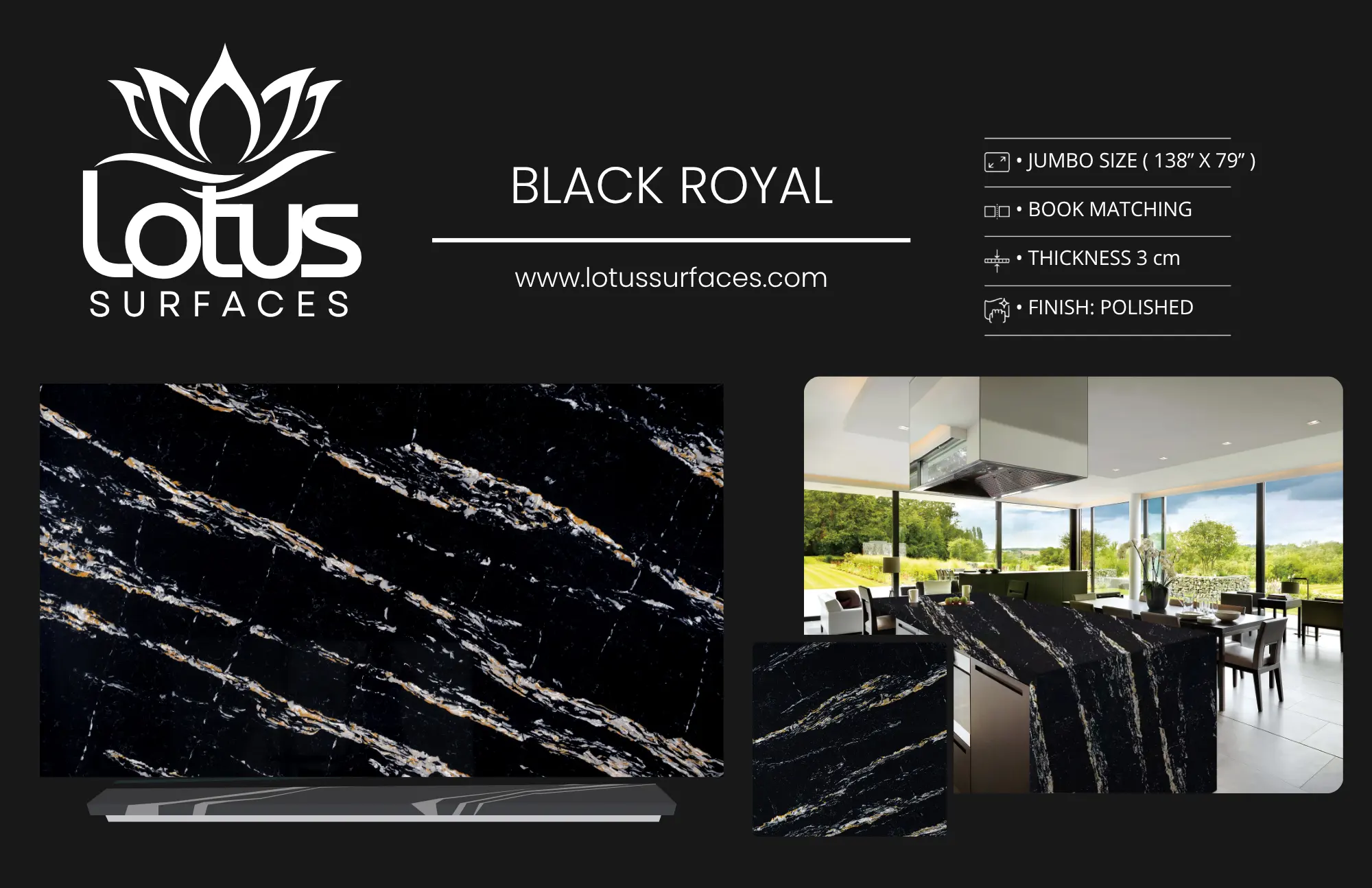
Natural stone, such as granite, marble, and quartzite, is a product of geological processes that have taken place over thousands or even millions of years. Each stone type has its unique characteristics, color variations, and patterns, making them highly sought after for their aesthetic appeal. However, the maintenance requirements can differ significantly among these materials.
1.1 Types of Natural Stone
- Granite: A durable and heat-resistant option, granite is often used for kitchen countertops due to its strength and variety of colors.
- Marble: Known for its luxurious appearance, marble is softer and more porous than granite, making it more susceptible to staining and scratching.
- Quartzite: A metamorphic rock that resembles marble but offers greater durability and resistance to heat and scratches.
2. Understanding Engineered Stone
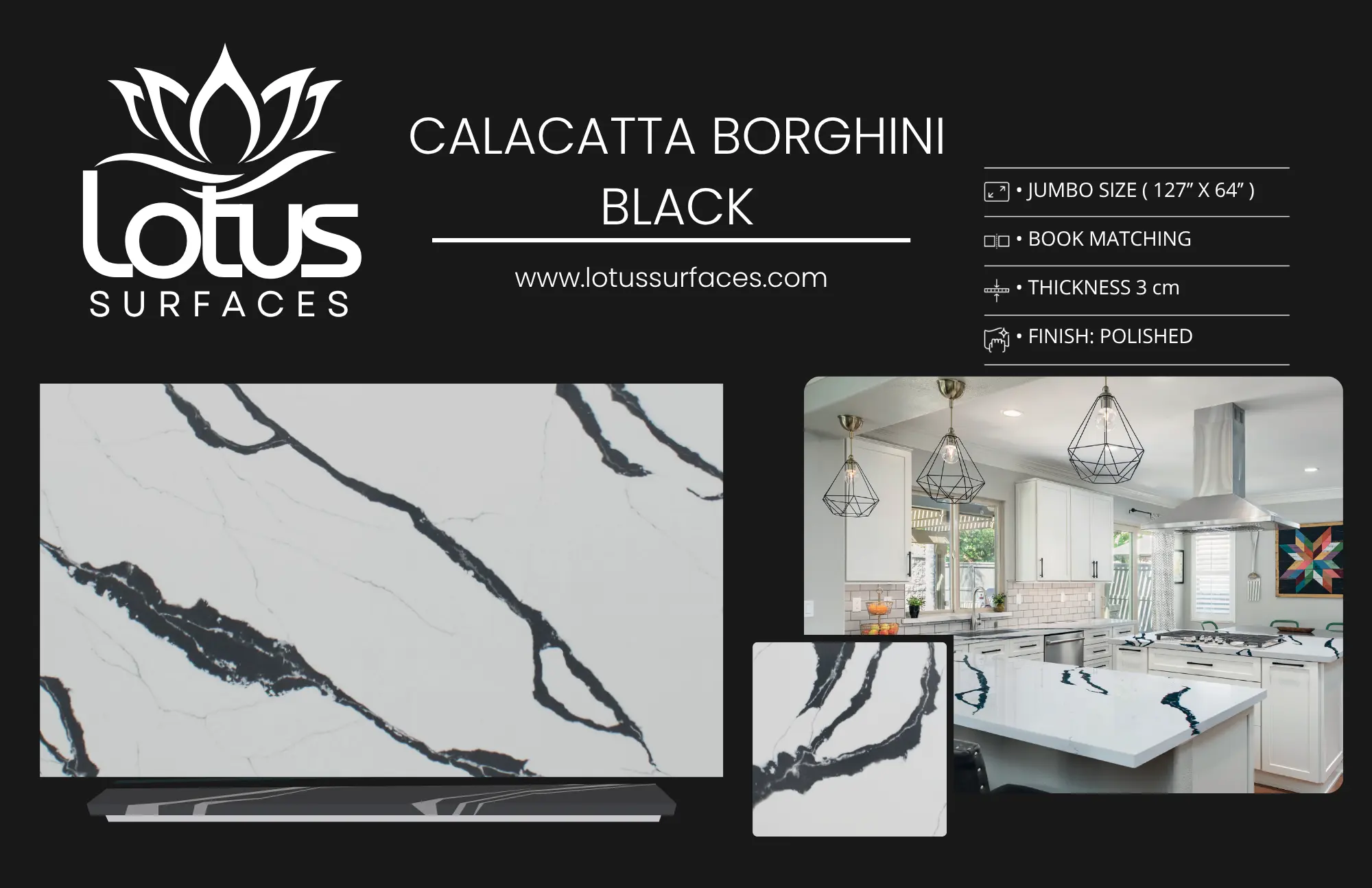
Engineered stone, often referred to as quartz countertops, is a man-made material composed of about 90-95% crushed natural stone combined with resins and polymers. This process allows for a wider range of colors and designs, making engineered stone a popular choice for contemporary homes.
2.1 Benefits of Engineered Stone
- Consistency: Engineered stone offers uniformity in color and pattern, making it easier to match with other design elements.
- Stain Resistance: The non-porous surface of engineered stone makes it highly resistant to stains and easy to clean.
- Low Maintenance: Unlike natural stones, engineered surfaces require less maintenance, making them ideal for busy households.
3. Maintenance Preferences for Natural Stone
While natural stone surfaces are undeniably beautiful, they often come with specific maintenance requirements. Homeowners considering natural stone should be prepared for the following:
3.1 Regular Sealing
Natural stones like granite and marble need to be sealed regularly to protect against stains and moisture penetration. Depending on the stone type and usage, sealing may be required every 6-12 months.
3.2 Cleaning
Using pH-balanced cleaners is essential for maintaining the integrity of natural stone. Harsh chemicals can damage the surface. Additionally, spills should be cleaned immediately to prevent staining.
3.3 Repairing Chips and Cracks
Natural stone can chip or crack over time. Homeowners should be prepared to address these issues promptly, as neglecting them can lead to larger problems.
4. Maintenance Preferences for Engineered Stone
Engineered stone offers a much simpler maintenance routine, which can be a significant advantage for many homeowners.
4.1 Cleaning
Engineered stone can be cleaned using mild soap and water, making it easy to maintain. The non-porous surface ensures that bacteria and stains do not penetrate, which means less frequent deep cleaning.
4.2 No Sealing Required
Unlike natural stone, engineered stone does not require sealing. This not only saves time but also eliminates ongoing costs associated with maintenance.
4.3 Scratch Resistance
While engineered stone is designed to be scratch resistant, it is not entirely scratch-proof. Homeowners should still use cutting boards and avoid dragging heavy objects across the surface.
5. Comparing Natural and Engineered Stone: A Maintenance Perspective
| Feature | Natural Stone | Engineered Stone |
|---|---|---|
| Sealing Required | Yes, every 6-12 months | No |
| Cleaning Method | pH-balanced cleaners | Mild soap and water |
| Stain Resistance | Moderate (requires sealing) | High (non-porous) |
| Scratch Resistance | Moderate | High |
| Repairing Damage | Professional repair recommended | DIY repair possible |
This comparison table illustrates the key differences in maintenance requirements between natural and engineered stone. As seen, engineered stone generally requires less maintenance and offers greater resistance to stains and scratches.
6. Choosing the Right Stone for Your Home
When deciding between natural and engineered stone, consider the following factors:
6.1 Lifestyle
If you have a busy household with children or pets, engineered stone’s low maintenance and durability may be the better choice. For those who prioritize aesthetics and are willing to invest time in maintenance, natural stone could be appealing.
6.2 Budget
Natural stone can be more expensive upfront due to its sourcing and installation costs. Engineered stone, while generally less expensive, can still offer a high-end look without the associated maintenance costs.
6.3 Aesthetic Preferences
Natural stone offers unique patterns and colors, while engineered stone provides a more uniform appearance. Consider the overall design of your home when making your choice.
7. Expert Tips for Maintaining Your Stone Surfaces
Regardless of the type of stone you choose, here are some expert tips to ensure longevity:
- Regular Inspections: Check for any signs of wear, stains, or damage.
- Prompt Cleaning: Clean spills immediately to prevent staining.
- Use the Right Products: Always use recommended cleaning products suitable for your stone type.
- Professional Help: Don’t hesitate to seek professional maintenance or repair services when needed. Lotus Surfaces offers expert countertop installation and maintenance services in Norcross and the surrounding areas.
8. Conclusion
Choosing between natural and engineered stone ultimately depends on your maintenance preferences, lifestyle, and aesthetic goals. While natural stone offers timeless beauty and unique characteristics, engineered stone provides durability and low maintenance. Understanding these differences will empower you to make an informed decision that suits your home and lifestyle.
If you’re ready to explore your options for high-quality stone surfaces, contact Lotus Surfaces today. Our experienced team is here to guide you through the selection process and ensure a flawless installation.
9. FAQs
What is the main difference between natural and engineered stone?
Natural stone is quarried from the earth and features unique patterns and colors, while engineered stone is man-made from crushed stone and resins, offering consistency in appearance.
Is natural stone more durable than engineered stone?
Natural stone is generally durable, but its maintenance requires sealing. Engineered stone is more resistant to stains and scratches, making it easier to maintain.
How often should I seal my natural stone countertops?
Sealing should be done every 6-12 months, depending on the type of stone and usage.
Can I use vinegar to clean natural stone?
No, vinegar is too acidic and can damage natural stone surfaces. Use pH-balanced cleaners instead.
What is the best way to clean engineered stone?
Mild soap and water are sufficient for cleaning engineered stone surfaces.
Does engineered stone require sealing?
No, engineered stone does not require sealing, making it easier to maintain.
What should I do if my natural stone gets scratched?
For small scratches, you can use a polishing powder or paste. For larger damage, consider hiring a professional.
Where can I find high-quality stone surfaces in Atlanta?
Lotus Surfaces offers a wide range of natural and engineered stone options, along with professional installation services in the Atlanta area.
