
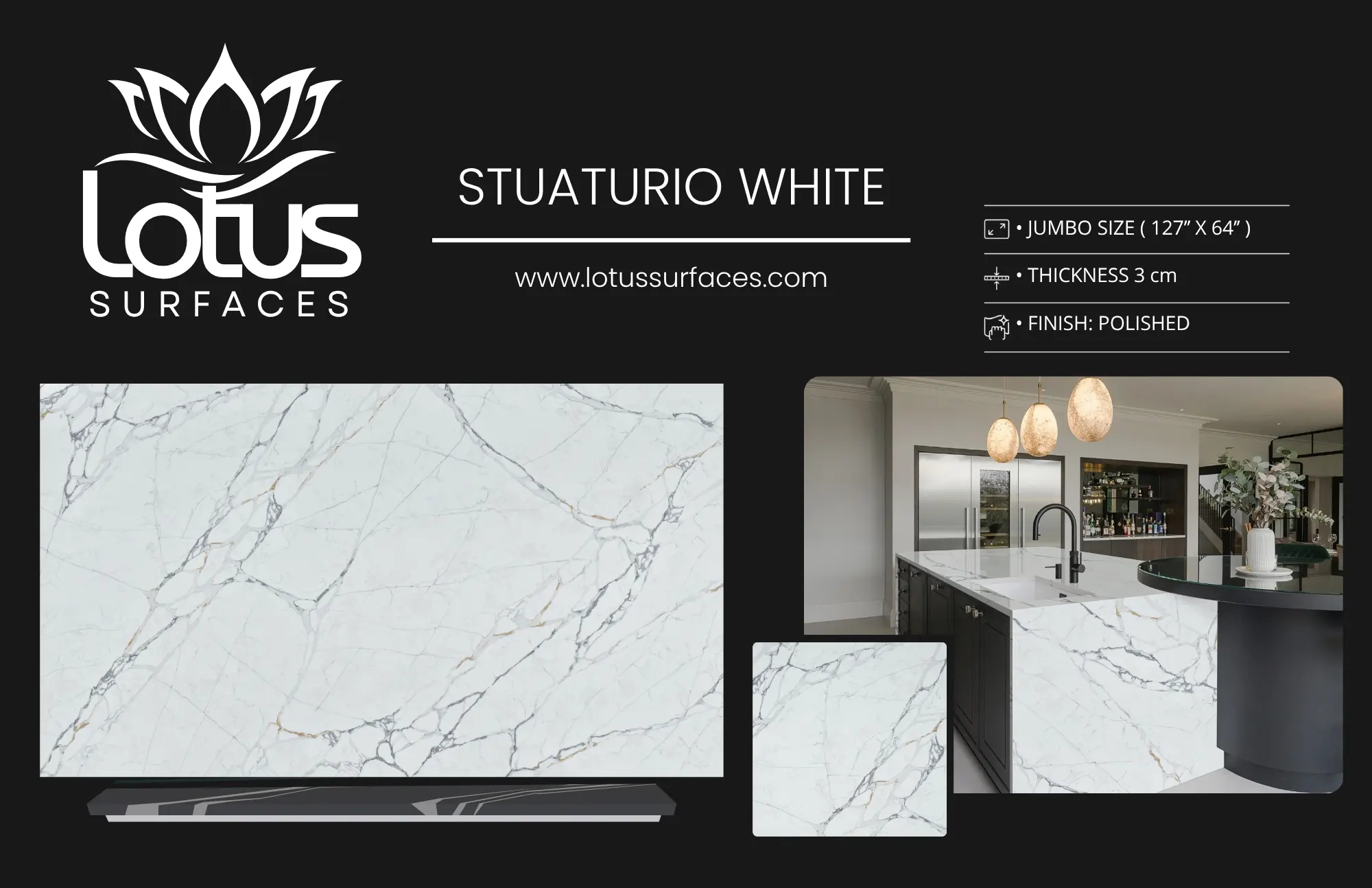


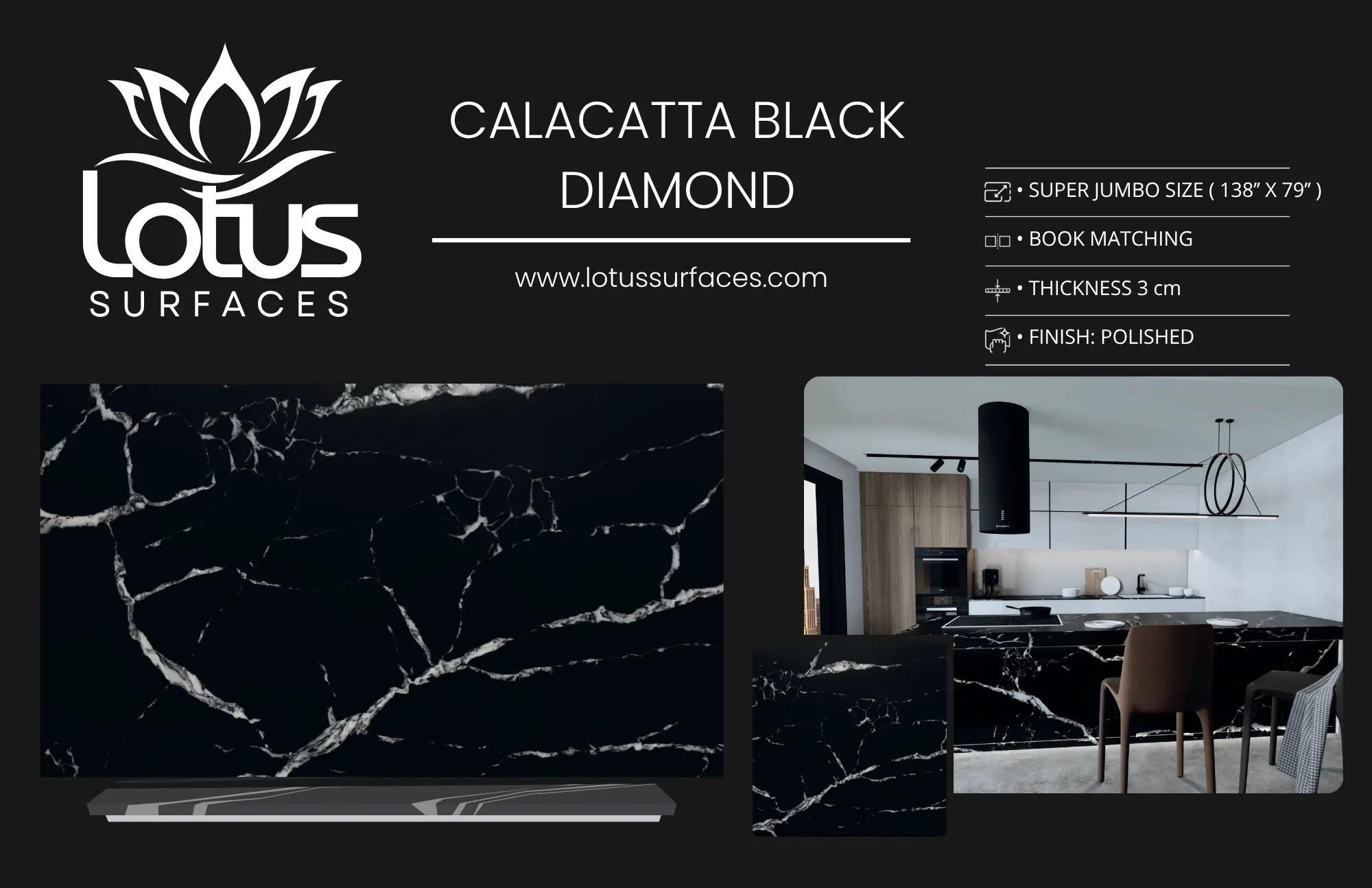

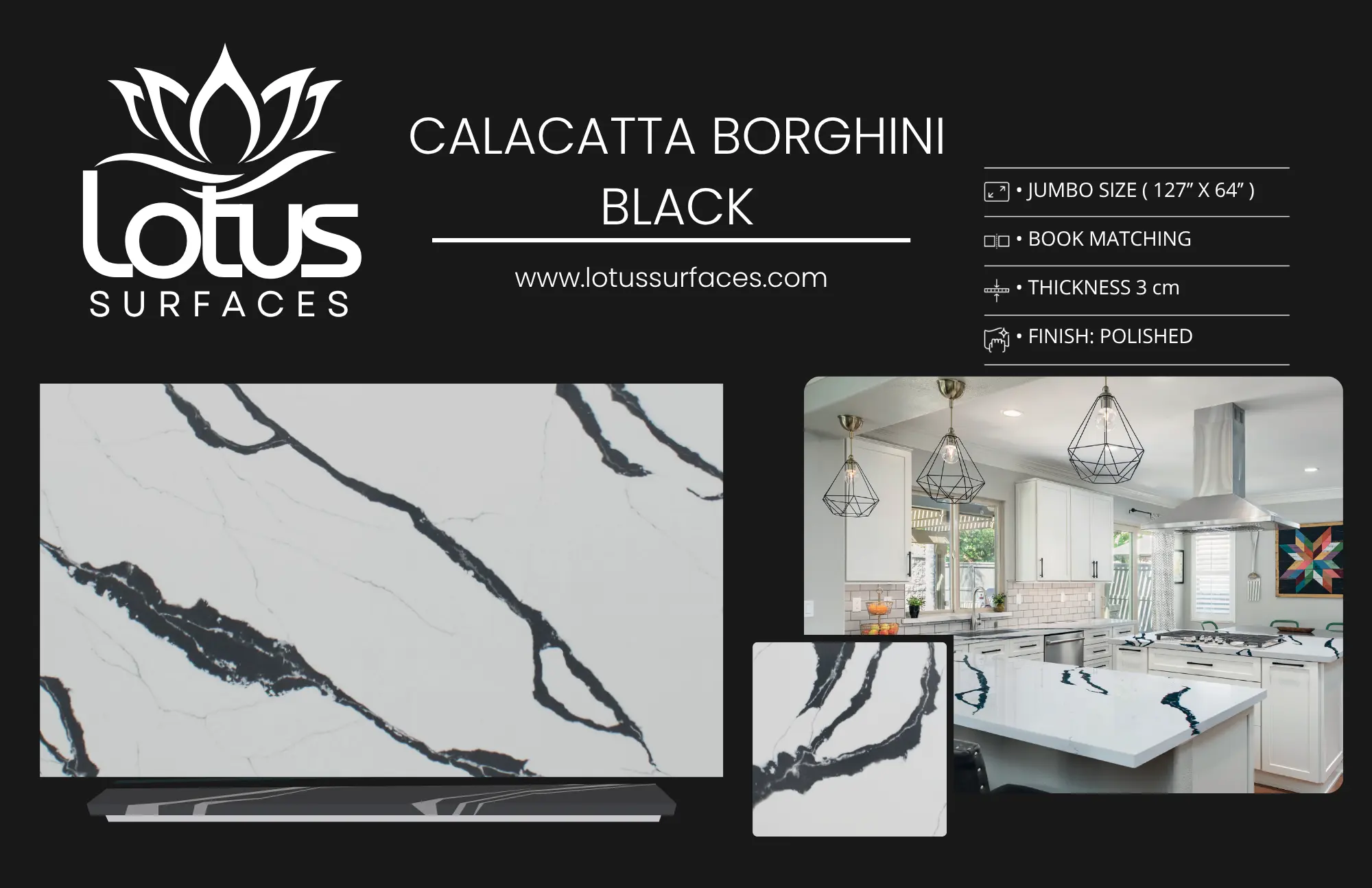
Why Cutting Directly on Stone Countertops Dulls Your Knives and Scratches the Surface
When it comes to kitchen surfaces, stone countertops are often lauded for their beauty, durability, and elegance. However, many homeowners in the Greater Atlanta area may not realize that cutting directly on these surfaces can lead to significant drawbacks, including dull knives and scratched surfaces. In this article, we will explore the reasons why cutting on stone countertops is detrimental, the best practices for maintaining your countertops, as well as insights into the different types of stone materials available, such as quartz, granite, and porcelain. By the end of this guide, you will understand how to protect your investment and keep your kitchen looking pristine.
1. Understanding Stone Countertops
Stone countertops, including quartz, granite, and porcelain, have become a staple in modern kitchens. Their luxurious appearance and durability make them popular choices for homeowners in Norcross, Atlanta, and beyond. However, understanding the composition and characteristics of these materials is crucial for proper care.
Quartz countertops, for instance, are engineered from natural quartz crystals, resins, and polymer materials. This makes them non-porous and resistant to stains, but cutting on them can still lead to knife dulling. Granite, a natural stone, is known for its unique patterns and durability, yet it can also be susceptible to scratches if not properly maintained. Porcelain countertops, on the other hand, are made from clay and fired at high temperatures, offering a robust surface but requiring careful handling.
2. The Impact of Cutting on Stone
Cutting directly on stone countertops can lead to several issues:
- Dulling of Knives: Stone surfaces are much harder than the steel used in knives. When you cut on these surfaces, the blade encounters resistance that can cause it to become dull more quickly than if you were cutting on a softer surface, like a cutting board.
- Scratches and Damage: While stone is durable, it is not indestructible. The force of cutting on the surface can create micro-scratches that accumulate over time, detracting from the visual appeal of your countertops.
- Increased Maintenance: Scratches can trap dirt and grime, making cleaning more challenging. This can lead to a buildup of bacteria if not properly maintained.
According to a study by the Centers for Disease Control and Prevention (CDC), maintaining cleanliness in the kitchen is essential to prevent foodborne illnesses. Therefore, ensuring that your countertops remain in top condition is vital.
3. Types of Stone Countertops
Understanding the differences between the types of stone countertops available can help you make an informed decision when it comes to both selection and care.
| Type of Stone | Durability | Maintenance | Cost |
|---|---|---|---|
| Quartz | High | Low (non-porous) | $$$ |
| Granite | Very High | Moderate (seal needed) | $$$ |
| Porcelain | High | Low (resistant) | $$$ |
This table illustrates the key differences in durability, maintenance, and cost for each type of stone countertop. Choosing the right material for your kitchen renovation involves considering these factors along with your lifestyle and aesthetic preferences.
4. Best Practices for Cutting on Stone Countertops
To avoid the pitfalls of cutting directly on stone countertops, consider these best practices:
- Use a Cutting Board: Always use a cutting board when preparing food. This not only protects your knives but also preserves the integrity of your countertops.
- Choose the Right Cutting Board Material: Opt for wood or plastic cutting boards, as these materials are gentler on your knives compared to glass or stone boards.
- Regular Maintenance: Regularly inspect your countertops for any scratches or damage. If you notice any wear and tear, consider contacting a professional for repairs.
- Use Knives Suitable for Stone: If you must cut on stone, use specialized knives designed for this purpose, although we recommend avoiding this practice altogether.
5. Maintaining Your Stone Countertops
Proper maintenance is essential to prolonging the life of your stone countertops. Here are some effective maintenance tips:
- Clean Regularly: Use a mild soap and water solution to clean your countertops daily. Avoid harsh chemicals that may damage the stone.
- Seal Granite Countertops: If you have granite countertops, make sure to seal them every 1-3 years to prevent staining and damage.
- Use Coasters: Protect your countertops from heat and moisture by using coasters under hot pots and drinks.
For more detailed information on maintaining your countertops, check out our FAQs page.
6. Conclusion
In summary, cutting directly on stone countertops not only dulls your knives but also scratches and damages the surface, necessitating more maintenance and potentially costly repairs. By understanding the characteristics of your stone countertops and following best practices, you can protect your investment and keep your kitchen looking beautiful for years to come. For professional countertop solutions, including custom quartz and granite fabrication and installation, contact us at Lotus Surfaces.
7. FAQ
1. What happens if I cut directly on my stone countertop?
Cutting directly on your stone countertop can dull your knives and create scratches on the surface, which may lead to more maintenance.
2. How can I prevent my knives from dulling?
Using a cutting board is the best way to prevent your knives from dulling. Additionally, consider investing in high-quality kitchen knives.
3. What is the best material for a cutting board?
Wood or plastic cutting boards are recommended as they are gentler on your knives compared to glass or stone boards.
4. How often should I seal my granite countertops?
Granite countertops should be sealed every 1-3 years, depending on usage and exposure to moisture.
5. Can I use bleach to clean my stone countertops?
No, harsh chemicals like bleach can damage stone countertops. Use mild soap and water instead.
6. Are quartz countertops more durable than granite?
Both quartz and granite are durable, but quartz is non-porous, making it more resistant to stains and bacteria.
7. How do I maintain my stone countertops?
Regular cleaning with mild soap and water, sealing granite, and using coasters for hot items are essential for maintenance.
8. What should I do if my countertop gets scratched?
If your countertop gets scratched, consider consulting a professional for repair options to restore its appearance.
