
Why Thin-Format Porcelain Technology Is Expanding Countertop Application Possibilities
In the ever-evolving world of interior design and architectural solutions, thin-format porcelain technology has emerged as a game-changer for homeowners and designers alike. This innovative material is redefining what is possible in countertop applications, offering a blend of beauty, functionality, and versatility that traditional materials simply cannot match. In this article, we will delve into the various benefits of thin-format porcelain, explore its expanding applications in countertops, and provide insights on how it is reshaping the landscape of home design.
1. What Is Thin-Format Porcelain?
Thin-format porcelain is a type of ceramic material that is manufactured to be exceptionally thin—typically ranging from 3mm to 12mm in thickness. This innovative technology is designed for a variety of applications, including countertops, wall cladding, and flooring. Unlike traditional porcelain tiles, which are often thicker and heavier, thin-format porcelain offers significant advantages in terms of weight, versatility, and design flexibility.
The production process involves advanced techniques such as high-pressure molding and sintering, which create a dense and durable material that can withstand the rigors of everyday use. This technology allows for the creation of large-format slabs that can be used in seamless applications, enhancing the aesthetic appeal of any space.
2. Key Benefits of Thin-Format Porcelain
Thin-format porcelain offers a multitude of benefits that make it an attractive option for homeowners and designers. Some of these key advantages include:
- Lightweight: One of the most significant benefits of thin-format porcelain is its lightweight nature. This makes it easier to handle and install, reducing labor costs and installation time.
- Versatility: Thin-format porcelain can be used in various applications, from countertops to walls and even furniture. Its versatility allows for creative design solutions that were previously unattainable with traditional materials.
- Aesthetics: Available in a wide range of colors, patterns, and finishes, thin-format porcelain can mimic the appearance of natural stone, wood, and other materials, providing endless design possibilities.
- Durability: Thin-format porcelain is resistant to scratches, stains, and heat, making it an ideal choice for high-traffic areas such as kitchens and bathrooms.
- Low Maintenance: Unlike natural stone, which may require sealing and regular maintenance, thin-format porcelain is easy to clean and maintain, making it a practical choice for busy households.
3. Expanding Applications in Countertops
As the popularity of thin-format porcelain continues to grow, so too do its applications in countertop design. Here are some of the most notable ways this material is being utilized:
Kitchen Countertops
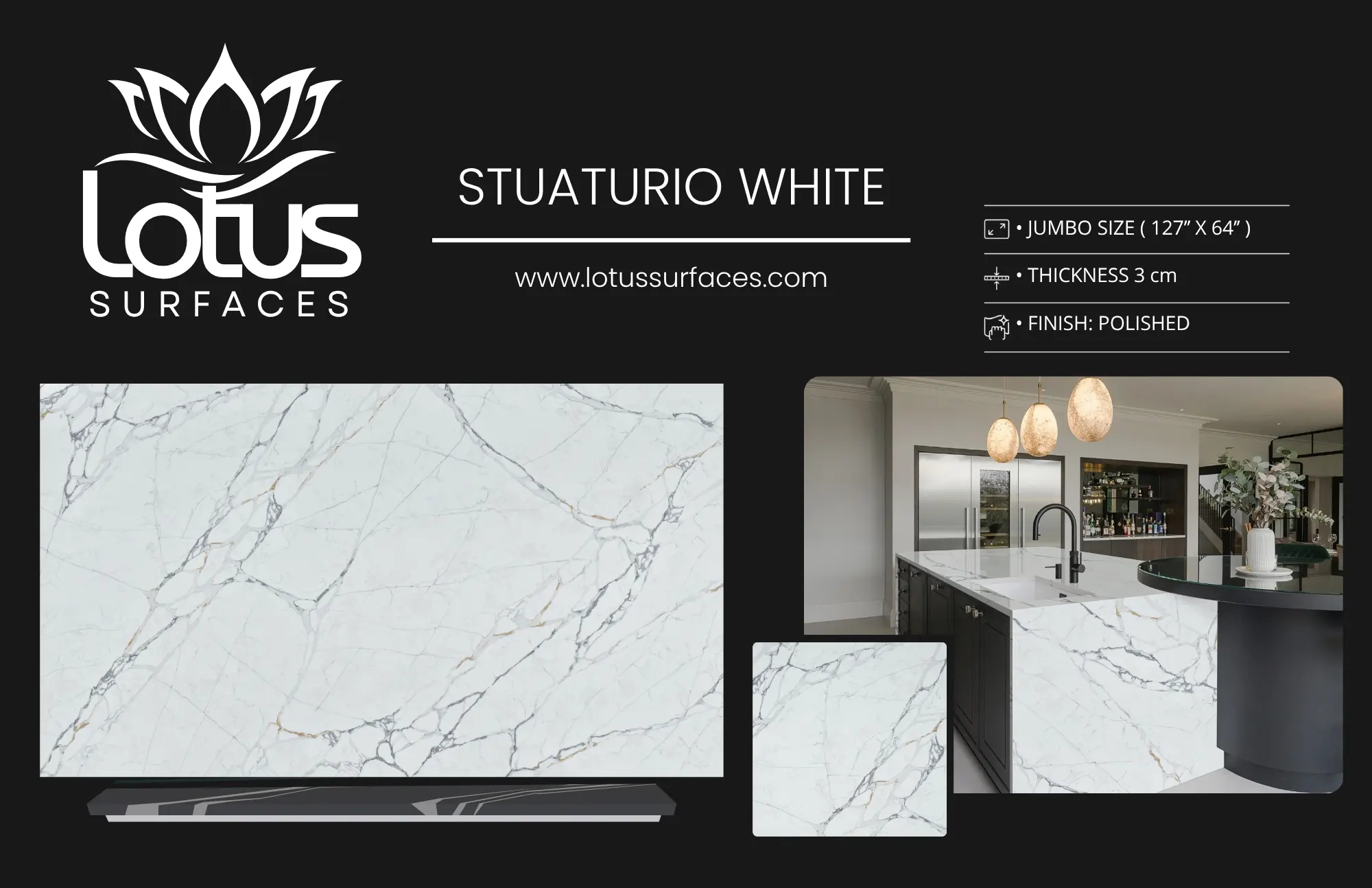
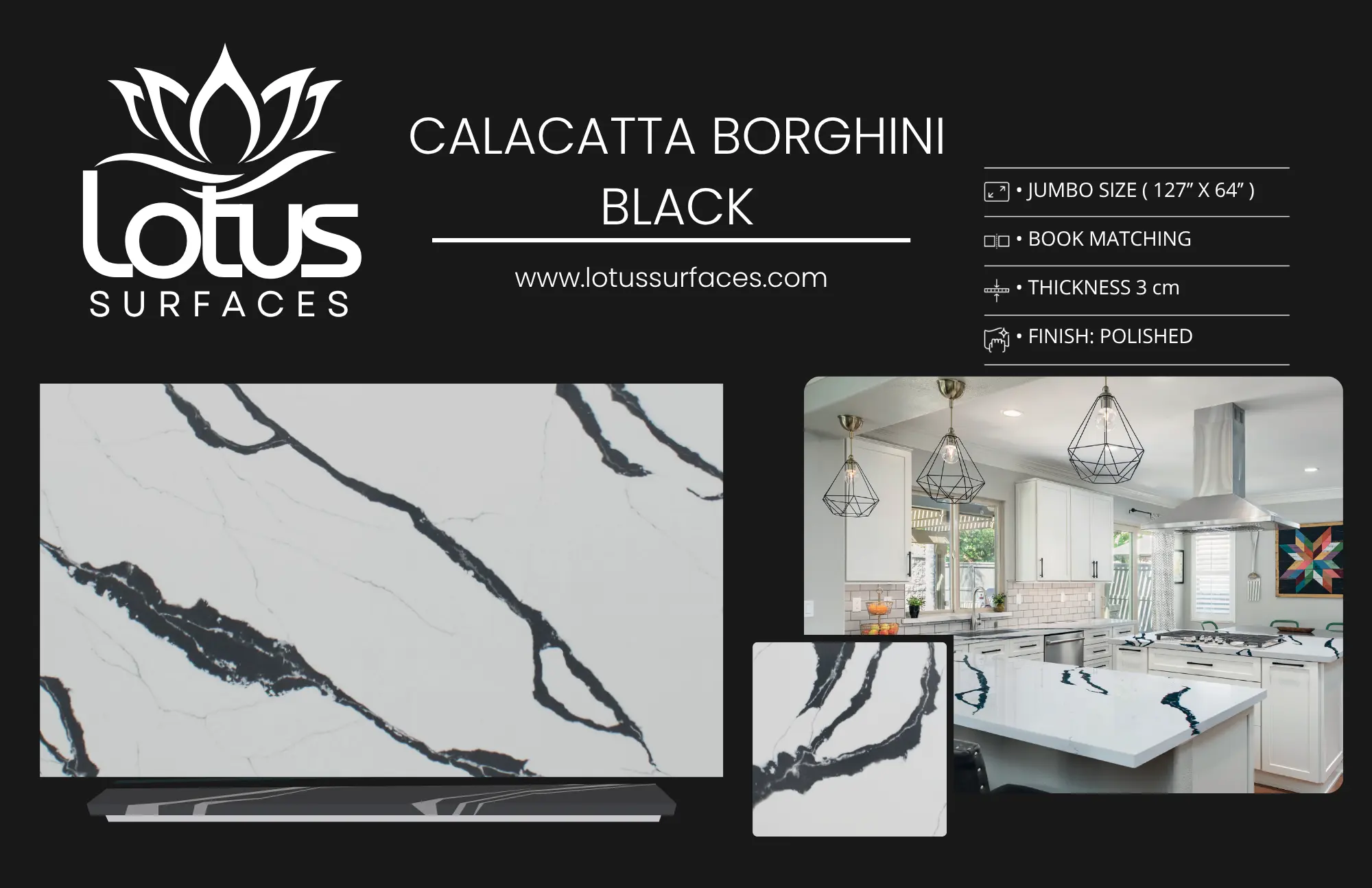
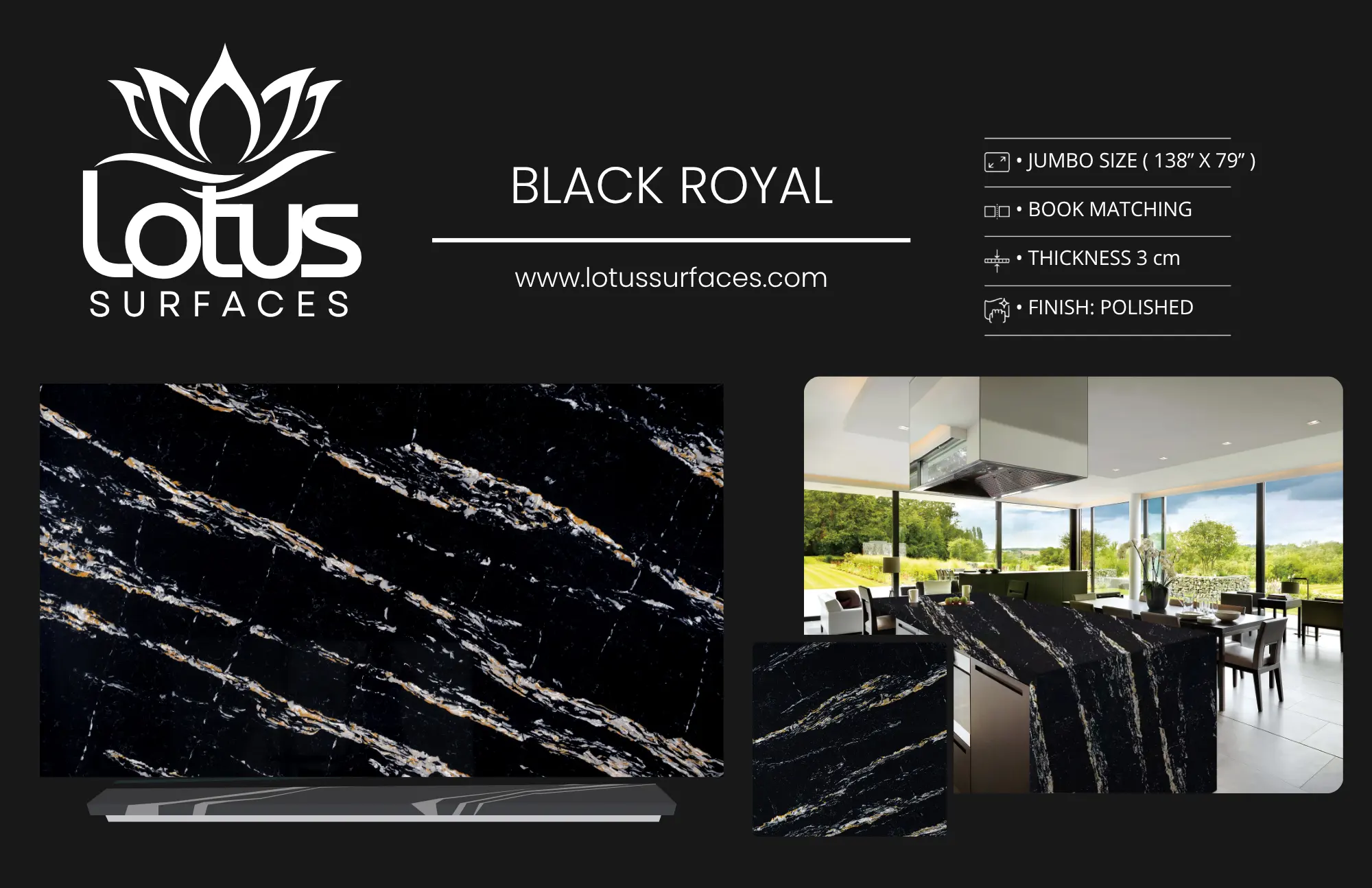
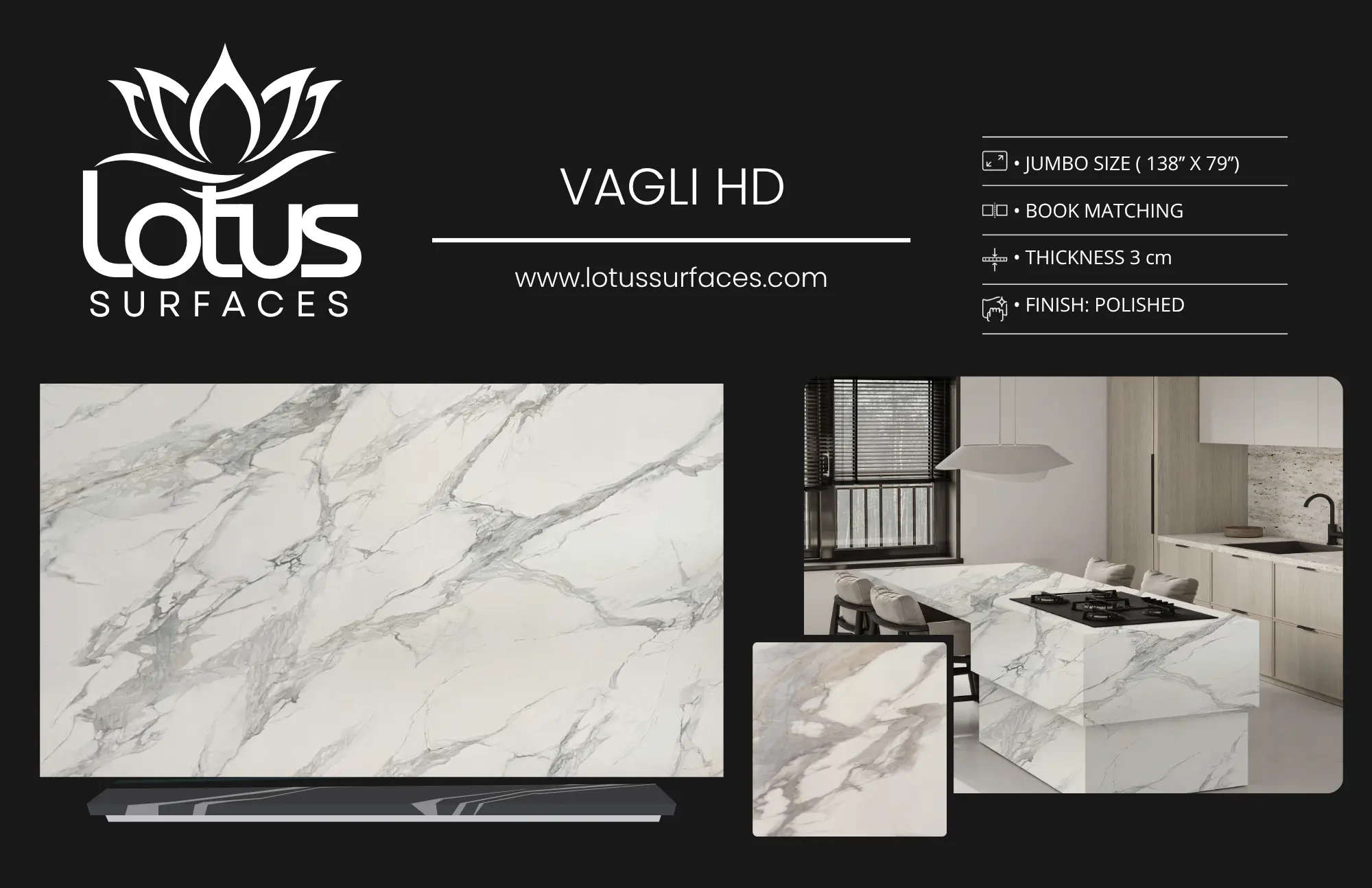
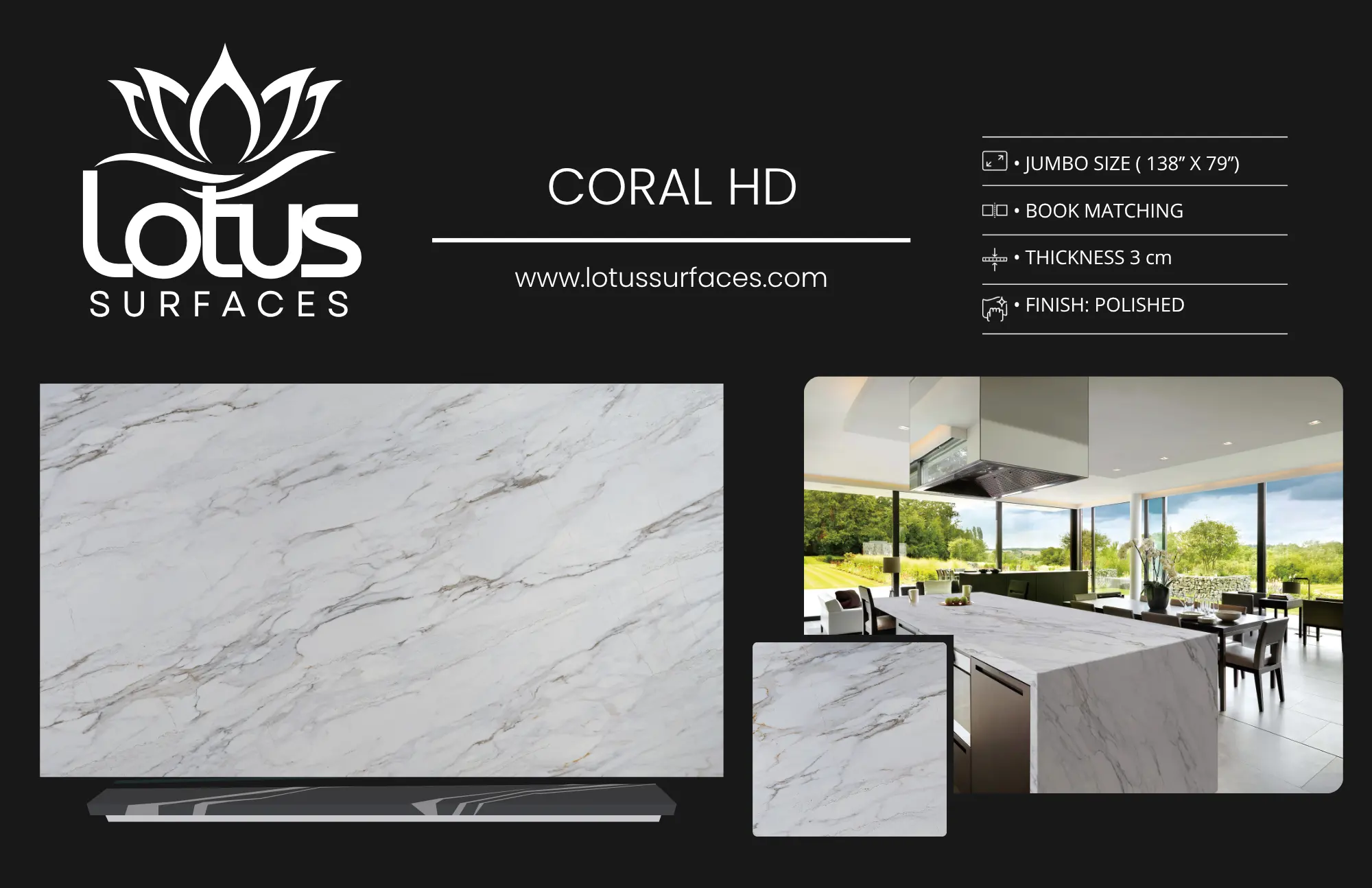
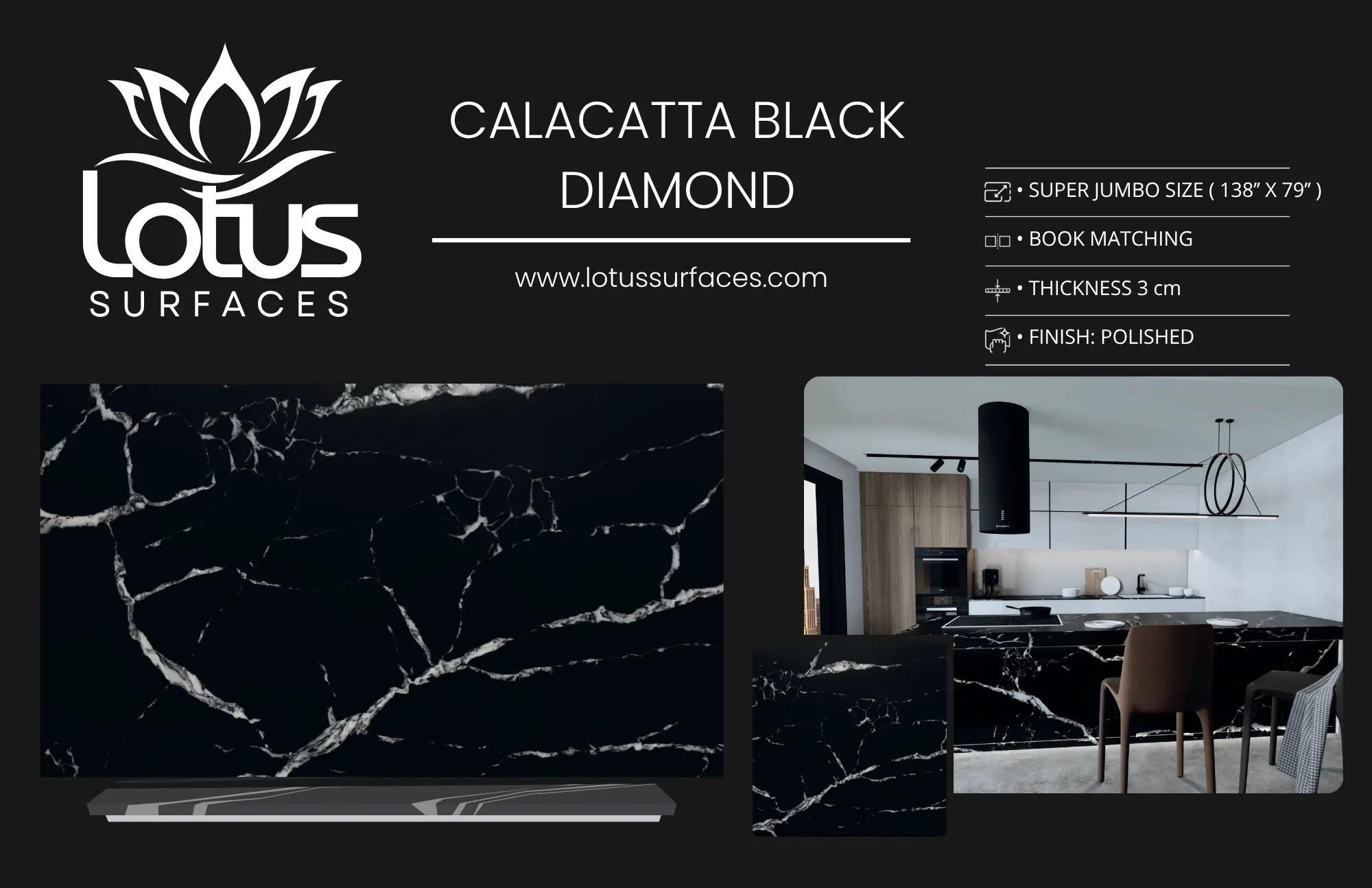
Thin-format porcelain is particularly popular for kitchen countertops, where its durability and resistance to stains and heat make it an excellent choice. Homeowners in the Greater Atlanta area can enjoy a wide selection of styles, colors, and finishes that can seamlessly blend into their kitchen design.
Bathroom Vanity Tops
In bathrooms, thin-format porcelain can create stunning vanity tops that are not only aesthetically pleasing but also highly functional. The non-porous surface ensures resistance to moisture, making it an ideal choice for wet environments.
Full-Height Backsplashes
Another innovative application of thin-format porcelain is in full-height backsplashes. By extending the material from the countertop to the ceiling, homeowners can create a seamless and visually striking look that enhances the overall design of the space.
Waterfall Islands
Waterfall kitchen islands, where the countertop material cascades down the sides of the island, have gained immense popularity. Thin-format porcelain can achieve this look with ease, providing a sophisticated and modern aesthetic.
4. Comparing Thin-Format Porcelain with Traditional Materials
To understand the advantages of thin-format porcelain, it’s essential to compare it with traditional countertop materials such as granite and quartz. Below is a comparison table highlighting key differences:
| Feature | Thin-Format Porcelain | Granite | Quartz |
|---|---|---|---|
| Thickness | 3-12mm | 20-30mm | 20-30mm |
| Weight | Lightweight | Heavy | Heavy |
| Durability | Scratch & heat resistant | Scratch & heat resistant | Scratch resistant |
| Maintenance | Low maintenance | Requires sealing | Low maintenance |
| Design Flexibility | High (large format, various finishes) | Limited | Varied colors, but limited finishes |
5. Expert Tips for Choosing Thin-Format Porcelain
When selecting thin-format porcelain for your countertop applications, consider the following expert tips:
- Consider Color and Pattern: Choose a color and pattern that complements the overall design of your home. Thin-format porcelain comes in a variety of styles, from minimalist designs to bold patterns.
- Evaluate Thickness: Depending on your application, select the appropriate thickness. Thinner options are lighter and easier to work with, while thicker options may provide a more substantial feel.
- Check for Certifications: Ensure the porcelain is certified for quality and safety. Look for products that comply with industry standards.
- Consult Professionals: Engage with experienced countertop fabricators to discuss your options. Our team at Lotus Surfaces can provide personalized guidance based on your specific needs.
6. Installation Considerations
Installing thin-format porcelain requires specialized techniques and expertise. Here are some important considerations:
- Professional Installation: Due to its lightweight nature, thin-format porcelain can be more delicate than traditional materials. It is crucial to hire a professional installer who has experience working with this material.
- Proper Substrate: Ensure that the substrate is level and structurally sound. In some cases, additional support may be necessary to accommodate the lightweight nature of thin-format porcelain.
- Seam Placement: Plan the seam placement carefully to ensure a seamless look. Our team at Lotus Surfaces can assist with accurate seam placement planning.
7. Maintenance and Care
Maintaining thin-format porcelain countertops is straightforward. Here are some tips to keep them looking their best:
- Regular Cleaning: Use mild soap and water for regular cleaning. Avoid harsh chemicals that can damage the surface.
- Immediate Spill Cleanup: Clean spills promptly to prevent staining, especially with colored liquids.
- Avoid Heavy Impacts: While thin-format porcelain is durable, avoid dropping heavy objects on the surface to prevent chipping.
8. Frequently Asked Questions (FAQ)
What is thin-format porcelain?
Thin-format porcelain refers to a lightweight ceramic material that is typically 3-12mm thick, designed for various applications including countertops and wall cladding.
What are the benefits of using thin-format porcelain for countertops?
Benefits include lightweight nature, durability, low maintenance, and a wide range of design options.
Can thin-format porcelain be used for bathroom vanities?
Yes, thin-format porcelain is an excellent choice for bathroom vanity tops due to its resistance to moisture and easy maintenance.
How does thin-format porcelain compare to granite?
Thin-format porcelain is lighter, easier to install, and requires less maintenance compared to granite, which is heavier and may require sealing.
Is thin-format porcelain durable?
Yes, thin-format porcelain is highly durable, resistant to scratches, stains, and heat, making it suitable for high-traffic areas.
How should I clean my thin-format porcelain countertops?
Use mild soap and water for cleaning. Avoid harsh chemicals that may damage the surface.
Do I need professional installation for thin-format porcelain?
Yes, it is recommended to hire a professional installer who has experience working with thin-format porcelain to ensure proper installation.
Where can I find thin-format porcelain countertops in Norcross, GA?
Lotus Surfaces offers a wide selection of thin-format porcelain countertops. You can explore our offerings by visiting our countertops page.
Conclusion
Thin-format porcelain technology is revolutionizing countertop applications, offering homeowners and designers unparalleled possibilities. With its lightweight nature, durability, and aesthetic appeal, it stands out as a superior choice for modern spaces. Whether you’re renovating your kitchen or designing a new bathroom, thin-format porcelain can elevate your design while providing practical benefits. For expert guidance and a wide selection of thin-format porcelain options, contact Lotus Surfaces today and experience the beauty and functionality of this innovative material.
