How Countertop Color Temperature Affects the Overall Feel of Your Kitchen
When designing your kitchen, every element plays a crucial role in creating an inviting atmosphere. One of the most impactful choices you can make is selecting the right countertop color temperature. Understanding how countertop color temperature affects the overall feel of your kitchen can transform your space from ordinary to extraordinary. In this comprehensive guide, we will explore the nuances of color temperature, the psychological effects of different hues, and how to choose the perfect countertops to achieve your desired ambiance.
Understanding Color Temperature
Color temperature refers to the warmth or coolness of a color, typically measured in Kelvin (K). In interior design, it plays a pivotal role in setting the mood of a space. Warm colors (below 3000K) range from yellows to reds, while cool colors (above 5000K) include blues and greens. Neutral colors, which fall between these two categories, can balance warm and cool tones.
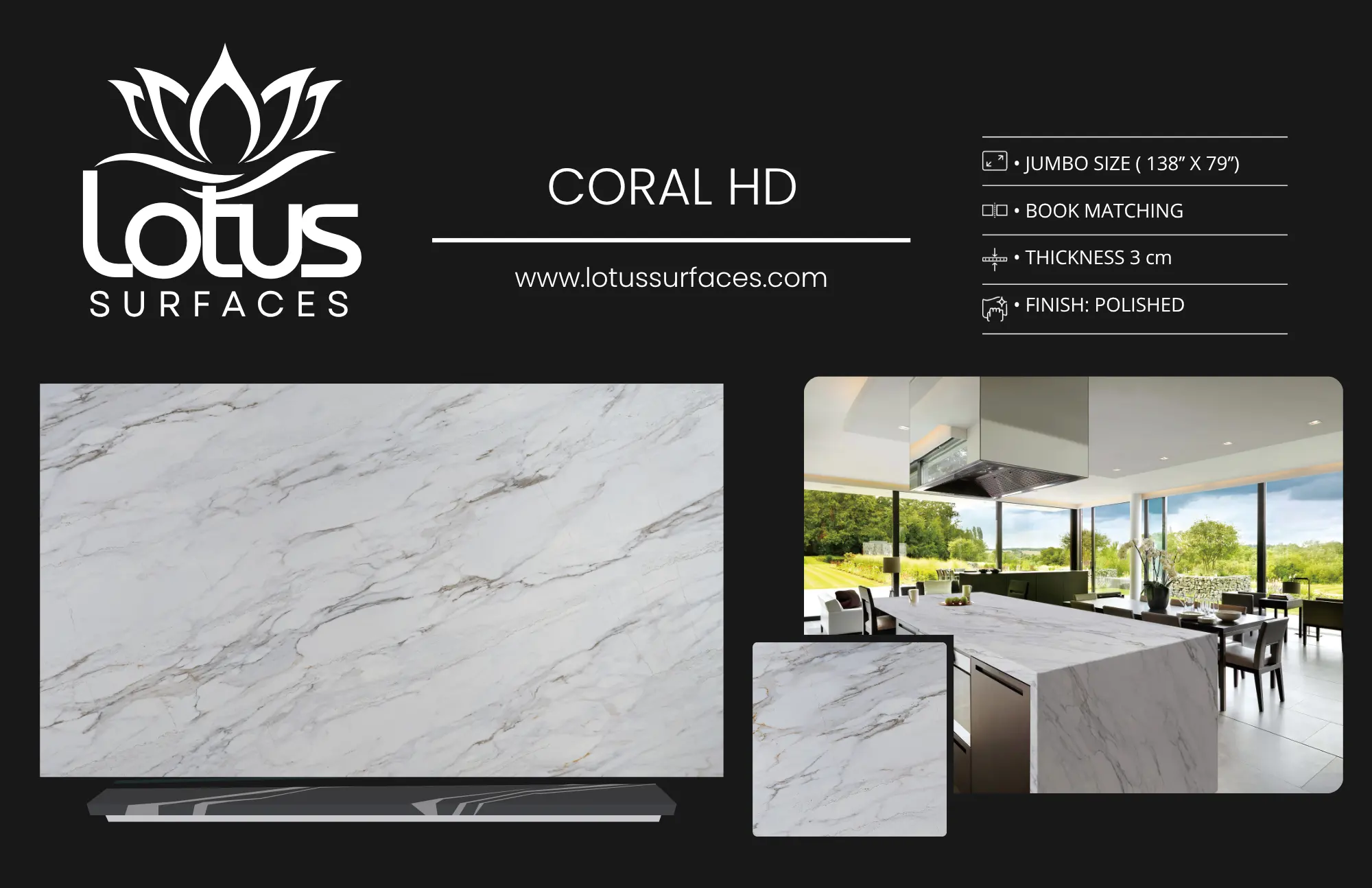
In the context of kitchen countertops, the color temperature can significantly influence how the entire space feels. For instance, warm-toned countertops can create a cozy, inviting atmosphere, while cool-toned options might impart a more modern, sleek vibe. Understanding this concept is essential when selecting the right materials for your kitchen renovation.
Psychological Effects of Color in the Kitchen
Color psychology is a fascinating field that explores how different hues can evoke specific emotions and perceptions. Here are some key insights into how countertop color temperature can impact your kitchen’s ambiance:
- Warm Colors: Colors like red, orange, and yellow are known to stimulate appetite and promote social interaction. These hues are perfect for family kitchens or spaces designed for entertaining. For example, a warm beige quartz countertop can create a welcoming environment for gatherings.
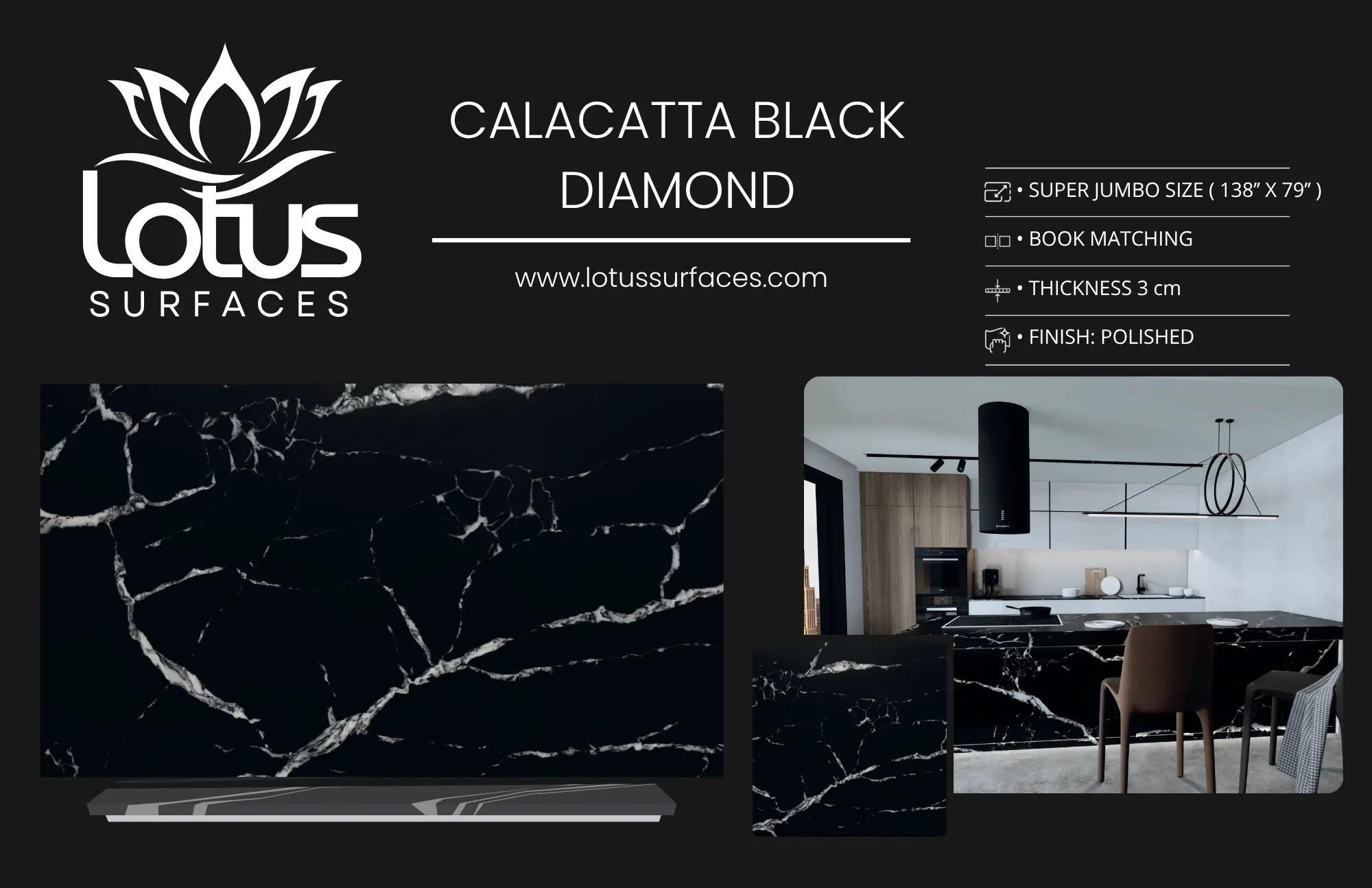
- Cool Colors: Shades of blue, green, and gray can evoke feelings of calm and relaxation. They are ideal for modern kitchens where tranquility is desired. A cool-toned granite countertop with hints of blue can enhance the soothing atmosphere of your kitchen.
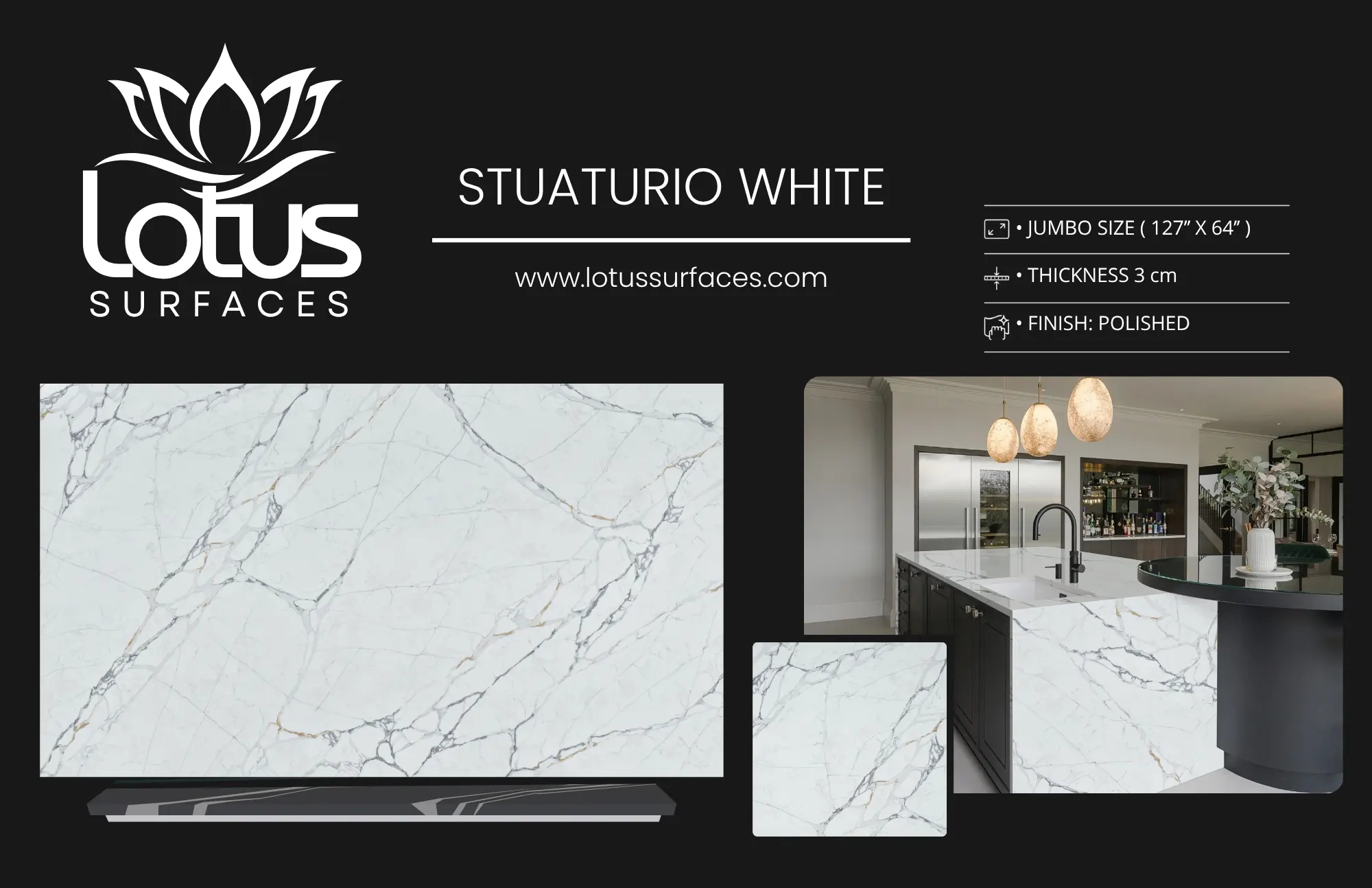
- Neutral Colors: Colors like white, gray, and taupe can provide a versatile backdrop, allowing other design elements to shine. These shades are often favored for their timeless quality and adaptability.
Table: Color Temperature and Its Psychological Effects
| Color Temperature | Color Range | Psychological Effects |
|---|---|---|
| Warm | Reds, Oranges, Yellows | Stimulates appetite, encourages social interaction |
| Neutral | Whites, Grays, Beiges | Timeless, versatile, balances other colors |
| Cool | Blues, Greens, Grays | Evokes calm, promotes relaxation |
Countertop Materials and Their Colors
Different countertop materials offer a variety of colors and finishes that can significantly impact the feel of your kitchen. Here’s a breakdown of popular materials and their typical color temperatures:
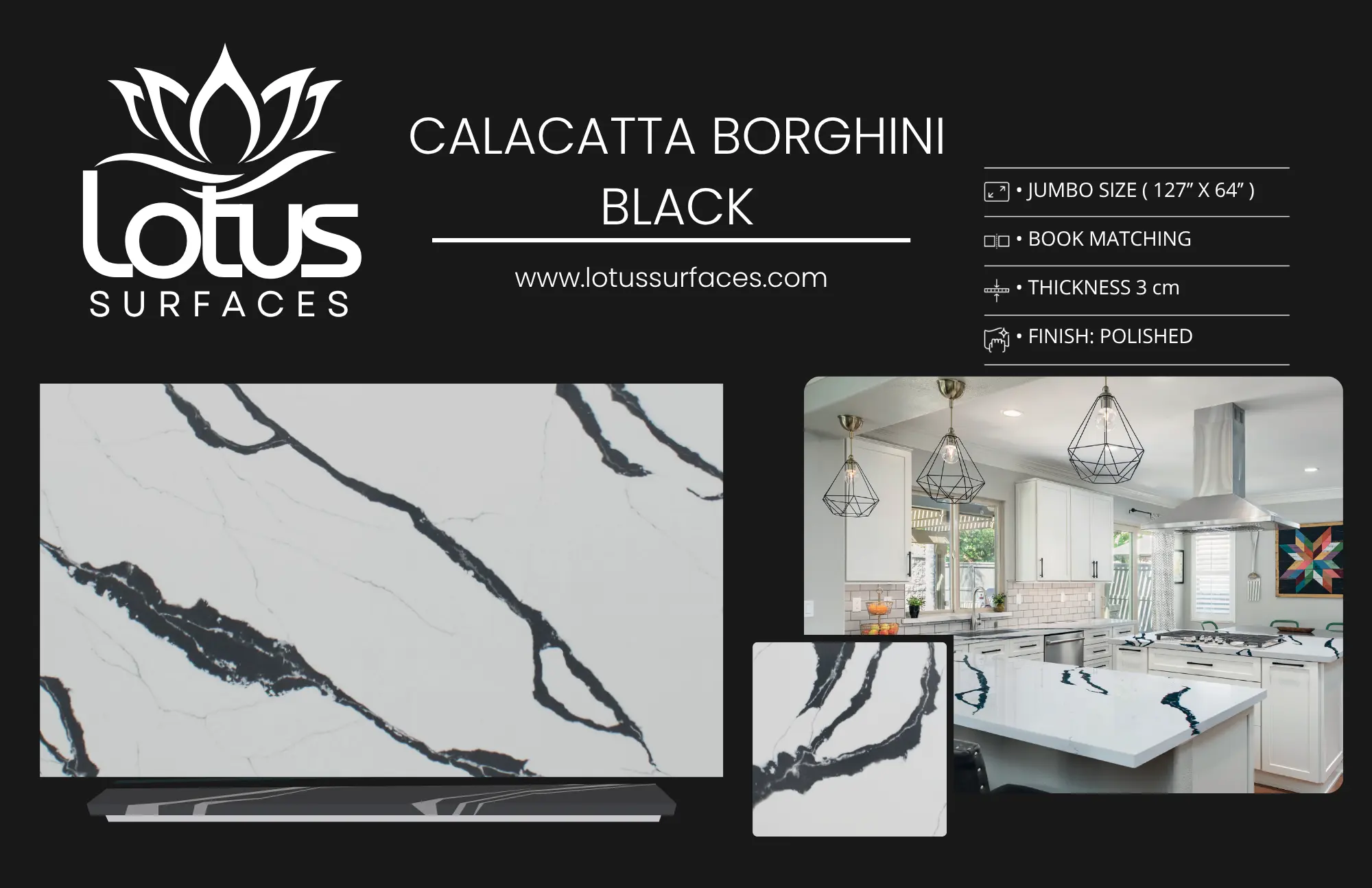
- Quartz Countertops: Available in a wide spectrum of colors, quartz can mimic the appearance of natural stone while providing consistent color throughout. Warm and cool tones are both represented, making it easy to find the perfect match for your kitchen design. For example, best quartz countertops in Norcross can elevate your kitchen’s aesthetic.
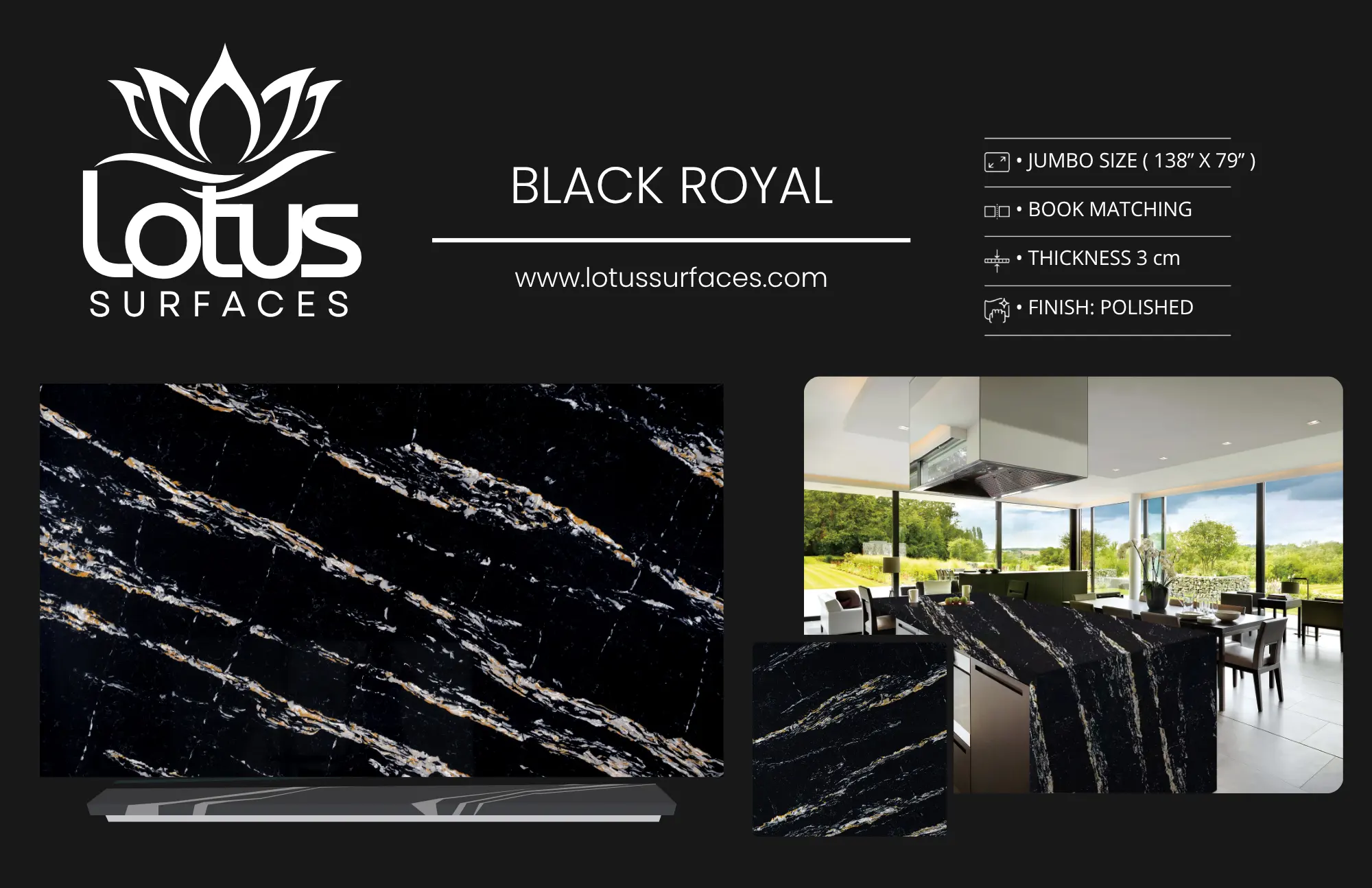
- Granite Countertops: Known for their durability and unique patterns, granite often features warm undertones, with options ranging from deep browns to vibrant reds. Warm granite countertops can create a rustic charm in traditional kitchens.
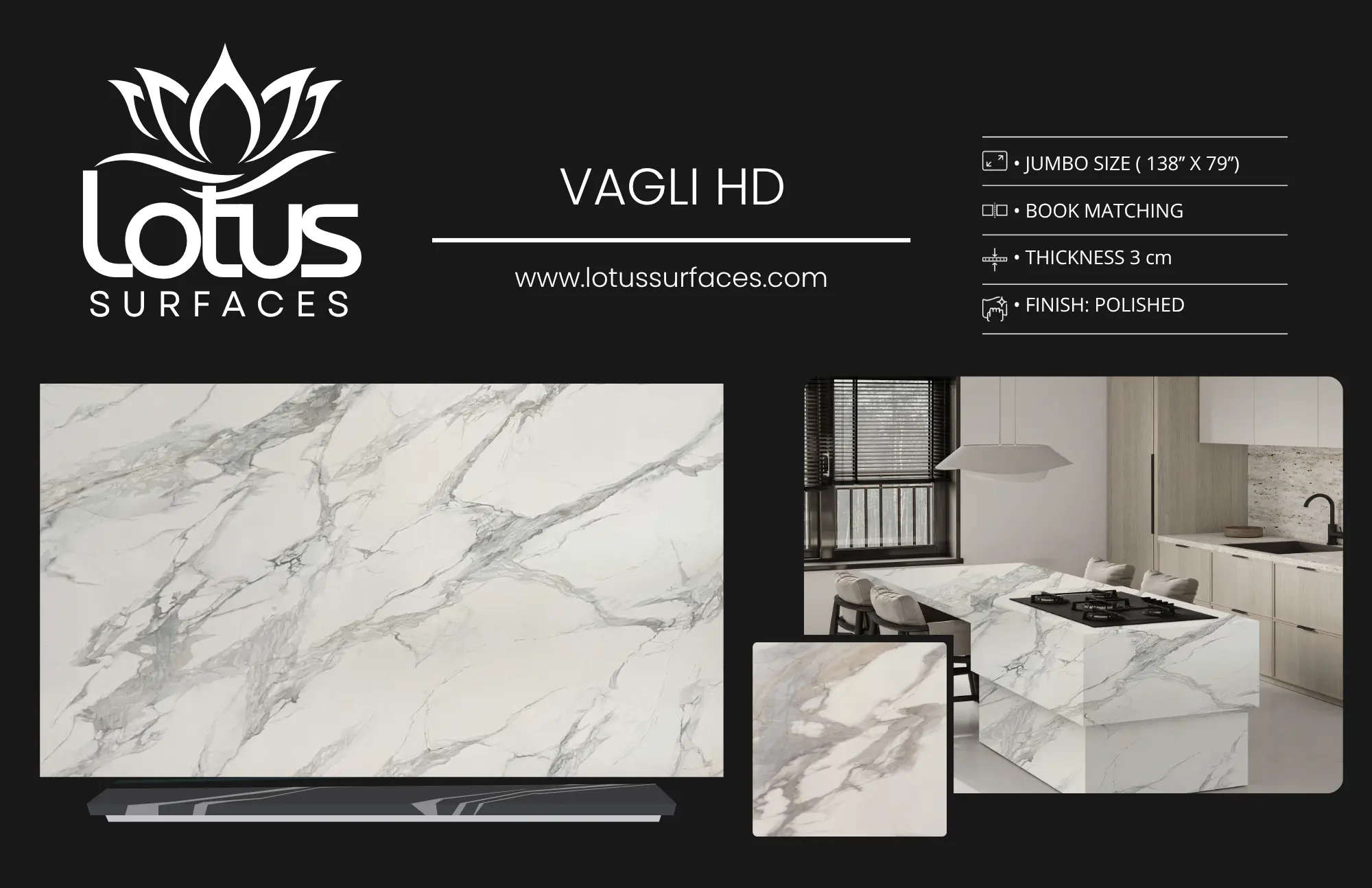
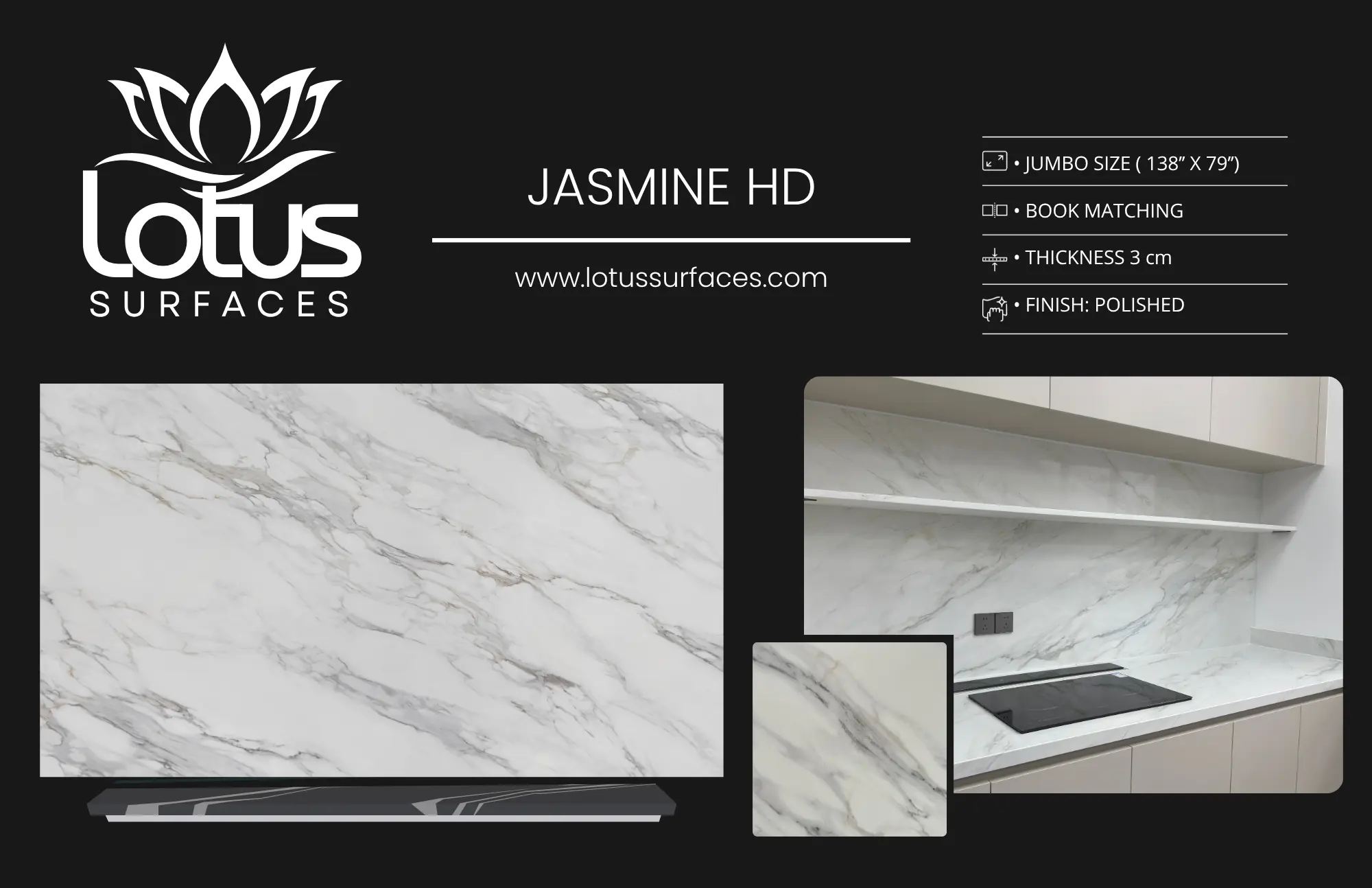
- Porcelain Countertops: These surfaces can mimic marble or natural stone, offering a modern look. Available in both warm and cool colors, porcelain is versatile for contemporary designs.
Expert Insights on Color Selection
When selecting countertop colors, consider the existing elements in your kitchen, such as cabinetry, flooring, and wall colors. Here are some expert tips:
Choosing the Right Countertops for Your Kitchen
Choosing the right countertops involves more than just aesthetics; it’s about harmonizing color temperature with functionality. Here are some actionable steps to guide your decision:
- Assess Your Space: Evaluate the size, lighting, and overall style of your kitchen. A smaller kitchen may benefit from lighter, cooler colors to create an illusion of space.
- Consider Your Style: Whether you prefer a contemporary, traditional, or eclectic style, your countertops should align with your vision. For instance, a modern kitchen might benefit from sleek, cool-toned quartz.
- Test Samples: Always test countertop samples in your kitchen’s lighting. Natural light can alter how colors appear, so observe them at different times of the day.
- Consult Professionals: Engage with local experts like Lotus Surfaces for personalized guidance on countertop selection and installation.
Expert Tips for Kitchen Design
To create a cohesive and inviting kitchen, consider these expert design tips:
- Balance Warm and Cool Tones: If you choose warm countertops, balance them with cool cabinetry or backsplash to create visual interest.
- Layer Lighting: Use layered lighting to enhance the color temperature of your countertops. Warm LED lights can accentuate the warmth of your materials, while cooler lights can highlight sleek surfaces.
- Incorporate Textures: Mixing textures can add depth to your kitchen design. Pair smooth countertops with rough wood cabinetry or textured backsplashes.
Frequently Asked Questions
1. What is color temperature in countertop design?
Color temperature refers to the warmth or coolness of a color, measured in Kelvin (K), influencing the mood and ambiance of a kitchen.
2. How do warm colors affect a kitchen’s atmosphere?
Warm colors stimulate appetite and encourage social interaction, making them ideal for family kitchens and entertaining spaces.
3. Are cool colors suitable for small kitchens?
Yes, cool colors can create an illusion of spaciousness, making them suitable for smaller kitchens.
4. What countertop materials offer the best color variety?
Quartz and porcelain countertops provide a wide range of color options, allowing for both warm and cool tones.
5. How can I test countertop colors before installation?
Request samples from your fabricator and test them in your kitchen’s lighting at different times of the day.
6. How can lighting affect the perceived color of countertops?
Lighting can dramatically alter how colors appear, making it essential to consider both natural and artificial light sources.
7. What are the best countertop colors for a modern kitchen?
Cool-toned colors like greys, whites, and blues are popular choices for modern kitchens, creating a sleek aesthetic.
8. Should I consult a professional when choosing countertops?
Yes, consulting professionals can provide valuable insights and help you select the best options for your space.