How Natural Light in Your Kitchen Affects Countertop Color
When it comes to kitchen renovations, selecting the right countertop color can be a daunting task. Many homeowners in the Greater Atlanta area, particularly in Norcross, are unaware that natural light significantly influences how countertop colors appear in their kitchens. In this comprehensive guide, we will explore how the interplay between natural light and countertop materials like quartz, granite, and porcelain affects color perception. You’ll learn about the implications of light direction, time of day, and seasonal changes on your countertop choices. By the end of this article, you’ll be equipped with the knowledge to make an informed decision for your kitchen renovation.
Understanding Natural Light
Natural light is a powerful element in interior design, particularly in kitchens where functionality meets aesthetics. The quality, intensity, and direction of natural light can vary greatly depending on your home’s location, window placement, and the time of year. For homeowners in Norcross and surrounding areas, understanding how natural light interacts with your kitchen space is essential for making informed decisions about countertop selection.
Impact of Natural Light on Countertop Color
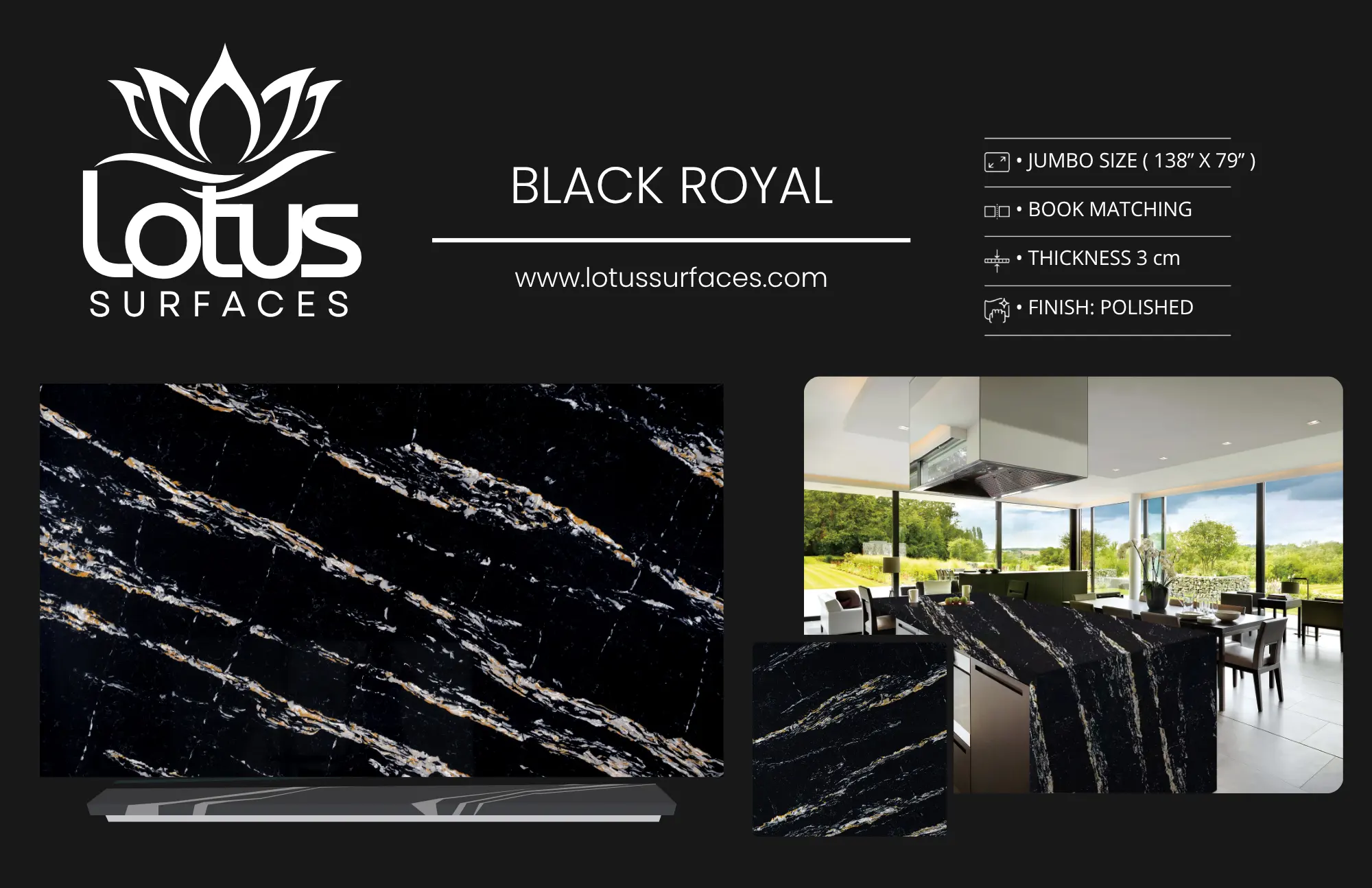
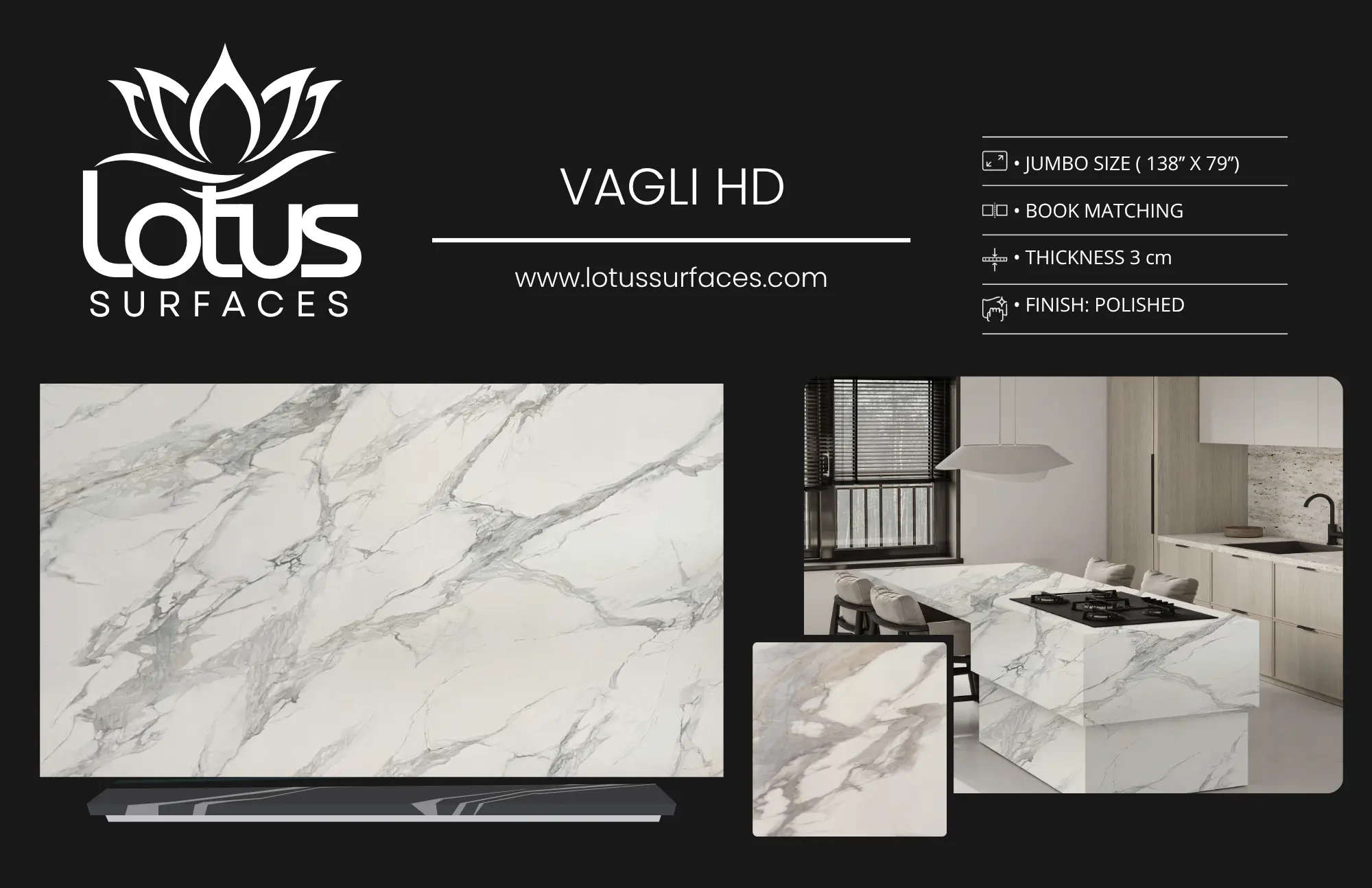
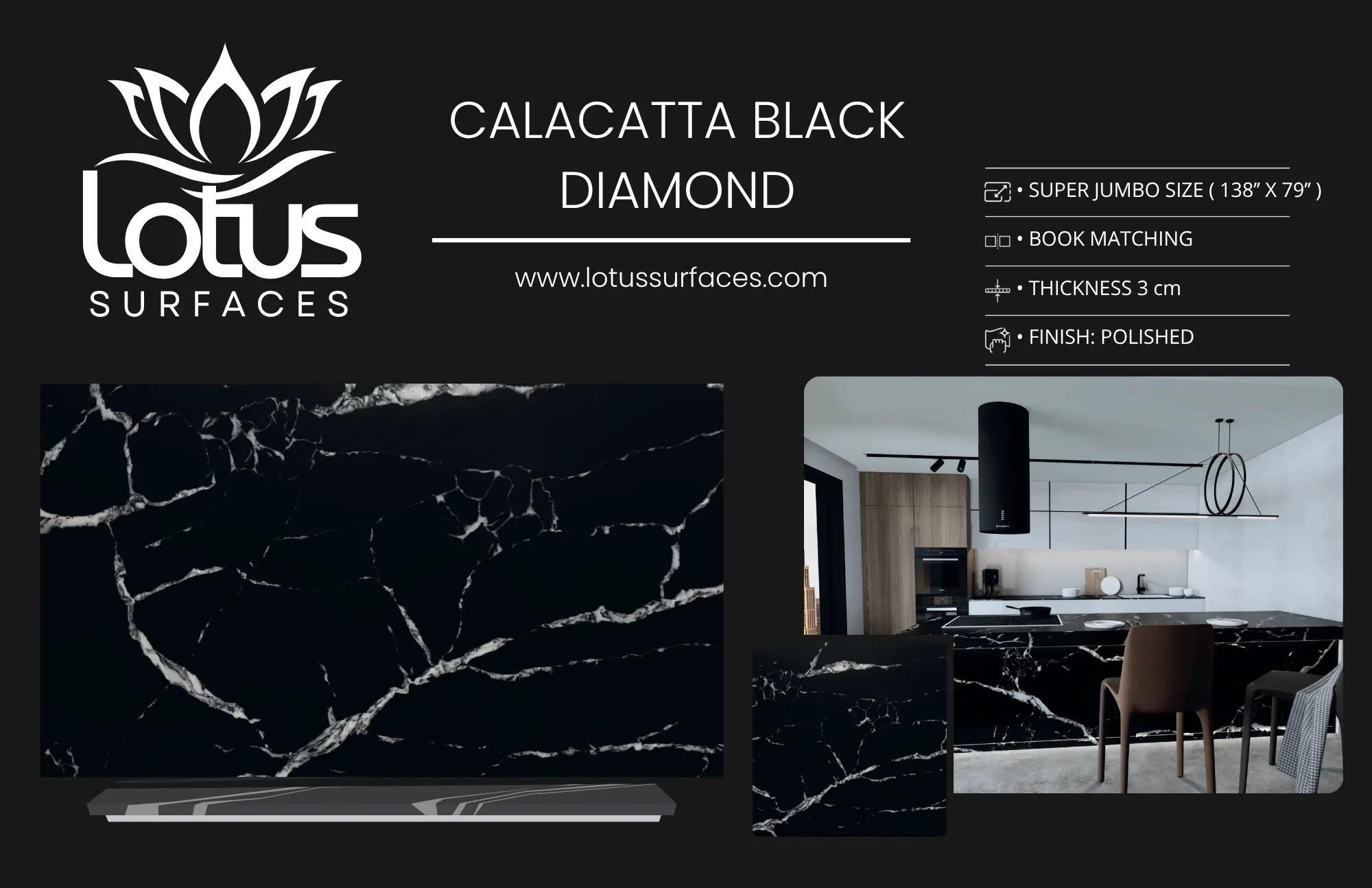
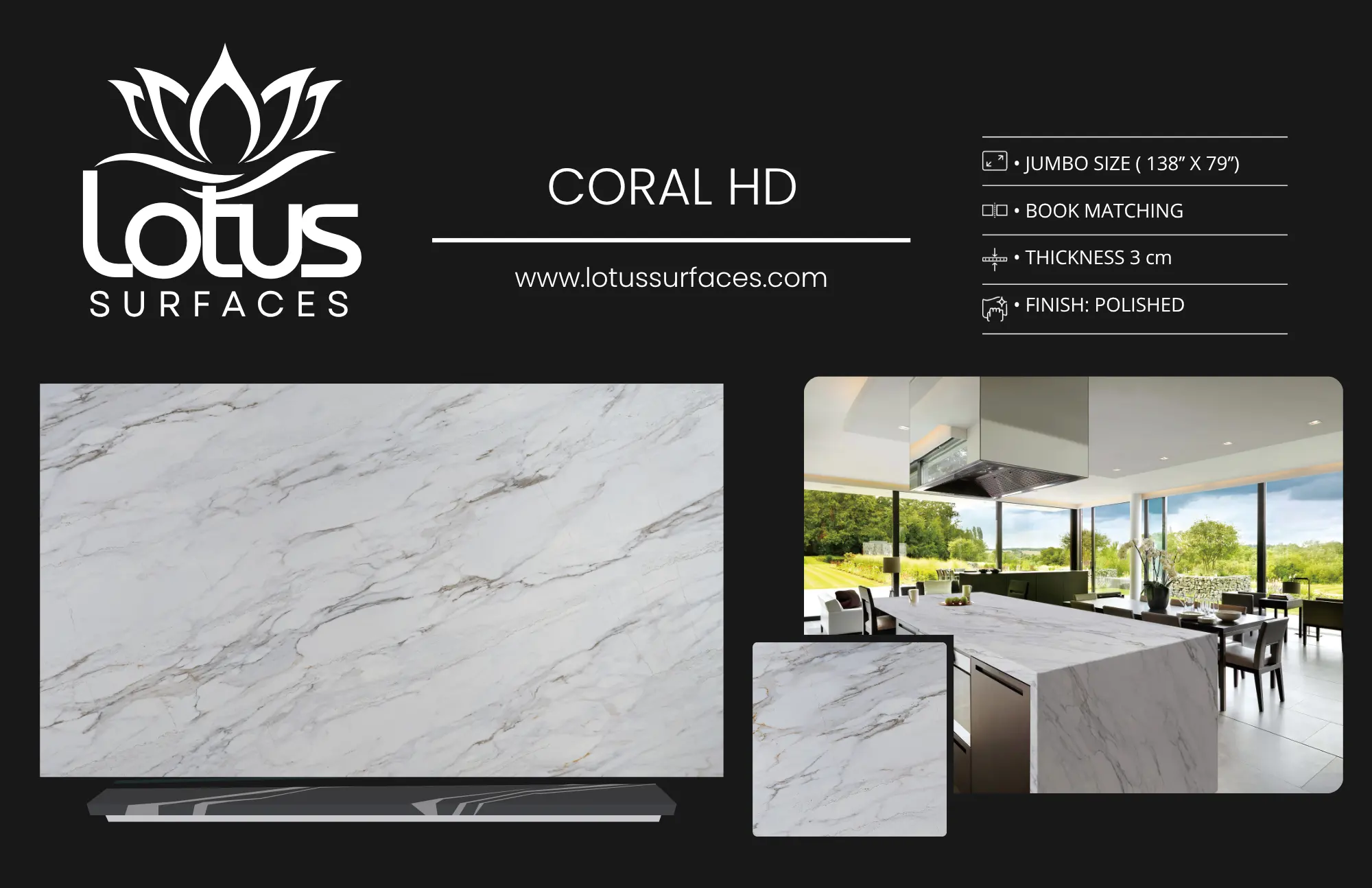
The color of your countertops can change dramatically depending on the natural light available in your kitchen. For instance, a white quartz countertop may appear bright and clean in direct sunlight, while the same countertop could look dull or even slightly gray in dim light. This phenomenon is due to the color temperature of light, which can influence how we perceive colors. In this section, we will explore the science behind color perception and the role of natural light.
Color Temperature and Perception
Color temperature is measured in Kelvin (K) and indicates whether a light source appears warm (yellowish) or cool (bluish). Natural sunlight has a color temperature that varies throughout the day, typically ranging from around 2000K during sunrise to 6500K at noon. This range can affect how your countertop color appears:
- Warm Light (2000K-3000K): This type of light enhances warm tones in materials like granite and wood, making them appear richer and more inviting.
- Neutral Light (3000K-4000K): Neutral light provides a balanced view of colors, allowing for a more accurate representation of the countertop’s true color.
- Cool Light (4000K-6500K): This light can wash out warm tones and enhance cool tones, making colors appear more vibrant but sometimes unrealistic.
Material Properties and Reflectivity
Different countertop materials reflect light differently, which further influences color perception. For example, polished granite surfaces reflect more light than a matte finish, causing the color to appear brighter and more vibrant. Conversely, a honed finish may absorb some light, resulting in a softer, muted appearance. Understanding these material properties is crucial when selecting countertops for your kitchen.
Comparison Table: Color Appearance Under Different Lighting Conditions
| Countertop Material | Warm Light (2000K-3000K) | Neutral Light (3000K-4000K) | Cool Light (4000K-6500K) |
|---|---|---|---|
| Quartz | Enhances warmth, rich color | True color representation | May appear washed out |
| Granite | Deepens color richness | Accurate color display | Brightens cool tones |
| Porcelain | Warm tones enhanced | True colors shown | Cooler tones emphasized |
The Role of Light Direction
The direction from which natural light enters your kitchen can significantly alter how your countertops appear. Understanding these effects can help you choose the right color for your space. Here are key considerations:
North-Facing Windows
Northern light is typically cool and diffused, which can make colors appear softer and more muted. If your kitchen has north-facing windows, consider warmer countertop colors to counterbalance the cool light.
South-Facing Windows
South-facing windows receive direct sunlight, resulting in brighter and more vibrant colors. Countertops in this light will appear more dynamic, making it an excellent option for bold colors.
East-Facing Windows
East-facing kitchens receive warm light during the morning, transitioning to neutral light by noon. Countertops in these spaces can showcase a range of colors, making them versatile for different styles.
West-Facing Windows
West-facing kitchens experience intense sunlight in the afternoon and evening, which can enhance warm tones. Darker countertops may absorb this light and appear deeper in color.
Time of Day and Its Effects
The time of day can further influence how natural light interacts with your kitchen countertops. Throughout the day, the sun’s position changes, altering the quality and direction of light:
Morning Light
Morning light is generally softer and warmer, which can enhance the appearance of warm tones in your countertops. This time is ideal for showcasing the beauty of natural stone surfaces.
Noon Light
Noon light is bright and can create high contrast, emphasizing the texture and patterns in your countertops. This is the best time to assess the true color of your materials.
Afternoon Light
Afternoon light can be harsh, especially in west-facing kitchens. This light may wash out colors, making it essential to choose countertops that can withstand this intensity.
Evening Light
Evening light tends to be warmer, which can soften the appearance of your countertops. If you plan to entertain in the evenings, consider how your countertop colors will look under this light.
Seasonal Changes in Light
Seasons can also impact how natural light interacts with your kitchen. During winter, for example, the sun is lower in the sky, which can affect the intensity and angle of light entering your space. Here’s how seasonal changes can influence countertop appearance:
Winter
Winter light tends to be cooler and less intense. If you have a light-colored countertop, it may appear even lighter or grayish during this season.
Spring
Spring brings longer days and brighter sunlight, enhancing the vibrancy of your countertops. This is an excellent time to showcase bright colors.
Summer
Summer light is the most intense and can cause colors to appear washed out. Darker countertops may provide a striking contrast against bright light.
Fall
Fall brings warm, golden light that enhances the rich tones in your countertops, making it a beautiful season for showcasing natural materials.
Choosing the Right Countertop Color
Now that you understand how natural light affects color perception, it’s time to consider how to choose the right countertop color for your kitchen. Here are some actionable tips:
1. Assess Your Lighting
Before making a decision, observe how natural light enters your kitchen at different times of day and throughout the seasons. Take note of how your current countertops look under these conditions.
2. Test Samples
Always request samples of your desired countertop materials and test them in your kitchen. Place them in various spots and observe how they look at different times of day.
3. Consider Your Style
Your kitchen’s overall design and color scheme should guide your countertop selection. For modern kitchens, consider sleek, minimalistic colors like white or gray. For traditional spaces, rich earth tones may be more appropriate.
4. Think About Maintenance
Different materials have varying maintenance needs. For example, while quartz countertops are low-maintenance, granite may require periodic sealing. Choose a material that fits your lifestyle.
5. Consult with Experts
Working with professionals can help you navigate the complexities of countertop selection. At Lotus Surfaces, we provide personalized guidance to help you choose the perfect countertop for your home. Contact us for more information on our services, including countertop fabrication and installation.
Expert Tips for Maximizing Natural Light
Frequently Asked Questions
1. How does natural light affect countertop color?
Natural light can significantly alter the appearance of countertop colors due to variations in color temperature, intensity, and direction.
2. What is the best countertop color for a north-facing kitchen?
Warm colors, such as beige or soft earth tones, work well in north-facing kitchens to counteract the cooler light.
3. Can I use dark countertops in a brightly lit kitchen?
Yes, dark countertops can create a stunning contrast in brightly lit kitchens, but be mindful of how they may absorb light and appear darker.
4. Should I choose a polished or honed finish for my countertops?
A polished finish reflects more light and can enhance color vibrancy, while a honed finish offers a softer, more muted appearance.
5. How can I test countertop colors in my kitchen?
Request samples from your fabricator and place them in your kitchen under different lighting conditions to see how they appear throughout the day.
6. What countertop materials are best for bright kitchens?
Quartz and lighter-colored granites are excellent choices for bright kitchens, as they reflect light well and maintain their color.
7. How do seasonal changes affect my kitchen’s lighting?
Seasonal changes can alter the intensity and angle of sunlight, affecting how countertop colors are perceived throughout the year.
8. Can natural light make my kitchen feel larger?
Yes, maximizing natural light can create an airy, spacious feel in your kitchen, making it more inviting and comfortable.
9. What are the best practices for countertop maintenance?
Regular cleaning and occasional sealing (for granite) will help maintain your countertops’ appearance and longevity.
10. Where can I find high-quality countertops in Atlanta?
Lotus Surfaces offers a wide selection of premium countertops, including quartz, granite, and porcelain, with expert installation services.
11. How does light direction impact my kitchen design?
Light direction can influence the mood and functionality of your kitchen, so consider it when planning your layout and material choices.
12. Why is it important to consult with countertop experts?
Consulting with experts ensures you make informed decisions based on your kitchen’s unique lighting conditions and personal style.