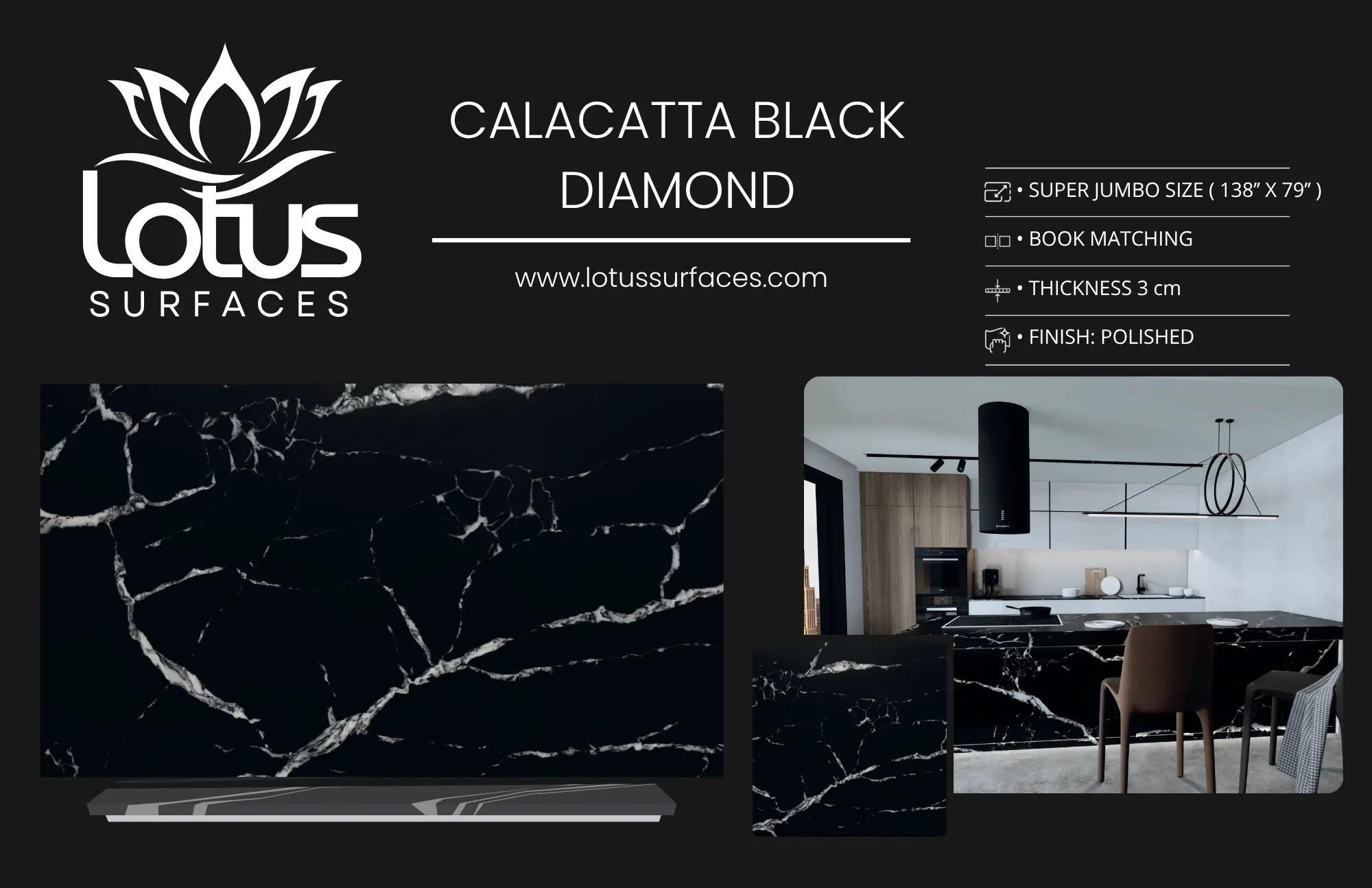

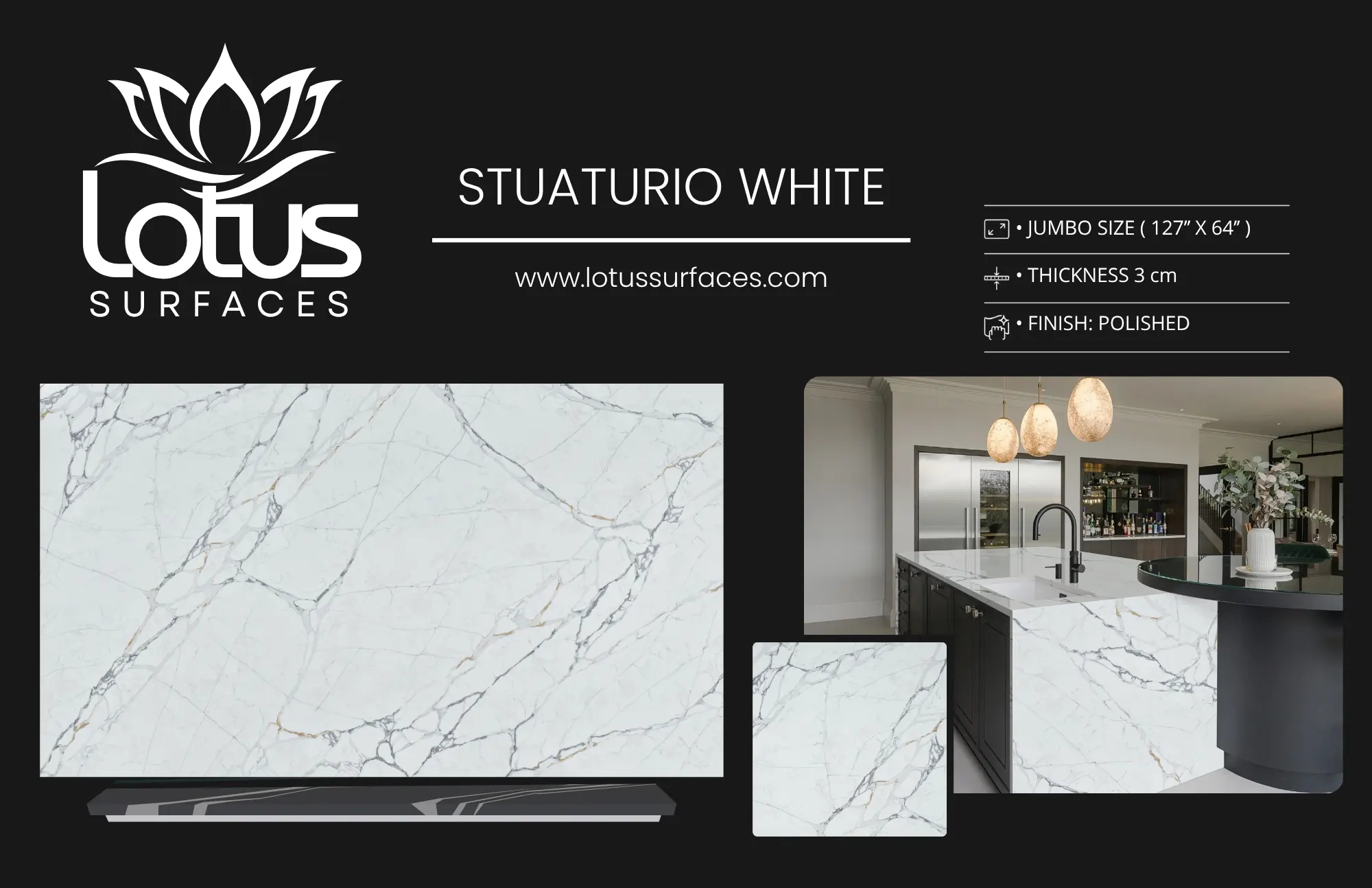
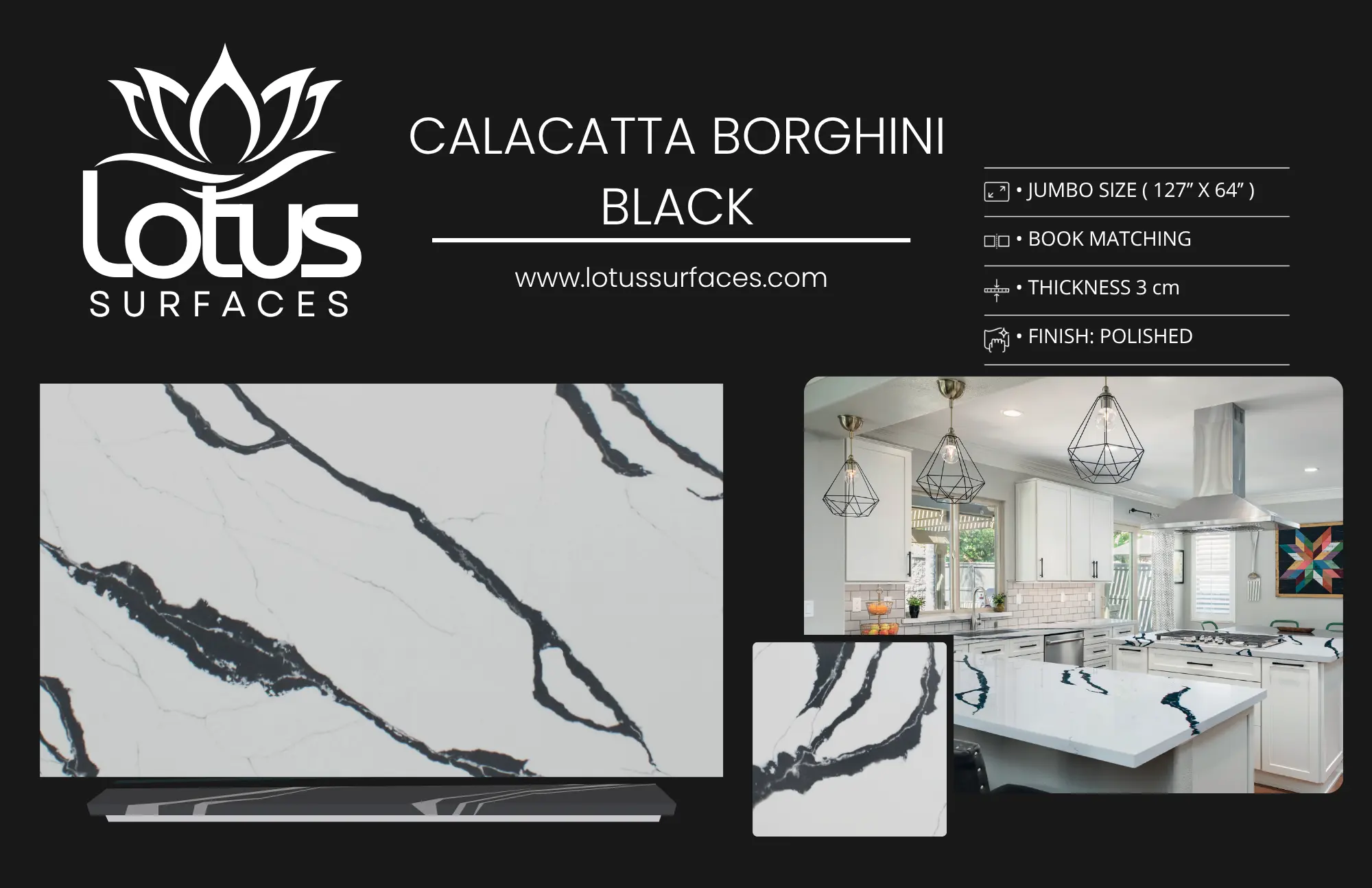

The Complete Guide to Countertop Options for Basement Kitchenettes and Bars
When it comes to designing a basement kitchenette or bar, the choice of countertop is critical. Not only does it need to be functional and durable, but it should also complement the overall aesthetic of your space. With various materials available, understanding the pros and cons of each can help you make an informed decision. In this guide, we’ll explore different countertop options, their suitability for basement environments, and expert tips for selecting the right one for your needs.
1. Understanding Basement Kitchenettes and Bars
Basement kitchenettes and bars have become increasingly popular as homeowners look to maximize their living space. A well-designed kitchenette can serve as a perfect spot for entertaining guests, preparing snacks, or simply enjoying a drink after a long day. The layout often includes essential appliances like mini-fridges, sinks, and, of course, stunning countertops that serve as the focal point of the area.
In the Greater Atlanta area, where humidity can be a concern, selecting the right countertop material is essential. Homeowners need materials that can withstand moisture while providing aesthetic appeal. This is where understanding the available options becomes crucial.
2. Key Factors to Consider When Choosing Countertops
When selecting countertops for your basement kitchenette or bar, several factors should guide your decision:
- Durability: Since basements can experience varying humidity levels, choose materials that are resistant to moisture, stains, and scratches.
- Style: The countertop should match the overall design of your space. Whether you prefer a modern, rustic, or traditional look, there are materials that cater to each aesthetic.
- Maintenance: Some materials require more upkeep than others. Consider how much time and effort you’re willing to invest in maintenance.
- Cost: Budget is always a consideration. Different materials come with varying price points, so it’s essential to find a balance between quality and affordability.
- Functionality: Think about how you’ll use the space. Will it be primarily for cooking, entertaining, or both? This can influence the type of countertop you choose.
3. Popular Countertop Materials
Let’s explore some of the most popular countertop materials available for basement kitchenettes and bars:
3.1 Quartz Countertops
Quartz countertops are engineered stone surfaces made from approximately 90% crushed quartz crystals mixed with resins and pigments. They are highly durable, non-porous, and resistant to stains and scratches, making them an excellent choice for a basement kitchenette.
Benefits:
- Wide range of colors and patterns
- Low maintenance
- Highly durable and long-lasting
Considerations:
- Can be more expensive than other materials
- Not as heat resistant as natural stone
3.2 Granite Countertops
Granite is a natural stone that offers unparalleled beauty and uniqueness. Each slab is distinct, providing a one-of-a-kind look to your basement bar or kitchenette.
Benefits:
- Heat and scratch resistant
- Durable and long-lasting
- Increases home value
Considerations:
- Requires periodic sealing to maintain its resistance
- Heavier than other materials, requiring sturdy cabinetry
3.3 Porcelain Countertops
Porcelain countertops are made from ceramic clay and are fired at high temperatures, resulting in a dense and durable surface. They are available in various colors and patterns, mimicking the look of natural stone.
Benefits:
- Highly resistant to moisture and stains
- Low maintenance
- Lightweight compared to granite
Considerations:
- Can chip or crack if heavy objects are dropped
- Installation requires professional expertise
3.4 Laminate Countertops
Laminate countertops are made from layers of paper and resin, providing a cost-effective option for homeowners. They come in a wide range of colors and patterns, making it easy to find a style that suits your basement.
Benefits:
- Budget-friendly
- Variety of designs and finishes
- Easy to clean
Considerations:
- Less durable than stone options
- Not heat resistant
3.5 Solid Surface Countertops
Solid surface countertops, such as Corian, are made from acrylic and polyester materials. They are non-porous, making them resistant to stains and bacteria, ideal for food preparation areas.
Benefits:
- Seamless appearance
- Easy to repair and maintain
- Wide range of colors and styles
Considerations:
- Can scratch easily
- Less heat resistant than stone options
4. Comparing Countertop Options
To help you make a more informed decision, here’s a comparison table highlighting the key features of each countertop material:
| Material | Durability | Maintenance | Cost | Style Options |
|---|---|---|---|---|
| Quartz | Very high | Low | $$$ | Variety of colors |
| Granite | High | Medium | $$$ | Unique patterns |
| Porcelain | High | Low | $$ | Variety of designs |
| Laminate | Medium | Low | $ | Wide variety |
| Solid Surface | Medium | Low | $$ | Seamless options |
5. Installation Tips for Basement Countertops
Installing countertops in a basement requires careful planning and execution. Here are some tips to ensure a successful installation:
- Choose the Right Installer: Hiring a professional installer with experience in basement projects is crucial. Look for local countertop installers in the Atlanta area who can provide references and showcase their previous work.
- Measure Accurately: Ensure that all measurements are precise to avoid costly mistakes during installation. Consider factors like the height of the bar or kitchenette and the placement of appliances.
- Consider Moisture Control: Basements can be prone to excess moisture. Ensure that your countertop material is suitable for these conditions and consider installing a dehumidifier to maintain optimal humidity levels.
- Plan for Seam Placement: If your countertop will require seams, work with your installer to plan their placement strategically. This can enhance the overall aesthetics and functionality of the space.
- Finalize Edge Profiles: Choose an edge profile that complements your design. Options like beveled, bullnose, or ogee can add a custom touch.
6. Maintenance and Care for Countertops
Proper maintenance is essential for prolonging the life of your countertops, especially in a basement environment. Here are some general care tips:
- Regular Cleaning: Clean your countertops regularly using mild soap and water. Avoid harsh chemicals that can damage the surface.
- Seal Granite: If you choose granite, remember to seal it periodically to maintain its resistance to stains.
- Avoid Excessive Heat: Use trivets or heat pads under hot pots and pans to prevent damage.
- Address Stains Promptly: For any spills, clean them promptly to prevent staining, especially with porous materials like granite and laminate.
7. Frequently Asked Questions
What types of countertops are best for basements?
Countertops made from quartz, granite, and porcelain are ideal for basements due to their durability and resistance to moisture.
Are laminate countertops suitable for basement kitchenettes?
Laminate countertops can be used in basement kitchenettes, but they are less durable than stone options and not heat resistant.
How do I care for granite countertops in a basement?
Granite countertops require periodic sealing and should be cleaned with mild soap and water to maintain their appearance.
What is the average cost of quartz countertops?
The average cost of quartz countertops ranges from $50 to $150 per square foot, depending on the design and installation.
Can I install countertops myself?
While some homeowners may attempt DIY installations, it’s best to hire a professional to ensure proper fitting and avoid potential issues.
How do I choose the right color for my countertops?
Consider the overall color scheme of your basement and choose a countertop that complements your cabinetry and decor.
What should I consider when planning my basement bar?
Consider the layout, storage options, and the types of activities you plan to host when designing your basement bar.
Where can I find local countertop installers?
Search online for local countertop fabricators in your area or visit Lotus Surfaces for professional guidance and installation services.
Conclusion
Choosing the right countertop for your basement kitchenette or bar is a decision that can significantly impact both functionality and aesthetics. By understanding the various options available and considering factors like durability, maintenance, and style, you can make an informed choice that enhances your space. Whether you opt for the elegance of quartz, the classic appeal of granite, or the affordability of laminate, the right countertop will elevate your basement design. For expert guidance and high-quality countertop solutions in the Greater Atlanta area, contact Lotus Surfaces today.