
Why Quartz Countertops Outperform Laminate in Every Measurable Category
When it comes to choosing the perfect surface for your kitchen or bathroom, the debate between quartz countertops and laminate surfaces has been a hot topic among homeowners and designers alike. While laminate has long been a popular choice due to its affordability, quartz countertops have emerged as the superior option in virtually every measurable category. In this article, we will explore the reasons why quartz countertops outperform laminate, providing you with the insights needed to make an informed decision for your home renovation project.
Homeowners in the Greater Atlanta area, especially those in Norcross, Atlanta, and surrounding areas, are increasingly turning to quartz for its combination of durability, aesthetic appeal, and low maintenance. We at Lotus Surfaces pride ourselves on providing premium quality quartz countertops that elevate the beauty and functionality of any space. In the following sections, we will delve into the various aspects where quartz clearly takes the lead over laminate.
1. Durability and Strength
One of the most significant advantages of quartz countertops over laminate is their unparalleled durability. Quartz is engineered from natural stone and polymer resins, resulting in a surface that is not only hard but also non-porous. This characteristic makes quartz resistant to scratches, chips, and stains, ensuring that your countertops will maintain their pristine condition for years to come.
On the other hand, laminate surfaces are more susceptible to damage. They can easily be scratched or dented, and exposure to heat can cause them to warp or bubble. In fact, studies have shown that quartz countertops can withstand temperatures up to 150 degrees Celsius, whereas laminate can begin to deteriorate at much lower temperatures. The Natural Stone Institute reports that quartz surfaces are ideal for high-traffic areas and kitchens where durability is paramount.
2. Aesthetic Appeal
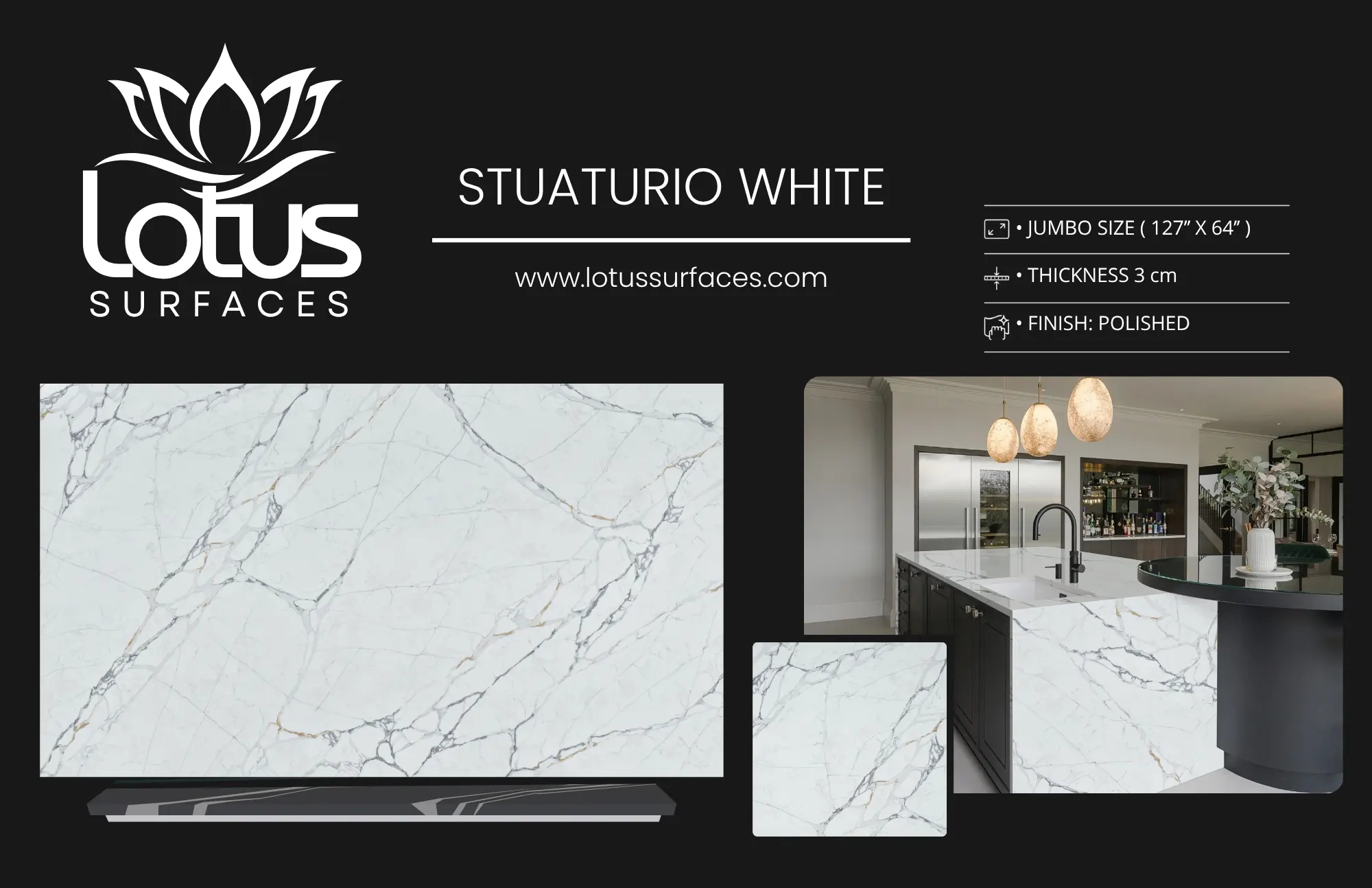
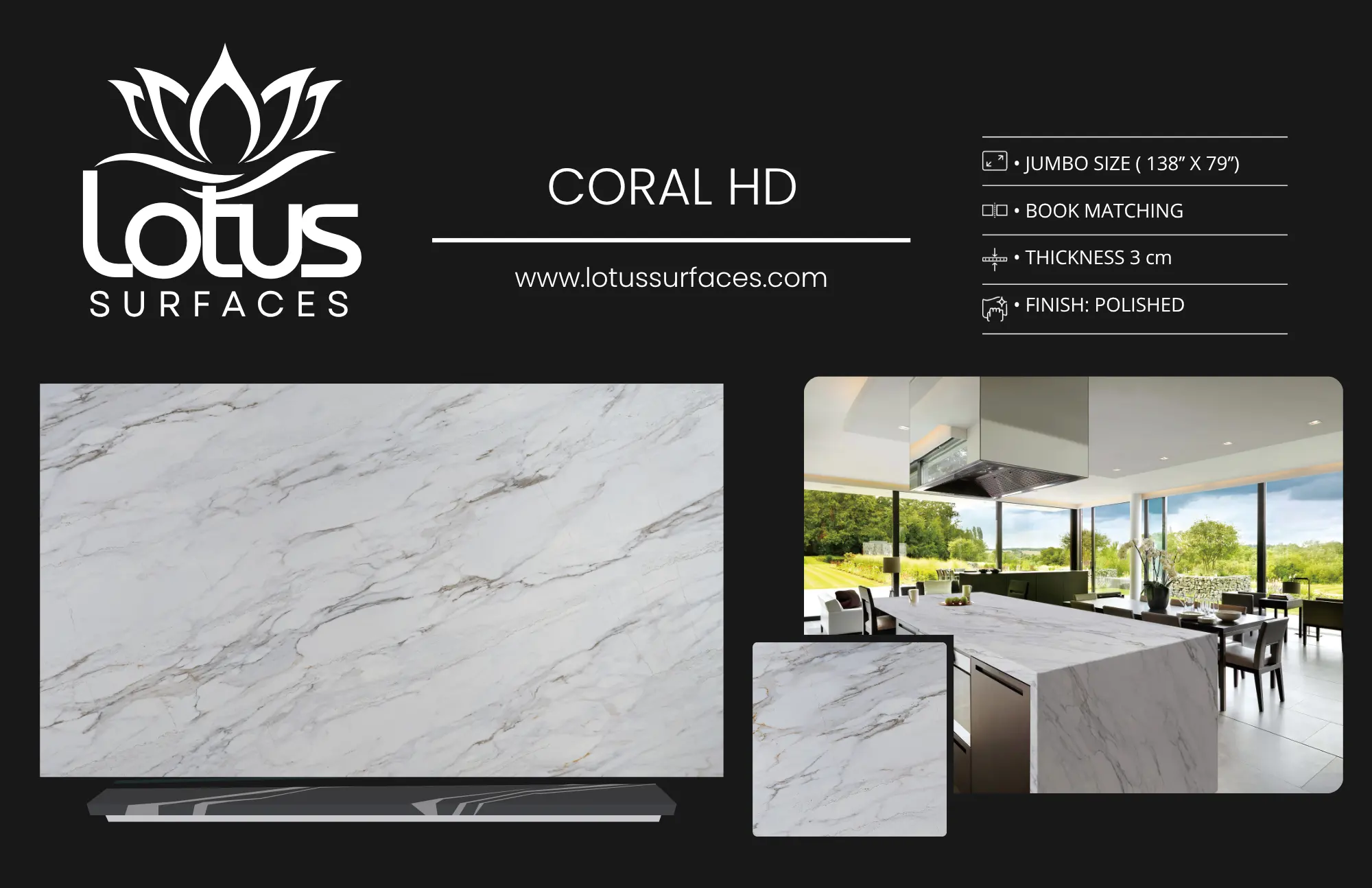
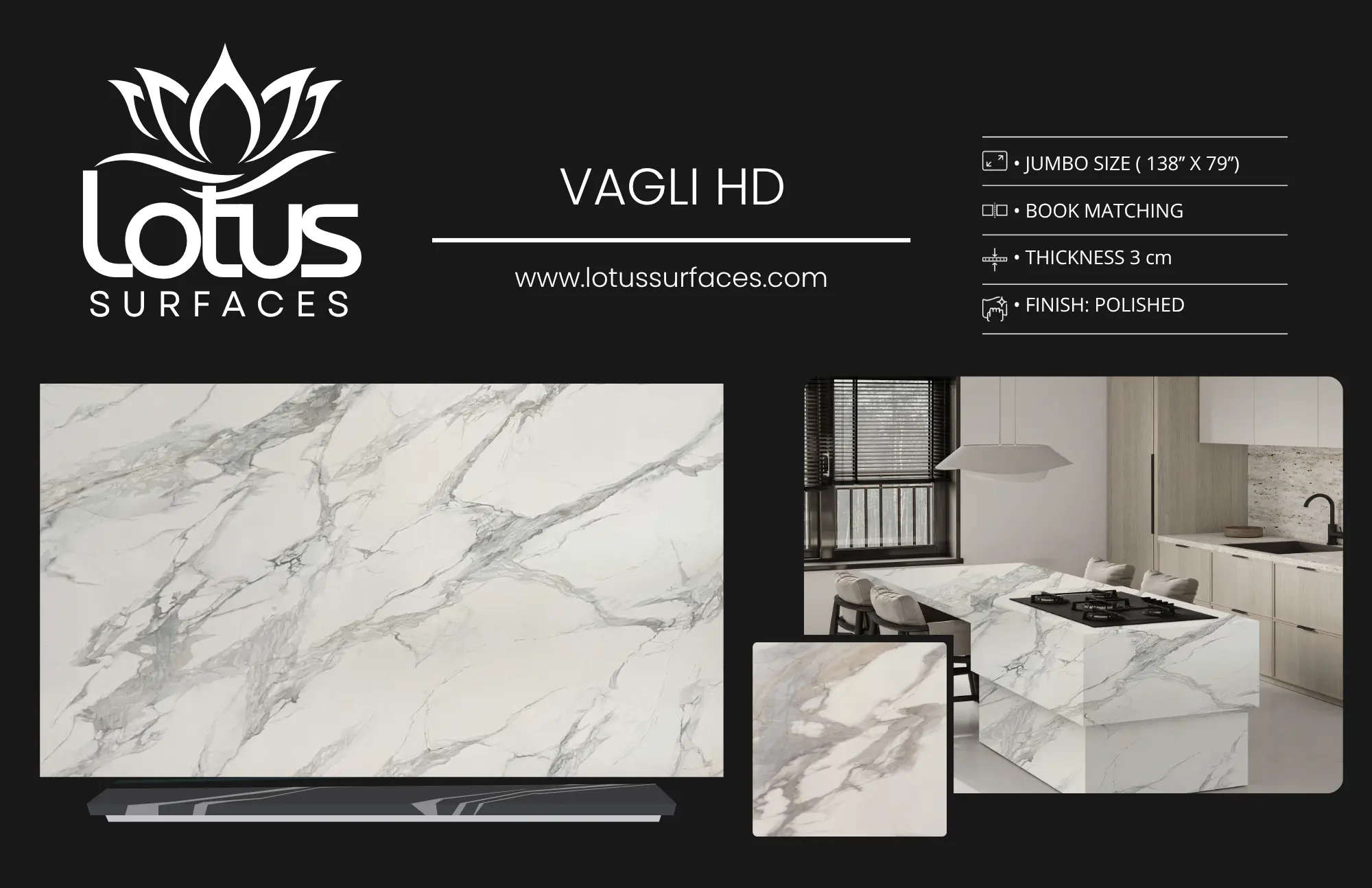
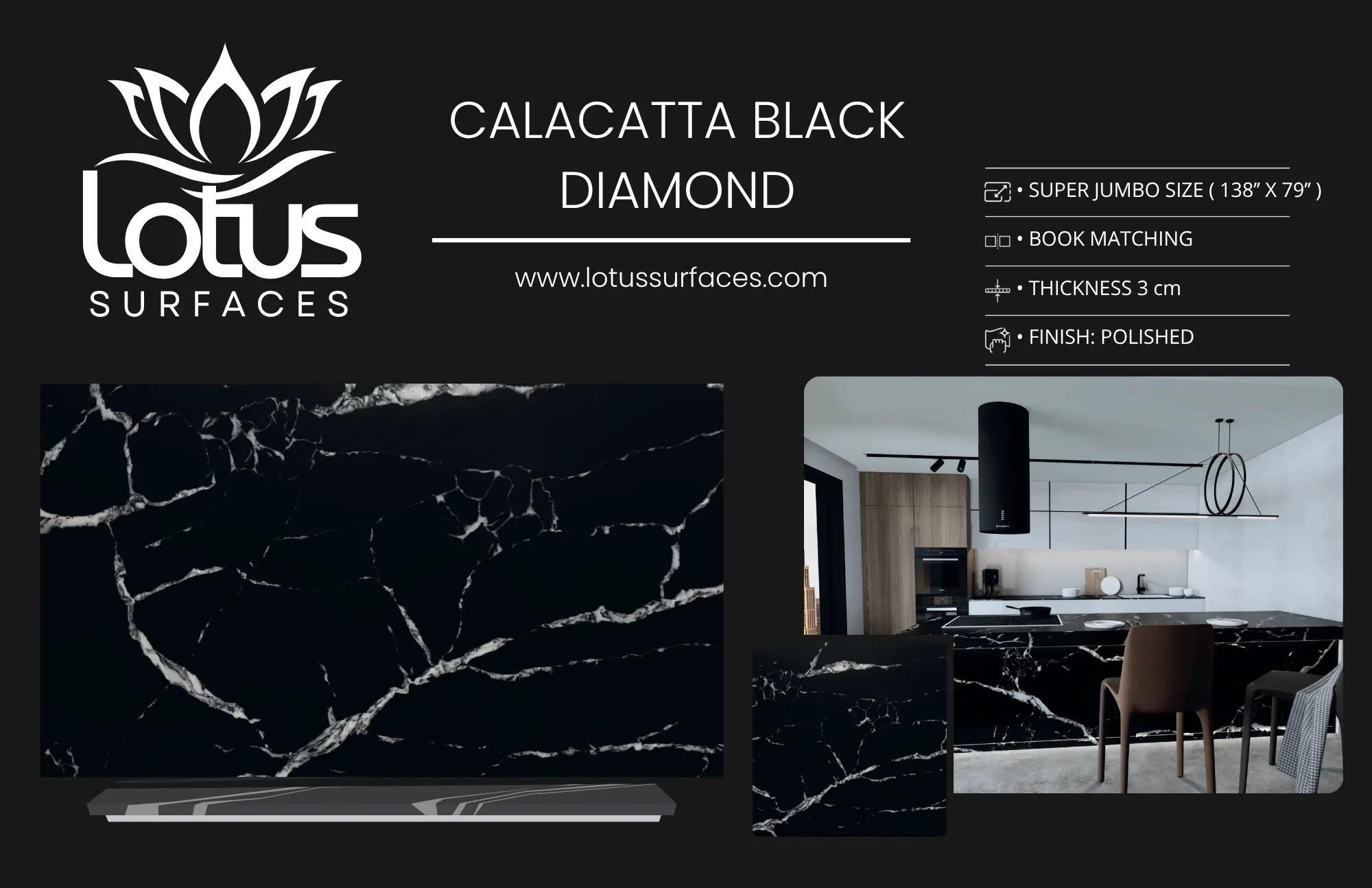
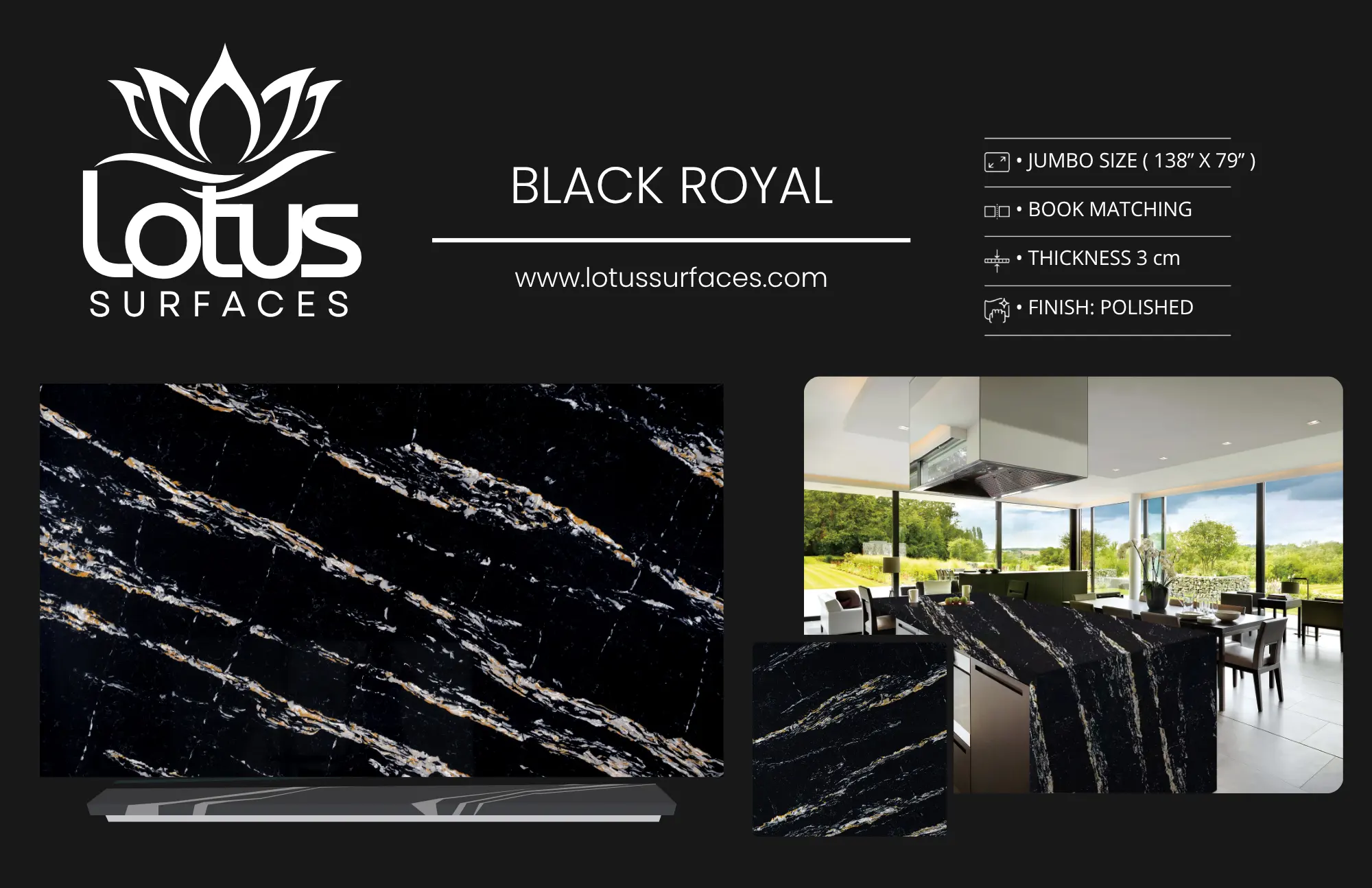
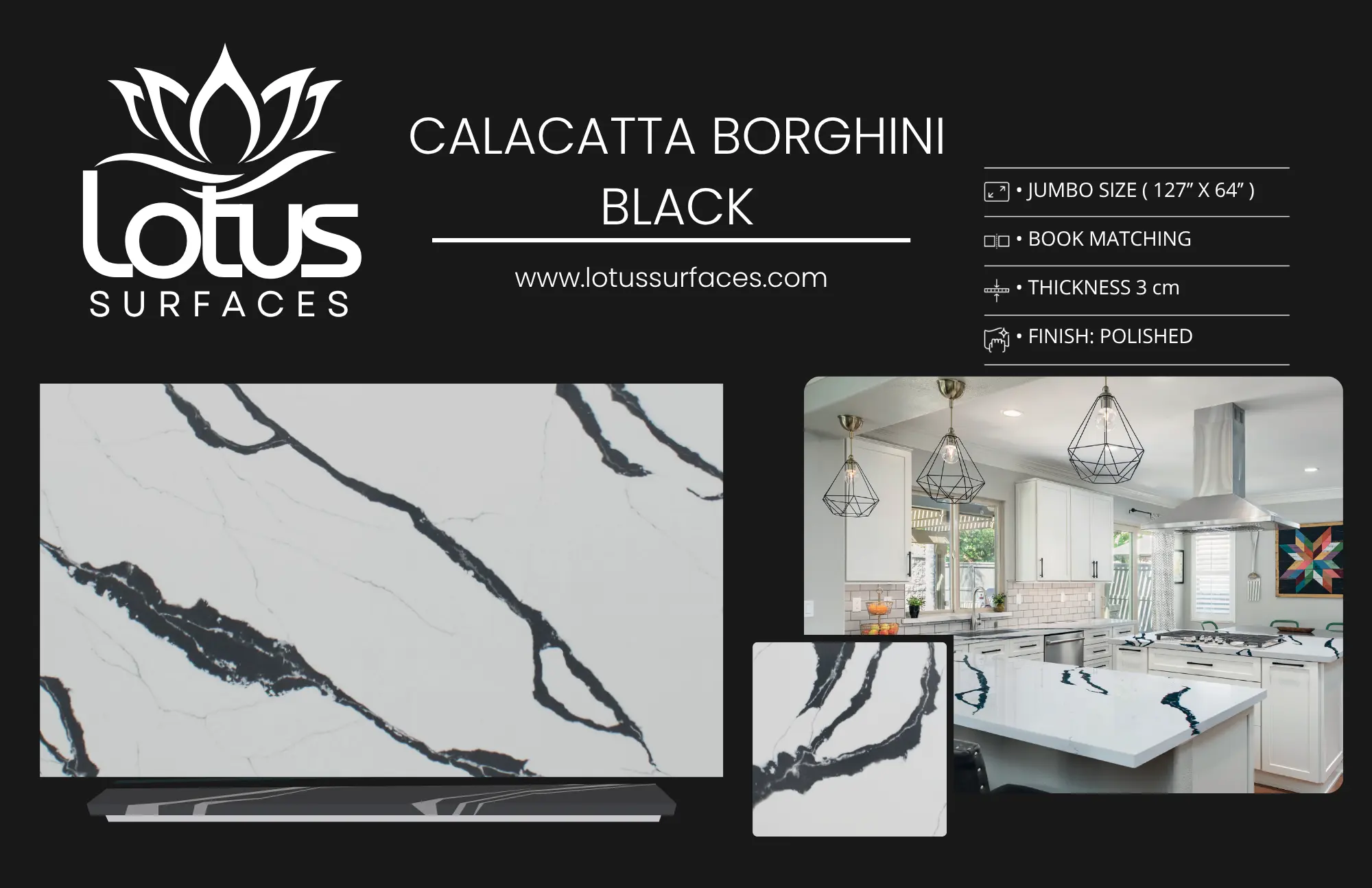
When it comes to style, quartz countertops provide a level of sophistication and elegance that laminate simply cannot match. Available in a wide range of colors, patterns, and finishes, quartz surfaces can mimic the appearance of natural stone, such as granite or marble, without the associated maintenance concerns. Homeowners can achieve a luxurious look in their kitchens and bathrooms without compromising on quality.
In contrast, laminate countertops often feature printed designs that may fade over time, losing their initial luster. While laminate can be produced in a variety of styles, the depth and richness of color found in quartz surfaces are hard to replicate. For an in-depth look at the options available, visit our countertop selection page.
Comparison Table: Aesthetic Options
| Feature | Quartz Countertops | Laminate Countertops |
|---|---|---|
| Color Variety | Extensive range including natural stone looks | Limited designs, often printed |
| Pattern Depth | Natural variations and textures | Flat, less depth |
| Finish Options | Polished, honed, matte | Glossy or matte |
3. Maintenance and Care
Maintaining your countertops is a crucial factor in their longevity and appearance. Quartz countertops require minimal upkeep compared to laminate surfaces. Due to their non-porous nature, quartz does not require sealing and is resistant to staining from common household substances like wine, coffee, and juice. A simple wipe with warm soapy water is often all that’s needed to keep quartz looking fresh.
In contrast, laminate surfaces can stain easily and may require special cleaning products to avoid damaging the surface. Additionally, laminate countertops are not heat resistant, necessitating the use of trivets or hot pads to protect the surface from hot pots and pans. The Consumer Reports highlights these differences in maintenance requirements, making it clear that quartz is the more practical choice for busy households.
4. Environmental Impact
As homeowners become more environmentally conscious, the sustainability of their materials becomes increasingly important. Quartz countertops are often manufactured using sustainable practices, and many brands offer options that incorporate recycled materials. This not only reduces waste but also promotes a more eco-friendly approach to home renovations.
Conversely, laminate countertops are typically made from synthetic materials and may contain harmful chemicals, such as formaldehyde. According to the Environmental Protection Agency (EPA), these chemicals can off-gas into the home, potentially affecting indoor air quality. Choosing quartz countertops can not only enhance the beauty of your home but also contribute to a healthier living environment.
5. Cost Considerations
While quartz countertops generally have a higher upfront cost compared to laminate, it is essential to consider the long-term value. Quartz is an investment that pays off over time due to its durability and low maintenance needs. Homeowners can expect quartz countertops to last for decades, whereas laminate may need to be replaced within 10 to 15 years due to wear and tear.
Additionally, the resale value of homes with quartz countertops tends to be higher. According to a report by the National Association of Realtors, homes with high-quality countertops can see a significant boost in market value. This makes quartz a wise investment for homeowners looking to enhance their property.
6. Conclusion
In summary, quartz countertops clearly outperform laminate in every measurable category, from durability and aesthetic appeal to maintenance and environmental impact. Choosing quartz not only elevates the design of your kitchen or bathroom but also ensures a long-lasting, low-maintenance surface that can withstand the rigors of daily life.
At Lotus Surfaces, we are committed to providing premium quartz countertop solutions tailored to your specific needs. Our expert team is here to guide you through the selection and installation process, ensuring that you find the perfect surface for your home. Contact us today to learn more about our offerings and how we can help you transform your space.
7. FAQ
What are quartz countertops made of?
Quartz countertops are composed of approximately 90-95% crushed natural quartz crystals mixed with polymer resins, pigments, and other additives to enhance their durability and appearance.
How do I clean quartz countertops?
Cleaning quartz countertops is straightforward. Use warm soapy water and a soft cloth for routine cleaning. For tougher stains, a non-abrasive cleaner can be used.
Are quartz countertops heat resistant?
Quartz countertops can withstand temperatures up to 150 degrees Celsius, but it is recommended to use trivets or hot pads to protect the surface from extreme heat.
How long do quartz countertops last?
With proper care, quartz countertops can last for decades, making them a long-term investment for your home.
Can I use quartz for outdoor countertops?
While quartz is durable, it is not recommended for outdoor use as UV exposure can fade the color over time. For outdoor spaces, consider materials specifically designed for exterior use.
Are quartz countertops environmentally friendly?
Many quartz countertops are made with sustainable practices and can include recycled materials, making them a more eco-friendly choice compared to laminate.
What is the price difference between quartz and laminate countertops?
Quartz countertops typically range from $50 to $150 per square foot, while laminate countertops can range from $10 to $40 per square foot. However, quartz offers better long-term value due to its durability.
Can quartz countertops be repaired?
Minor scratches can often be polished out, but deeper damage may require professional repair or replacement of the affected section.
