
The Ultimate Guide to Quartz vs. Marble: Cost, Maintenance, and Appearance
The Complete Guide to Quartz vs. Marble: Cost, Maintenance, and Appearance Compared
When it comes to selecting the perfect countertop for your kitchen or bathroom renovation, homeowners are often torn between two popular choices: quartz and marble. Both materials offer unique benefits and aesthetic appeal, but they differ significantly in terms of cost, maintenance, and overall appearance. In this comprehensive guide, we’ll explore the intricacies of quartz vs. marble, helping you make an informed decision tailored to your needs. By the end of this article, you will understand the differences in durability, maintenance requirements, cost implications, and how each material can enhance the beauty of your home.
1. Overview of Quartz and Marble
Quartz countertops are engineered stone surfaces made from 90-95% crushed natural quartz crystals, combined with resins and polymers to bind the material together. This process results in a non-porous, durable surface that is available in an extensive array of colors and patterns, making it an attractive option for modern kitchens and bathrooms.
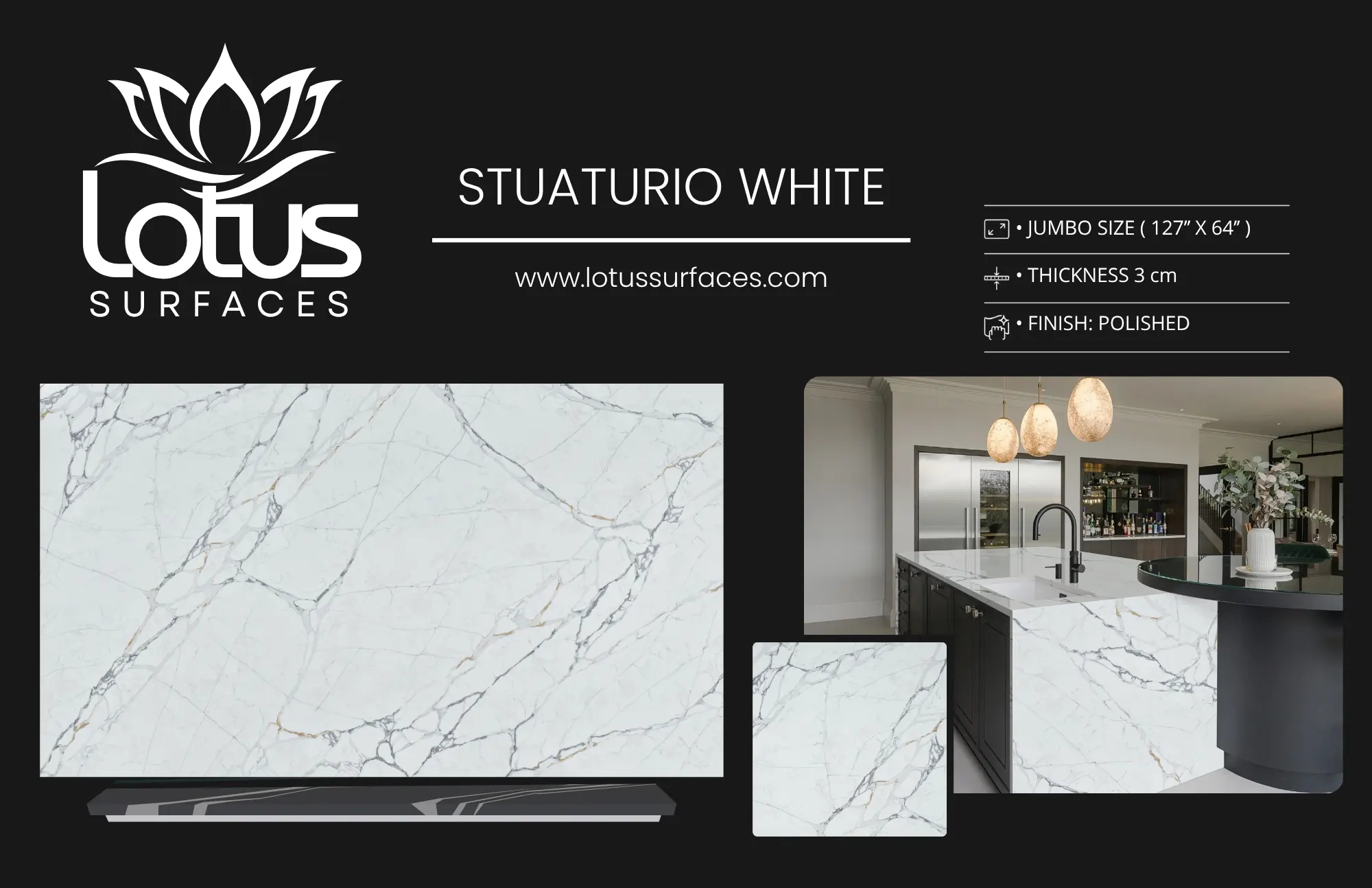
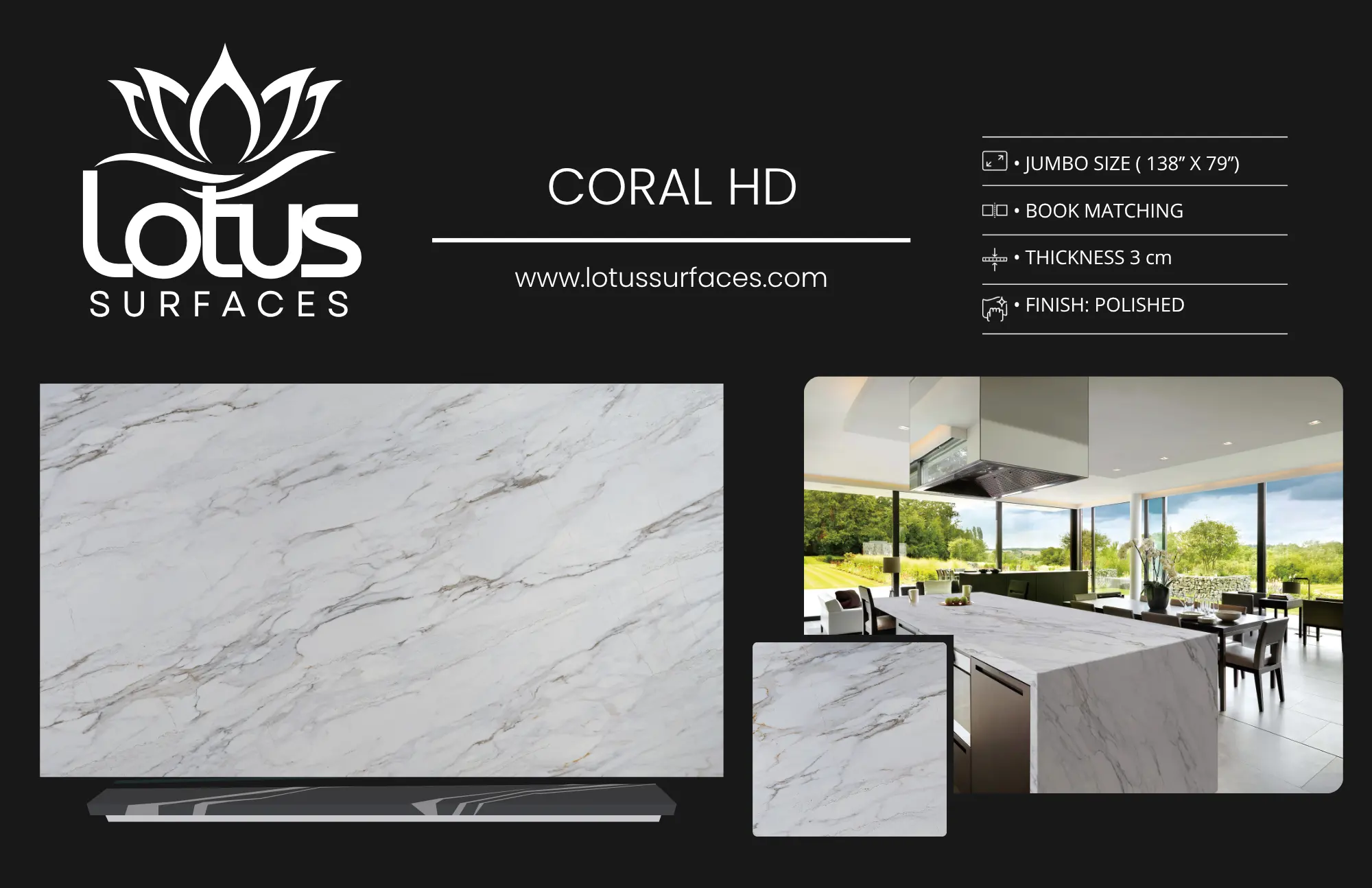
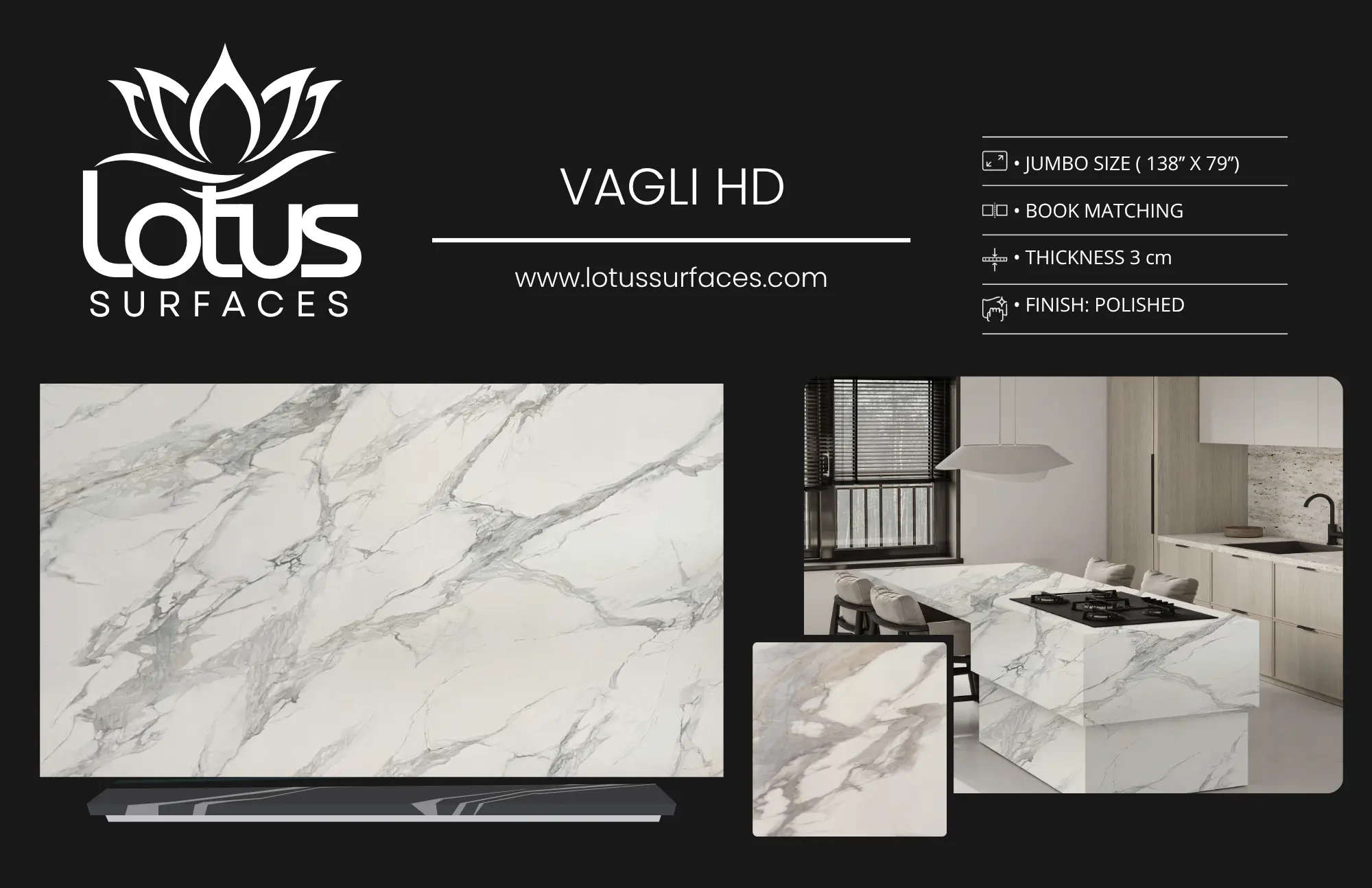
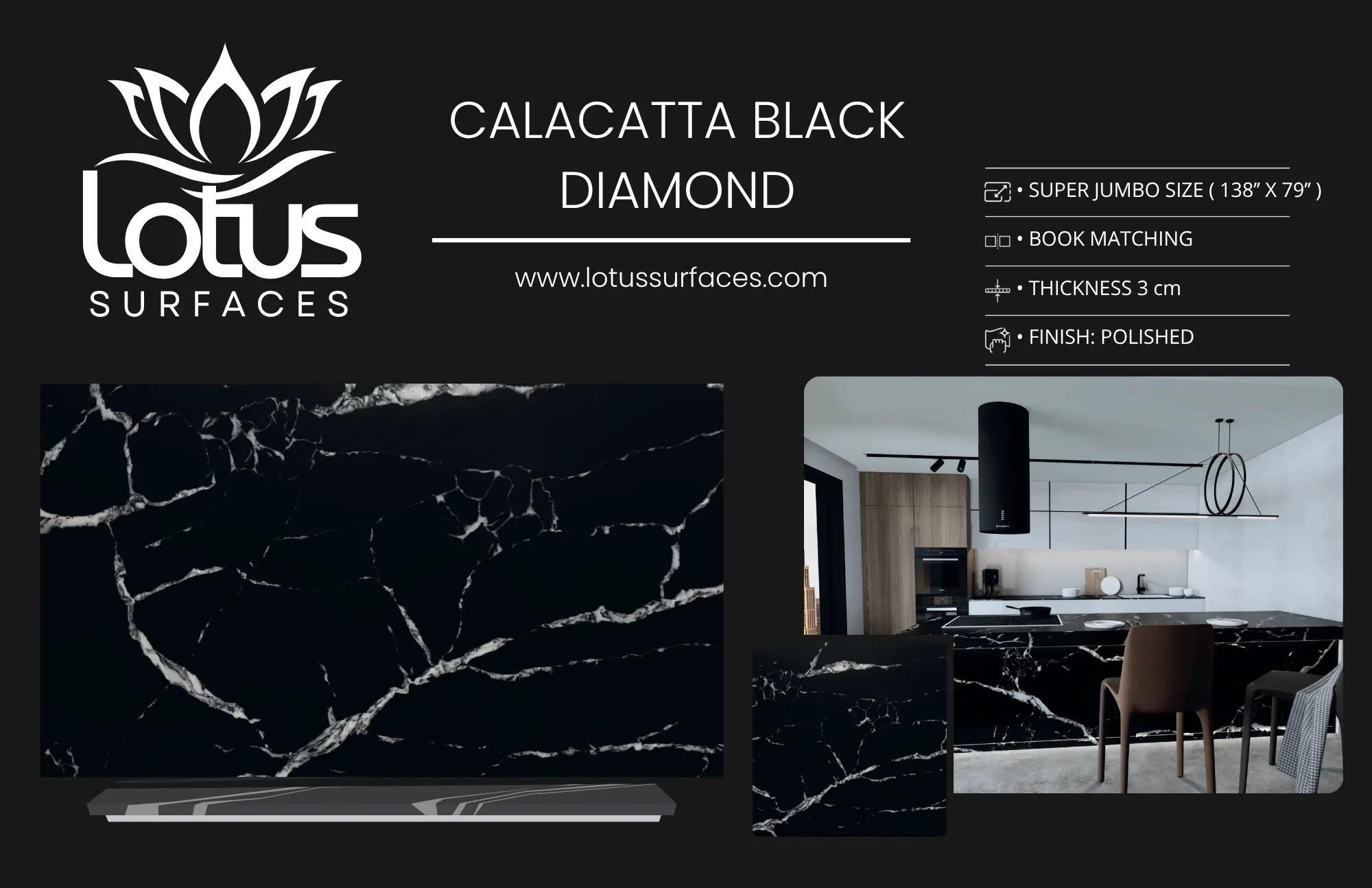
On the other hand, marble is a natural stone formed from metamorphosed limestone. Known for its classic beauty and elegance, marble features unique veining patterns and a luxurious finish that can elevate any space. However, it is more porous than quartz, making it susceptible to staining and scratching.
2. Cost Comparison
When evaluating quartz vs. marble, understanding the cost implications is crucial. Here’s a breakdown of the costs associated with each material:
| Material | Average Cost per Square Foot | Installation Cost per Square Foot | Total Average Cost |
|---|---|---|---|
| Quartz | $50 – $100 | $30 – $50 | $80 – $150 |
| Marble | $40 – $100 | $50 – $100 | $90 – $200 |
As seen in the table above, while the initial cost of quartz can be comparable to that of marble, installation costs for marble can be significantly higher. This is largely due to its weight and the need for specialized installation techniques. Therefore, homeowners should consider the full scope of expenses, including fabrication and installation costs, when making their decision.
3. Maintenance Requirements
Proper maintenance is essential to prolonging the life of your countertops. Here’s how quartz and marble stack up against each other in terms of maintenance:
- Quartz: Non-porous and resistant to stains, quartz requires minimal maintenance. Regular cleaning with mild soap and water is usually sufficient. Avoid harsh chemicals that can degrade the resin.
- Marble: As a porous material, marble requires more upkeep. It’s susceptible to staining from acidic substances (e.g., lemon juice, vinegar), and regular sealing is recommended to protect the surface. Clean spills immediately and use a pH-balanced cleaner to avoid damaging the finish.
For homeowners considering quartz countertops in Norcross, GA, the low maintenance aspect can be particularly appealing, especially for busy households.
4. Aesthetic Appeal and Design Options
Both quartz and marble possess distinct visual characteristics that can complement various design styles:
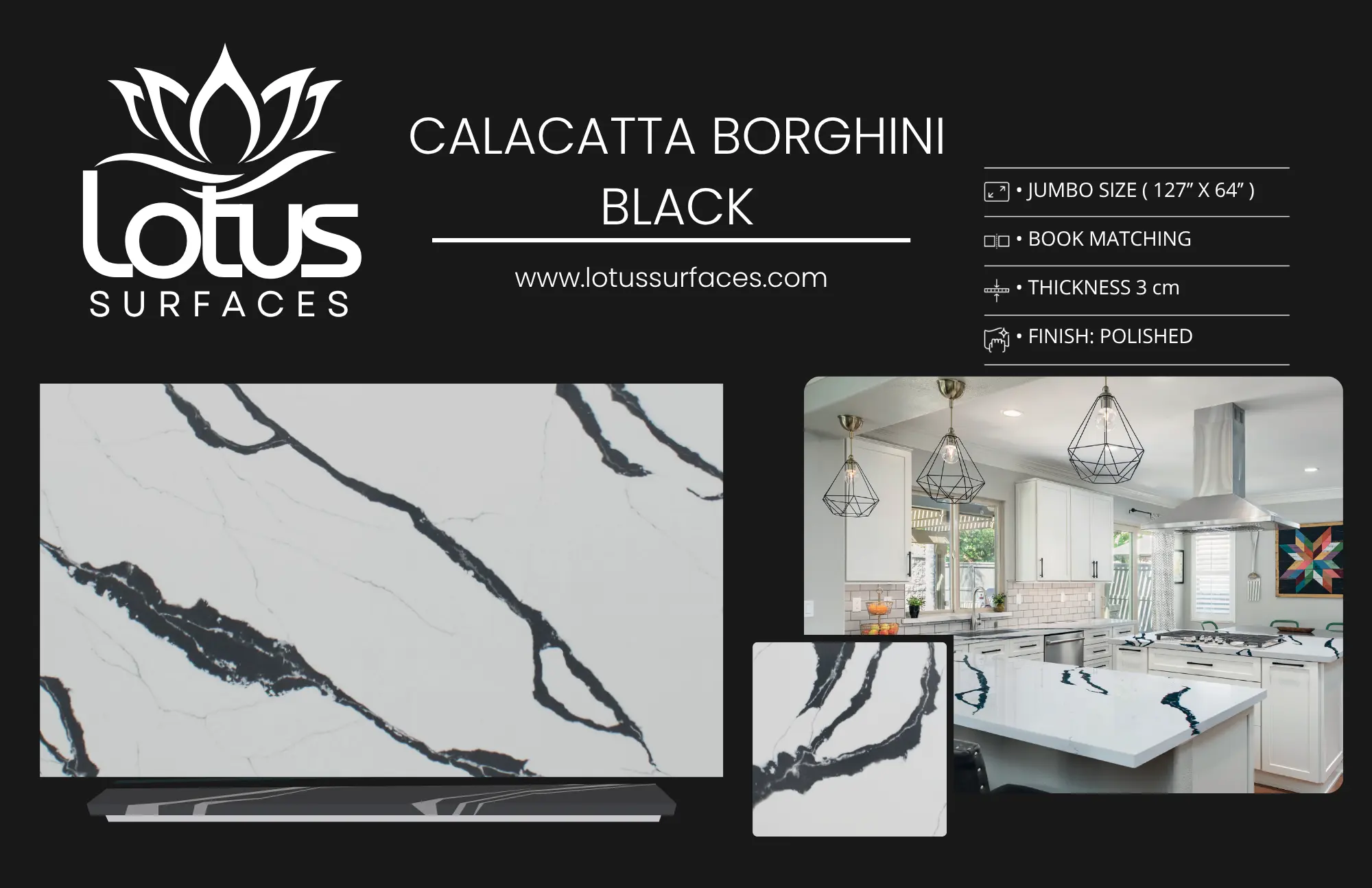
- Quartz: Available in a wide range of colors, patterns, and textures, quartz can mimic the look of natural stone while offering a more uniform appearance. This versatility makes it suitable for contemporary, transitional, and traditional designs alike.
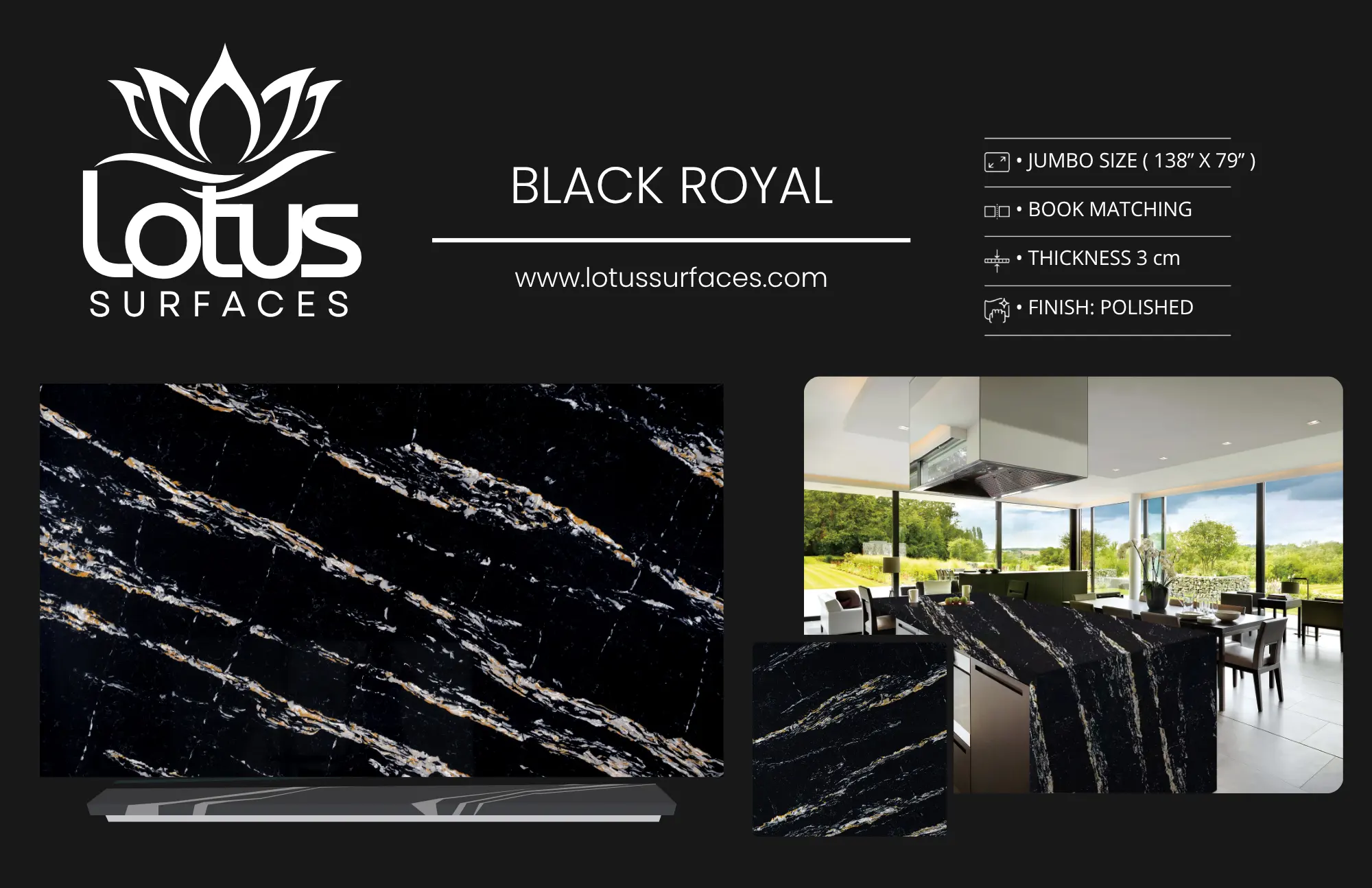
- Marble: Renowned for its timeless elegance, marble features unique veining patterns that are impossible to replicate. It is often favored in luxury settings and can create a sophisticated atmosphere in any kitchen or bathroom.
5. Durability and Performance
Durability is a pivotal factor when choosing between quartz and marble:
- Quartz: Highly durable and resistant to scratches, chips, and heat, quartz is an excellent choice for high-traffic areas like kitchens. Its non-porous nature prevents bacteria and mold growth, making it a hygienic option for food preparation.
- Marble: While marble is durable, it is more prone to scratching and chipping. The surface can be easily damaged by acidic substances, which can etch the stone and dull its finish. Regular maintenance and care are essential to preserve its beauty.
6. Pros and Cons of Quartz vs. Marble
To help you summarize the key differences, here are the pros and cons of each material:
| Feature | Quartz | Marble |
|---|---|---|
| Cost | Moderate to high | Moderate to high |
| Maintenance | Low | High |
| Durability | Highly durable | Less durable |
| Appearance | Variety of colors and patterns | Unique veining and classic beauty |
| Heat Resistance | Good | Moderate |
7. Expert Tips for Choosing the Right Material
To make the best decision between quartz and marble, consider the following expert tips:
- Assess Your Lifestyle: If you lead a busy lifestyle with children or pets, quartz may be the more practical choice due to its durability and low maintenance.
- Evaluate Your Design Goals: Consider the overall aesthetic of your home and how each material aligns with your design vision.
- Budget Wisely: Factor in both material and installation costs to ensure your countertop choice fits within your budget.
- Consult with Professionals: Reach out to a local countertop fabricator for personalized advice and to view samples in person. At Lotus Surfaces, we offer a range of materials and personalized guidance tailored to your renovation needs.
8. Conclusion
Ultimately, the choice between quartz and marble comes down to your personal preferences, lifestyle, and design goals. While quartz offers durability and low maintenance, marble provides timeless beauty that can elevate any space. As you embark on your countertop selection journey, consider the factors discussed in this guide to make an informed decision that enhances your home’s beauty and functionality.
For homeowners in the Greater Atlanta area seeking high-quality quartz or marble countertops, Lotus Surfaces is your trusted partner. Our experienced team is here to provide professional guidance and support throughout your renovation project. Contact us today to explore our wide selection of premium materials and find the perfect countertop for your home!
9. FAQ Section
What are the main differences between quartz and marble?
Quartz is an engineered stone that is non-porous and highly durable, while marble is a natural stone that is porous and requires more maintenance.
Is quartz more expensive than marble?
The cost of quartz and marble can vary. Generally, quartz can be comparable to marble, but installation costs for marble tend to be higher.
How do I maintain quartz countertops?
Quartz countertops require minimal maintenance; simply clean with mild soap and water. Avoid harsh chemicals.
Can marble countertops stain?
Yes, marble is porous and can stain if spills are not cleaned up promptly. Regular sealing is recommended.
Which material is better for kitchens?
Quartz is often considered better for kitchens due to its durability and low maintenance, while marble is more suited for decorative applications.
How long do quartz countertops last?
With proper care, quartz countertops can last a lifetime, making them a durable investment for your home.
Is it safe to put hot pots on quartz countertops?
While quartz is heat resistant, it is advisable to use trivets or hot pads to prevent potential damage.
Can I use vinegar to clean marble?
No, vinegar is acidic and can damage the marble surface. Use a pH-balanced cleaner instead.
