
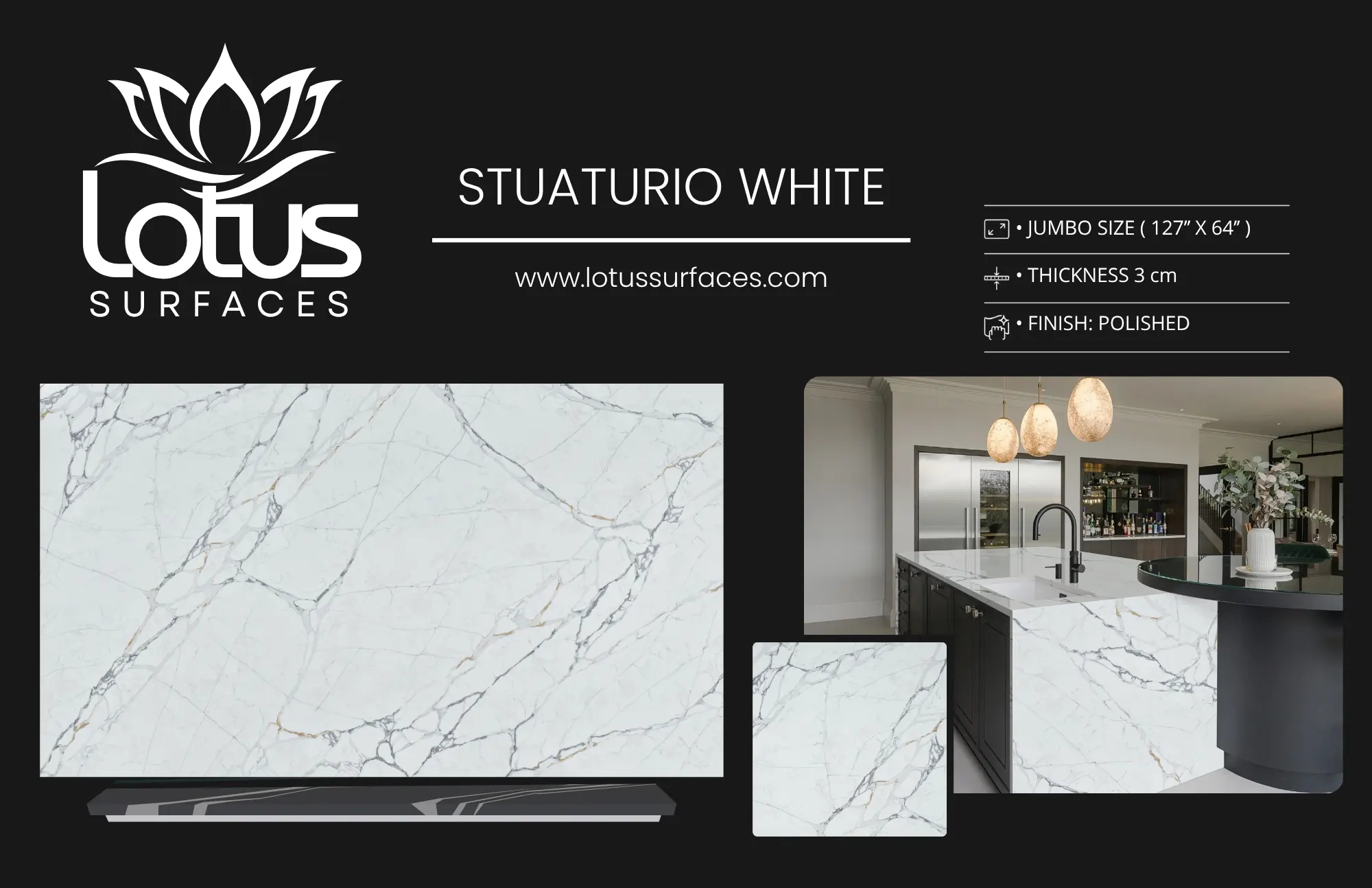
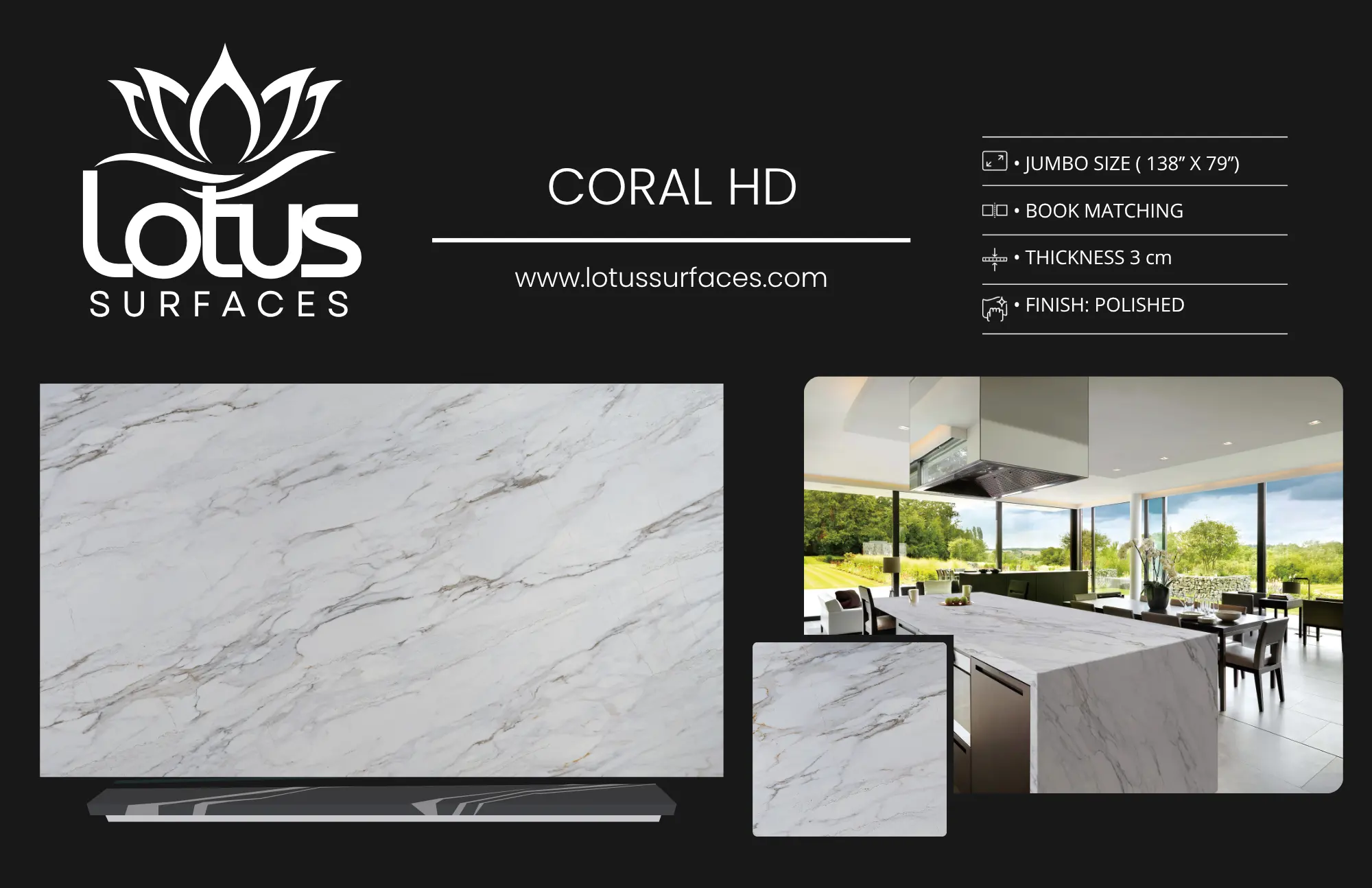
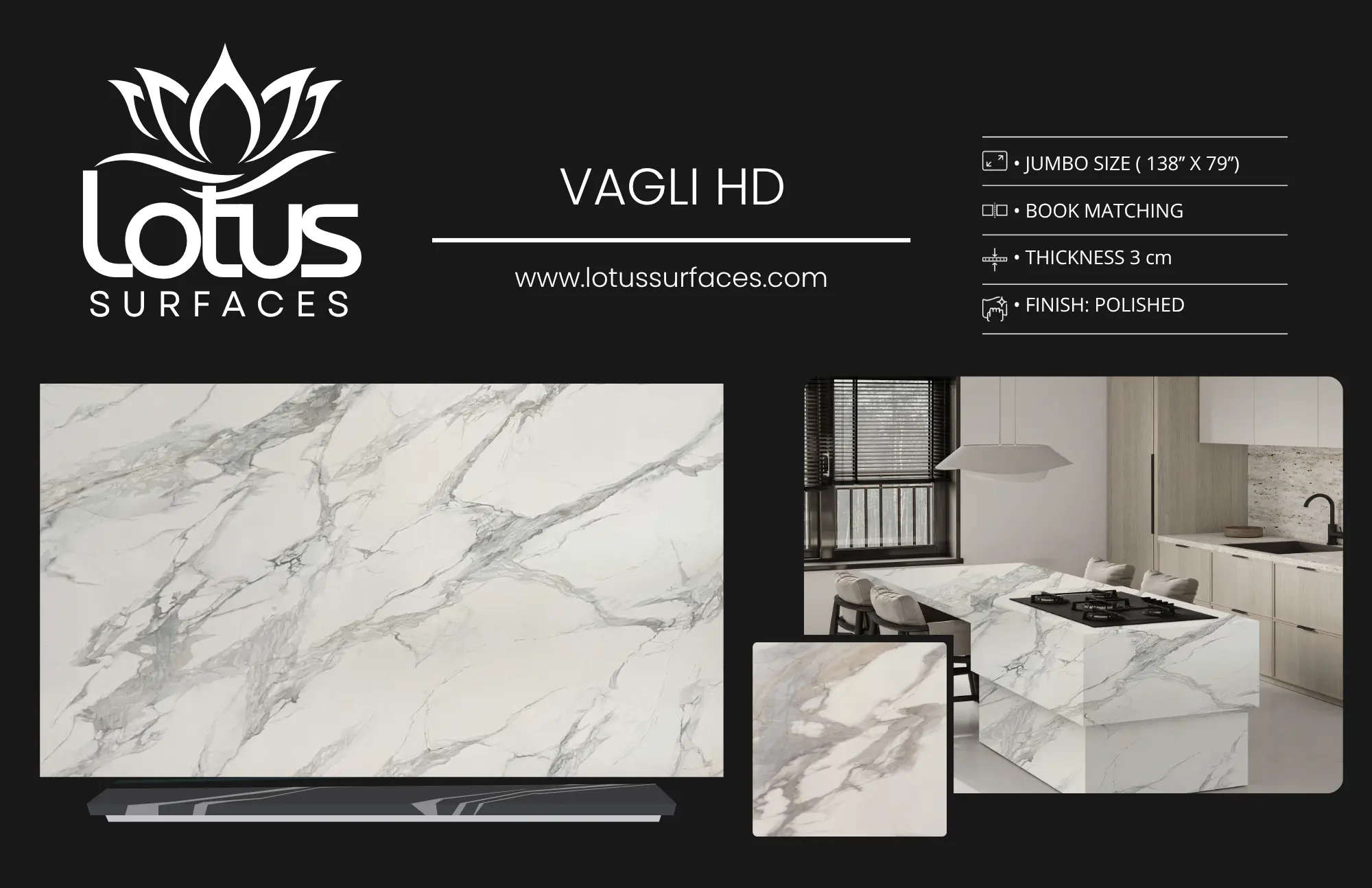
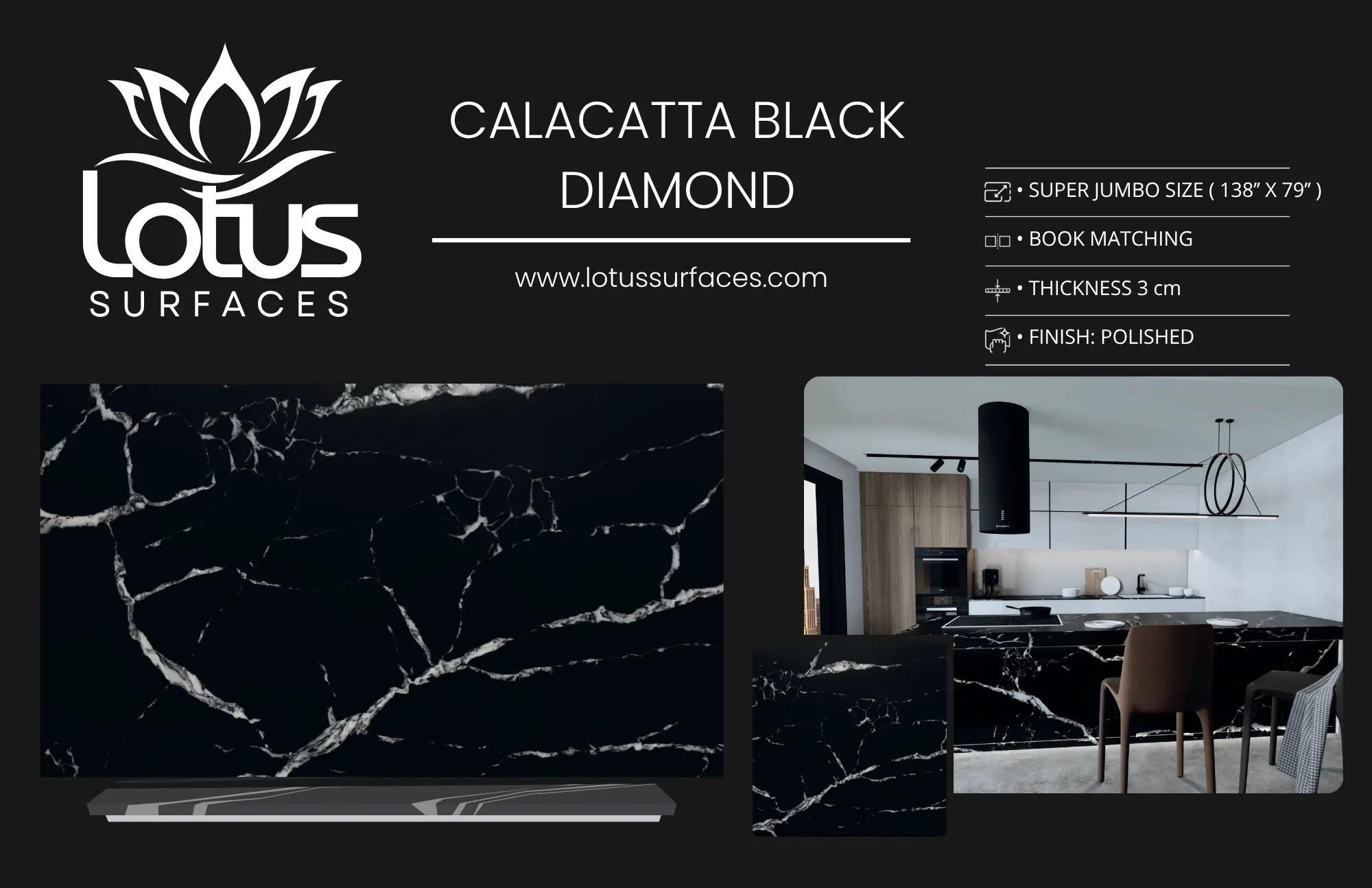
Quartzite vs. Granite: A Complete Comparison of Hardness, Heat Resistance, and Longevity
When it comes to choosing the perfect countertop material for your kitchen or bathroom, two of the most popular options are quartzite and granite. Both materials exude beauty and elegance, but they differ significantly in terms of hardness, heat resistance, and longevity. This comprehensive guide will delve into these differences, helping homeowners in Norcross, Atlanta, and beyond make informed choices. You will learn how quartzite compares to granite in these critical areas, ensuring your investment stands the test of time.
Understanding Quartzite and Granite
Quartzite is a natural stone formed from sandstone that has undergone metamorphism. This process makes quartzite incredibly durable and allows it to come in a variety of stunning colors and patterns. In contrast, granite is an igneous rock composed mainly of quartz, feldspar, and mica. Both materials are quarried from the earth, but their formation processes contribute to their unique properties.
Quartzite is often mistaken for quartz, a man-made surface composed of about 90% crushed natural stone and 10% resin. While quartz countertops offer excellent durability, they cannot match the natural beauty and performance of genuine quartzite and granite. As a homeowner in the Greater Atlanta area, understanding these differences is crucial when selecting the right material for your renovation.
Hardness Comparison
Hardness is one of the most critical factors to consider when comparing quartzite and granite. The Mohs scale of mineral hardness rates materials on a scale from 1 to 10, with 1 being the softest (talc) and 10 being the hardest (diamond). Both quartzite and granite score between 6 and 7 on this scale, making them suitable options for high-traffic areas like kitchens and bathrooms.
| Material | Mohs Hardness Rating | Typical Uses |
|---|---|---|
| Quartzite | 7 | Countertops, flooring, wall cladding |
| Granite | 6-7 | Countertops, flooring, monuments |
While both materials are durable, quartzite is generally considered harder than granite. This increased hardness makes quartzite less prone to scratches and chips, providing a longer-lasting surface for your home. Additionally, quartzite’s dense composition makes it more resistant to staining than granite, especially when properly sealed.
Heat Resistance Comparison
Heat resistance is another essential factor when choosing between quartzite and granite for your countertops. Both materials can withstand high temperatures, but their performance varies. Granite can typically handle temperatures up to 1200°F (649°C), making it ideal for hot pots and pans. However, sudden temperature changes can lead to cracking, especially in thinner slabs.
Quartzite, on the other hand, can endure even higher temperatures, often exceeding 2000°F (1093°C). This exceptional heat resistance makes quartzite an excellent choice for homeowners who frequently use their kitchen for cooking and baking. However, it is still advisable to use trivets or hot pads to protect any countertop surface from thermal shock.
Longevity and Maintenance
When investing in countertops, longevity and maintenance are crucial considerations. Both quartzite and granite can last a lifetime with proper care, but they do have different maintenance requirements. Granite requires periodic sealing to maintain its stain resistance, typically every 1-2 years. This process involves applying a sealant to fill the pores in the stone, preventing liquids from penetrating.
Quartzite, being denser and less porous, requires less frequent sealing. Many quartzite surfaces only need to be sealed every 3-5 years, depending on usage and the specific finish. This lower maintenance requirement can be a significant advantage for busy homeowners who want beautiful countertops without the hassle of constant upkeep.
Cost Considerations
Cost is always a factor in any home renovation project. Generally, granite is more affordable than quartzite, with prices ranging from $40 to $100 per square foot, depending on the quality and origin. Quartzite, being a more exotic stone, tends to be pricier, often ranging from $60 to $150 per square foot.
While quartzite may have a higher upfront cost, its durability and lower maintenance requirements can make it a more economical choice over time. Homeowners should weigh the initial investment against the long-term benefits when deciding between the two materials.
Conclusion
In conclusion, both quartzite and granite offer unique advantages and disadvantages. Quartzite generally scores higher in hardness and heat resistance, making it a superior choice for homeowners who prioritize durability and performance. However, granite remains a popular option due to its affordability and classic beauty. Ultimately, the best choice for your home will depend on your personal preferences, budget, and lifestyle.
If you’re considering a kitchen or bathroom renovation in Norcross or the Greater Atlanta area, contact Lotus Surfaces. Our experienced team can guide you through the selection process, ensuring you choose the perfect countertop material for your needs. Explore our wide selection of countertops and experience the difference for yourself.
FAQs
1. What is the main difference between quartzite and granite?
The primary difference lies in their formation and properties. Quartzite is formed from sandstone and is generally harder and less porous than granite, making it more resistant to scratches and stains.
2. Which material is better for kitchen countertops?
Both materials are excellent choices, but quartzite may be preferable for its higher heat resistance and durability.
3. How often should I seal granite countertops?
Granite countertops should be sealed every 1-2 years to maintain their stain resistance.
4. Can quartzite countertops be used outdoors?
Yes, quartzite is an excellent choice for outdoor kitchens due to its durability and heat resistance.
5. Are quartzite and granite environmentally friendly?
Both materials are natural stones, making them more eco-friendly compared to synthetic options. However, their environmental impact can vary based on quarrying practices.
6. How do I clean quartzite and granite countertops?
Use a pH-balanced cleaner and avoid harsh chemicals. Regularly wipe down with warm water and a soft cloth to maintain their appearance.
7. Is quartzite more expensive than granite?
Yes, quartzite typically costs more due to its exotic nature, ranging from $60 to $150 per square foot, while granite ranges from $40 to $100 per square foot.
8. Can I install quartzite or granite myself?
While it’s possible, professional installation is recommended to ensure proper fitting and minimize the risk of damage during installation.
