
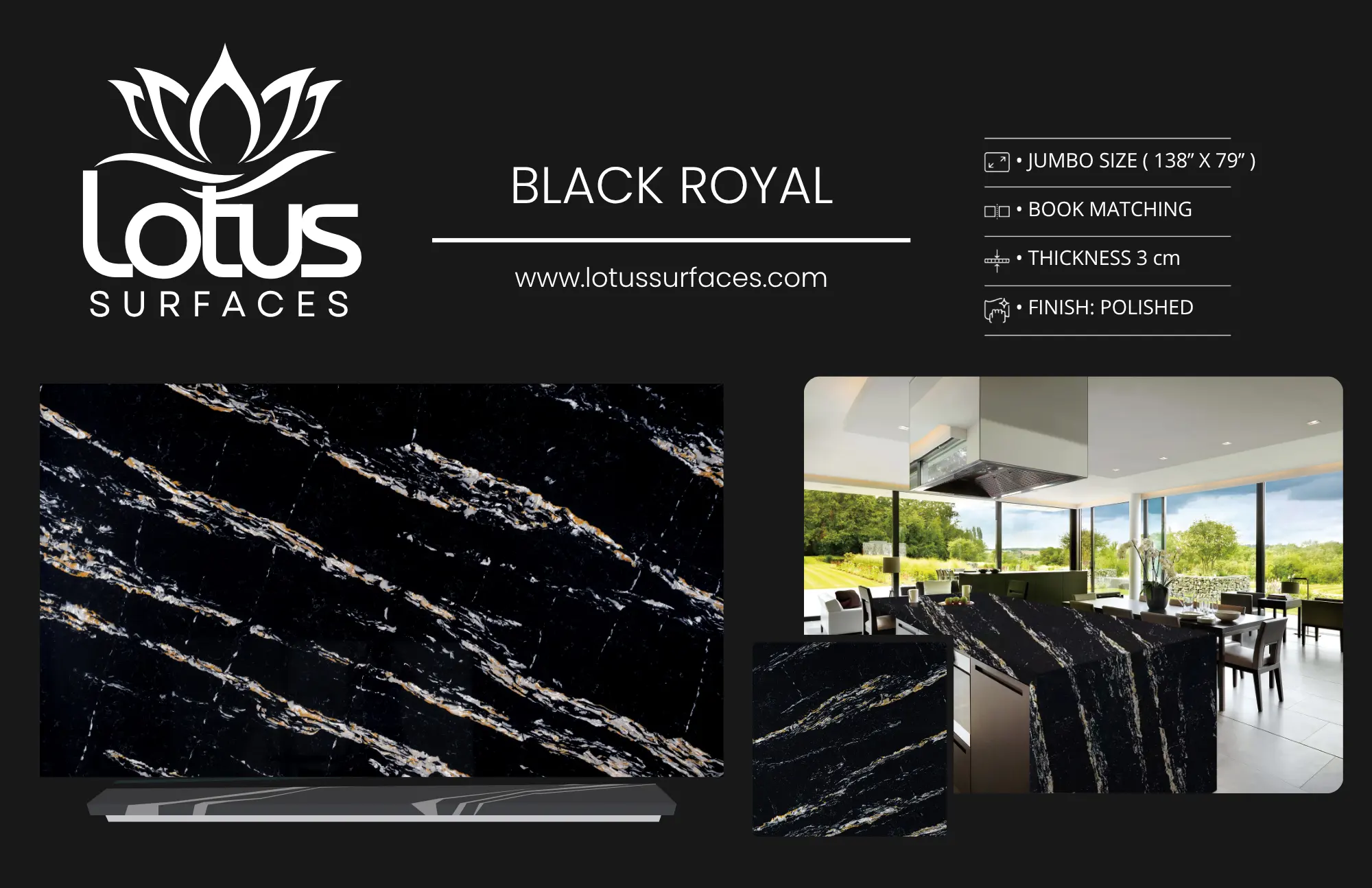
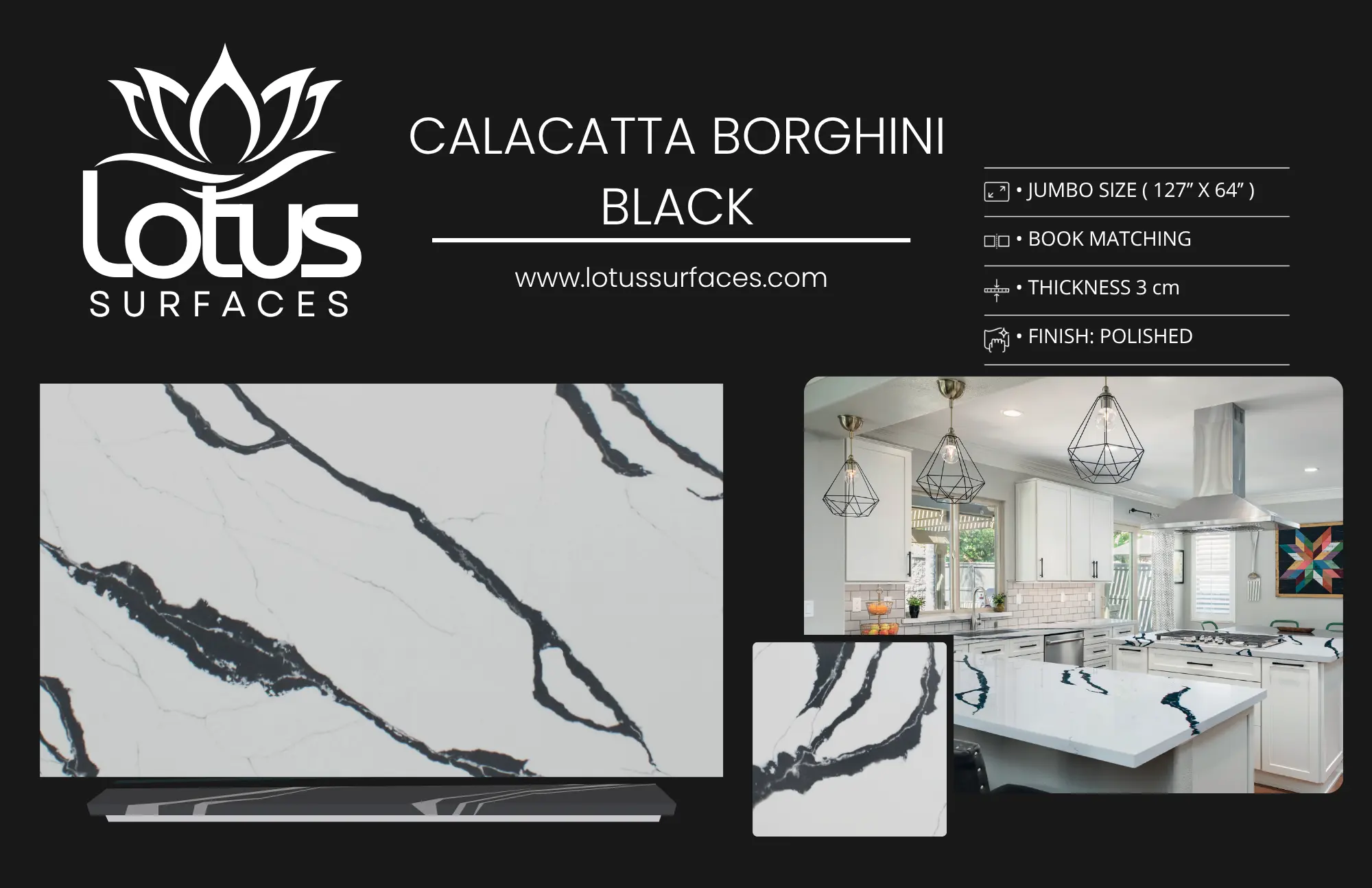
The Complete Guide to Recycled Glass Countertops vs. Quartz and Granite
When it comes to selecting the perfect countertop material for your kitchen or bathroom, the choices can be overwhelming. Among the most popular options are recycled glass countertops, quartz, and granite. Each material offers unique benefits, aesthetics, and challenges. In this comprehensive guide, we will dive deep into the characteristics of recycled glass countertops compared to quartz and granite to help you make an informed decision for your home. By the end of this article, you will have a clear understanding of the advantages and disadvantages of each material, along with practical tips for selecting the best option for your renovation project.
1. Overview of Countertop Materials
In the world of kitchen and bathroom design, countertops play a pivotal role in both functionality and aesthetics. Homeowners in Norcross, Atlanta, and surrounding areas are increasingly looking for materials that not only enhance their space but also align with their values, such as sustainability. This has led to a rise in the popularity of recycled glass countertops, alongside traditional choices like quartz and granite. Understanding the nuances of these materials can help you choose the best option for your renovation project.
2. What Are Recycled Glass Countertops?
Recycled glass countertops are made from crushed glass pieces that are combined with a resin binder. This innovative material is not only environmentally friendly but also offers a stunning visual appeal with a variety of colors and textures. Each slab is unique, showcasing a blend of glass fragments that can include everything from bottles to glass tiles. The process of creating recycled glass countertops involves collecting, cleaning, and processing the glass before mixing it with resin and pouring it into molds.
3. Benefits of Recycled Glass Countertops
Recycled glass countertops offer numerous benefits, making them an attractive option for eco-conscious homeowners:
- Eco-Friendly: Utilizing recycled materials significantly reduces waste and minimizes the environmental impact of countertop production.
- Unique Aesthetic: The variety of colors and styles available allows homeowners to create custom designs that fit their personal style.
- Durability: When properly sealed, recycled glass countertops are resistant to scratches, stains, and heat, making them suitable for busy kitchens.
- Low Maintenance: These countertops require minimal upkeep, primarily needing regular cleaning with mild soap and water.
4. Quartz Countertops Explained
Quartz countertops, often referred to as engineered stone, are composed of approximately 90-95% crushed natural quartz crystals mixed with resins and pigments. This combination results in a non-porous surface that is highly durable and available in a vast range of colors and patterns. Unlike natural stones, quartz countertops are uniform in appearance, making them a popular choice for modern kitchens.
5. Advantages of Quartz Countertops
Quartz countertops come with a host of benefits that make them a top choice among homeowners:
- Durability: Quartz is one of the hardest materials available, offering excellent resistance to scratches and dents.
- Non-Porous Surface: This feature prevents the absorption of liquids, making quartz countertops highly resistant to stains and bacteria.
- Variety: With countless colors and designs available, quartz can easily match any kitchen or bathroom aesthetic.
- Easy Maintenance: Cleaning quartz is simple, requiring only soap and water to keep it looking new.
6. Granite Countertops Overview
Granite countertops are a natural stone option that has been a staple in kitchens and bathrooms for decades. Each slab is unique, showcasing the natural beauty and variations of the stone. Granite is mined from quarries, cut into slabs, and polished for installation. It’s known for its strength and durability, making it a popular choice for high-traffic areas.
7. Benefits of Granite Countertops
Granite countertops offer a range of advantages, including:
- Natural Beauty: The unique patterns and colors of granite add a luxurious touch to any space.
- Heat Resistance: Granite can withstand high temperatures, making it ideal for kitchens.
- Longevity: With proper care, granite countertops can last a lifetime, making them a worthwhile investment.
- Value Addition: Installing granite countertops can increase the resale value of your home.
8. Recycled Glass vs. Quartz vs. Granite: A Comparison
| Feature | Recycled Glass | Quartz | Granite |
|---|---|---|---|
| Eco-Friendliness | High | Moderate | Low |
| Durability | High | Very High | High |
| Maintenance | Low | Very Low | Moderate |
| Unique Appearance | High | Moderate | High |
| Heat Resistance | Moderate | High | Very High |
| Cost | Moderate | High | Moderate to High |
9. Expert Tips for Choosing the Right Countertop
Here are some additional tips for making the right choice:
- Assess Your Style: Choose a countertop that complements your overall design vision.
- Consider Maintenance: Think about how much time you are willing to spend on upkeep.
- Get Samples: Request samples of materials to see how they look in your space before making a decision.
- Consult Professionals: Talk to experts at Lotus Surfaces for personalized advice on material selection and installation.
10. Conclusion
Choosing the right countertop material for your home renovation is a significant decision that can impact both the functionality and aesthetics of your space. Recycled glass countertops offer a sustainable and unique option, while quartz and granite provide durability and timeless beauty. By understanding the characteristics of each material and considering your personal preferences, you can make an informed choice that suits your lifestyle and enhances your home.
11. Frequently Asked Questions (FAQs)
1. Are recycled glass countertops durable?
Yes, when properly sealed, recycled glass countertops are quite durable and resistant to scratches and stains.
2. How do quartz countertops compare to granite?
Quartz countertops are engineered and non-porous, making them more resistant to stains, while granite is a natural stone that offers unique patterns and heat resistance.
3. What is the maintenance like for recycled glass countertops?
Maintenance is minimal, requiring regular cleaning with mild soap and water.
4. Can I use recycled glass countertops outdoors?
While some recycled glass countertops are suitable for outdoor use, it’s essential to check with the manufacturer for specific recommendations.
5. Do quartz countertops require sealing?
No, quartz countertops are non-porous and do not require sealing, unlike granite.
6. What is the price range for recycled glass countertops?
The cost can vary widely, typically ranging from $50 to $100 per square foot, depending on the design and manufacturer.
7. Are granite countertops environmentally friendly?
Granite is a natural material, but the quarrying process can have environmental impacts. Recycled glass is generally considered more eco-friendly.
8. How can I ensure a flawless installation of my countertop?
Working with experienced professionals, like the team at Lotus Surfaces, can ensure accurate measurements and a perfect installation.
