
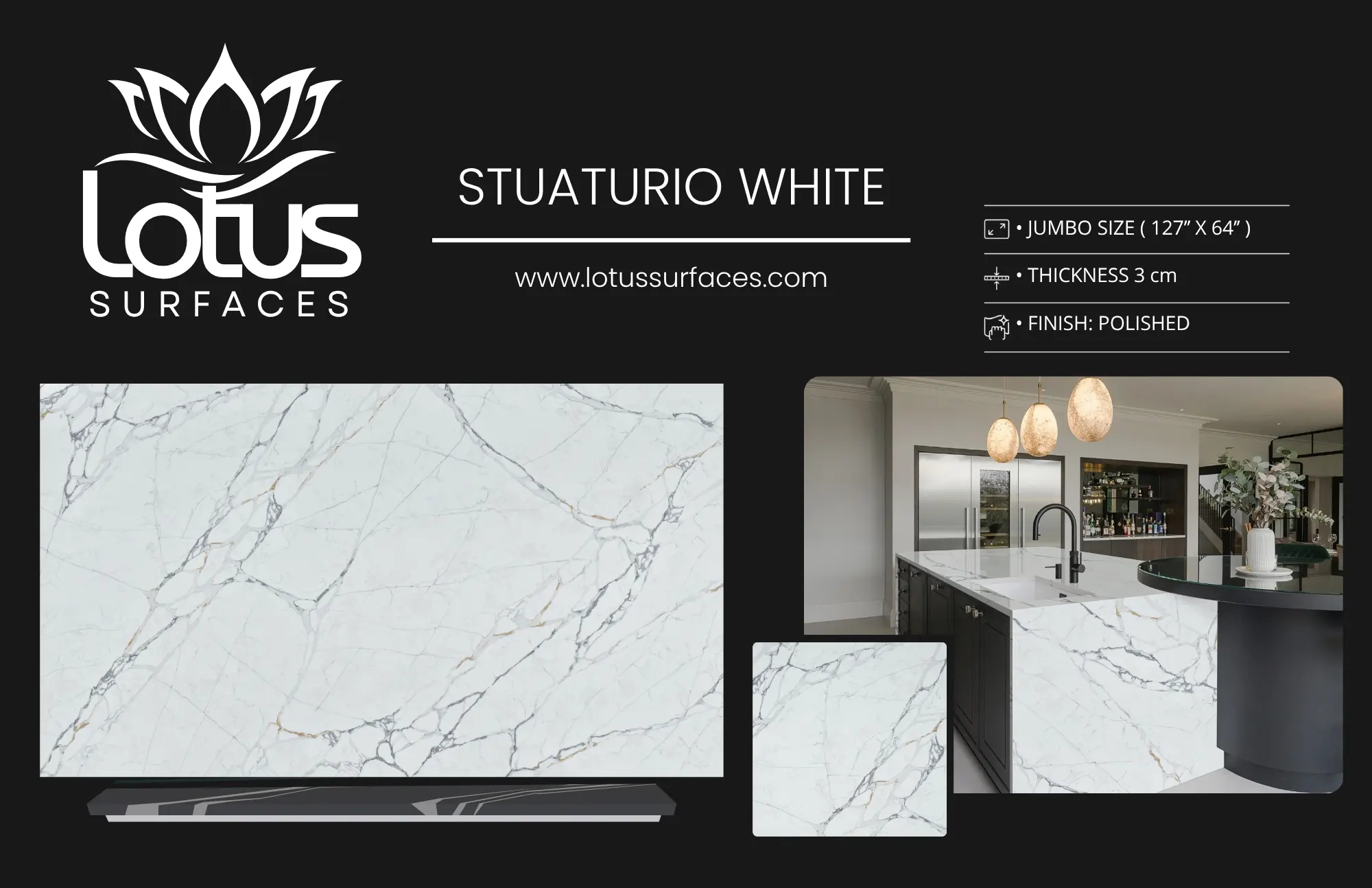
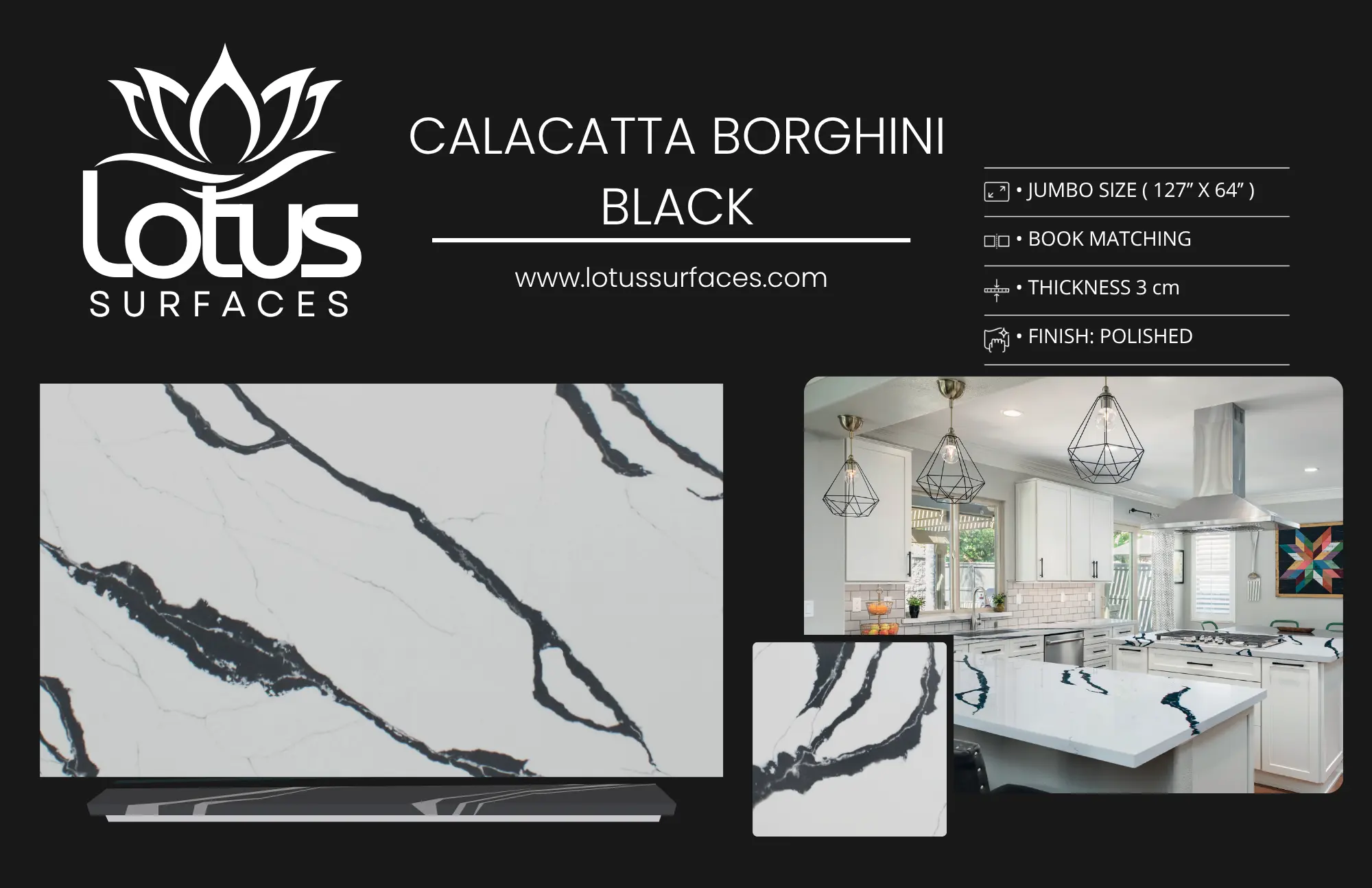
The Complete Guide to Monochromatic Kitchen Designs with Matching Countertops and Cabinets
In the realm of modern kitchen design, monochromatic schemes have emerged as a timeless trend that seamlessly blends beauty, functionality, and elegance. This complete guide to monochromatic kitchen designs will explore how matching countertops and cabinets can enhance your kitchen’s aesthetic while providing practical benefits. Whether you’re a homeowner in Norcross, GA, planning a renovation, or simply looking for design inspiration, this article is tailored to help you make informed decisions about your kitchen space.
Monochromatic design is characterized by the use of a single color in varying shades, tones, or tints, creating a cohesive and harmonious look. This approach not only simplifies the design process but also allows homeowners to showcase their personal style through carefully selected materials and finishes. In this guide, we will delve into the key elements of monochromatic kitchen designs, the advantages of matching countertops and cabinets, and expert tips to achieve the perfect balance in your kitchen.
What is Monochromatic Design?
Monochromatic design refers to a style that utilizes variations of a single color to create a unified aesthetic. This design approach can involve different shades, tints, and tones of the chosen color, allowing for depth and dimension without overwhelming the space. In a kitchen setting, monochromatic designs can range from sleek modern aesthetics to warm and inviting traditional looks.
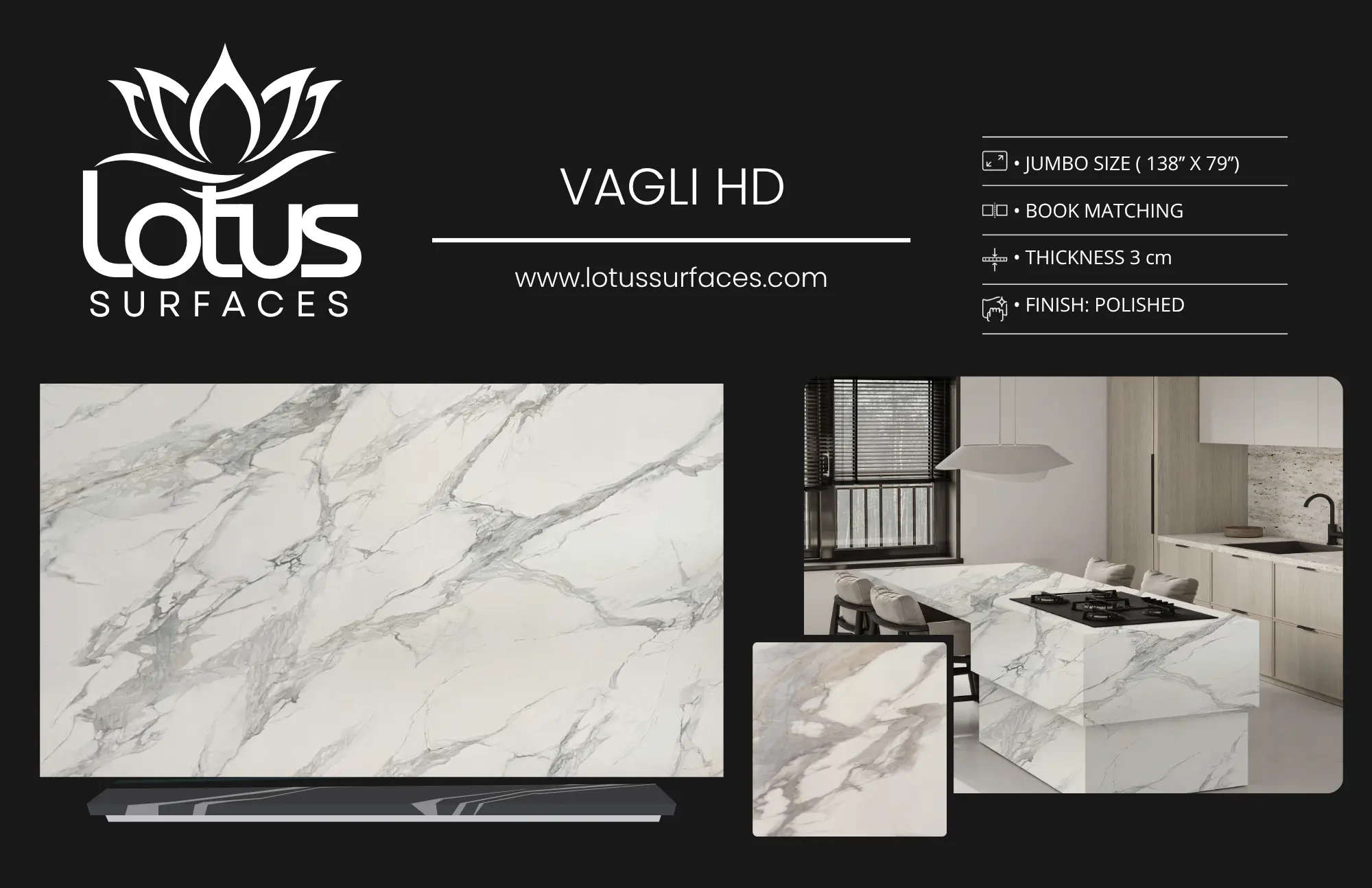
For example, a monochromatic kitchen featuring various shades of grey can evoke a sense of sophistication and elegance. When combined with complementary materials such as quartz countertops or granite, these designs can elevate the overall appearance of the kitchen while maintaining a cohesive look.
Advantages of Monochromatic Kitchens
Choosing a monochromatic design for your kitchen comes with several advantages:
- Visual Harmony: A monochromatic scheme creates a visually pleasing environment, as all elements work together seamlessly.
- Enhances Space Perception: Using a single color can make a small kitchen feel more spacious, as it eliminates visual clutter.
- Flexibility: Monochromatic designs allow for easy updates and modifications. You can switch out accessories or add new elements without altering the overall aesthetic.
- Timeless Appeal: Monochromatic kitchens remain stylish over time, as they are not tied to fleeting design trends.
- Easy Design Decisions: Simplifying color choices can streamline the design process, making it easier for homeowners to select materials and finishes.
Choosing the Right Colors for Your Kitchen
Selecting the right color for your monochromatic kitchen is crucial for achieving the desired atmosphere. Here are some expert tips to guide your decision:
- Consider Your Space: Assess the size and natural light of your kitchen. Lighter colors can make a small space feel larger, while darker shades can create a cozy ambiance.
- Think About Your Style: Your personal style should influence your color choice. Do you prefer a modern, minimalist look or a warm, traditional feel?
- Test Samples: Always test paint samples and material samples in your kitchen to see how they look at different times of the day.
- Use a Color Wheel: A color wheel can help you identify complementary shades and tones for your chosen primary color.
Matching Countertops and Cabinets
One of the defining features of a successful monochromatic kitchen design is the harmony between countertops and cabinets. Here are some considerations for matching these elements:
1. Material Selection
Choosing the right materials is essential for both aesthetics and functionality. Popular materials for countertops include:
- Quartz: Known for its durability and versatility, quartz countertops come in a wide range of colors, making them ideal for monochromatic designs.
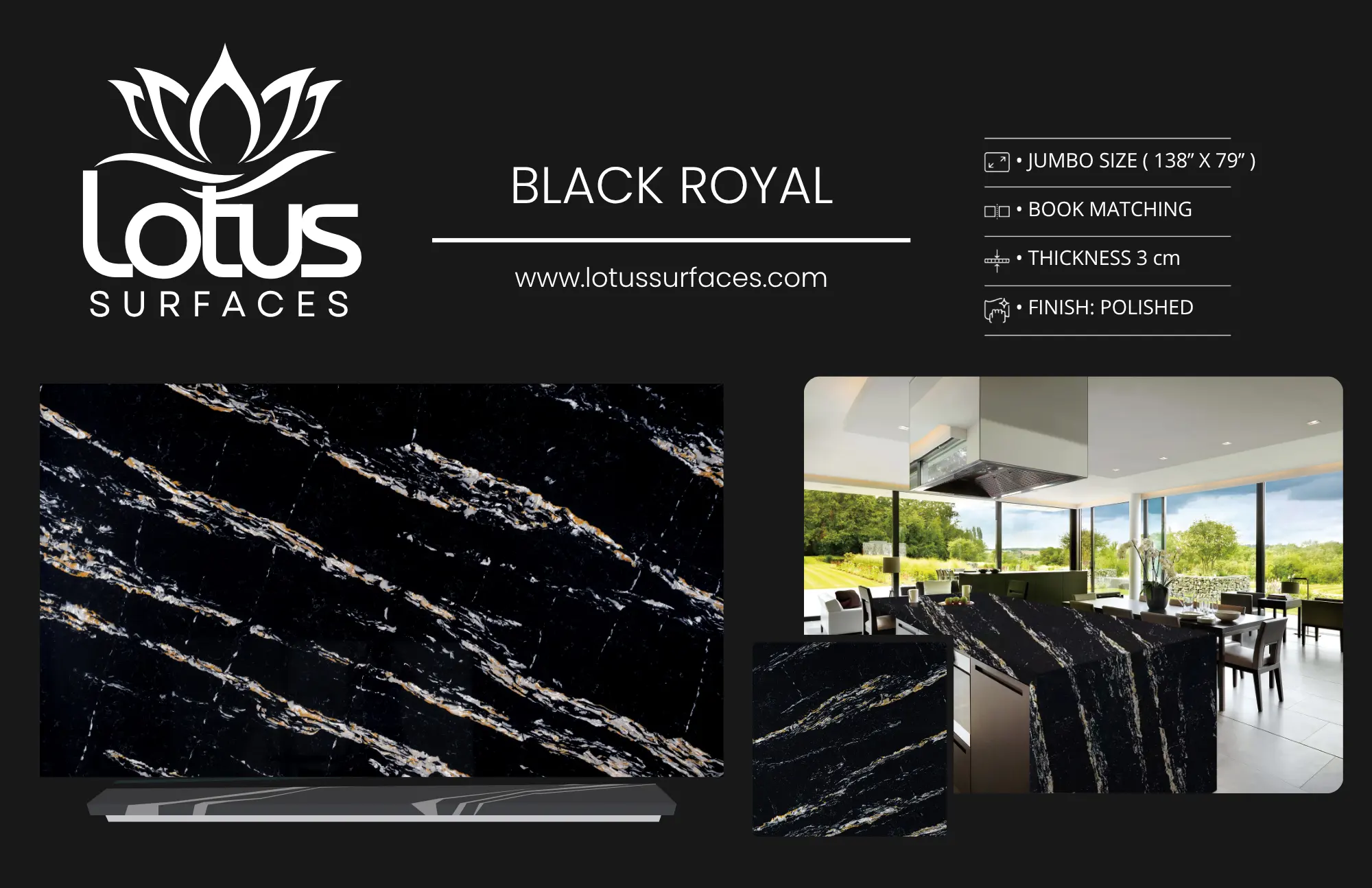
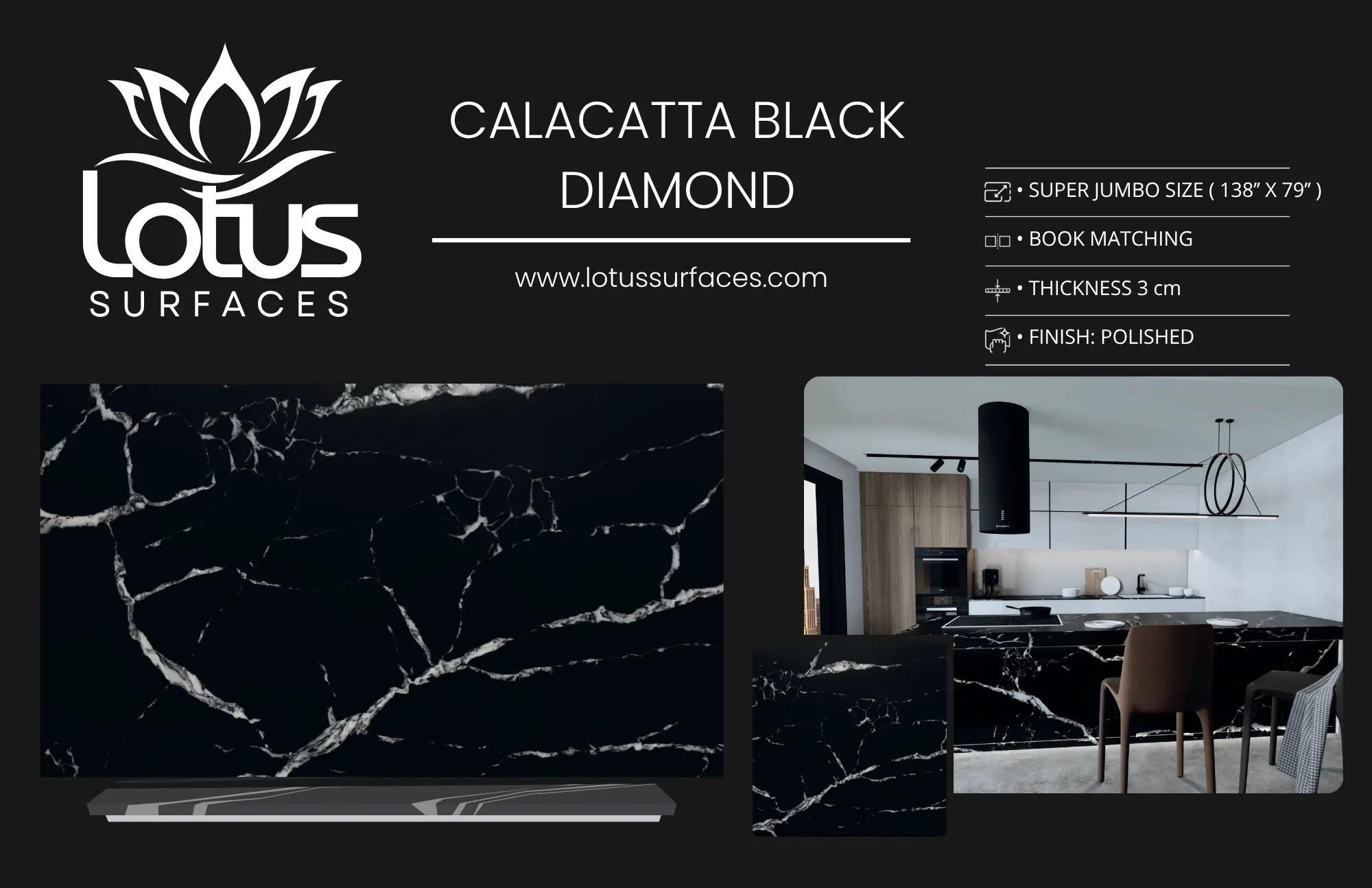
- Granite: This natural stone offers unique patterns and colors, providing a luxurious feel to your kitchen. Granite can be polished to enhance its natural beauty.
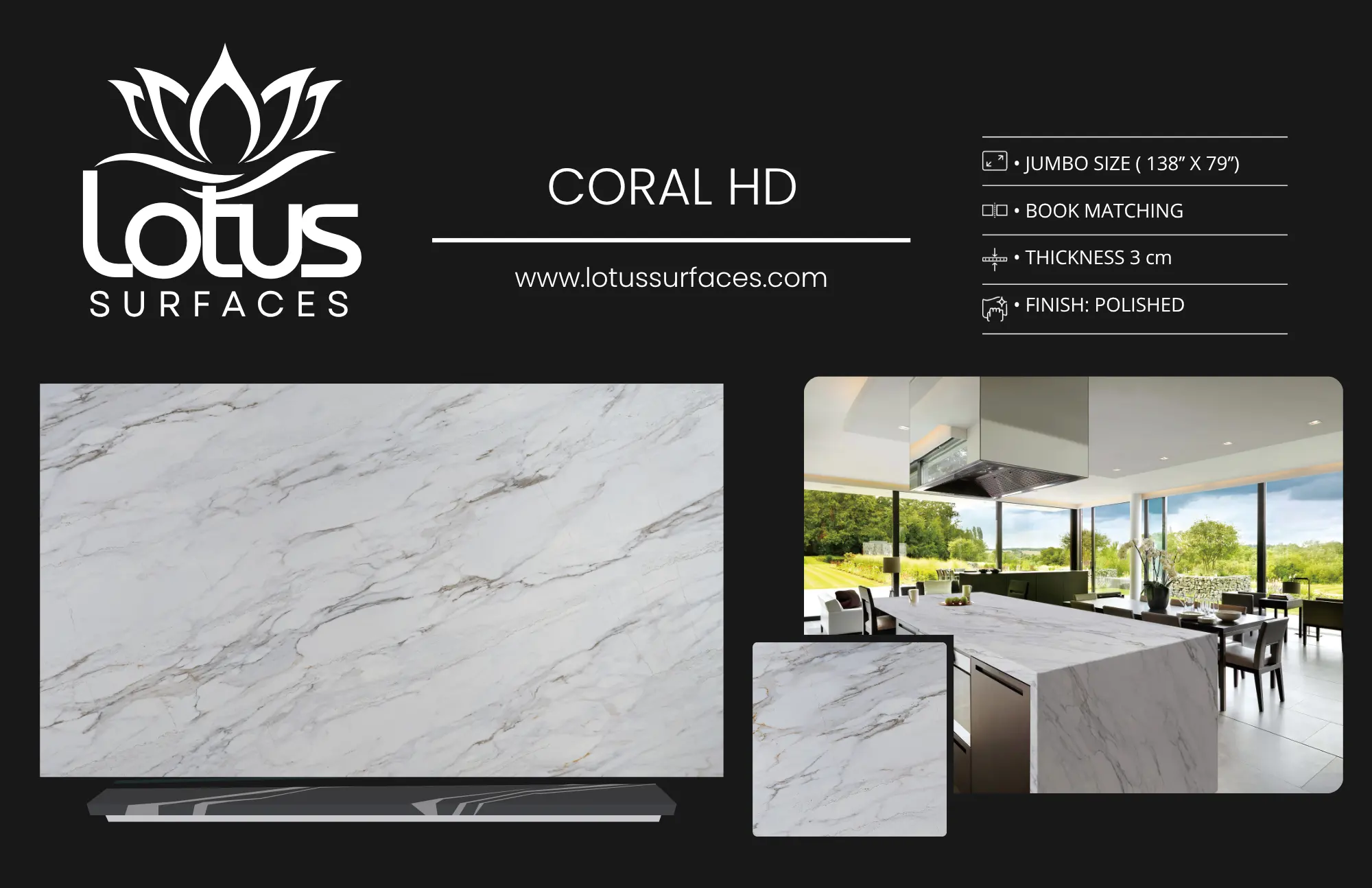
- Porcelain: An increasingly popular choice, porcelain countertops can mimic the look of natural stone while being more resistant to scratches and stains.
2. Color Coordination
When matching countertops and cabinets, aim for a cohesive color palette. For example:
| Countertop Color | Cabinet Color | Design Style |
|---|---|---|
| White Quartz | Soft Grey | Modern Minimalist |
| Dark Granite | Charcoal | Industrial Chic |
| Beige Porcelain | Cream | Traditional Warmth |
3. Texture and Finish
Incorporating different textures and finishes can add depth to your monochromatic design. For instance, pairing matte cabinetry with glossy countertops can create visual interest while maintaining a cohesive color scheme.
Design Tips for Monochromatic Kitchens
To maximize the impact of your monochromatic kitchen design, consider these expert tips:
1. Layering Shades
Layering different shades of your chosen color can create depth. For example, if you choose blue, consider incorporating navy cabinets with lighter blue countertops.
2. Accent Elements
Introduce accent elements such as hardware, backsplash tiles, or decorative accessories in a complementary shade to break up the monochrome and add personality.
3. Functional Layout
Ensure your kitchen layout promotes functionality. The arrangement of cabinets and countertops should facilitate ease of movement and workflow.
Materials and Finishes for Monochromatic Designs
When selecting materials for your monochromatic kitchen, consider the following:
- Countertops: Choose durable materials like quartz, granite, or porcelain that align with your color scheme.
- Cabinets: Opt for high-quality finishes that complement your chosen color. Matte finishes may suit a modern look, while glossy finishes can enhance a classic aesthetic.
- Backsplashes: Use textured tiles or patterned materials to add visual interest without deviating from the monochromatic theme.
Maintenance and Care for Your Kitchen
Maintaining a monochromatic kitchen requires attention to both countertops and cabinets. Here are some essential care tips:
- Regular Cleaning: Use gentle, non-abrasive cleaners for your countertops and cabinets to maintain their appearance.
- Protective Sealants: Apply sealants to porous materials like granite to prevent stains and damage.
- Routine Inspections: Regularly check for damage or wear, especially in high-traffic areas, to ensure your kitchen remains in excellent condition.
FAQ
What colors work best for a monochromatic kitchen?
Neutral colors such as white, grey, and beige are popular choices, but bold colors like navy or emerald green can also create stunning monochromatic designs.
How do I choose countertops that match my cabinets?
Consider the color palette, material, and finish of both elements. Aim for complementary shades or textures that enhance visual harmony.
Are monochromatic kitchens more expensive to design?
The cost of a monochromatic kitchen depends on material choices and the complexity of the design. However, a cohesive color scheme can simplify decision-making, potentially reducing costs.
Can I mix materials in a monochromatic kitchen?
Yes, mixing materials is encouraged. Just ensure they align with your chosen color palette to maintain a cohesive look.
How do I add contrast to a monochromatic kitchen?
Introduce contrasting elements through accents like hardware, backsplash tiles, or decorative items that complement your primary color.
What are the benefits of using quartz countertops?
Quartz countertops are durable, non-porous, and available in a wide range of colors, making them ideal for monochromatic designs.
How can I make a small monochromatic kitchen feel larger?
Use lighter shades and incorporate mirrors or reflective surfaces to create an illusion of space.
What maintenance is required for granite countertops?
Granite countertops require regular sealing and gentle cleaning to maintain their appearance and prevent damage.
