
The Complete Guide to UV-Resistant Countertop Materials for Sun-Exposed Applications
When it comes to choosing countertops for sun-exposed areas, UV resistance is a crucial factor that homeowners must consider. UV rays can cause fading, discoloration, and deterioration of many countertop materials, making it essential to select options that can withstand the relentless Georgia sun. In this comprehensive guide, we will explore various UV-resistant countertop materials, their benefits, and practical applications, ensuring that your outdoor or brightly lit indoor spaces maintain their beauty and functionality for years to come.
Understanding UV Resistance in Countertops
UV resistance refers to a material’s ability to withstand ultraviolet radiation without suffering damage, fading, or deterioration. In sun-exposed applications, such as outdoor kitchens, patios, or brightly lit interiors, selecting countertops that offer UV resistance is essential to maintain aesthetic appeal and durability. The right materials can protect your investment and ensure longevity.
UV rays can break down the chemical bonds in many materials, leading to discoloration, warping, and cracking. Therefore, when considering countertop materials, it’s essential to understand how different substances react to UV exposure. For example, natural stones like granite can be more resistant to fading compared to laminate or certain types of quartz.
Top UV-Resistant Countertop Materials
Let’s delve into some of the most popular UV-resistant countertop materials suitable for sun-exposed applications:
1. Quartz
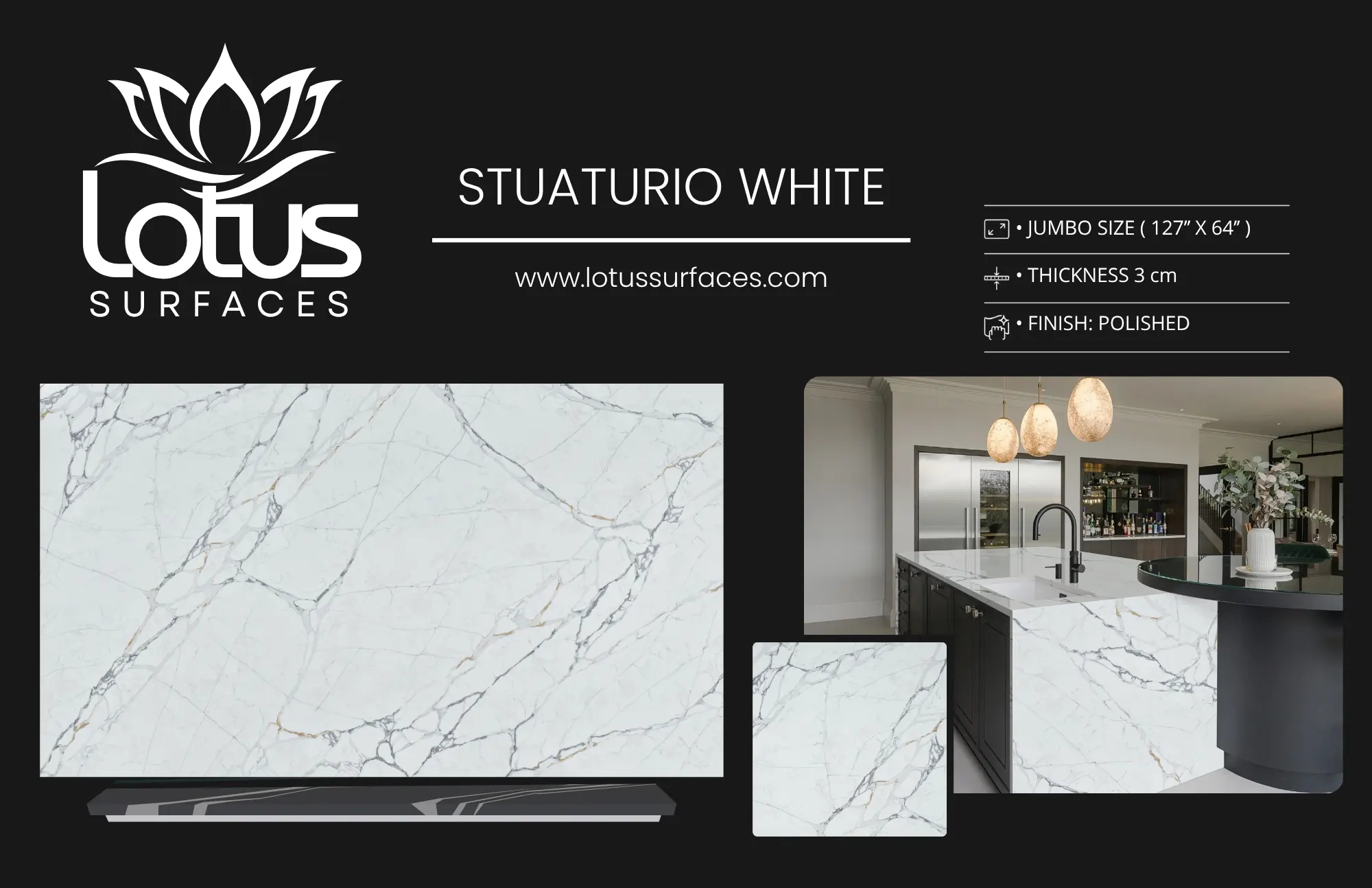
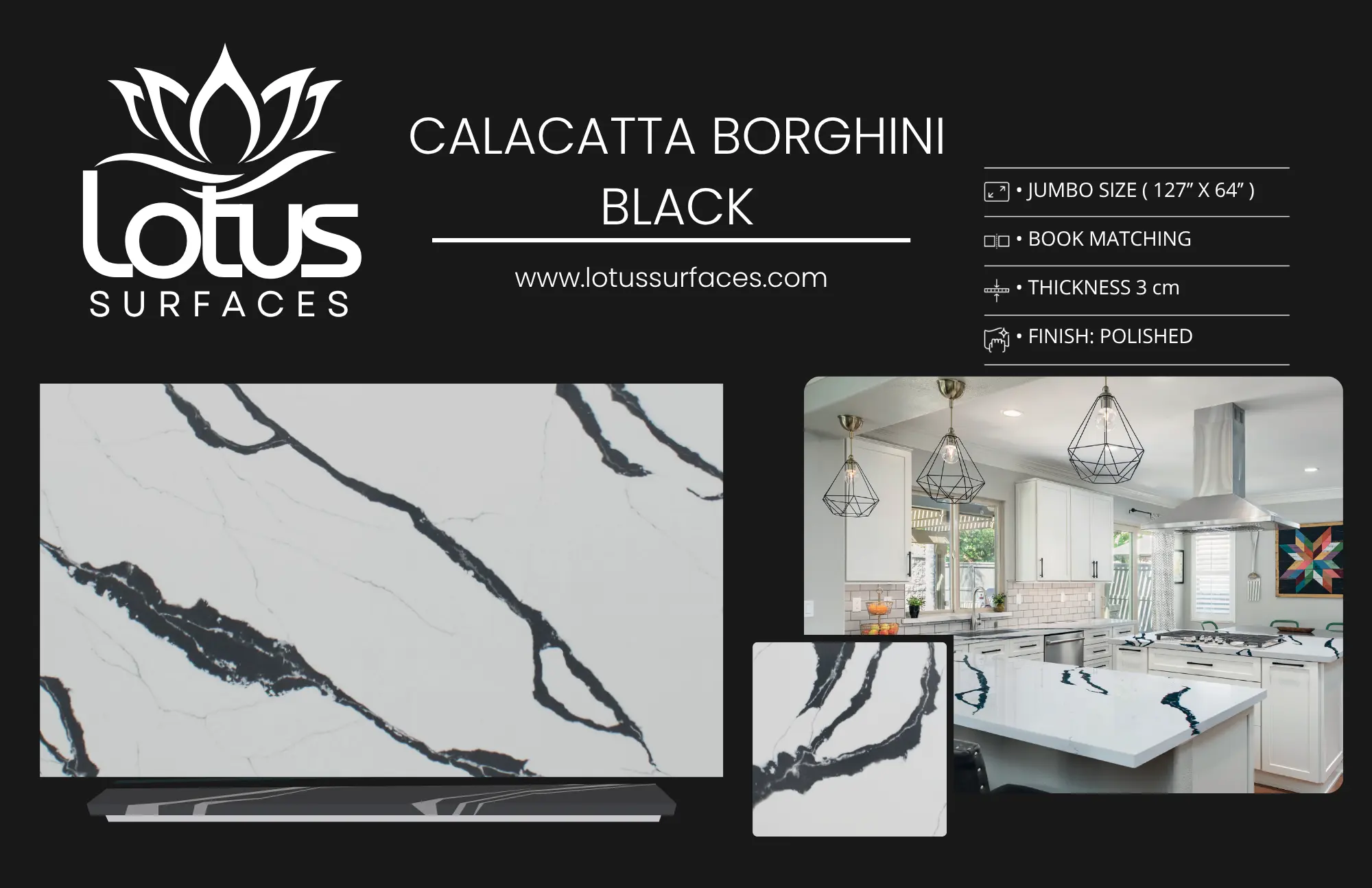
Engineered quartz countertops are made from 90-95% crushed natural stone mixed with resins, making them highly resistant to UV rays. They come in a wide variety of colors and patterns, providing flexibility in design while ensuring durability. UV-resistant quartz counters are ideal for outdoor kitchens and areas with heavy sunlight exposure.
2. Granite
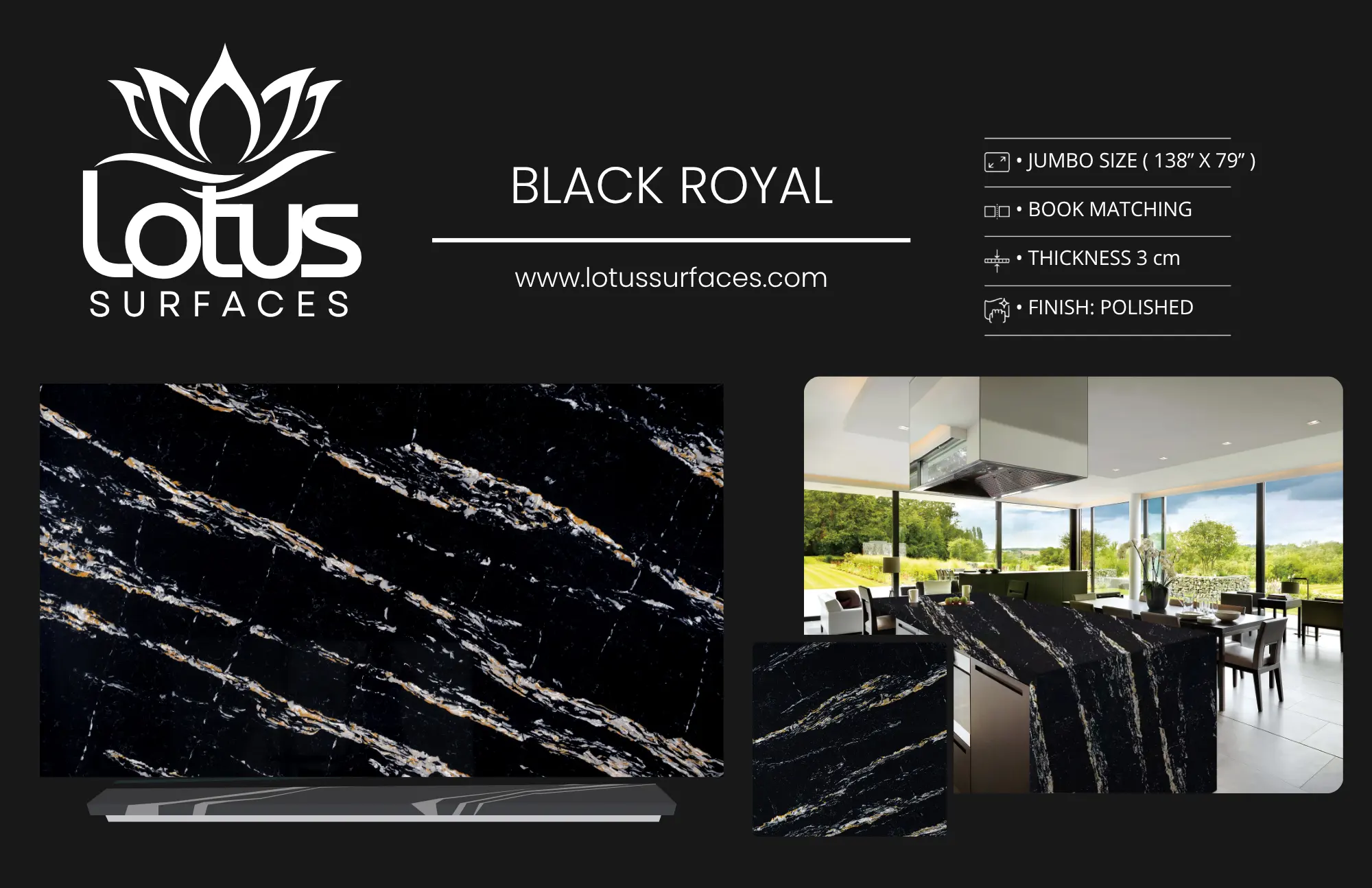
Granite is a natural stone known for its exceptional durability and resistance to UV rays. Its natural composition allows it to withstand high temperatures and sunlight without fading. Granite countertops can be an excellent choice for outdoor applications, provided they are sealed correctly to prevent moisture absorption.
3. Porcelain
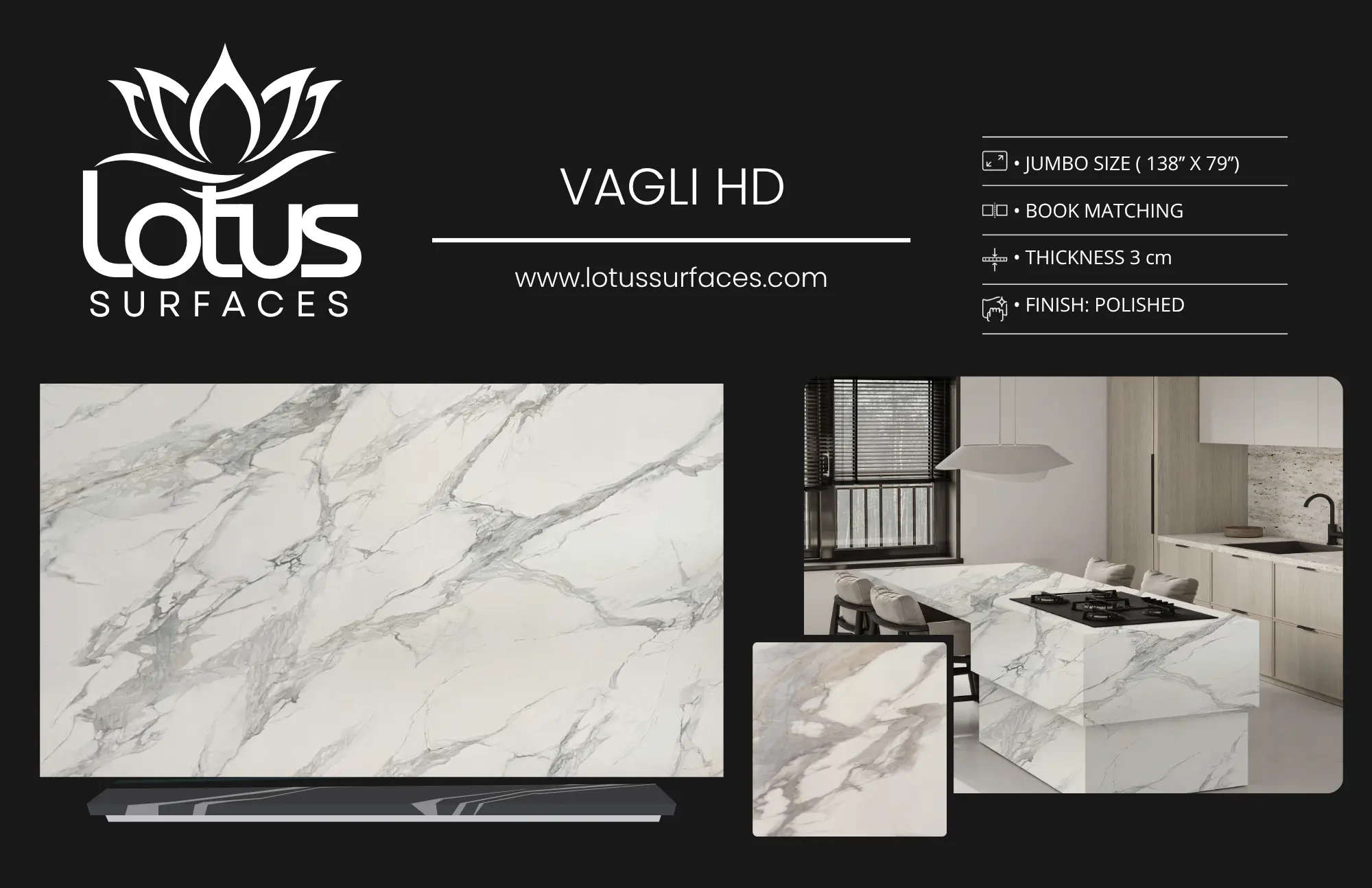
Porcelain countertops are made from clay that is fired at high temperatures, resulting in a dense and durable material. They are inherently UV-resistant and available in various designs, mimicking natural stone or wood. Porcelain is resistant to scratching and staining, making it suitable for outdoor use.
4. Solid Surface
Solid surface countertops, made from acrylic or polyester resins, are non-porous and can resist UV rays effectively. They are easy to maintain and can be seamlessly integrated, allowing for a clean aesthetic. However, they may not be as heat-resistant as stone options, so caution is advised when placing hot items.
5. Concrete
When properly sealed, concrete countertops can be UV-resistant and highly customizable. They can be stained or tinted to achieve various colors and finishes, making them a popular choice for modern designs. Concrete is durable but requires regular maintenance to prevent cracking and fading.
6. Recycled Glass
Recycled glass countertops are made from crushed glass mixed with resins, providing a unique and colorful option. These surfaces are UV-resistant and environmentally friendly, making them an attractive choice for sustainable homeowners.
Comparative Analysis of Countertop Materials
| Material | UV Resistance | Durability | Maintenance | Cost |
|---|---|---|---|---|
| Quartz | High | High | Low | $$$ |
| Granite | High | Very High | Medium | $$$ |
| Porcelain | High | High | Low | $$ |
| Solid Surface | Medium | Medium | Low | $$ |
| Concrete | Medium | High | Medium | $$ |
| Recycled Glass | High | Medium | Medium | $$$ |
This comparison table highlights the significant differences between various countertop materials in terms of UV resistance, durability, maintenance, and cost. Homeowners should consider these factors when selecting the right countertop for their needs.
Choosing the Right UV-Resistant Countertop
When selecting a UV-resistant countertop, consider the following factors:
- Location: Determine whether the countertop will be used indoors or outdoors, as this will affect your choice of material.
- Style: Choose a countertop that complements your overall design aesthetic. For example, quartz offers versatility, while granite provides a more traditional look.
- Budget: Establish a budget and explore materials within that range. Consider the long-term value of investing in durable options.
- Maintenance: Evaluate how much maintenance you are willing to commit to. Some materials require more upkeep than others.
- Expert Consultation: Consulting with professionals can help you make informed decisions based on your specific needs and the local climate.
Installation and Maintenance Tips
Proper installation and maintenance are critical for maximizing the lifespan and appearance of your UV-resistant countertops:
Installation Tips
- Ensure a level surface for installation to avoid cracking or uneven wear.
- Use professional installers familiar with the material to guarantee proper handling and fitting.
- Consider the use of UV-resistant sealants, especially for natural stone options like granite and concrete.
Maintenance Tips
- Regularly clean countertops with a mild soap and water solution to prevent staining and maintain appearance.
- Avoid harsh chemicals that may damage the surface or affect its UV resistance.
- Reapply sealants as recommended by the manufacturer to protect against UV damage.
Frequently Asked Questions
What are UV-resistant countertops?
UV-resistant countertops are materials designed to withstand ultraviolet radiation without fading or deteriorating. They are ideal for sun-exposed applications.
Which countertop materials are best for outdoor use?
Granite, quartz, porcelain, and concrete are among the best countertop materials for outdoor use due to their UV resistance and durability.
Do I need to seal my granite countertops?
Yes, sealing granite countertops is recommended to protect against moisture and UV damage. Regular maintenance will help preserve their appearance.
How does UV exposure affect countertop materials?
UV exposure can lead to fading, discoloration, and deterioration of many materials. Choosing UV-resistant options can mitigate these issues.
Are solid surface countertops UV resistant?
Solid surface countertops offer moderate UV resistance but may not be as durable as stone options. They should be used with caution in high-sunlight areas.
Can I use any countertop material outdoors?
Not all countertop materials are suitable for outdoor use. It’s essential to select materials specifically designed to withstand UV exposure.
How do I maintain my UV-resistant countertops?
Regular cleaning with mild soap, avoiding harsh chemicals, and reapplying sealants as needed will help maintain UV-resistant countertops.
Where can I find UV-resistant countertops in Atlanta?
Lotus Surfaces offers a wide selection of UV-resistant countertops, including quartz and granite, ideal for sun-exposed applications. Contact us for a personalized consultation.
