
Why Every Kitchen Island Design Decision Starts with the Countertop Material
When it comes to kitchen design, the kitchen island stands as a centerpiece that combines functionality, style, and comfort. However, the success of any kitchen island design is heavily influenced by the choice of countertop material. Whether you envision a sleek quartz surface or the timeless elegance of granite, your countertop material not only impacts the aesthetic appeal of your space but also its practicality and durability. In this comprehensive guide, we will explore why every kitchen island design decision starts with the countertop material, offering insights that can help homeowners in Norcross, Atlanta, and beyond make informed choices.
Understanding Kitchen Islands and Their Importance
Kitchen islands have evolved from mere culinary workspaces to multifunctional hubs that serve as gathering spots, meal prep areas, and even additional storage solutions. They enhance the flow of the kitchen, making it easier for families to interact, and they provide a space for entertaining guests. According to the National Kitchen & Bath Association (NKBA), 70% of homeowners consider a kitchen island as a must-have in their remodeling projects.(source) This trend underscores the importance of thoughtful design, particularly when it comes to selecting the right countertop material.
The Role of Countertop Materials in Kitchen Design
Countertop materials play a critical role in kitchen design for several reasons:
- Aesthetic Appeal: The right material can enhance the overall look of your kitchen, contributing to its style and ambiance.
- Durability: Countertops must withstand daily wear and tear, including scratches, heat, and spills.
- Functionality: Some materials are better suited for specific tasks, such as food preparation or serving.
- Maintenance: Different materials require varying levels of care and upkeep, which is essential for busy households.
Given these factors, it becomes clear that the countertop material should be the first decision made when designing your kitchen island. Selecting the right material will influence your choices in cabinetry, appliances, and flooring.
Popular Countertop Materials for Kitchen Islands
Here’s a closer look at the most popular countertop materials, their benefits, and potential drawbacks:
| Material | Pros | Cons |
|---|---|---|
| Quartz | Non-porous, low maintenance, wide range of colors | Can be expensive, not heat resistant |
| Granite | Highly durable, heat resistant, unique patterns | Requires sealing, can be heavy |
| Porcelain | Stain resistant, versatile design options | Can chip or crack under heavy impact |
| Wood | Warm, natural look, easy to repair | Requires regular maintenance, can be damaged by water |
| Marble | Elegant appearance, cool surface for baking | Prone to scratching and staining |
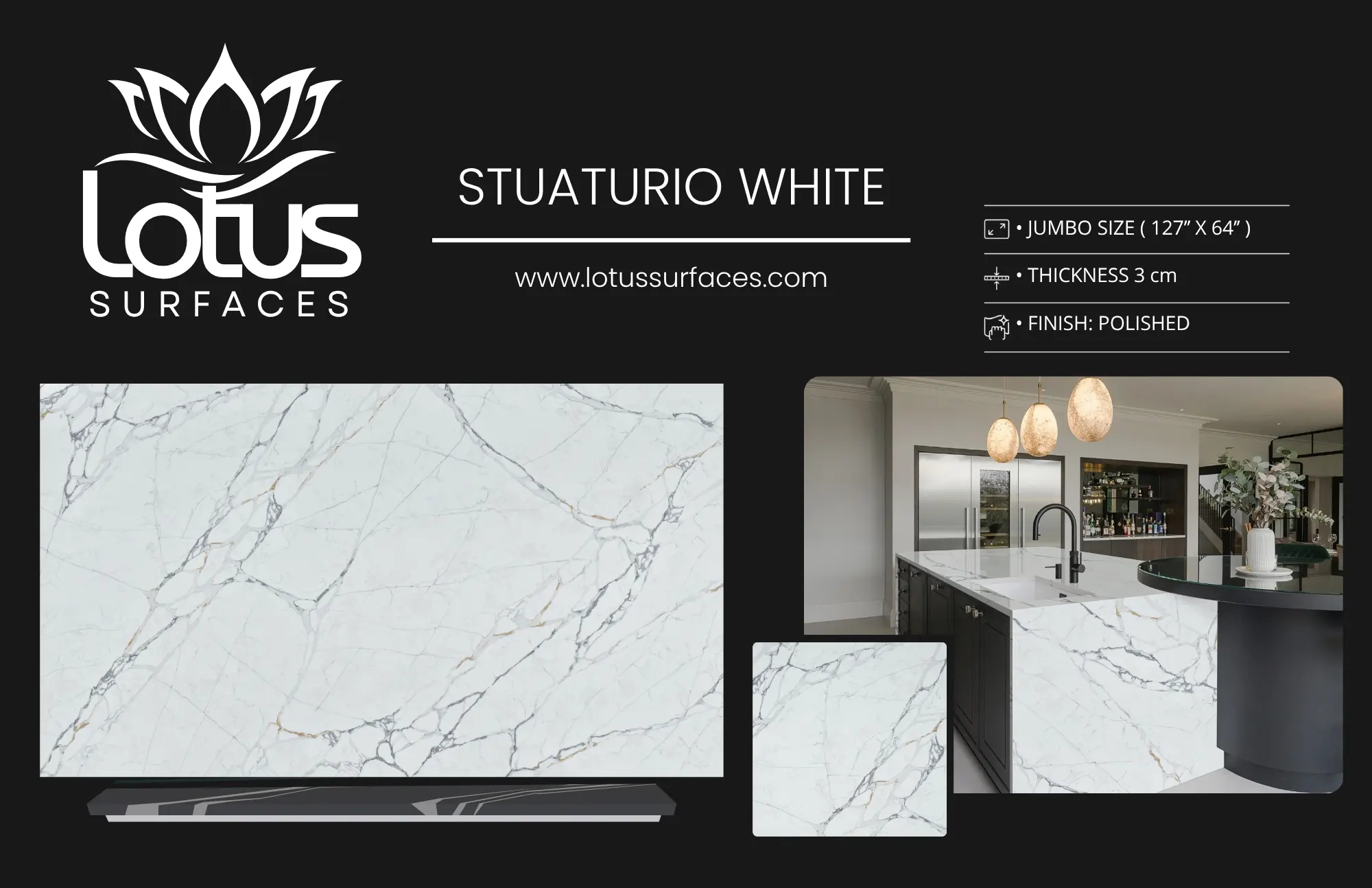
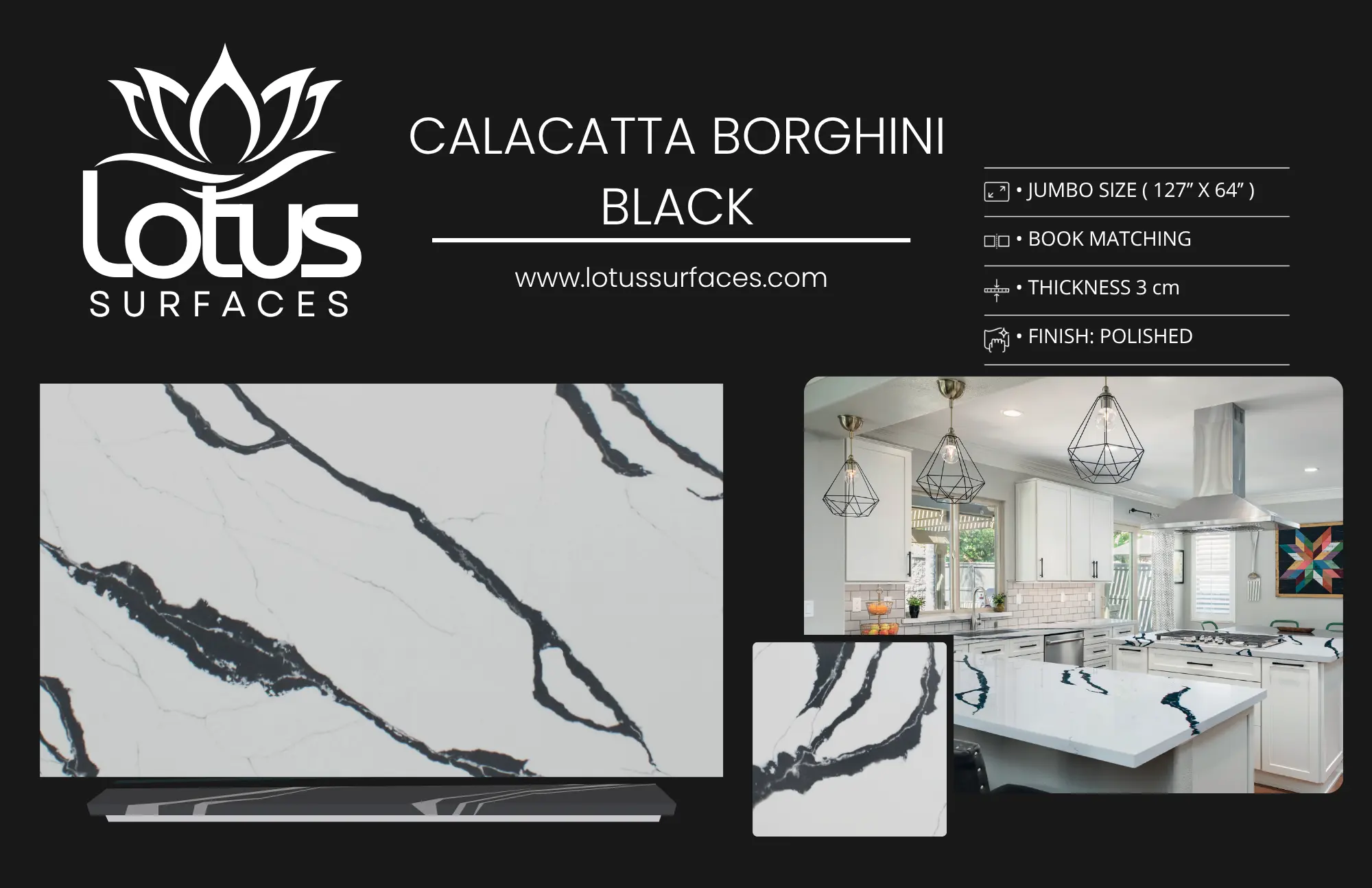
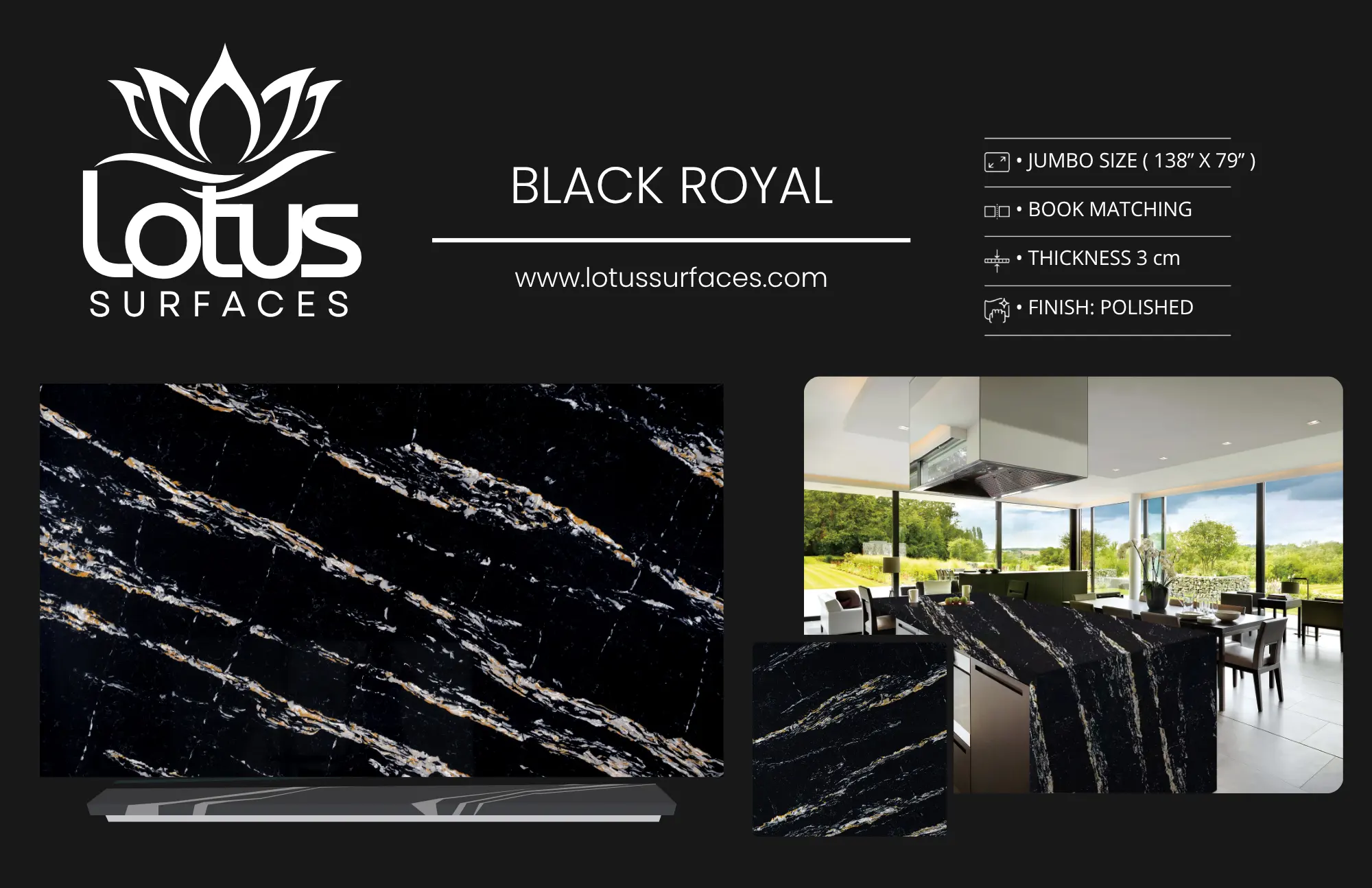
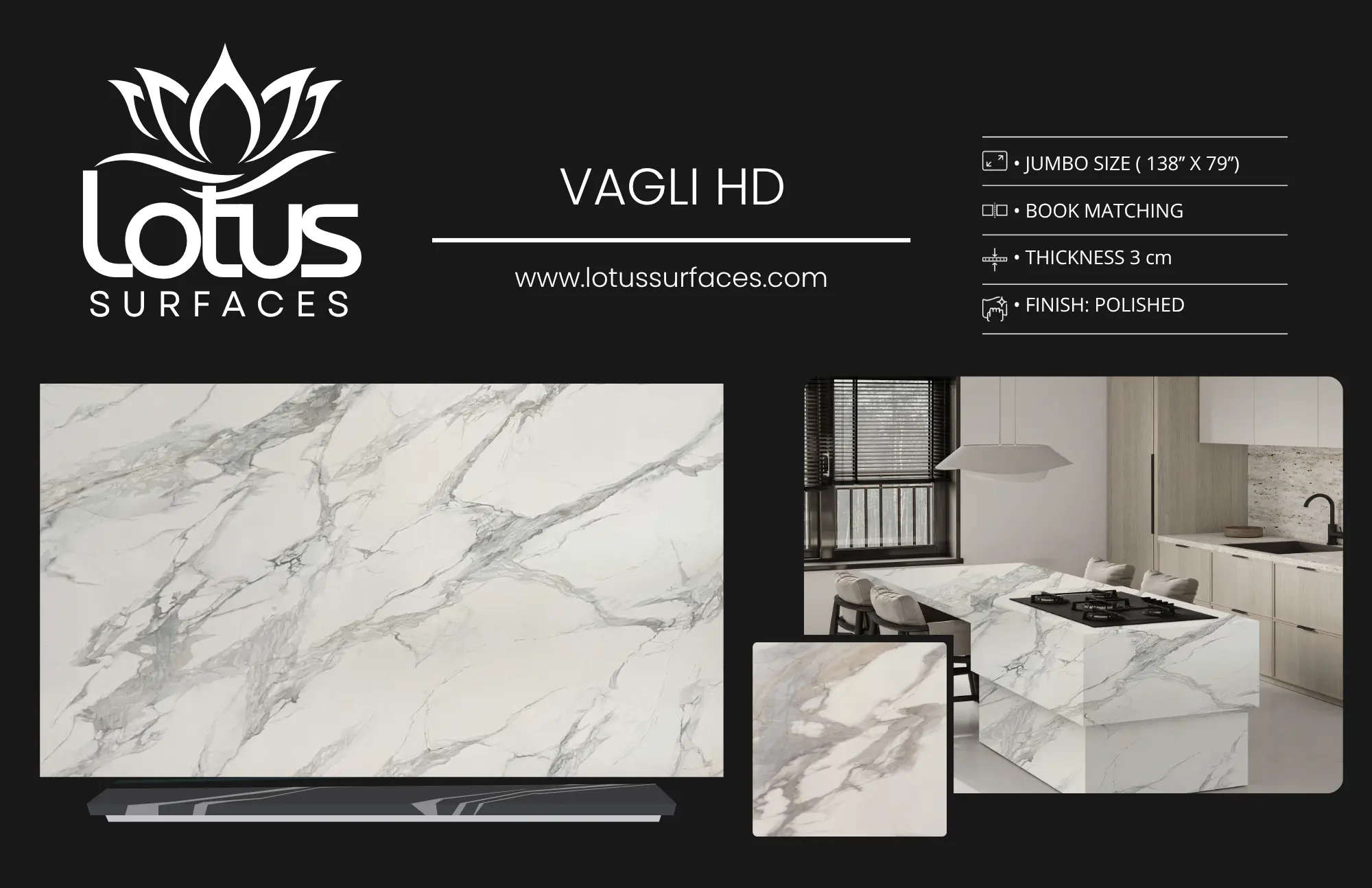
In Norcross and the Greater Atlanta area, homeowners frequently opt for quartz and granite countertops, thanks to their durability and aesthetic appeal. For instance, the quartz countertops offered by Lotus Surfaces are crafted from premium materials, ensuring both beauty and functionality.
How to Choose the Right Countertop Material
Selecting the best countertop material involves several key considerations:
- Assess Your Needs: Consider how you will use your kitchen island. If you frequently prepare food, a durable, easy-to-clean surface is essential.
- Evaluate Your Lifestyle: Families with children or pets may prefer materials that are resilient and low-maintenance.
- Design Style: Choose a material that complements your kitchen’s overall design theme. For modern kitchens, quartz and porcelain may be ideal, while traditional spaces might benefit from granite or marble.
- Budget: Establish a budget for your countertop material, including installation costs. Remember that investing in quality can save money in the long run.
Maintenance and Durability Considerations
Different countertop materials come with varying maintenance requirements:
- Quartz: Requires minimal maintenance; simply wipe with soap and water.
- Granite: Needs periodic sealing to prevent stains and moisture penetration.
- Porcelain: Generally low maintenance, but avoid harsh abrasives.
- Wood: Requires oiling and sealing to prevent water damage.
- Marble: Should be sealed regularly and cleaned with pH-neutral cleaners.
Understanding these maintenance requirements will help you choose a countertop material that fits your lifestyle and willingness to care for it.
Expert Tips for Maximizing Your Kitchen Island
Once you’ve chosen your countertop material, consider these additional design tips to maximize your kitchen island:
- Incorporate Seating: Adding bar stools or counter seating can create a welcoming space for family and friends.
- Use Color Contrast: A contrasting countertop can make your island stand out as a focal point in the kitchen.
- Optimize Storage: Consider built-in shelves or cabinets beneath the island for added functionality.
- Lighting Matters: Pendant lights above the island can enhance both aesthetics and functionality, providing essential task lighting.
Conclusion
Your kitchen island is more than just a functional workspace; it is a design element that can elevate the entire aesthetic of your kitchen. The choice of countertop material is the foundation upon which all other design decisions are built. By understanding the characteristics of various materials and how they align with your needs and style, you can create a kitchen island that is not only beautiful but also practical and durable. For expert guidance on selecting the perfect countertop material for your kitchen island, contact Lotus Surfaces, your trusted partner for high-quality countertop fabrication in Norcross and the Greater Atlanta area.
FAQs
1. What countertop material is best for a kitchen island?
The best countertop material for a kitchen island depends on your needs, style, and maintenance preferences. Popular options include quartz and granite due to their durability and aesthetic appeal.
2. How do I maintain my quartz countertop?
Quartz countertops require minimal maintenance; simply clean with soap and water. Avoid harsh chemicals that could damage the surface.
3. Is granite a good choice for kitchen islands?
Yes, granite is a popular choice for kitchen islands due to its durability, heat resistance, and unique natural patterns.
4. How often should granite countertops be sealed?
Granite countertops should be sealed every 1-3 years, depending on usage and the specific granite type.
5. Can I use marble for my kitchen island?
While marble offers an elegant look, it is prone to scratches and stains, making it less practical for high-use areas.
6. What are the pros of using porcelain countertops?
Porcelain countertops are stain-resistant, versatile in design, and available in a range of colors and patterns, making them a great option for modern kitchens.
7. How do I choose a countertop color?
When choosing a countertop color, consider the overall color scheme of your kitchen, the style of your cabinetry, and the amount of natural light in the space.
8. Is it worth investing in high-quality countertops?
Yes, investing in high-quality countertops can enhance the durability, functionality, and aesthetic appeal of your kitchen, ultimately adding value to your home.
